Energy-Saving Myths in Palm Oil Processing: Why Increasing Press Speed Raises Energy Consumption
2025-12-13
Application Tips
In the palm oil pressing industry, many operators mistakenly believe that increasing equipment speed automatically boosts output. In reality, this approach often backfires—raising energy consumption while reducing oil extraction efficiency. This article uncovers common energy-saving misconceptions and details how Penguin Group's palm oil pressing and refining equipment achieves over 18% reduction in unit energy consumption. Key innovations include advanced heat recovery systems, precise automated control logic, and optimized screw conveyors with screen structures. Supported by real-world case studies and practical process tuning tips, this guide equips you with the knowledge to break free from outdated practices and operate your plant more scientifically and efficiently.

Debunking Energy Efficiency Myths in Palm Oil Processing: Why Increasing Shaft Speed Can Backfire
As a technical professional or manager in the palm oil extraction industry, you may have encountered the common belief that “higher equipment shaft speed equals higher output.” While intuitively sound, this approach often leads to unintended consequences — increased energy consumption, reduced oil yield, and accelerated wear on machinery. Understanding why this happens puts you ahead in optimizing your plant’s energy efficiency without compromising productivity.
The Real Cost of Blindly Raising Machine Speeds
Traditionally, many operators push pressing equipment to higher revolutions per minute (RPM), expecting a proportional jump in throughput. However, key process dynamics contradict this assumption:
- Increased friction losses: Higher RPM leads to more friction between the screw press and filter mesh, causing wear and energy waste.
- Suboptimal mechanical energy transfer: At excessive speeds, the material’s retention time in the press area shortens, limiting oil extraction efficiency.
- Heat buildup: Frictional heat can degrade palm oil quality and cause frequent downtime for cooling and maintenance.
Pinpointing Energy Bottlenecks in Conventional Palm Oil Pressing
Before addressing solutions, it's important to grasp where energy drains typically occur:
- Mechanical inefficiencies: Design limitations in screw geometry and screen structure cause energy loss through friction and vibrations.
- Thermal energy loss: Unrecovered heat escapes into the environment instead of being reused, inflating utility costs.
- Process inconsistency: Manual or inaccurate control over operational parameters leads to unsteady pressing conditions and energy spikes.
Innovations Driving Energy Savings & Higher Yields
The penguin group’s latest advancements in palm oil pressing technology target these bottlenecks with three core systems:
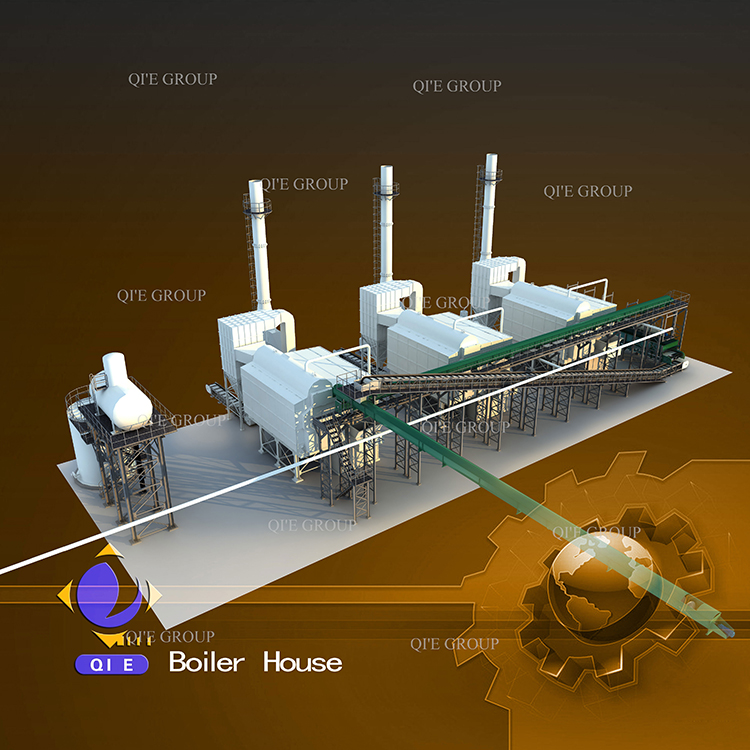
1. Heat Energy Recovery System
Instead of losing thermal energy generated by friction and machinery operation, the system recycles it for pre-heating input biomass or generating steam. This energy loop reduces external fuel dependency and cuts unit energy consumption by up to 18%.
2. Automated Control Logic
Smart sensors and programmable logic controllers (PLC) monitor torque, temperature, and feed rates. They precisely adjust operational parameters in real-time to maintain an optimal press speed—not necessarily the highest—but the one that yields maximum extraction efficiency with minimal energy input.
3. Optimized Screw & Screen Design
The redesigned screw propeller and improved screen mesh geometry reduce mechanical friction and material clogging. The result is smoother material flow, less wear on components, and sustainable long-term operational stability.
Real-world Results Validating the Approach
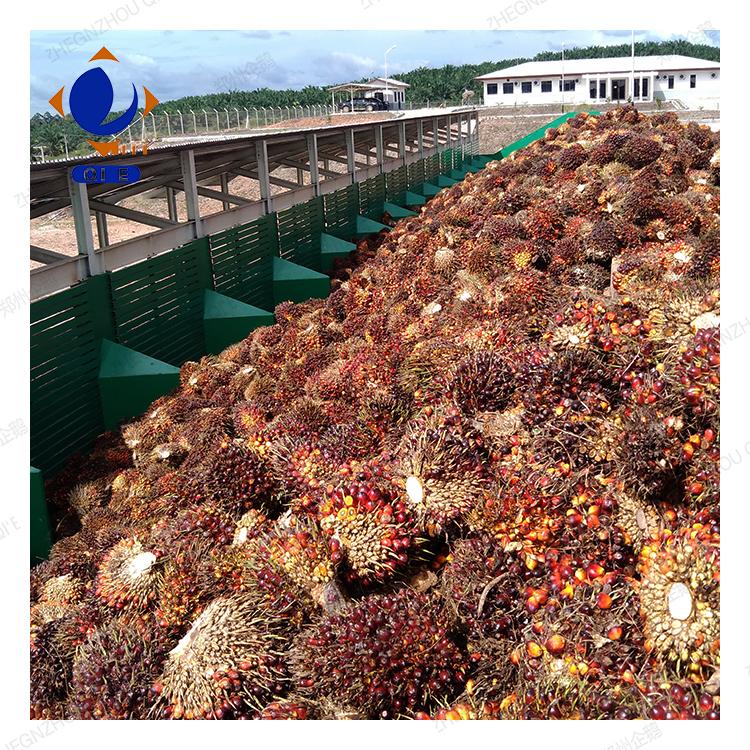
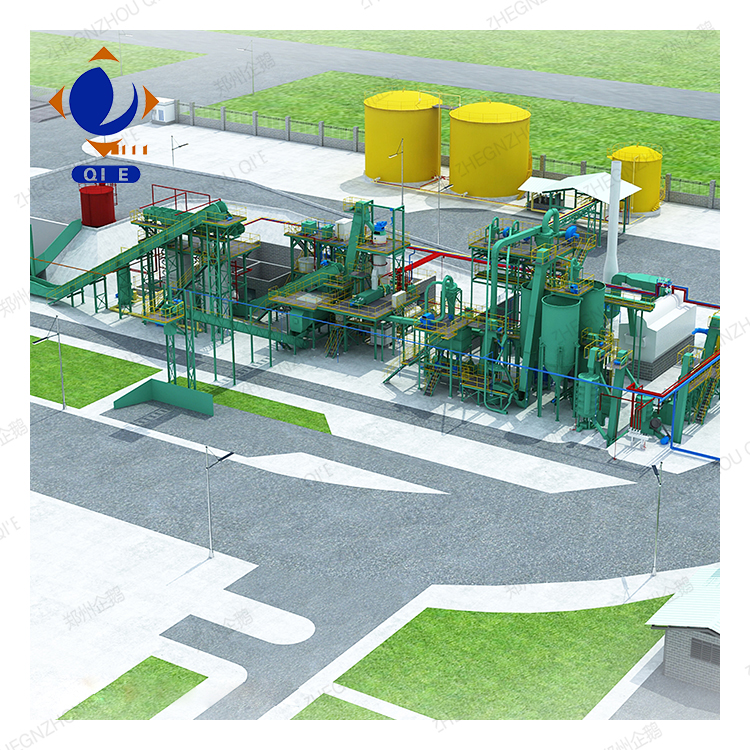
Consider the case of a leading palm oil processing plant that adopted this integrated technology suite. Post-implementation, the plant recorded:
- Unit energy consumption drop: 18% reduction measured in kilowatt-hours per ton of palm fruit processed.
- Yield increase: 5% boost in oil extraction rate without increasing press speed.
- Maintenance frequency: Halved due to reduced mechanical wear and improved material handling.
Avoiding Common Operational Pitfalls
To sustain these improvements, it’s critical to move away from outdated practices:
- Stop pushing press speeds beyond manufacturer recommendations in the hope of instant output spikes.
- Implement regular maintenance cycles — ignoring wear can increase friction losses exponentially.
- Train your operators on smart, data-driven process control rather than relying on manual adjustments.
Moreover, compliance with ISO9001 quality standards guarantees a baseline process stability that supports both operational safety and energy performance.