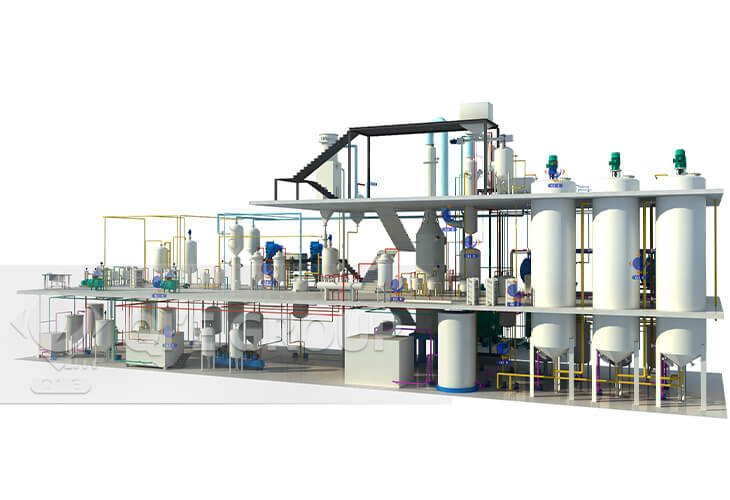
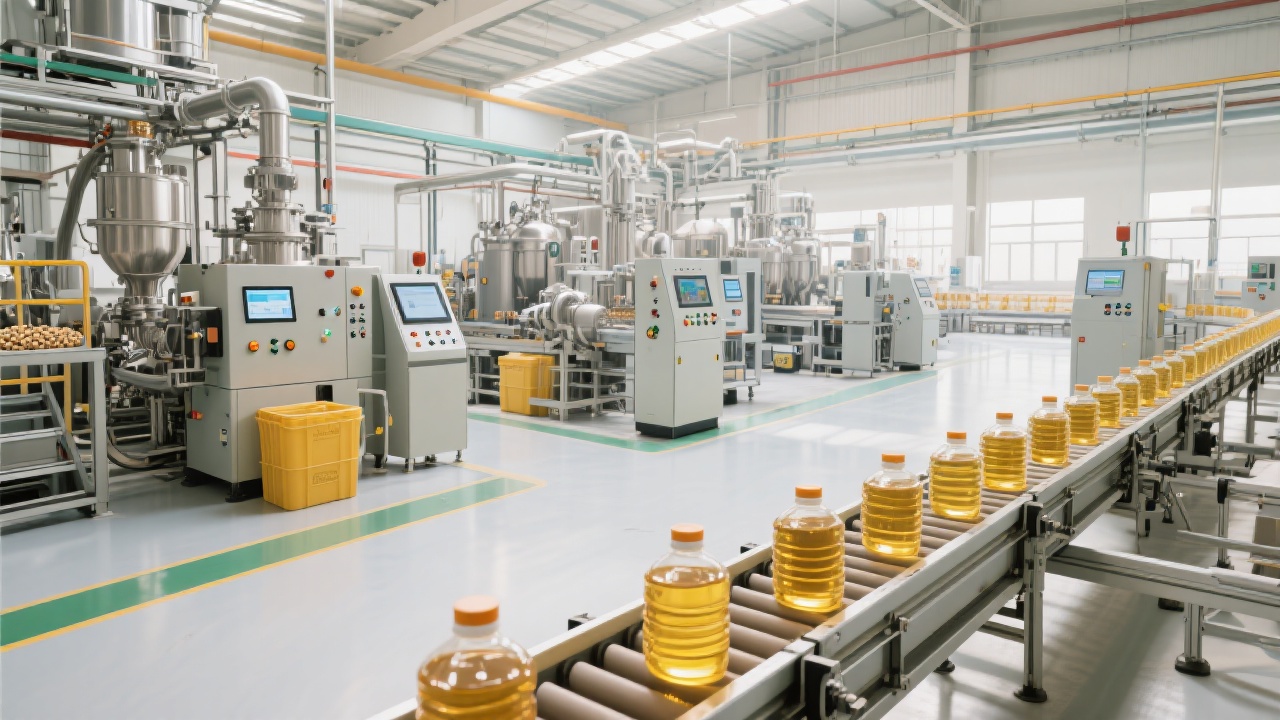
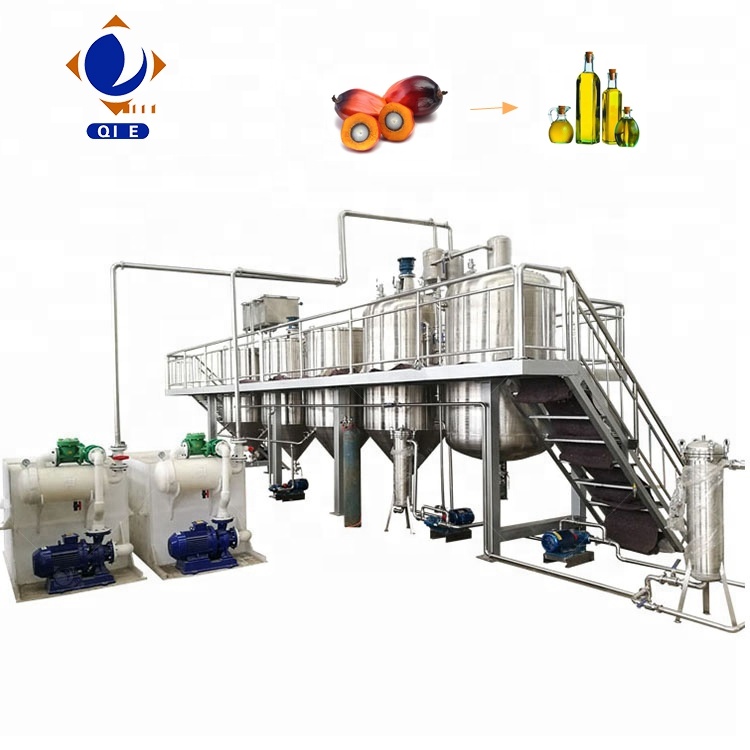
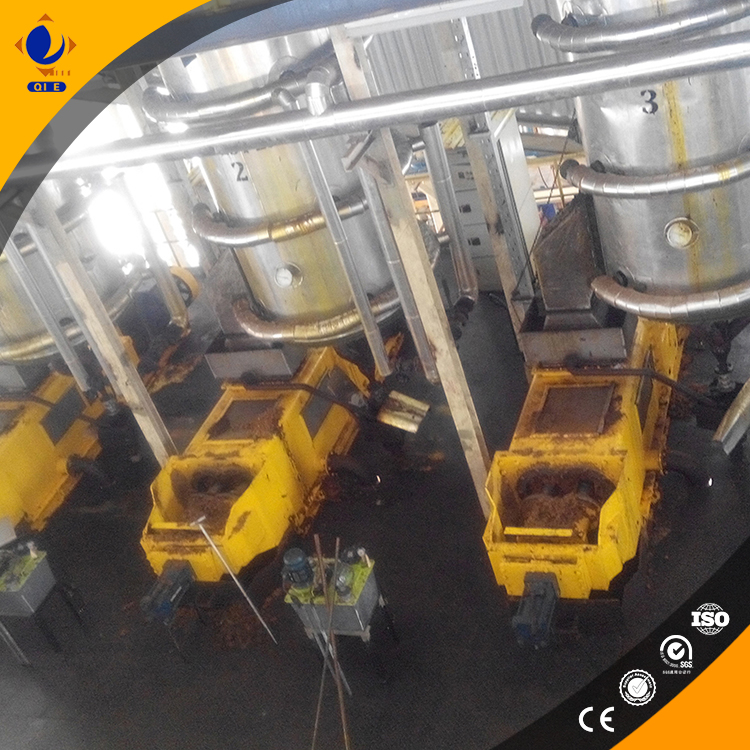
In today’s competitive palm oil industry, boosting pressing efficiency while ensuring food safety and equipment durability is paramount. Manufacturers increasingly ask: Why are more palm oil mills adopting 304 stainless steel pressing units? This article dissects the core technological attributes of the 2024 model, 10-500 tons/day palm oil unit from QIE Group. We analyze the material science behind 304 stainless steel, the processing flexibility accommodating both fresh fruit bunches and kernels, and the stability improvements enabled by intelligent automation — all underpinned by international certifications and successful global deployments.
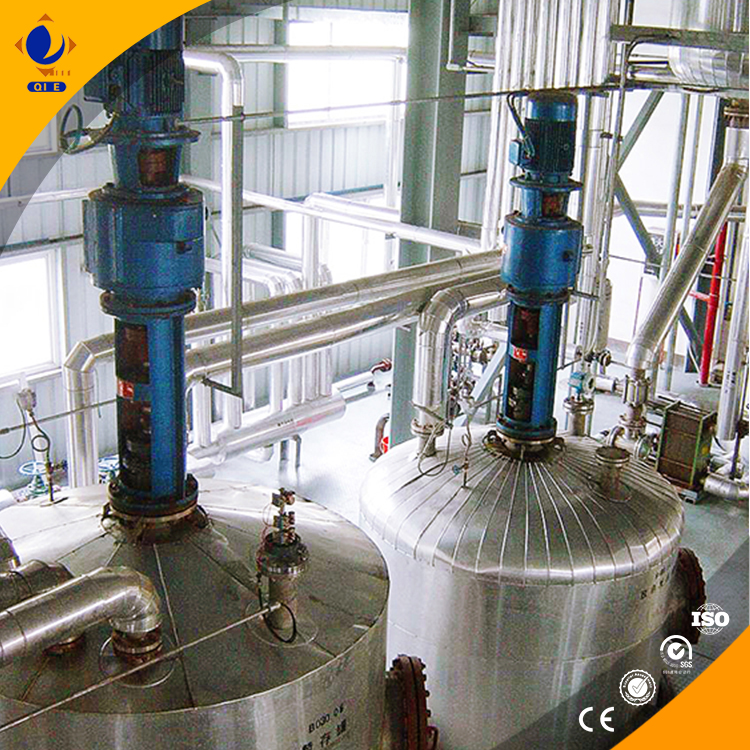
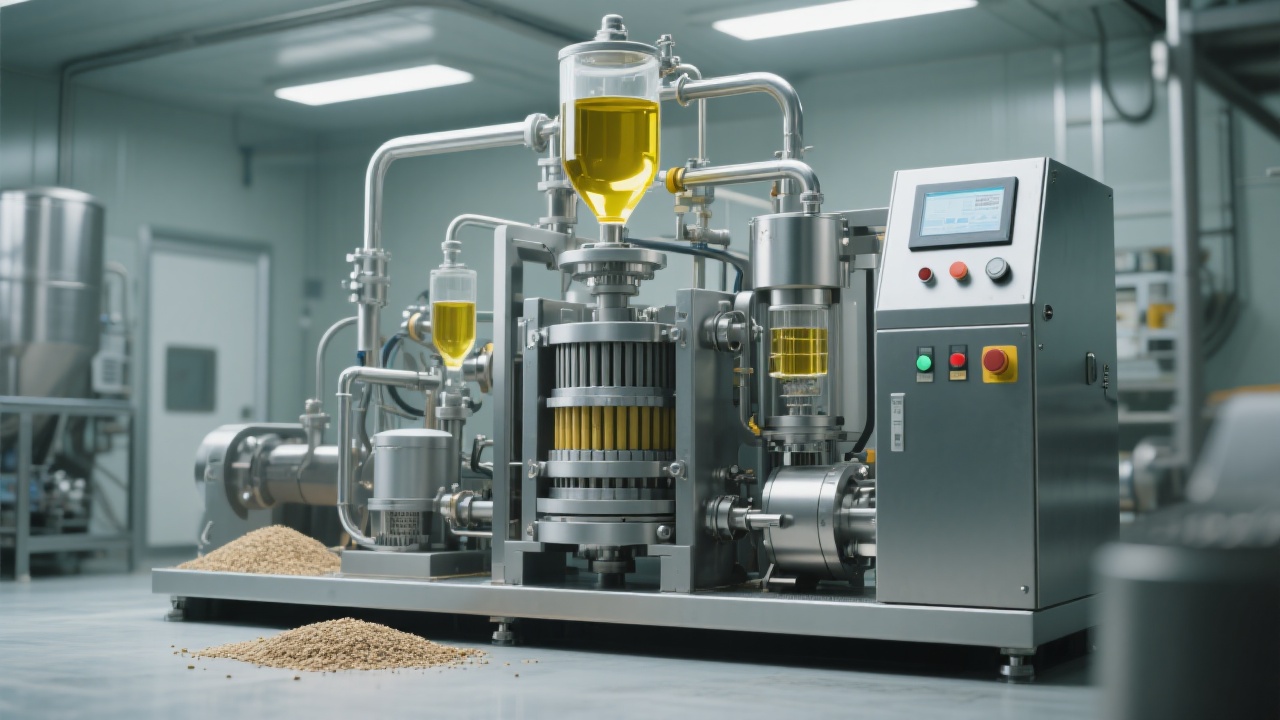
The choice of construction material directly impacts the machine’s lifespan, maintenance costs, and product purity. 304 stainless steel is widely recognized for its exceptional resistance to corrosion, oxidation, and chemical degradation, which is crucial when processing acidic palm oil fruit components. Furthermore, its compliance with stringent food-grade hygiene standards minimizes contamination risks, supporting safe consumer products.
According to industry data, equipment fabricated with 304 stainless steel can reduce corrosion-related downtime by up to 40% compared to carbon steel alternatives. This translates into longer continuous operation periods, reducing unexpected maintenance and associated production losses.
The QIE Group’s new palm oil unit supports processing both fresh fruit bunches (FFB) and palm kernels, enabling operators to adapt product lines according to market demand or raw material availability. Handling diverse feedstocks prevents production bottlenecks, maximizes throughput, and improves overall equipment utilization.
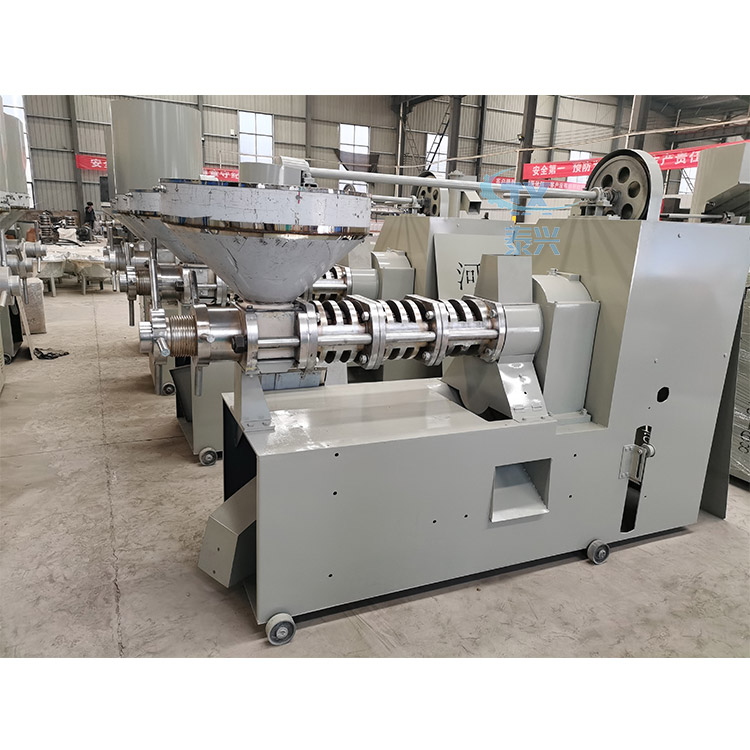
This dual capability is enabled by advanced mechanical design optimizing press chamber geometry for distinct oil extraction characteristics between fibrous fruit bunches and denser kernels. For example, kernel processing yields higher oil concentration, demanding precise pressure control to avoid over-compression and machinery wear.
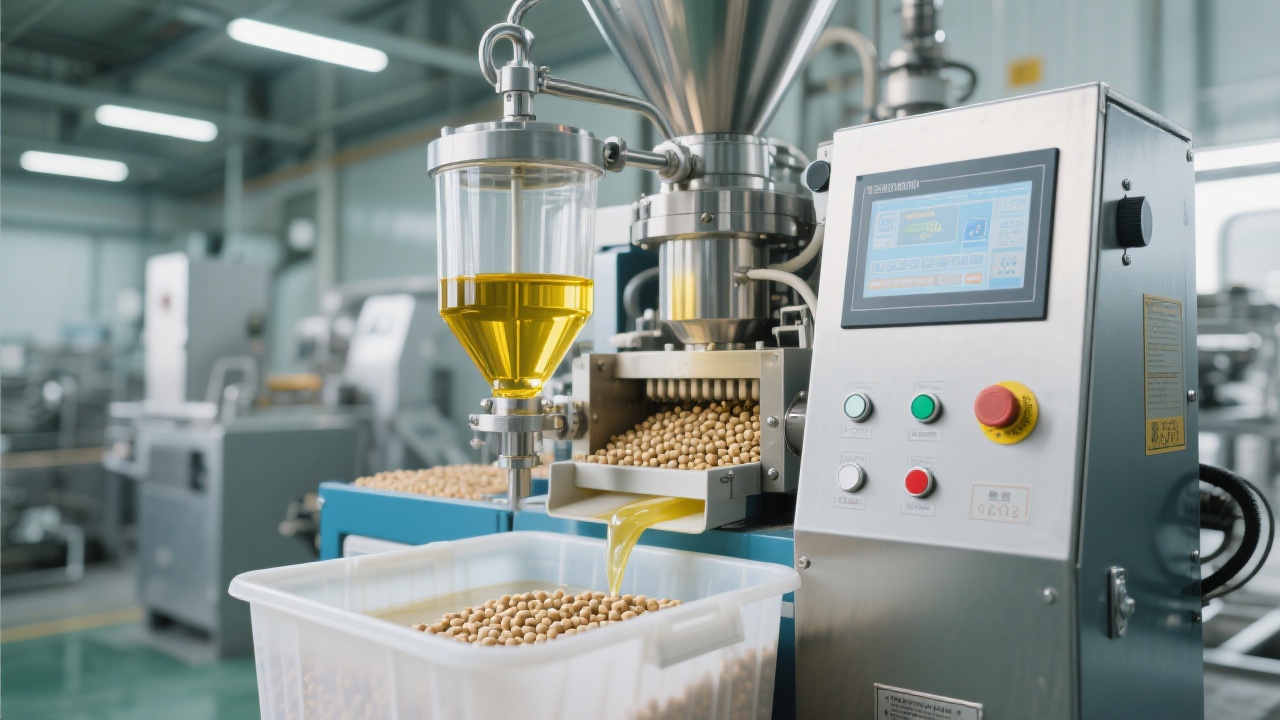
Integrating a Programmable Logic Controller (PLC) system elevates operational stability by allowing real-time monitoring, adaptive control, and fault detection. This smart control reduces energy consumption by optimizing motor speeds and hydraulic pressures.
Case studies reveal energy consumption reductions of 15%-20% compared with manually controlled systems, directly decreasing production costs. Continuous system diagnostics also prevent unexpected stoppages, boosting uptime and long-term equipment reliability.
| Feature | Benefit | Impact |
|---|---|---|
| 304 Stainless Steel Construction | Enhanced corrosion resistance and food safety | Up to 40% less corrosion downtime |
| Dual Raw Material Compatibility (FFB & Kernels) | Flexible processing options and higher capacity utilization | Improved throughput by 25% |
| PLC Intelligent Control System | Optimized energy consumption and fault prevention | Energy savings of 15-20%, increased uptime |
The 2024 palm oil pressing line also benefits from ISO 9001 certification, confirming globally benchmarked quality management systems. Moreover, the dedicated after-sales support includes design consultation, on-site installation guidance, and 24/7 online technical assistance, facilitating swift project commissioning and sustained operational excellence.
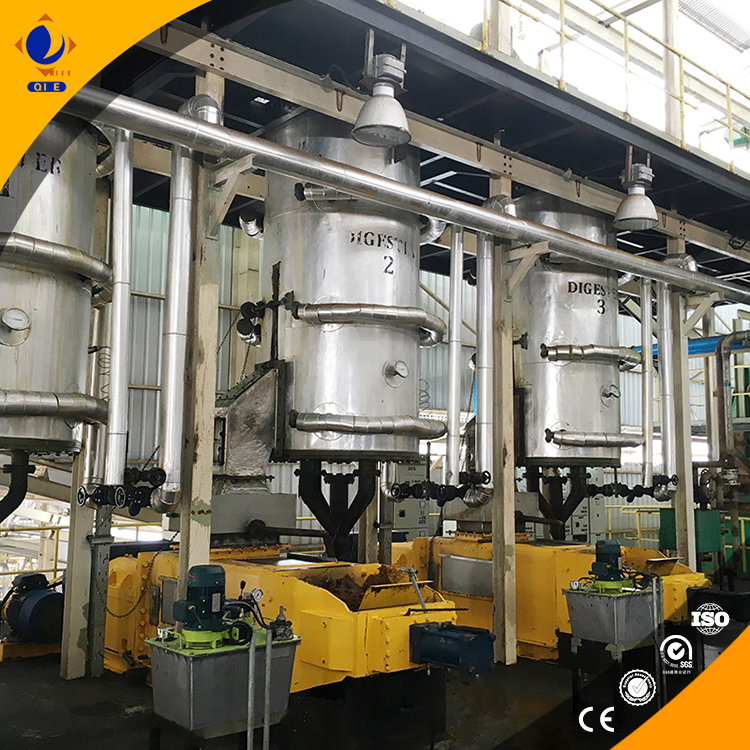
Choosing technologically advanced equipment like the QIE Group’s palm oil press unit can significantly enhance processing efficiency and profitability. Decision-makers in the palm oil sector aiming to optimize operational costs and output quality may ask: Which pressing unit design best balances durability, flexibility, and energy efficiency? Insights gained here point decisively toward 304 stainless steel units equipped with intelligent automation as a leading solution.

 391
|
391
|
 palm kernel oil refining equipment
energy-efficient palm oil refining solutions
cost-effective palm oil refining technology
334
|
crude palm oil refining equipment
energy-efficient palm oil processing technology
fully automated palm oil extraction system
palm kernel oil refining equipment
energy-efficient palm oil refining solutions
cost-effective palm oil refining technology
334
|
crude palm oil refining equipment
energy-efficient palm oil processing technology
fully automated palm oil extraction system
 181
|
Automated palm oil pressing
PLC control system
Intelligent manufacturing
Energy conservation and emission reduction
Production efficiency improvement
181
|
Automated palm oil pressing
PLC control system
Intelligent manufacturing
Energy conservation and emission reduction
Production efficiency improvement
 46
|
compact palm oil production line equipment
efficient eco-friendly oil press equipment
customized palm oil processing equipment
46
|
compact palm oil production line equipment
efficient eco-friendly oil press equipment
customized palm oil processing equipment
 174
|
["palm crude oil refining equipment"
"energy-saving refining technology"
"low energy consumption oil processing"
"automatic PLC control system"
"eco-friendly palm oil production"]
174
|
["palm crude oil refining equipment"
"energy-saving refining technology"
"low energy consumption oil processing"
"automatic PLC control system"
"eco-friendly palm oil production"]