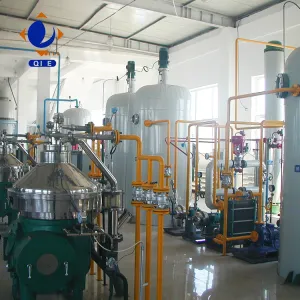
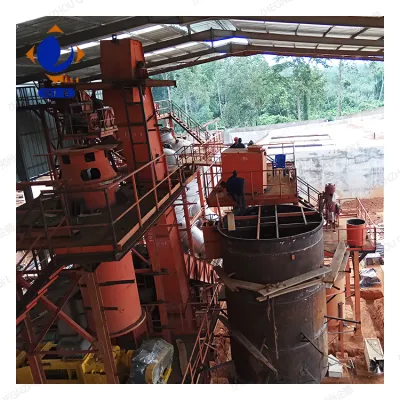
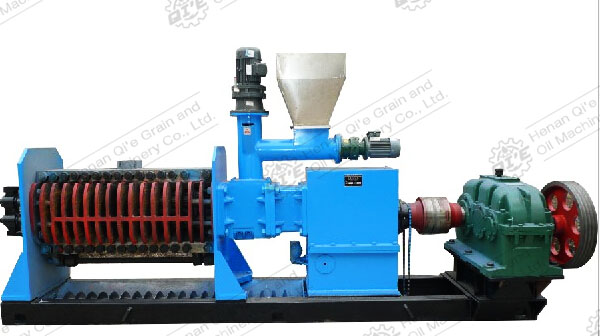
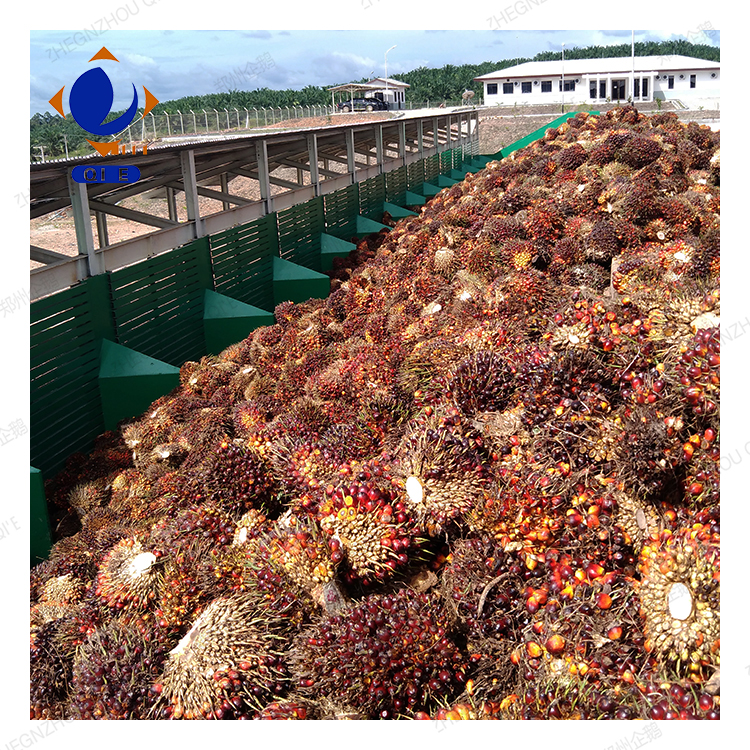
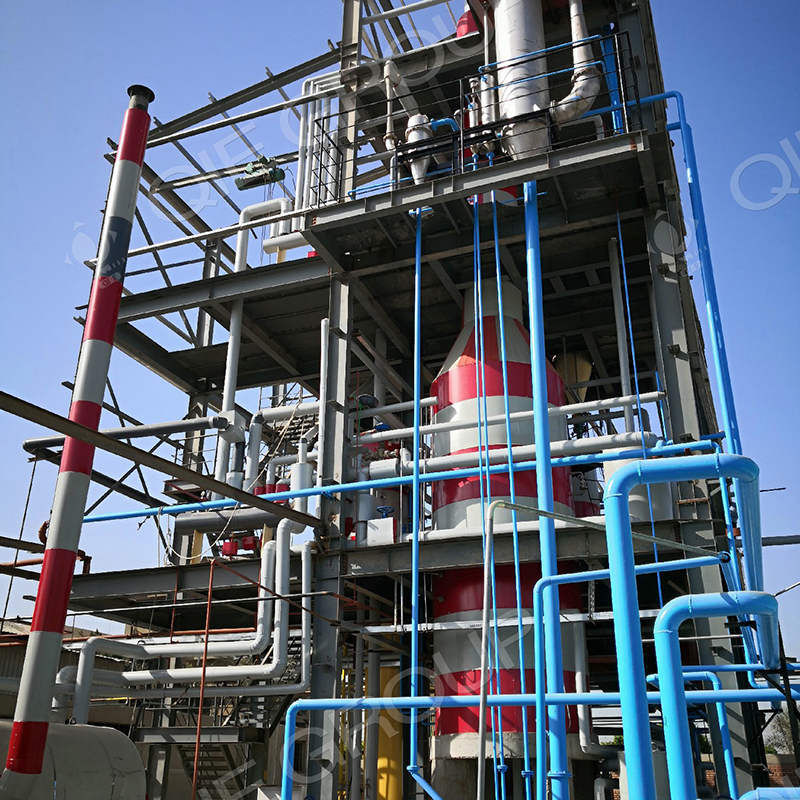
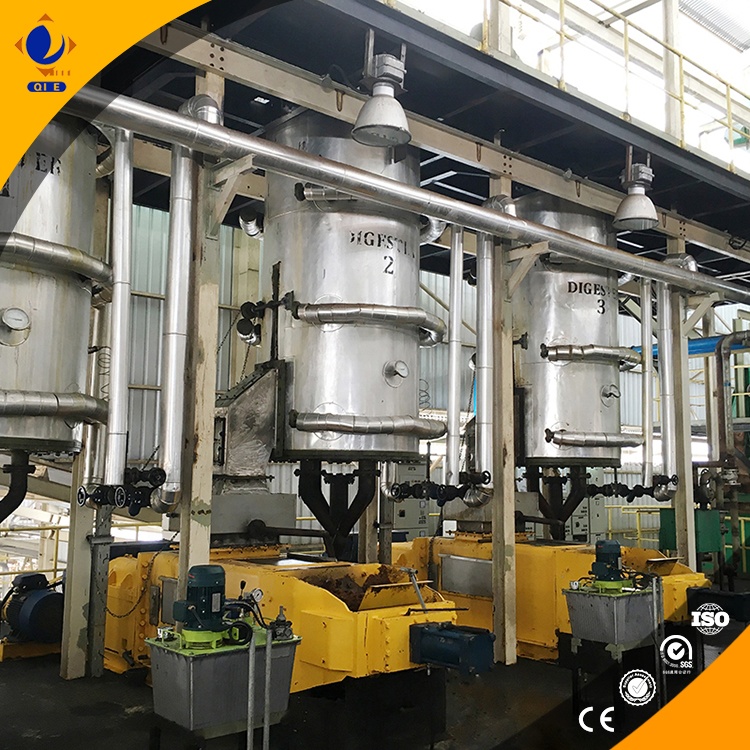
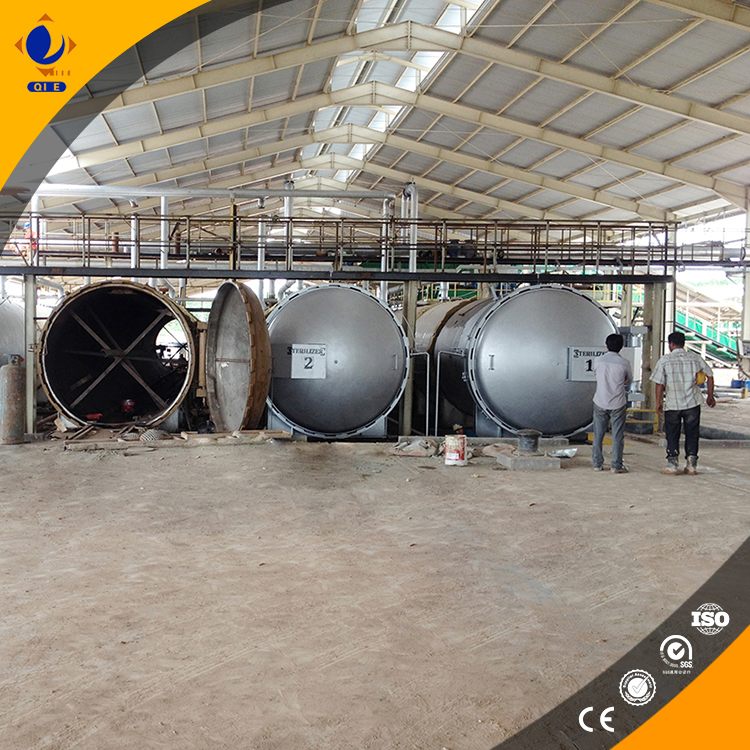
You’re not alone if you’ve struggled to balance high throughput with low energy consumption in your palm oil processing plant. Many operators assume that increasing press speed or pressure boosts output—but often, it just raises costs and shortens equipment life. At QIE Group, we’ve spent over a decade refining how machines work together—not just individually—to unlock real efficiency gains.
Our data from 14 palm oil mills across Indonesia, Malaysia, and Nigeria shows that blindly increasing screw press RPM by 15% typically results in only a 3–5% yield increase—but energy use jumps by 12–18%. That’s not efficiency—it’s waste. The key? It's not about pushing harder. It’s about working smarter.
| Parameter | Before Optimization | After Penguin Tech Integration |
|---|---|---|
| Energy per Ton of Oil (kWh) | 38.5 | 31.4 |
| Daily Output (tons) | 22 | 26 |
| Maintenance Downtime | 12 hrs/week | 6 hrs/week |
We break down the five pillars that make our presses stand out:
“We saw a 18% drop in kWh per ton within one month after installing Penguin’s system. More importantly, our engineers stopped fighting the machine—they started understanding it.”
— Muhammad Ali, Plant Manager, PT Sinar Mas Agro, Indonesia
If you're still relying on manual adjustments or ignoring routine maintenance schedules, you’re missing out on easy wins. Simple things like cleaning screens weekly and calibrating sensors monthly can prevent up to 15% of avoidable inefficiencies.
Don’t let outdated assumptions hold back your bottom line. Whether you’re upgrading an existing line or designing a new facility, these insights will help you build a leaner, more profitable operation—one that doesn't burn fuel just to run faster.
 423
|
423
|
 Palm crude oil refining equipment
High - efficiency and stable equipment
Palm oil processing equipment
Fully automatic PLC control system
Energy - saving and environmental - friendly equipment
Palm crude oil refining equipment
High - efficiency and stable equipment
Palm oil processing equipment
Fully automatic PLC control system
Energy - saving and environmental - friendly equipment
 203
|
Penguin Group
palm oil
refining equipment
PLC control system
extraction process
energy-efficient
environmentally friendly
203
|
Penguin Group
palm oil
refining equipment
PLC control system
extraction process
energy-efficient
environmentally friendly
 462
|
palm kernel oil production equipment maintenance
palm kernel oil extraction equipment保养
industrial oil processing equipment lifespan extension
automated oil refining line operation
solvent recovery optimization
462
|
palm kernel oil production equipment maintenance
palm kernel oil extraction equipment保养
industrial oil processing equipment lifespan extension
automated oil refining line operation
solvent recovery optimization
 225
|
palm oil refining equipment
efficient palm oil processing equipment
energy-saving and eco-friendly refining equipment
225
|
palm oil refining equipment
efficient palm oil processing equipment
energy-saving and eco-friendly refining equipment
 444
|
palm kernel oil refining equipment
energy-efficient palm kernel oil extraction
low solvent consumption oil processing
adaptive industrial oil refining solutions
sustainable palm oil manufacturing
444
|
palm kernel oil refining equipment
energy-efficient palm kernel oil extraction
low solvent consumption oil processing
adaptive industrial oil refining solutions
sustainable palm oil manufacturing