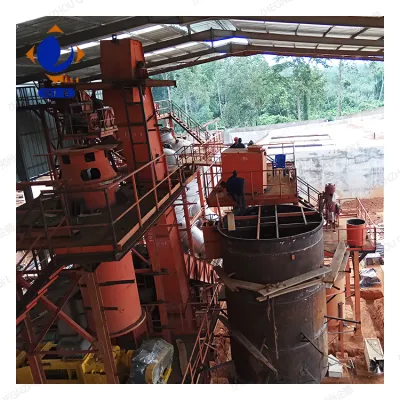
In the palm oil industry, high energy consumption and low yield are not just common—they’re often seen as inevitable. But what if we told you that up to 25–30% of your thermal energy is being wasted due to outdated press systems? That’s not a hypothetical number—it’s based on real-world data from mills in Malaysia, Indonesia, and Nigeria that adopted modern heat recovery technologies.
Traditional palm oil presses rely on single-pass heating and mechanical pressure alone—no heat reuse, no smart control logic. This leads to two major issues:
These inefficiencies aren’t just about cost—they affect consistency, product quality, and compliance with ISO 9001 standards for process stability.
We’ve identified three pillars driving real improvements in both output and efficiency:
These aren’t theoretical upgrades—they’re proven in over 40 operational mills globally. And yes, they work even when scaling production or switching between different palm fruit batches.
Many operators assume more steam = more oil. In reality, poor heat distribution can cause uneven pressing and clogging. The solution lies in intelligent heat management—not brute force.
Implementing these changes doesn’t require a full mill overhaul. Start with a baseline audit—measure your current steam-to-oil ratio, then compare it against optimized benchmarks. Most facilities see measurable gains within 6 weeks of implementation.
As global buyers demand sustainable palm oil, energy-efficient processing isn't optional anymore—it's part of your brand value. With ISO 9001-certified processes, you're not only reducing waste—you're building trust with international partners who prioritize ESG metrics.
And here’s the best part: our team has compiled all this into a free technical whitepaper—including case studies, maintenance checklists, and step-by-step optimization plans. No fluff. Just actionable insights.
Download Free Technical Whitepaper Now →