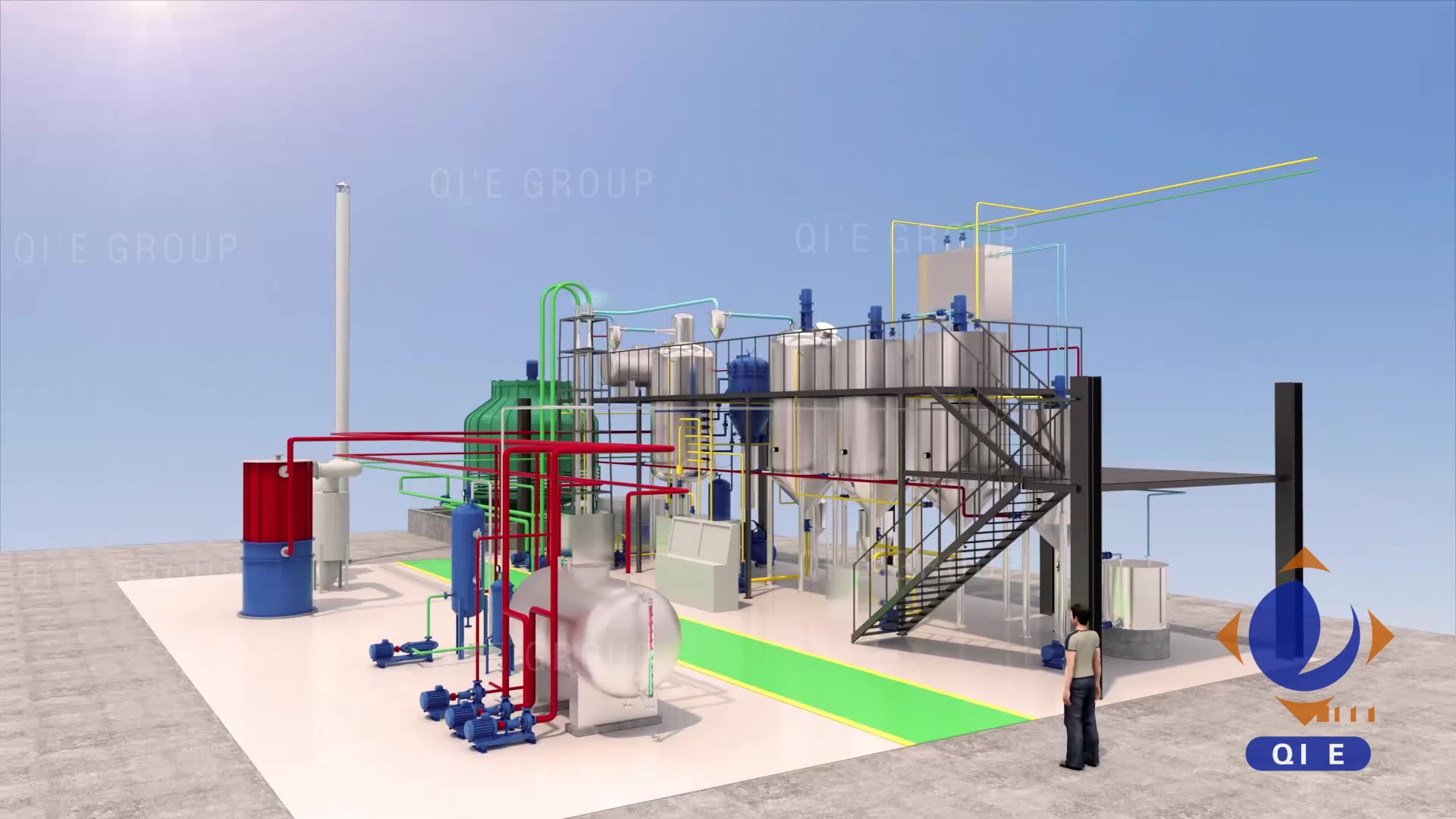
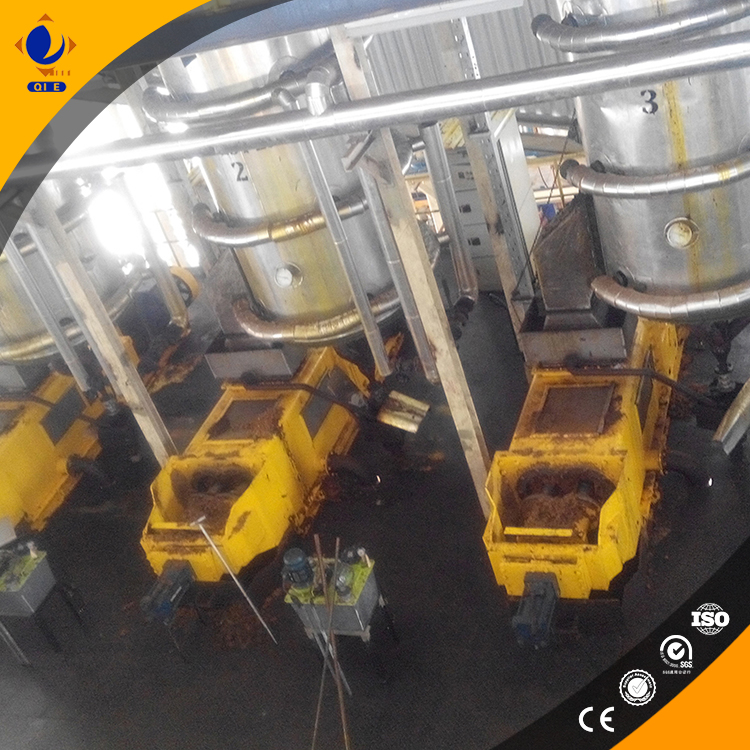
In modern palm oil production, automation isn’t just a luxury—it’s a necessity. At Qingdao QIE Group, we’ve seen how PLC-based control systems reduce downtime by up to 40% when properly maintained and monitored. This article dives into real-world alarm codes from our clients’ presses and refineries, offering actionable insights for operators, maintenance teams, and plant managers.
Our engineers deploy Siemens S7-1200 PLCs across all new installations—these controllers manage temperature (±0.5°C accuracy), pressure (±1 bar tolerance), and flow rates with precision. In one case study at a Malaysian refinery, an unexpected drop in vacuum level triggered an alarm (code E104). The root cause? A clogged filter in the evaporation unit. Thanks to automated logging, the issue was identified within 12 minutes—not the usual 2–3 hours.
Key Insight: Early detection through PLC alerts can prevent quality deviations that affect downstream products like refined palm olein or stearin.
One Indonesian client reported saving over $12,000 annually after implementing these protocols—a direct result of reducing unplanned stops from 3x/month to less than once per quarter.
With global standards tightening—especially under EU FSSC 22000 and ISO 22000—food manufacturers must prove every batch meets safety benchmarks. Our data acquisition system records >100 parameters per minute, enabling full traceability from raw kernel to final product. For example, a Thai customer used this data to resolve a customer complaint about inconsistent viscosity in just 48 hours—by comparing process logs against known good batches.
That’s not just efficiency—it’s trust-building.
Today, over 68% of our clients use remote support tools (like TeamViewer + custom firmware) to troubleshoot issues without on-site visits. This cuts average repair time from 7 days to under 48 hours—and reduces travel costs by ~$3,500 per incident. Plus, predictive analytics now flag potential failures 72+ hours in advance based on vibration patterns and energy consumption trends.
For palm oil processors aiming to scale sustainably, remote monitoring is no longer optional—it’s foundational.
Whether you're facing recurring alarms or looking to upgrade your current system, our team offers free diagnostic consultations and customized training programs tailored to your facility's needs.
Download Our Free Palm Oil PLC Alarm Code Reference Sheet
 309
|
309
|
 ["palm crude oil refining equipment"
"fully automatic PLC control system"
"energy-efficient oil processing"
"automated palm oil refining"
"sustainable oil refining technology"]
["palm crude oil refining equipment"
"fully automatic PLC control system"
"energy-efficient oil processing"
"automated palm oil refining"
"sustainable oil refining technology"]
 262
|
palm oil press automation
PLC control system
production efficiency optimization
industrial automation in oil processing
smart manufacturing solutions
262
|
palm oil press automation
PLC control system
production efficiency optimization
industrial automation in oil processing
smart manufacturing solutions
 324
|
["palm oil refining equipment"
"automatic PLC control system"
"palm oil processing efficiency"
"energy-efficient refining technology"
"palm oil refining process"]
324
|
["palm oil refining equipment"
"automatic PLC control system"
"palm oil processing efficiency"
"energy-efficient refining technology"
"palm oil refining process"]
 311
|
["palm crude oil refining equipment"
"automatic PLC control system"
"energy-efficient oil refining technology"
"palm oil processing machinery"
"advanced palm oil refining solutions"]
311
|
["palm crude oil refining equipment"
"automatic PLC control system"
"energy-efficient oil refining technology"
"palm oil processing machinery"
"advanced palm oil refining solutions"]
 371
|
palm oil refining equipment
efficient palm oil processing equipment
fully automated PLC control system
energy-efficient refining equipment
enhancing palm oil processing efficiency
371
|
palm oil refining equipment
efficient palm oil processing equipment
fully automated PLC control system
energy-efficient refining equipment
enhancing palm oil processing efficiency