Industry Insight: According to the International Palm Oil Council, proper deodorization processes can increase palm oil shelf life by 30-40% while maintaining critical nutritional properties. The key? Mastering the delicate balance between temperature and vacuum control.
Industrial palm oil processing is a sophisticated dance of precision and science, with deodorization standing as one of its most critical steps. This process isn't merely about removing unpleasant odors—it's about preserving the oil's nutritional value, enhancing its stability, and ensuring consistent quality that meets global food safety standards. At Qie Group, we've worked with countless food processing facilities to optimize this delicate procedure, and time again, the data points to one fundamental truth: temperature and vacuum control are the twin pillars of successful deodorization.
Deodorization works by applying heat under vacuum conditions to vaporize and remove volatile components that cause off-flavors and odors. These components include free fatty acids (FFAs), aldehydes, ketones, and other oxidation products. The challenge lies in removing these unwanted substances without compromising the oil's beneficial components or creating new harmful compounds through overheating.
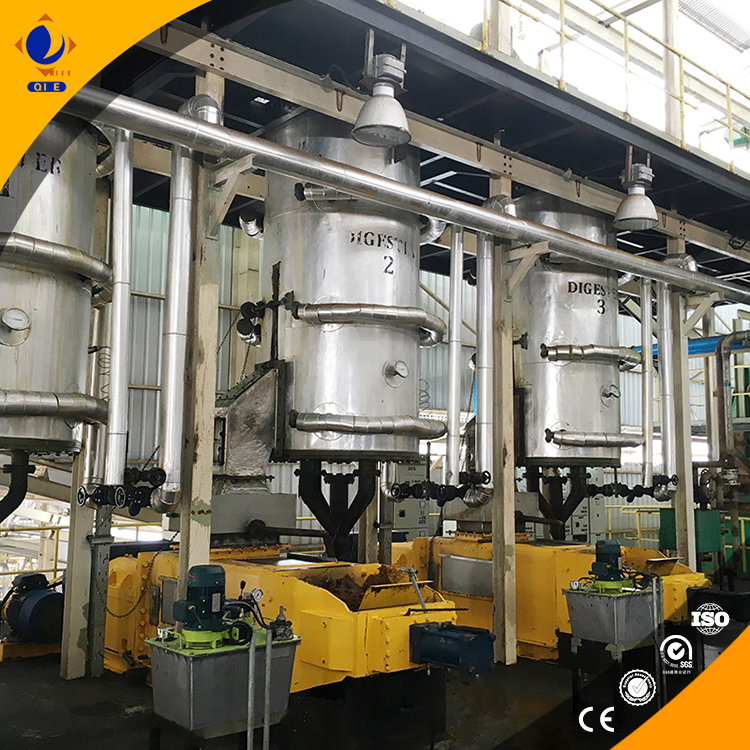
The interaction between temperature and vacuum pressure is where the true art of deodorization lies. Higher temperatures increase the volatility of unwanted compounds, making them easier to remove—but they also accelerate oxidation and can degrade beneficial components. This is where vacuum comes into play: by reducing pressure, we lower the boiling point of these volatile compounds, allowing effective removal at lower temperatures than would be possible at atmospheric pressure.
Imagine trying to boil water on a mountaintop versus at sea level. At higher altitudes (lower pressure), water boils at a lower temperature. The same principle applies to palm oil deodorization. By maintaining optimal vacuum levels (typically 2-3 mmHg), processors can achieve effective deodorization at 230-240°C instead of the 260°C+ required at higher pressures—significantly reducing thermal stress on the oil.
Traditional steam deodorization systems often struggle with maintaining consistent vacuum levels and temperature gradients. These systems typically operate at higher pressures (5-10 mmHg) and require higher temperatures, leading to increased energy consumption and potential quality degradation. In contrast, modern high-efficiency vacuum systems offer precise control with several advantages:
| Performance Metric | Traditional Steam Deodorization | Modern High-Vacuum System |
|---|---|---|
| Operating Vacuum | 5-10 mmHg | 1-3 mmHg |
| Typical Temperature | 250-260°C | 220-240°C |
| Energy Consumption | Higher (120-150 kWh/ton) | Lower (80-110 kWh/ton) |
| FFA Reduction | 70-85% | 90-98% |
| Oxidative Stability | Moderate | High |
Consider the case of a Southeast Asian palm oil processor that was experiencing inconsistent quality in their deodorized oil. Despite using industry-standard equipment, they struggled with batch-to-batch variations in FFA levels (ranging from 0.15% to 0.35%) and occasional off-flavors. A technical audit revealed two critical issues:
By implementing a gradient temperature profile (extending heating time to 30 minutes) and upgrading to a more robust vacuum system with better pressure regulation, the processor achieved remarkable results within three months:
Expert Opinion: "The most common mistake I see in palm oil deodorization is focusing on temperature alone while neglecting vacuum stability," says Dr. James Wilson, Food Processing Specialist at the International Edible Oils Institute. "Modern processing requires integrated control systems where temperature and vacuum work in harmony, not independently. This integration is where companies like Qie Group bring significant value to processors seeking consistent quality and efficiency."
For food processing facilities looking to enhance their deodorization process, consider these actionable strategies:
Adopt a multi-stage heating profile with controlled ramp rates (no more than 5°C per minute). Typical stages include:
Install real-time vacuum monitoring with alarms for pressure deviations exceeding ±0.5 mmHg. Consider backup vacuum systems for critical production lines to prevent costly downtime and quality issues.
Schedule monthly calibration of temperature sensors and vacuum gauges. Even minor drift (1-2°C or 0.5 mmHg) can significantly impact process consistency over time.
Mastering temperature and vacuum control can elevate your palm oil quality, reduce operational costs, and give you a competitive edge in the global market. Whether you're experiencing specific quality challenges or simply looking to optimize your existing process, the experts at Qie Group can help you achieve consistent, high-quality results.
Schedule Your Free Deodorization Process AssessmentHave you encountered specific challenges with temperature or vacuum control in your deodorization process? What solutions have worked best for your operation? Share your experiences and questions in the comments section below—our technical team reads every comment and responds to industry inquiries.

 466
|
466
|
 small-scale palm oil refining equipment
energy efficiency optimization
intermittent refining process
high-efficiency motor
equipment energy-saving solutions
small-scale palm oil refining equipment
energy efficiency optimization
intermittent refining process
high-efficiency motor
equipment energy-saving solutions
 366
|
palm oil refining process
palm oil bleaching technology
palm oil deodorization control
edible oil quality standards
automated palm oil equipment
366
|
palm oil refining process
palm oil bleaching technology
palm oil deodorization control
edible oil quality standards
automated palm oil equipment
 209
|
Palm fruit pretreatment
Moisture content impact
Fiber content
Non - standard customized equipment
Palm oil processing technology
175
|
palm oil refining equipment
PLC control system
automated grain and oil machinery
intelligent monitoring system
food-grade production standards
209
|
Palm fruit pretreatment
Moisture content impact
Fiber content
Non - standard customized equipment
Palm oil processing technology
175
|
palm oil refining equipment
PLC control system
automated grain and oil machinery
intelligent monitoring system
food-grade production standards
 163
|
palm oil refining equipment
automated palm oil production
multi-stage process optimization
steam consumption control
spent bleaching earth treatment
163
|
palm oil refining equipment
automated palm oil production
multi-stage process optimization
steam consumption control
spent bleaching earth treatment