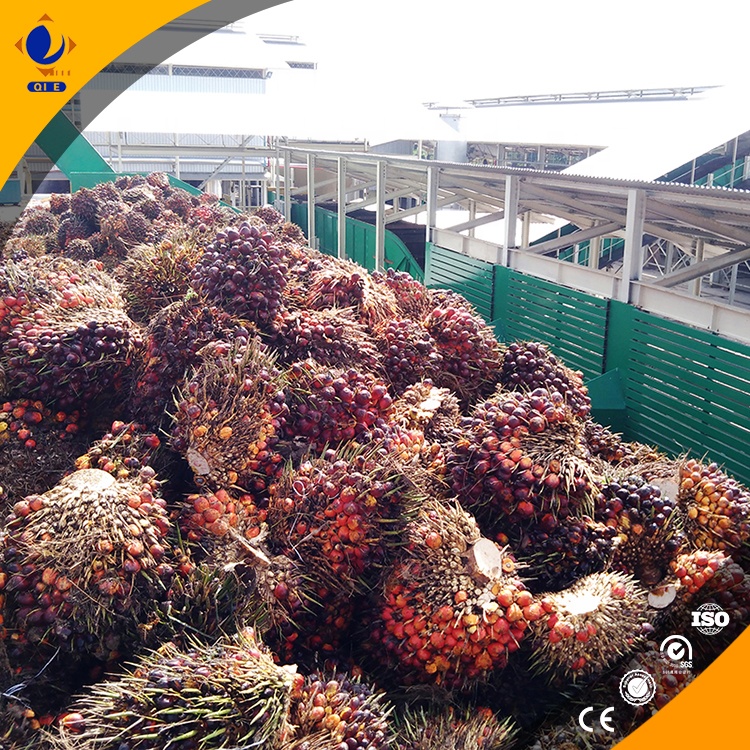
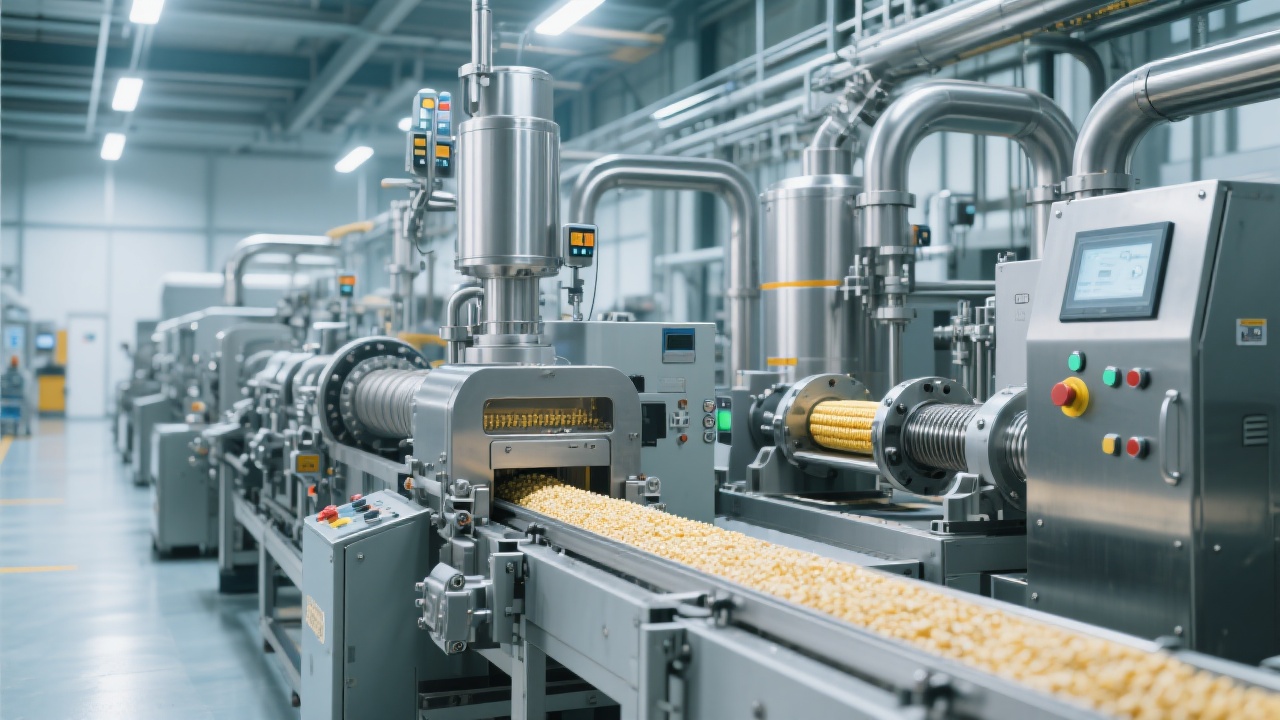
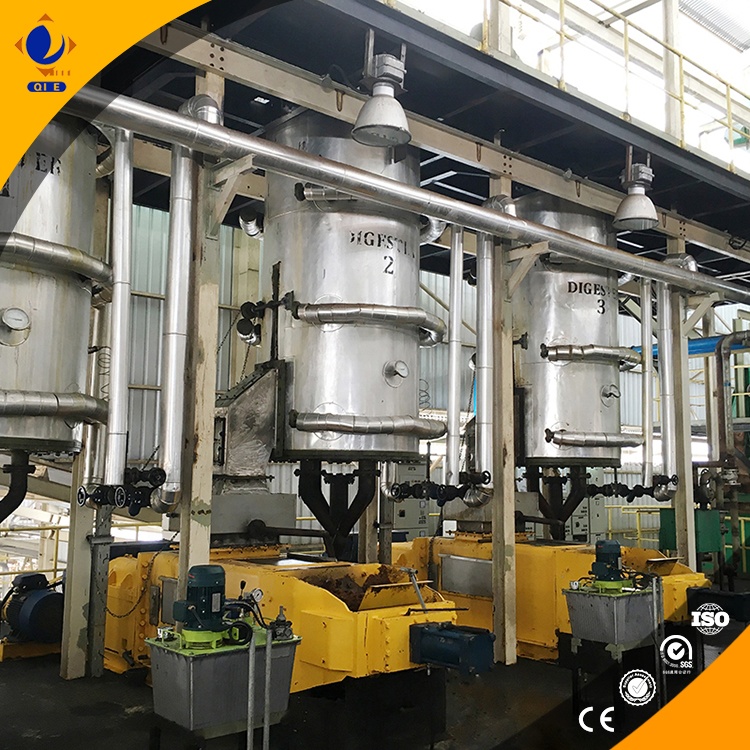
As a frontline engineer working with palm oil processing equipment, mastering the automation control system is crucial for ensuring uninterrupted production and maintaining quality standards. This article dives into PLC-based control systems, practical debugging tips, and the most common alarm codes you encounter during operation. By understanding these core concepts, you’ll quickly pinpoint faults and minimize downtime, securing consistent food-grade palm oil output.
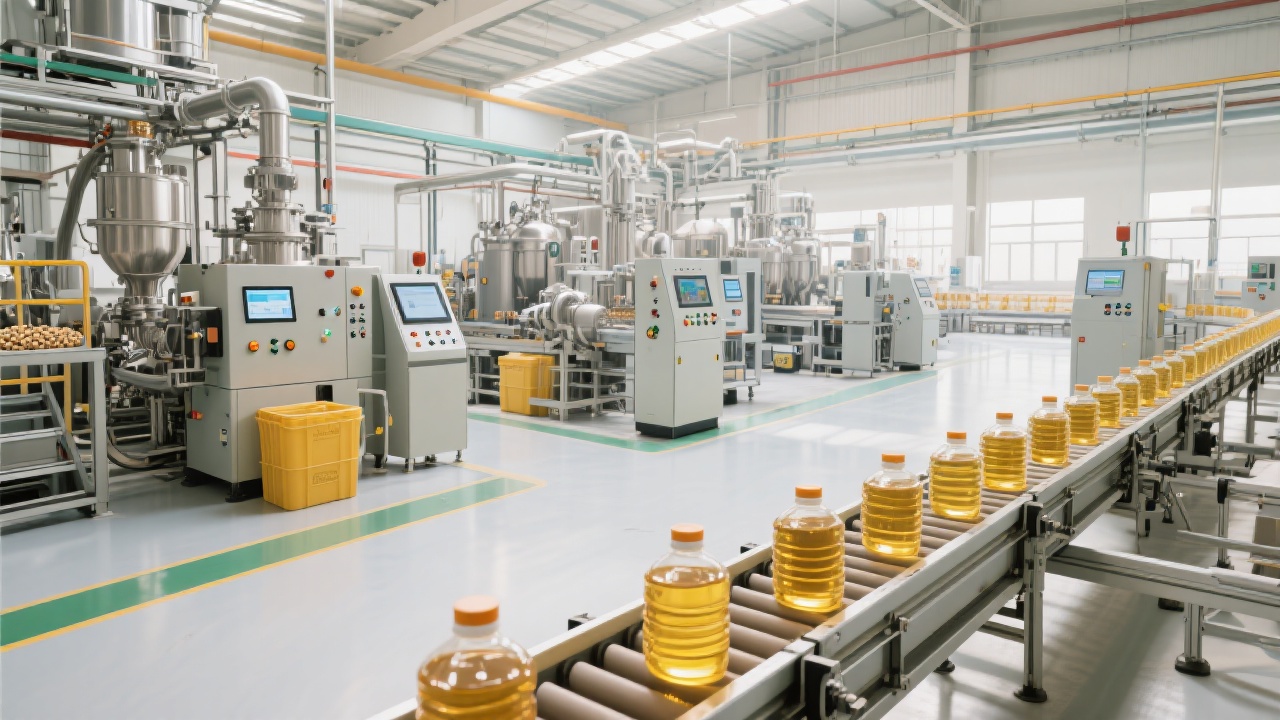
Automation control systems in palm oil extraction and refining guarantee precise regulation of temperature, pressure, and flow rates. Incorporating PLC modules allows real-time monitoring of critical parameters, enabling rapid adjustments and data logging for quality traceability. Typical systems integrate sensors with programmable logic controllers to maintain safe operating conditions across pressing, clarification, and deodorization stages.
The PLC design usually involves modular components handling input signals from temp/pressure sensors, output commands to actuators, and communication interfaces for remote monitoring. This structure ensures both localized control and integration with plant-wide SCADA systems.
| Alarm Code | Meaning | Common Causes | Recommended Actions |
|---|---|---|---|
| E01 | Temperature Sensor Fault | Sensor disconnection, wiring issues, sensor degradation | Check sensor wiring, replace faulty sensor, reset alarm after repair |
| E05 | Pressure Abnormality | Blocked pipes, pump malfunction, wrong pressure settings | Inspect piping, verify pump operation, adjust set points accordingly |
| E12 | PLC Communication Failure | Network disruption, hardware fault in PLC modules | Check network cables, reboot PLC, check module health indicators |
Engineer Tip: "Early recognition of alarm patterns not only shortens troubleshooting time but also prevents costly downtime. Keeping an updated log of frequent alarms helps in predictive maintenance planning." – Senior Process Engineer
Modern palm oil automation systems increasingly implement remote monitoring solutions. Through secure VPN or cloud platforms, you can:
This reduces unplanned stoppages and improves response speed, ultimately boosting production uptime by as much as 15-20%, as reported by several industry case studies.
With Industry 4.0 progressing rapidly, you should prepare for the following advancements:
These innovations will empower you to enhance operational efficiency further and ensure superior product quality with minimal manual intervention.

 186
|
186
|
 palm oil pressing equipment
energy-saving technology
efficient oil extraction
unit energy consumption reduction
heat recovery system
palm oil pressing equipment
energy-saving technology
efficient oil extraction
unit energy consumption reduction
heat recovery system
 357
|
palm fruit preprocessing
palm oil extraction efficiency
rain season palm oil processing
non-standardized oil press equipment
palm oil yield optimization
357
|
palm fruit preprocessing
palm oil extraction efficiency
rain season palm oil processing
non-standardized oil press equipment
palm oil yield optimization
 335
|
palm kernel oil extraction efficiency
low solvent consumption oil processing
heat recovery systems in oil mills
environmental compliance in edible oil production
residual oil control technology
335
|
palm kernel oil extraction efficiency
low solvent consumption oil processing
heat recovery systems in oil mills
environmental compliance in edible oil production
residual oil control technology
 222
|
palm fruit preprocessing
extreme climate resistant equipment
palm oil production optimization
automated control systems
equipment maintenance troubleshooting
222
|
palm fruit preprocessing
extreme climate resistant equipment
palm oil production optimization
automated control systems
equipment maintenance troubleshooting
 260
|
Crude palm oil refining equipment
Energy - saving and environmentally friendly palm oil equipment
PLC automatic control system
Palm oil production process
Refined oil energy - saving technology
260
|
Crude palm oil refining equipment
Energy - saving and environmentally friendly palm oil equipment
PLC automatic control system
Palm oil production process
Refined oil energy - saving technology