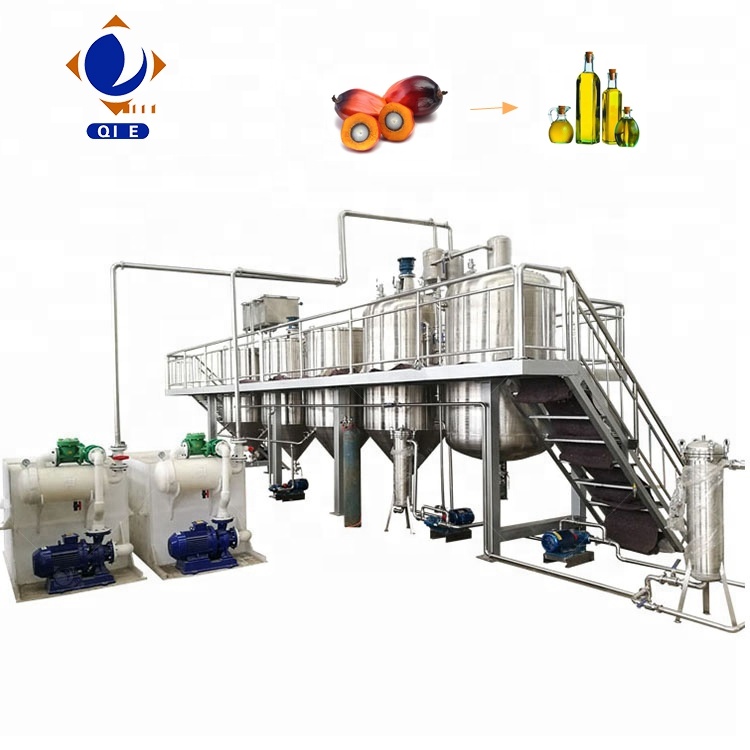
For international buyers and processors seeking consistent, high-purity palm kernel oil, understanding the full refining chain is essential—not just for compliance but for competitive advantage. This guide breaks down each critical stage from raw material handling to final product certification, with actionable insights backed by real-world data.
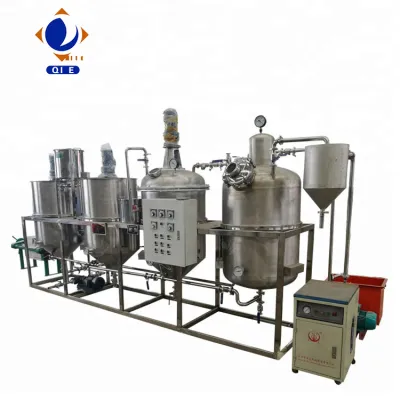
The standard palm kernel oil refining process includes pre-treatment, degumming, neutralization (deacidification), bleaching, and deodorization—all governed by strict parameters. According to industry benchmarks, optimizing these steps can increase yield by up to 4–6% while reducing energy consumption by 12–15%. For example, precise temperature control during deodorization (typically 220–250°C under vacuum) minimizes thermal degradation and ensures a smoke point above 210°C—critical for meeting EU and FDA standards.
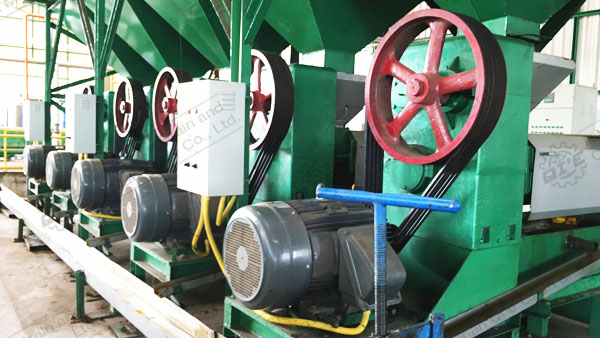
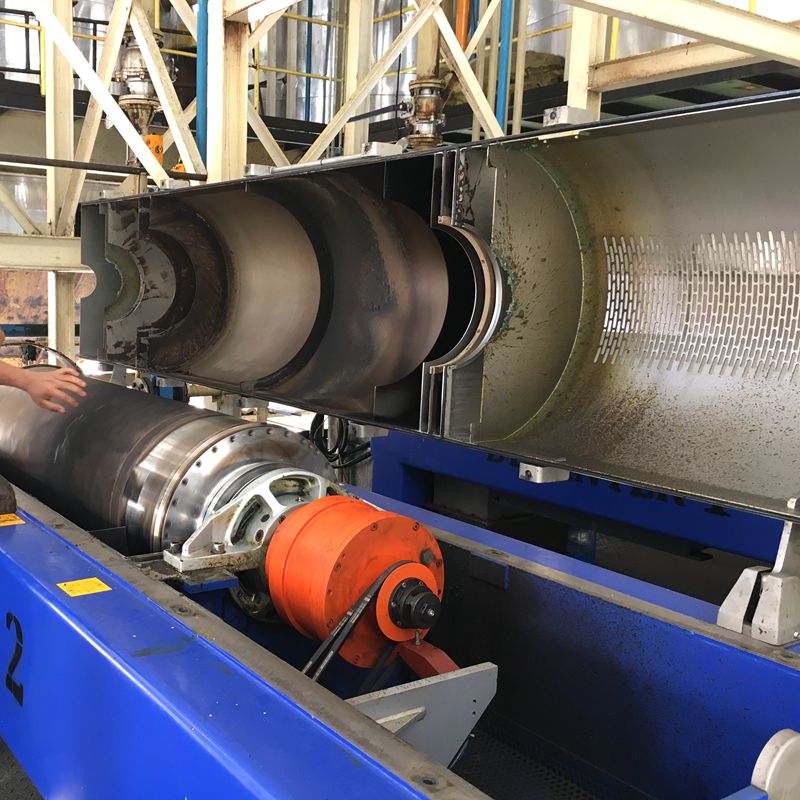
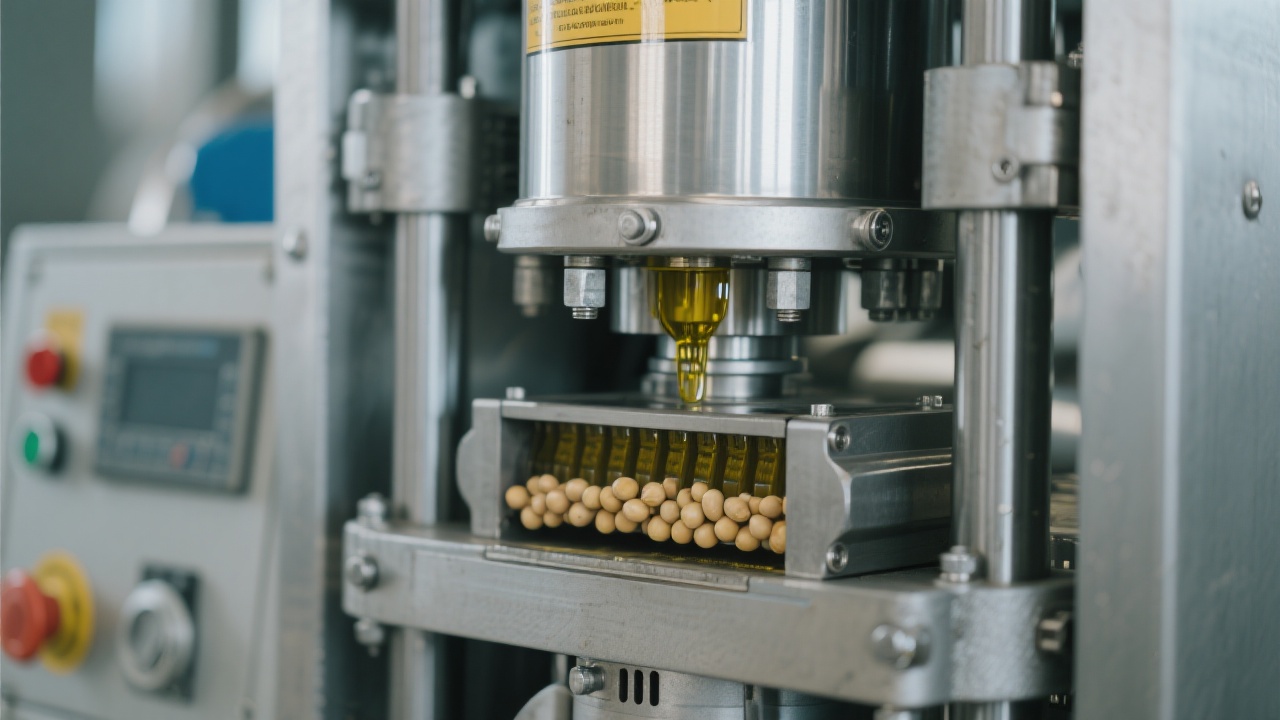
Traditional pressing methods often result in uneven extraction efficiency—typically around 70–75%. In contrast, modern spiral press systems achieve 85–90% oil recovery due to uniform pressure distribution and minimal mechanical damage to kernels. One client in Malaysia reported a 12% reduction in waste after switching to automated screw presses, directly improving their net profit margin per ton of oil produced.
GB 2716 Food Safety Standard: Palm kernel oil must meet ≤0.1% free fatty acids and ≤10 ppm phosphorus content post-refining—a target achievable only with proper degumming and acid neutralization.
Manual operation introduces variability—especially in pH adjustment and temperature ramp rates—which affects consistency across batches. Automated control systems (like PLC-based solutions) maintain ±1°C accuracy throughout the process, ensuring batch-to-batch uniformity. These systems also reduce labor costs by up to 30%, making them ideal for small- to mid-scale refineries targeting export markets.
Q: Why is rapid cooling necessary after deacidification?
A: Rapid cooling prevents re-acidification caused by residual catalysts or microbial activity—an issue that could compromise shelf life and safety certifications.
Q: How do I know if my oil meets export requirements?
A: Conduct regular tests using FTIR spectroscopy or HPLC for purity markers like tocopherol levels, free fatty acids, and oxidation stability (Rancimat value). Most buyers require third-party lab reports before shipment.
If you're serious about producing food-grade palm kernel oil that passes global inspections—and stands out in price-performance ratio—consider how automation and precision engineering can transform your output. Our team has helped over 30 clients worldwide—from Indonesia to Nigeria—achieve ISO and HACCP compliance through tailored refining setups.
Got questions? Share them below—we respond within 24 hours to help exporters make smarter decisions.

 343
|
343
|
 palm oil processing energy efficiency
heat recovery system optimization
automated oil extraction control
spiral press design improvement
ISO 9001 compliance in palm oil mills
palm oil processing energy efficiency
heat recovery system optimization
automated oil extraction control
spiral press design improvement
ISO 9001 compliance in palm oil mills
 271
|
Refining equipment selection
Palm kernel oil refining
Small and medium-sized oil mill equipment
Oil processing technology
ISO9001 quality system
271
|
Refining equipment selection
Palm kernel oil refining
Small and medium-sized oil mill equipment
Oil processing technology
ISO9001 quality system
 202
|
palm crude oil refining equipment
energy - saving and environmental - friendly equipment
fully automatic PLC control
oil refining process
green production equipment
202
|
palm crude oil refining equipment
energy - saving and environmental - friendly equipment
fully automatic PLC control
oil refining process
green production equipment
 230
|
palm fruit pretreatment
palm oil processing equipment
fault diagnosis
moisture content control
non - standard customized equipment
230
|
palm fruit pretreatment
palm oil processing equipment
fault diagnosis
moisture content control
non - standard customized equipment
 101
|
PLC automation control system
palm kernel oil extraction process
closed-loop control in oil processing
industrial automation for edible oils
smart sensor network in food processing
101
|
PLC automation control system
palm kernel oil extraction process
closed-loop control in oil processing
industrial automation for edible oils
smart sensor network in food processing