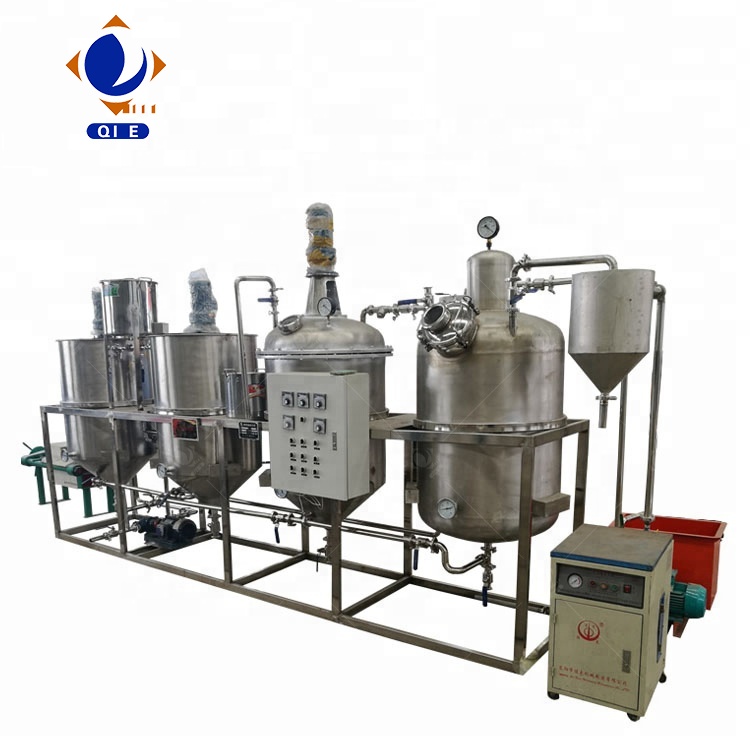
Palm kernel oil, a versatile and widely - used product in the global oil and fat industry, requires a meticulous refining process to meet the high - standards of food safety and market demand. This article offers a comprehensive analysis of the palm kernel oil refining process, from pre - treatment to deodorization, providing practical guidance for technical engineers and managers in the grain and oil processing industry.
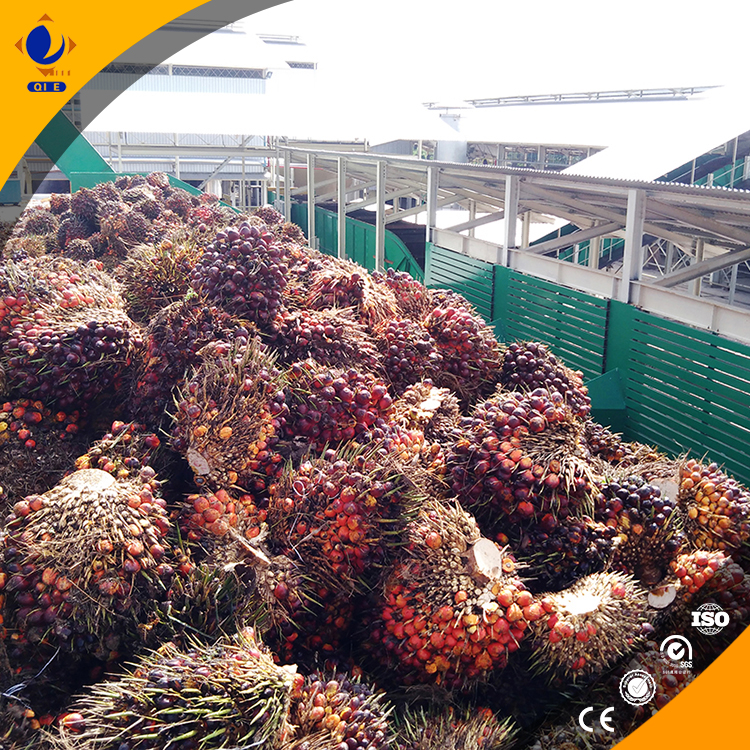
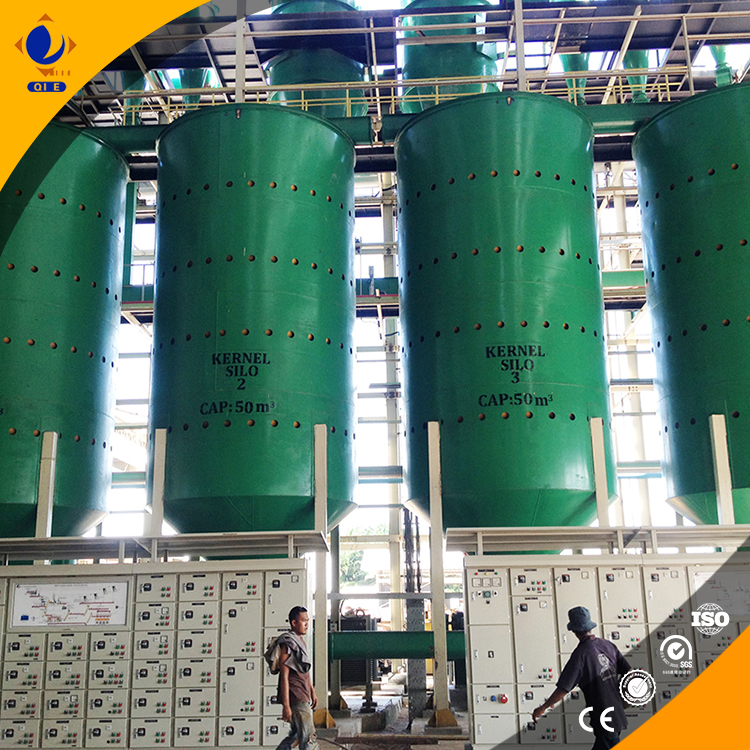
The pre - treatment stage is crucial for ensuring the smooth progress of subsequent refining steps. It mainly involves cleaning the palm kernels to remove impurities such as dirt, stones, and broken kernels. The cleaned kernels are then cracked to expose the kernel meat. After that, the kernel meat is flaked to increase the surface area for subsequent processing. An efficient pre - treatment process can significantly improve the efficiency of the entire refining process.

Degumming is the process of removing phospholipids from the crude oil. Phospholipids can cause the oil to become cloudy during storage and affect the quality of the final product. By adding water or acid to the crude oil, the phospholipids can be hydrated and separated from the oil. According to industry standards such as GB 2716, the phospholipid content in refined palm kernel oil should be strictly controlled to ensure food safety.
Deacidification is used to reduce the free fatty acid content in the oil. High - free fatty acid levels can lead to an unpleasant odor and short shelf - life. This process is usually achieved by adding an alkaline solution to the oil, which reacts with the free fatty acids to form soap, and then the soap is separated from the oil. Optimizing the deacidification process can effectively improve the acid value of the oil, meeting the market requirements.
Bleaching is to remove pigments, peroxides, and other impurities from the oil, improving its color and stability. Activated clay or activated carbon is commonly used as a bleaching agent. The bleaching process needs to control key parameters such as temperature, time, and the amount of bleaching agent to achieve the best bleaching effect while minimizing the loss of oil.

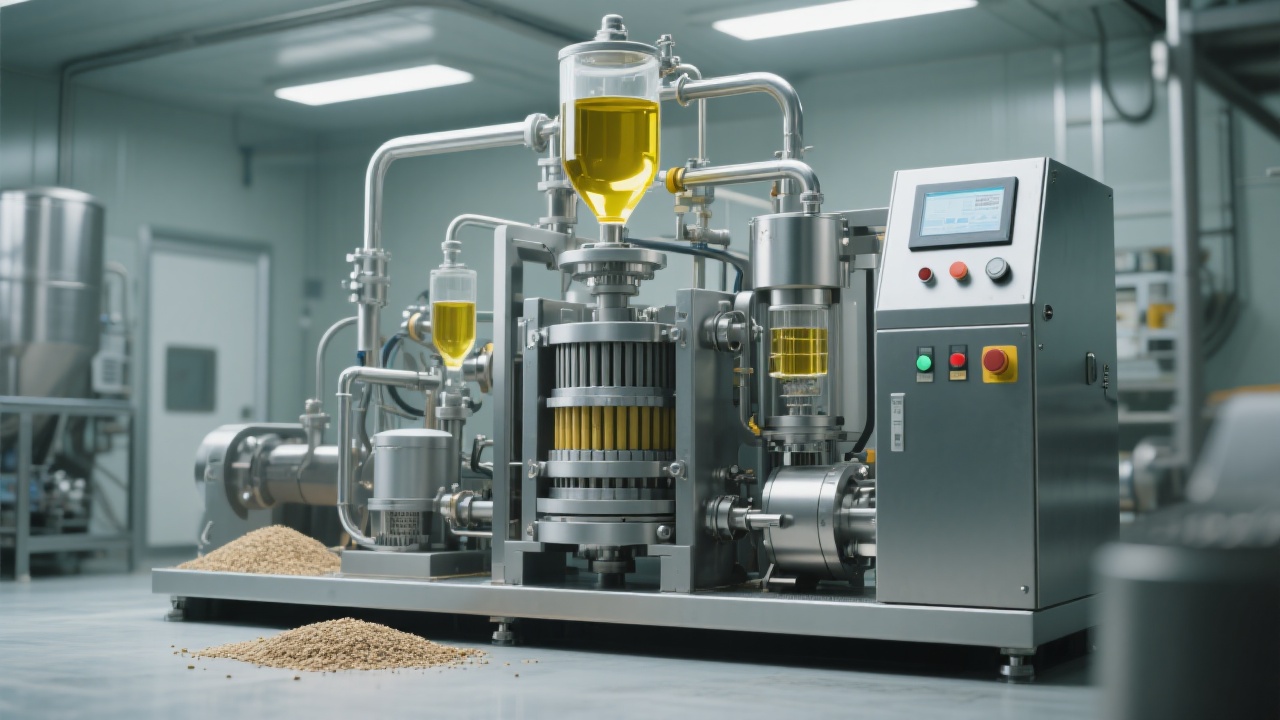
Deodorization is the final and crucial step in the refining process. It removes volatile compounds, such as odorous substances and some low - molecular - weight impurities, from the oil. High - temperature and low - pressure steam is usually used in the deodorization process. By strictly controlling the temperature, pressure, and steam flow, the deodorization effect can be optimized, and the quality and flavor of the oil can be improved.
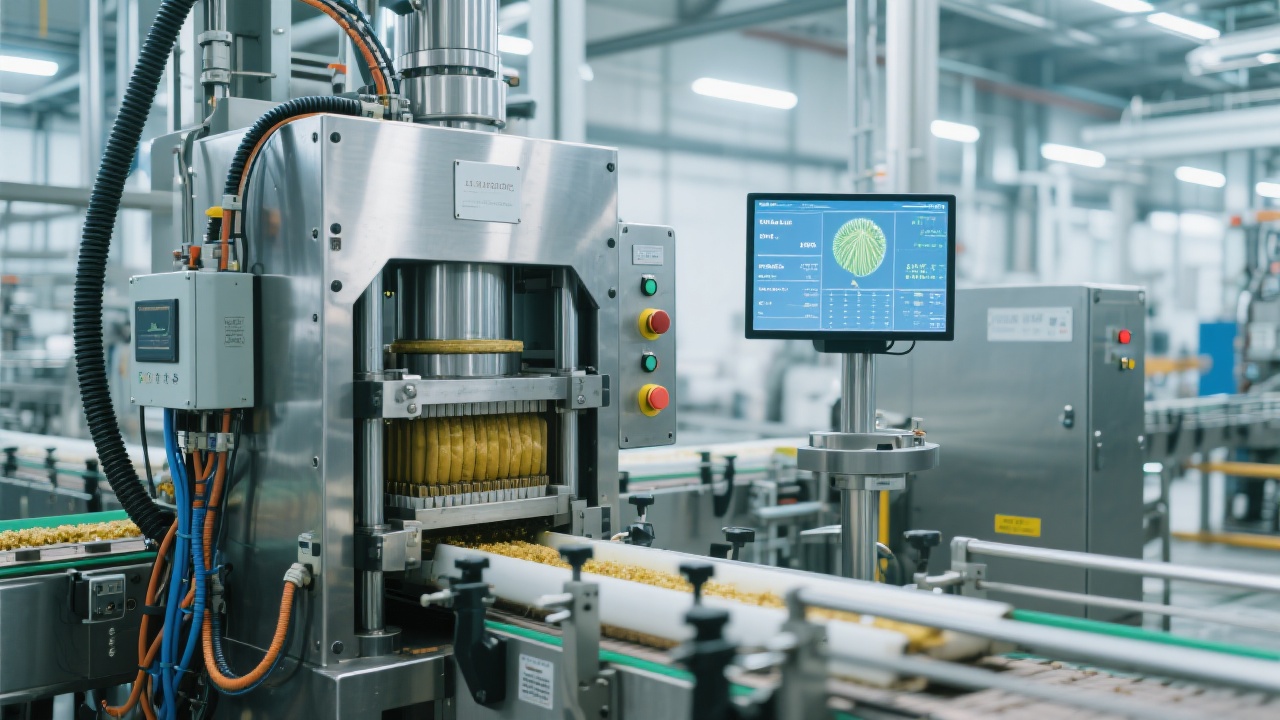
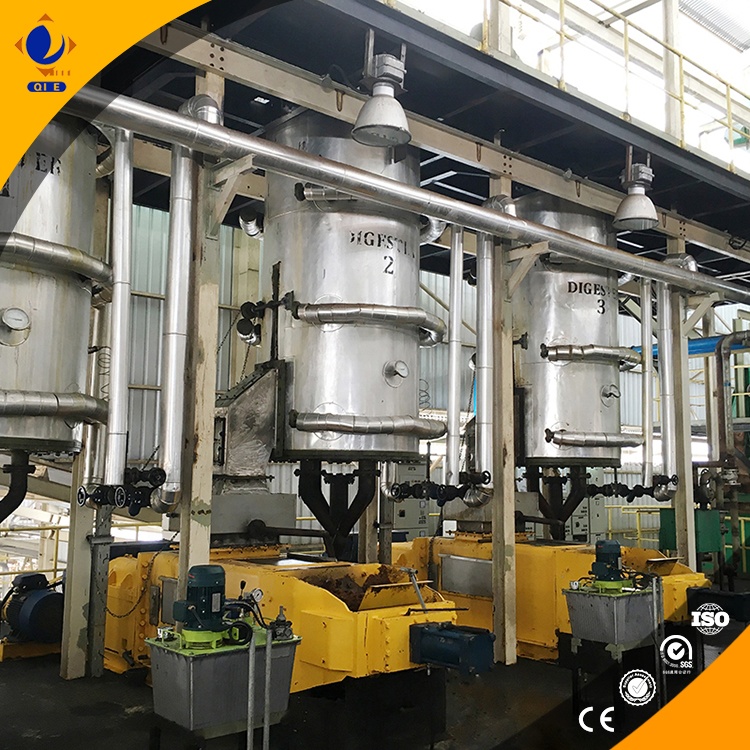
Screw pressing technology plays a vital role in improving the oil extraction rate. Through the continuous extrusion of the screw, the oil in the palm kernel can be effectively squeezed out. The design of the screw and the adjustment of the pressing parameters are the keys to improving the oil extraction rate. For example, by optimizing the screw pitch and compression ratio, the oil extraction rate can be increased by about 5 - 10% compared with traditional methods.
The automated intelligent control system ensures the stable operation of the equipment and the quality of the products. It can monitor and adjust key parameters in real - time, such as temperature, pressure, and flow rate, in each refining stage. By using this system, the production stability can be improved by about 15 - 20%, and the product quality can be more consistent.

Q: What is the optimal temperature for the bleaching process?
A: The optimal temperature for the bleaching process is usually between 90 - 110°C. However, this may vary depending on the type of bleaching agent and the quality of the oil.
Q: How can I improve the stability of the automated control system?
A: Regular maintenance and calibration of the sensors and control components are necessary. In addition, using high - quality equipment and software can also improve the stability of the system.
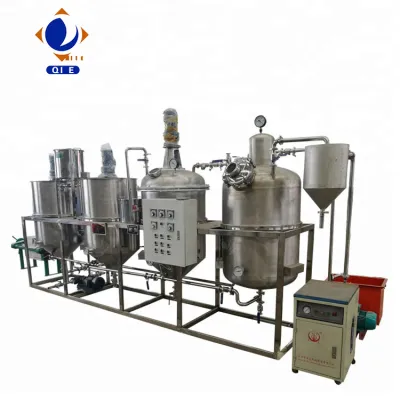
Our company's palm kernel oil refining equipment features advanced screw pressing technology and automated intelligent control systems, which can effectively improve the oil extraction rate, ensure product quality, and meet the high - standards of the industry. If you want to know how the automated control system can be adapted to different working conditions, welcome to further consult.
 212
|
212
|
 palm oil refining equipment
energy-efficient refining system
automated PLC control palm oil
palm oil refining equipment
energy-efficient refining system
automated PLC control palm oil
 225
|
palm oil refining equipment
efficient palm oil processing equipment
energy-saving and eco-friendly refining equipment
225
|
palm oil refining equipment
efficient palm oil processing equipment
energy-saving and eco-friendly refining equipment
 317
|
Palm oil refining equipment
Efficient palm oil processing equipment
Energy-saving and environmentally friendly palm oil equipment
299
|
palm oil refining equipment
energy-efficient oil processing
automated palm oil production
317
|
Palm oil refining equipment
Efficient palm oil processing equipment
Energy-saving and environmentally friendly palm oil equipment
299
|
palm oil refining equipment
energy-efficient oil processing
automated palm oil production
 53
|
PLC control palm oil pressing
automated oil extraction systems
palm oil production optimization
temperature and pressure regulation in oil pressing
smart palm oil processing technology
53
|
PLC control palm oil pressing
automated oil extraction systems
palm oil production optimization
temperature and pressure regulation in oil pressing
smart palm oil processing technology