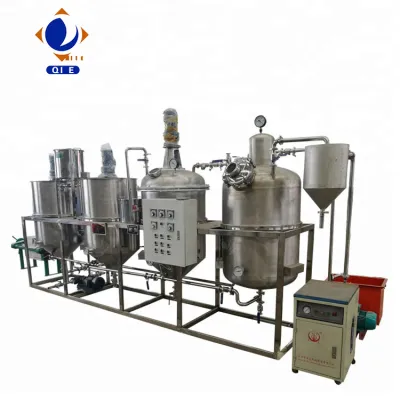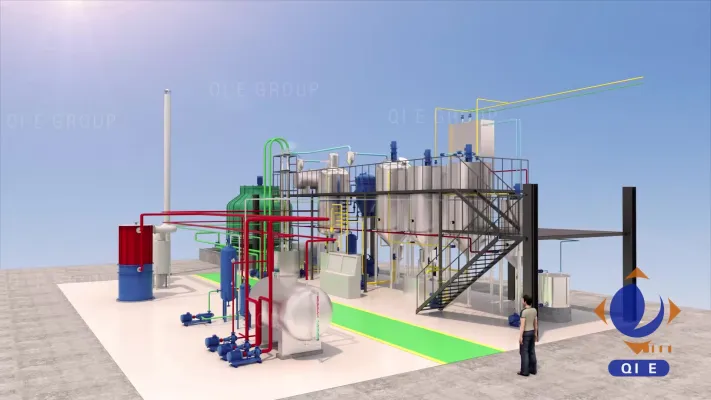
Palm kernel oil (PKO) remains a vital commodity in global edible oil markets. Securing consistently high export quality hinges on advanced refining technologies that optimize purity, yield, and compliance with international standards. This article delves into the critical refining stages of PKO production — from raw material pretreatment to deodorization — while spotlighting innovations like screw pressing and automation control that deliver tangible improvements in output and product integrity.
The PKO refining workflow encompasses a sequence of meticulously controlled steps, each playing a distinct role in removing impurities and stabilizing oil quality:
Each stage demands precise control; for example, excessive bleaching can degrade antioxidants, while inadequate degumming affects shelf life. Awareness of common pitfalls, such as incomplete phospholipid removal leading to haze in bottled oil, is essential for maintaining export-grade quality.
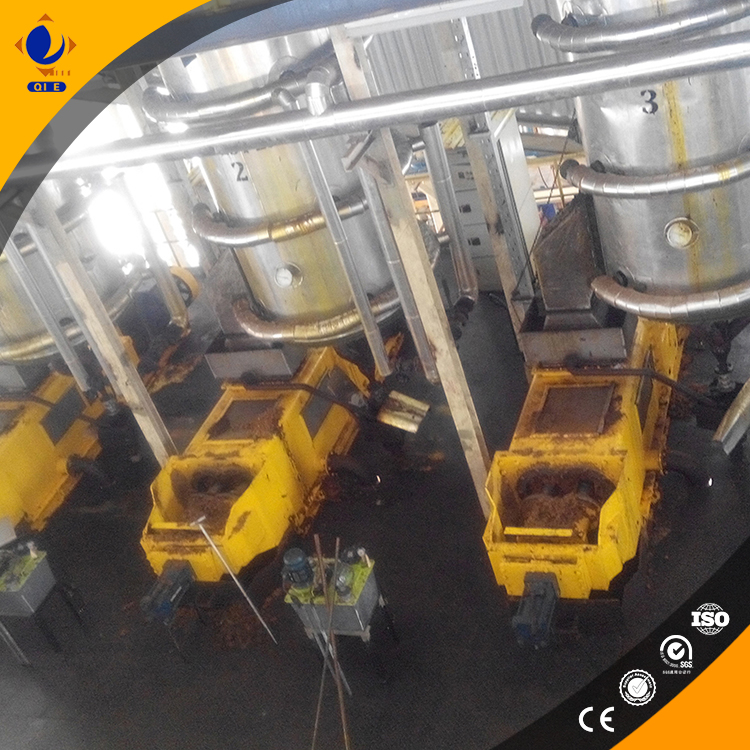
Advanced spiral screw pressing has revolutionized the mechanical extraction phase. Unlike conventional expellers, this technology applies progressively escalating pressure along the screw shaft, effectively maximizing oil expression while minimizing kernel damage. Case studies reveal up to a 7% increase in oil yield compared to traditional methods, reaching extraction efficiencies of approximately 45-50% of raw seed weight.
Moreover, reducing residual oil in the press cake results in lower downstream refining losses, contributing to overall process economics. Integration of temperature and pressure sensors with the screw press facilitates real-time parameter adjustments, ensuring stable throughput and quality.
Implementing intelligent oil refining automation systems is critical for consistent quality and energy efficiency. These systems continuously monitor key variables such as temperature, pH, flow rates, and vacuum levels across refining stages, executing precise control loops to minimize human error.
For instance, maintaining deodorization temperature within the optimal range (220-260°C) prevents formation of trans-fatty acids while ensuring odor suppression. Automated degumming dosing and agitation patterns prevent emulsification issues. As a result, the facility can achieve +/-2% variation in oil acidity post-neutralization, well within export specs.
Optimizing energy utilization without compromising food safety is a priority. Strategies include heat recovery from deodorizer condensate, variable frequency drives on pumps and compressors, and predictive maintenance to prevent unscheduled downtime.
Typically, state-of-the-art PKO refining plants operate with a specific energy consumption of 450-600 kWh per ton of oil processed. Continuous process optimization and equipment upgrades can reduce this by up to 15%, translating to significant cost and carbon footprint benefits.
"All refining parameters and final product quality must comply with GB 2716-2018 standards governing edible vegetable oils, which specify limits for acid value, peroxide value, impurity content, and contaminants to safeguard consumer health."
Ensuring adherence requires rigorous in-process testing and documentation, which also facilitates smoother export clearances in key markets such as the EU, US, and Southeast Asia.
Q1: Why is rapid cooling after neutralization important?
Rapid cooling stabilizes the oil by halting saponification and preventing reformation of free fatty acids, thereby maintaining low acidity.
Q2: How can residual impurities be effectively detected?
Utilizing spectrophotometric analysis and sedimentation testing during and post-bleaching can identify residual pigments and insolubles, informing process adjustments.
These knowledge-based interventions are vital for technological teams striving to elevate export product profiles.
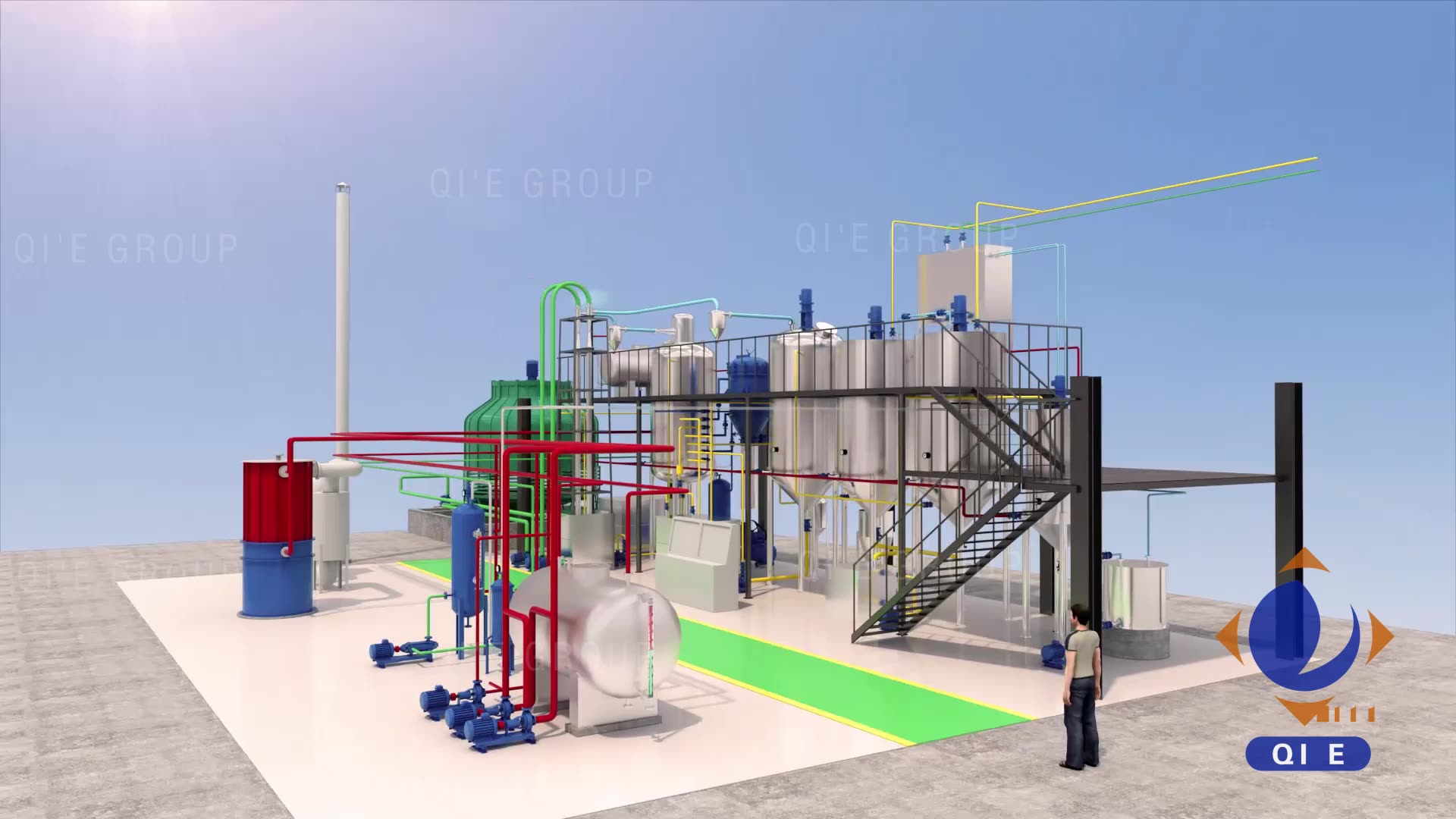
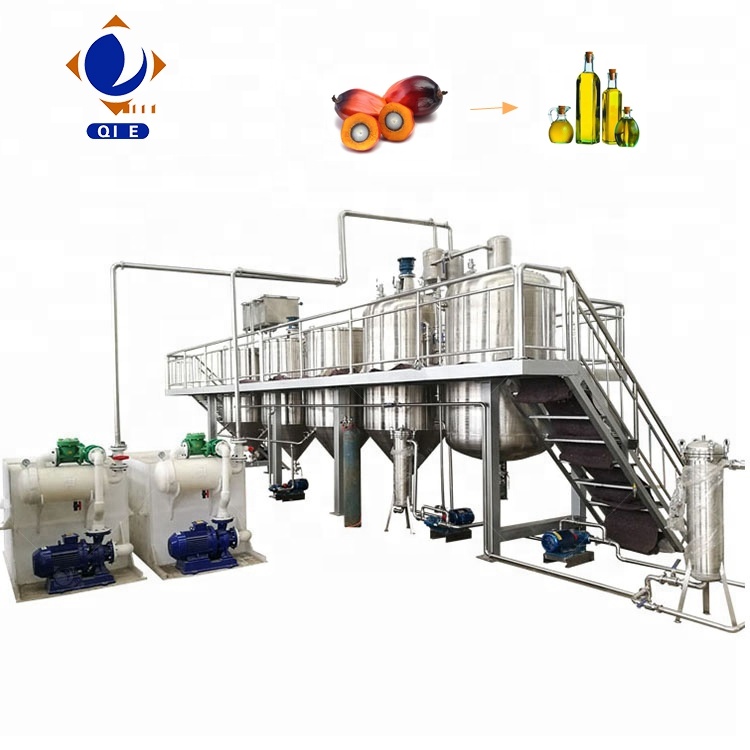
In practical terms, the Penguin brand 10 Tons/Day small-scale palm kernel oil refining equipment has been effectively deployed among multiple export-oriented enterprises, demonstrating robust performance in both yield improvement and consistent quality assurance.
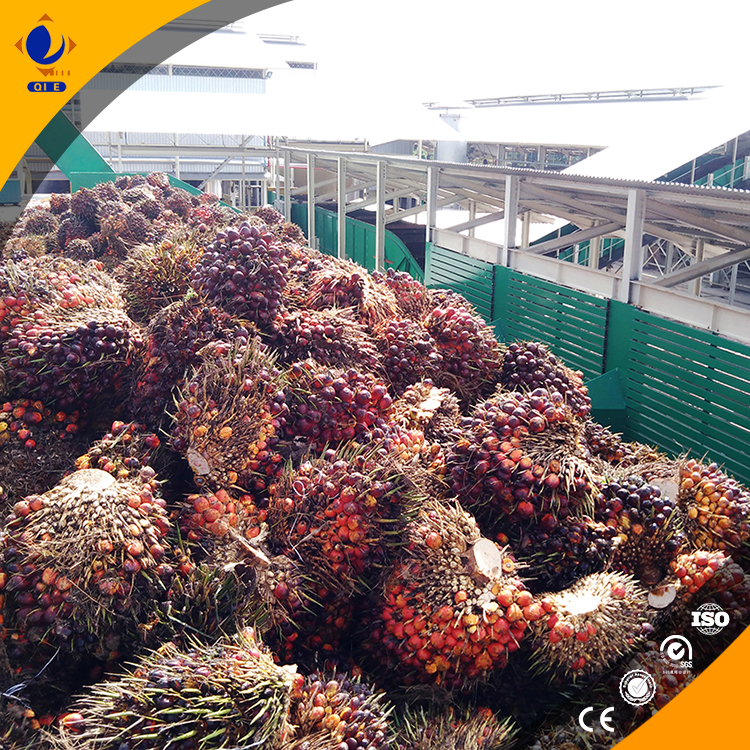
A trend toward digitalization is evident industry-wide, with smart control systems gaining adoption to enhance refining precision and operational efficiency, minimizing labor costs and maximizing uptime.

 361
|
361
|
 palm oil pressing equipment
steam cooking temperature optimization
South America palm fruit preprocessing
customized agricultural machinery
efficient palm oil extraction
palm oil pressing equipment
steam cooking temperature optimization
South America palm fruit preprocessing
customized agricultural machinery
efficient palm oil extraction
 31
|
palm kernel oil extraction equipment
low residual oil technology
solvent recovery system
energy-efficient oil processing
eco-friendly refining solutions
31
|
palm kernel oil extraction equipment
low residual oil technology
solvent recovery system
energy-efficient oil processing
eco-friendly refining solutions
 479
|
Automation control system
Palm oil pressing
PLC control
Energy saving and consumption reduction
Intelligent manufacturing
479
|
Automation control system
Palm oil pressing
PLC control
Energy saving and consumption reduction
Intelligent manufacturing
 287
|
palm oil refining equipment
high-efficiency refining systems
automated PLC control for palm oil processing
287
|
palm oil refining equipment
high-efficiency refining systems
automated PLC control for palm oil processing
 71
|
oilseed preprocessing technology
equipment for increasing edible oil yield
comprehensive service in oilseed processing
71
|
oilseed preprocessing technology
equipment for increasing edible oil yield
comprehensive service in oilseed processing