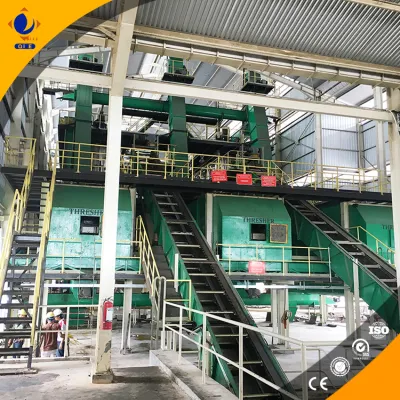
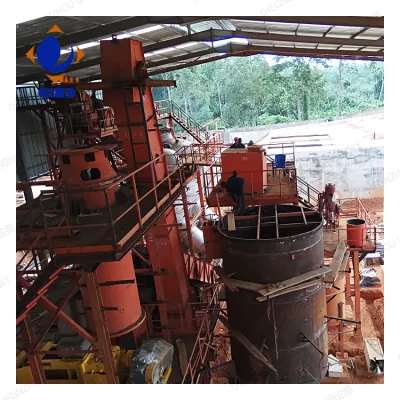
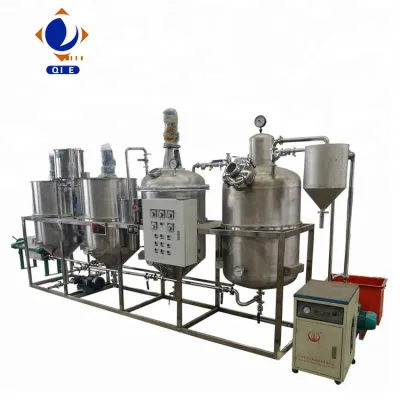
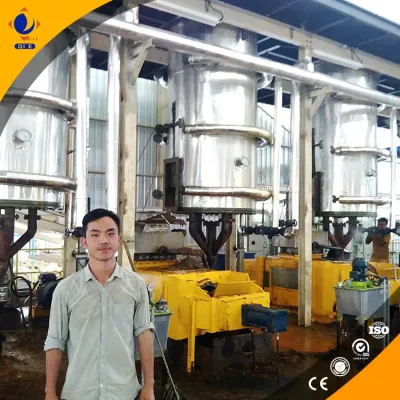
Selecting palm kernel oil extraction and refining equipment means matching the process to the raw material, production target, site utilities and operating team—not simply choosing a machine by capacity.
Qi'e Grain and Oil Machinery Co., Ltd. supplies palm kernel oil extraction and refining equipment, supported by equipment design, installation and technical support. This guide explains the practical checks that connect equipment selection with commissioning, preventive maintenance and troubleshooting.
Define the process first: palm kernel oil is extracted from the kernel, whereas palm oil is obtained from the fruit flesh. Equipment selection should therefore be based on palm kernel characteristics and the intended extraction and refining route.
Extraction recovers oil from prepared palm kernels; refining treats crude oil to achieve the agreed product specification. These are connected but distinct operations. Their capacities, storage arrangements and control requirements need to be coordinated.
Qi'e lists equipment capacity options from 5 to 500 tonnes per day. The applicable throughput basis and the capacity of each extraction or refining section should be confirmed in the project proposal.
Performance depends on feedstock, process configuration, operating conditions and measurement methods. A useful equipment specification states not only the target value, but also where it is measured and under which operating conditions.
| Parameter | Published equipment information | What to confirm for the project |
|---|---|---|
| Residual oil | ≤1% for the applicable extraction configuration | Material sampled, moisture basis, test method and agreed operating conditions |
| Solvent consumption | ≤2 kg/t for the applicable solvent-based process | Tonnage denominator, accounting period, system boundary and treatment of startup losses |
| Crude oil moisture and volatile matter | Identified as process quality-control parameters | Project-specific limits, sampling points and laboratory methods |
| Automation | Automatic control system | Control scope, instrumentation, alarms, interlocks and operator responsibilities |
These published figures are not unconditional guarantees for every feedstock or configuration. Establish project-specific acceptance criteria before purchase and verify them during agreed performance testing.
Qi'e provides design, installation and technical support. Confirm the agreed scope of commissioning assistance, operator training and acceptance testing in the supply agreement.
Build the maintenance schedule around manufacturer instructions, operating hours, feedstock abrasiveness and site conditions. Fixed intervals alone may not reveal developing wear or process instability.
Observe leaks, unusual noise, vibration, motor load and available temperature or pressure readings. Record throughput and oil-quality results so changes can be investigated against a known baseline.
Inspect wear parts, seals, bearings, drives, pumps and filtration components as applicable. Follow specified lubrication practices and arrange instrument checks through qualified personnel.
Keep service history, replacement-part details, alarm records and recurring fault notes. Use these records to plan shutdown work and identify critical spare parts.
A change in performance does not automatically indicate equipment failure. First compare feedstock condition, loading, utility supply and process records with the commissioned baseline.
For a new plant or an upgrade, share your raw material specification, target daily capacity, extraction route, required oil quality, site location and available utilities with Qi'e. For an existing line, include process drawings, equipment details and operating constraints.
Request the proposed equipment scope, utility requirements, automation details, maintenance documentation and applicable conformity records. Where CE, ISO 9001 or BV documentation is referenced, verify its scope and relevance to the supplied equipment or organization rather than treating the references as interchangeable approvals.
Explore Qi'e's palm kernel oil production line equipment and edible oil refining equipment as a starting point for a project-specific technical discussion.



 448
|
 Qi'e Grain and Oil Machinery grain and oil processing equipment project oil production line installation equipment commissioning service oil mill technical support
 155
|
Qi'e Group edible oil production line equipment oilseed pretreatment equipment oil pressing equipment edible oil refining equipment
 321
|
Qi'e Grain and Oil Machinery Co., Ltd. edible oil production line oil pressing equipment oil refining equipment palm oil refining plant
 437
|
Qi'e Grain and Oil Machinery Co., Ltd. integrated oil processing solutions oil production line equipment oil pressing equipment edible oil refining equipment
424
|
Qi'e Grain and Oil Machinery Co., Ltd. oil press procurement parameters edible oil equipment evaluation oil processing equipment capacity oil press after-sales service