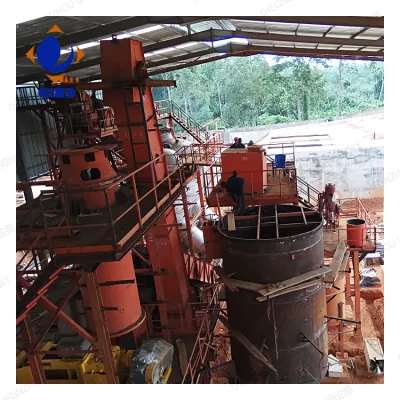
Automation in palm kernel oil processing should be evaluated by what the system measures, how it responds and how its performance is verified—not simply by whether a control panel includes a PLC. For procurement and technical teams, the key is to connect temperature and pressure control with extraction stability, residual oil testing and the quality of oil entering refining.
Qi'e Grain and Oil Machinery Co., Ltd. supplies palm kernel oil extraction and refining equipment with automated control, supported by equipment design, installation and technical services. Its stated capacity range is 5–500 tonnes per day; the applicable throughput basis, process route and automation scope should be confirmed for each project.
Core evaluation principle: online process measurements, laboratory residual oil testing and PLC control feedback perform different functions. An automated production line does not, by itself, establish that residual oil is measured continuously or adjusted through a direct closed-loop control system.
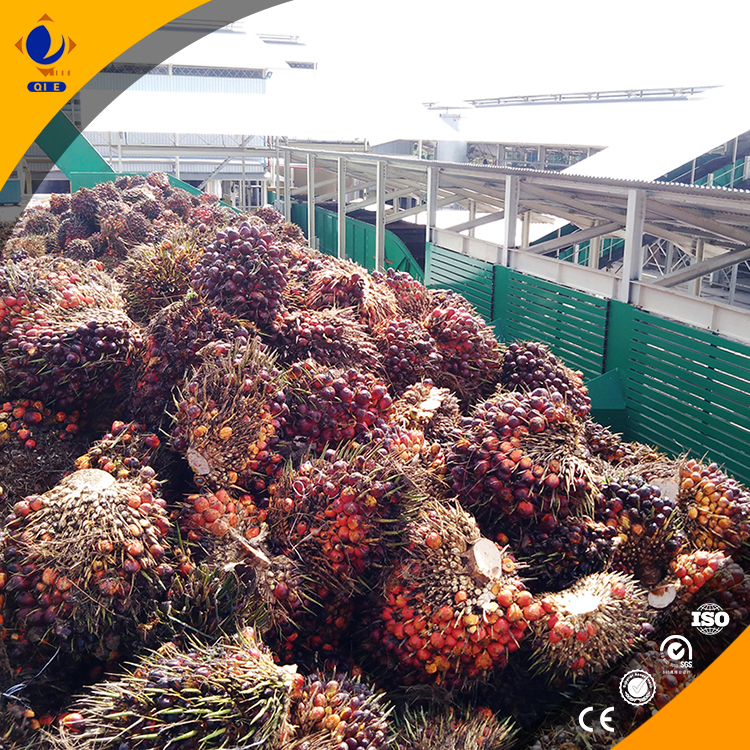
Palm kernel oil is obtained from the kernel rather than the fruit pulp. The equipment arrangement and control requirements therefore need to match the kernel feedstock and the selected extraction route. Mechanical pressing, solvent extraction where included, and downstream refining should not be treated as interchangeable operating stages.
Before comparing equipment proposals, establish whether the project covers extraction alone, refining alone or an integrated line. Then identify which preparation, separation, solvent recovery and refining operations are actually included. Solvent consumption is relevant only to a process configuration that uses solvent.
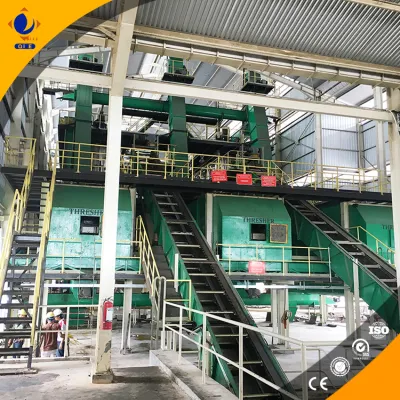
A useful automation review follows each measurement from the sensor to the controller and then to the device that changes the process. The following checks are evaluation criteria, not a statement that every listed function is included in every Qi'e configuration.
| Process area | Control questions | Evidence to request |
|---|---|---|
| Feed preparation and conditioning, where included | Where is temperature measured? How are heating and feed conditions adjusted when raw material characteristics change? | Sensor locations, control descriptions, operating limits and calibration records. |
| Extraction | Which temperatures, pressures or equipment-load signals are monitored? Which variables can the system adjust automatically? | Instrument list, control logic and operating trend records for the proposed route. |
| Solvent recovery, if applicable | How are relevant temperature and pressure conditions maintained? What happens on a utility failure or abnormal reading? | Process diagrams, alarm and interlock schedules, and applicable safety documentation. |
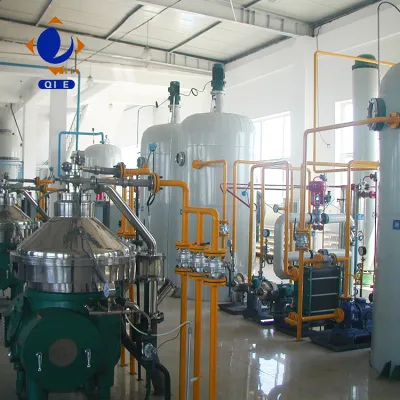
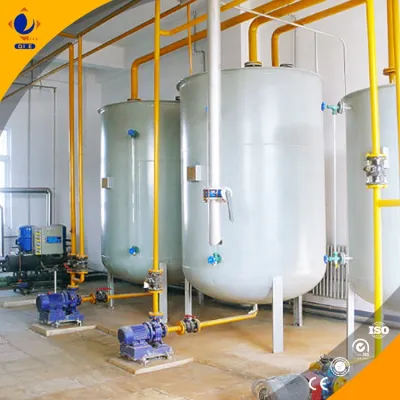
| Refining | Which selected refining stages require temperature or pressure control, including vacuum where applicable? | Stage-specific control ranges, instrument specifications and agreed oil quality tests. |
A displayed value is not necessarily a controlled value. Confirm whether each signal is used for indication, recording, alarm, automatic adjustment or a protective action. These functions should be documented separately.
Qi'e describes its palm kernel oil equipment as using automated control and identifies motors, pressure vessels, pumps and PLCs among the core components subject to testing. For a purchasing decision, assess their roles as an integrated system rather than relying on a component list.
Request a description of automatic sequences, manual operating modes, setpoint permissions, alarms and available data records. Confirm whether trend storage, event history and data export are included; these capabilities should not be assumed from the presence of a PLC.
Review motor duties and protection, pump operating requirements, and pressure-vessel design conditions where applicable. Ask how the system responds to overload, loss of flow, excessive temperature, abnormal pressure and sensor failure. Mechanical pressing load and pressure within a process vessel are different parameters and require different evaluation criteria.
Safety boundary: a standard PLC control function does not automatically constitute a safety-rated protection system. Confirm the required protective architecture, emergency-stop functions and applicable local requirements for the actual installation.
Residual oil testing evaluates oil remaining in the solid material after extraction. It is not the same as testing moisture or volatile matter in crude oil, and it should not be presented as a direct measure of refined oil quality.
Laboratory results introduce a delay between sampling and adjustment. If online residual oil measurement is required, request confirmation of the analyzer, calibration method, measurement limitations and PLC integration. Continuous temperature monitoring does not establish continuous residual oil detection.
Qi'e states residual oil of ≤1% and solvent consumption of ≤2 kg/t for its equipment offering. These figures should be assessed against the applicable extraction route and contractual test conditions, rather than treated as unconditional results for every configuration.
Extraction consistency also matters downstream: variation in crude oil feed can change the operating demands placed on refining. Assess extraction performance and refining acceptance together, while keeping their measurements and responsibilities distinct.
Qi'e references CE, ISO 9001 and BV in its product information. Request the actual supporting documents and check the holder, equipment coverage, applicable standards and validity. A quality management certificate, equipment conformity document and inspection report serve different purposes; none alone verifies every process-performance claim.
For projects in Asia, Africa or South America, site suitability should be checked against actual ambient conditions, electrical supply, utility availability and maintenance resources. Confirm component specifications, service access and spare-parts needs rather than assuming one configuration suits every location.
The project handover package should identify the agreed drawings, operating instructions, test records, maintenance requirements and technical support scope. Design and installation responsibilities should be clear before procurement is finalized.
To discuss a Qi'e palm kernel oil extraction and refining system, provide your target kernel throughput, feedstock characteristics, required oil specifications, preferred process route and site utility conditions. Include any requirements for data logging, laboratory testing, control-system interfaces and performance acceptance.
Explore the palm kernel oil production line equipment and edible oil refining equipment, then request a configuration review linking each proposed control function to a measurable operating or acceptance requirement.

 356
|
 Qi'e Grain and Oil Machinery Co., Ltd. automatic oil press oil press procurement small oil mill oil press technical parameters
 138
|
Qi'e Group oil processing equipment selection oil pressing production line vegetable oil solvent extraction equipment edible oil refining equipment
480
|
Qi'e Group grain and oil machinery equipment oil pressing equipment edible oil production line small palm oil refining plant
 74
|
Qi'e Grain and Oil Machinery Co., Ltd. palm kernel oil extraction and refining equipment equipment installation and commissioning preventive maintenance equipment troubleshooting
 321
|
Qi'e Grain and Oil Machinery Co., Ltd. edible oil production line oil pressing equipment oil refining equipment palm oil refining plant