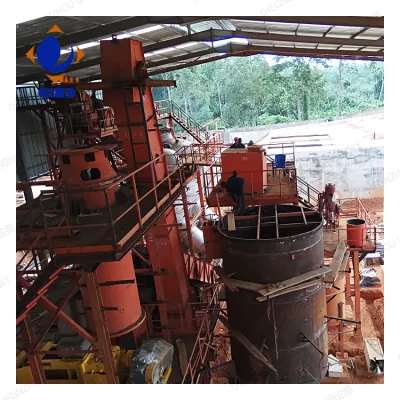
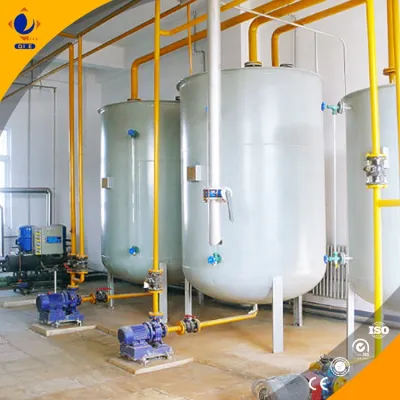
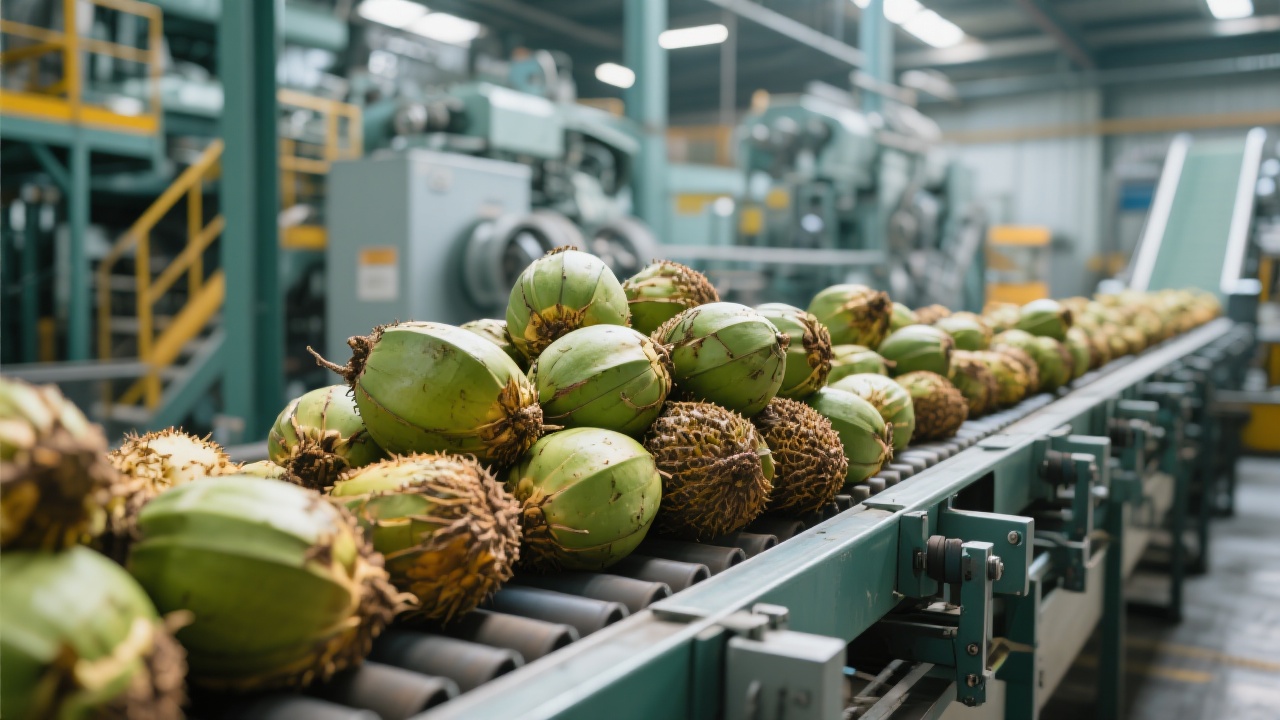
Assessing palm kernel oil extraction equipment requires more than checking whether a line has a PLC. Technical buyers need to establish which process variables are measured, how the control system responds, and how production results are verified.
Qi'e Grain and Oil Machinery Co., Ltd. supplies palm kernel oil extraction and refining equipment with automated control systems, supported by equipment design, installation and technical assistance. For procurement and commissioning, the key is to connect the proposed automation scope with the extraction route, feedstock conditions and agreed acceptance criteria.
Core assessment principle: temperature and pressure readings describe operating conditions; residual oil testing assesses an extraction outcome. Neither a PLC display nor a stable operating trend, by itself, proves the residual oil content of the discharged solids.
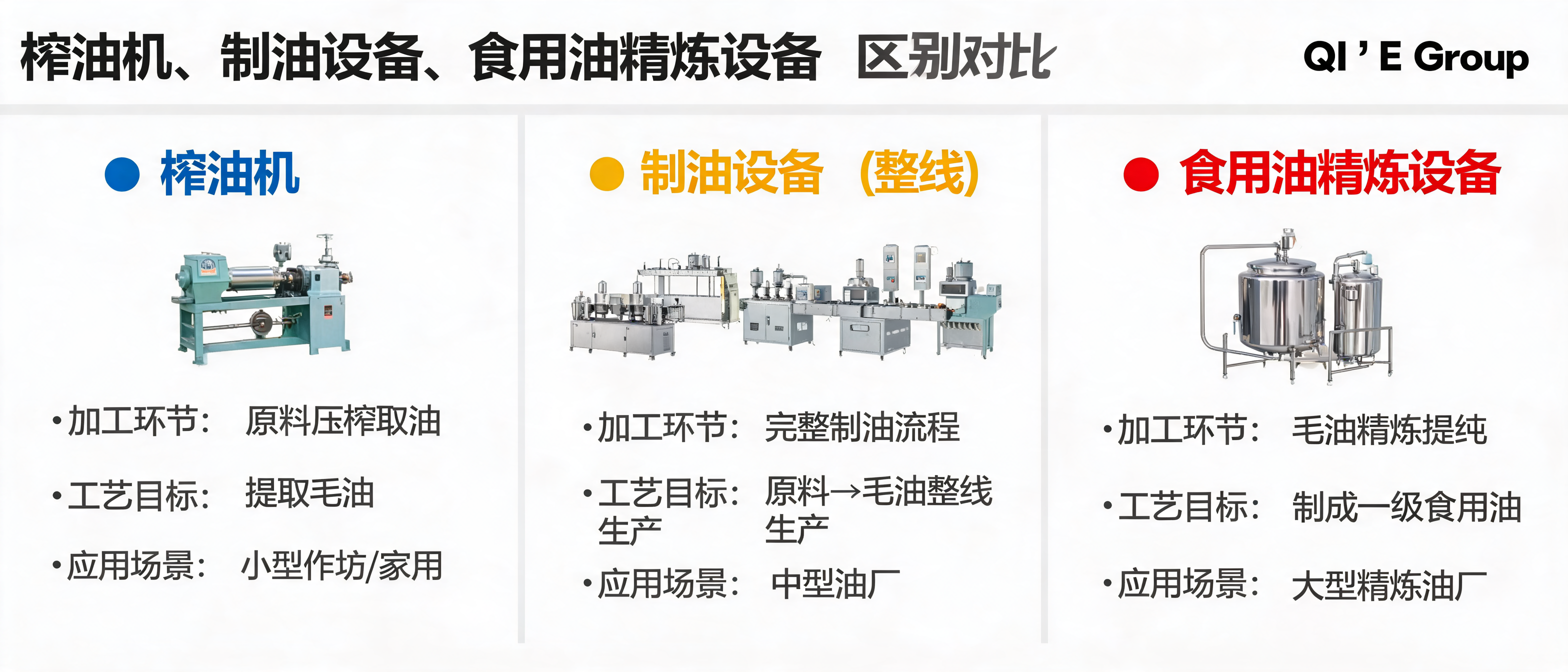
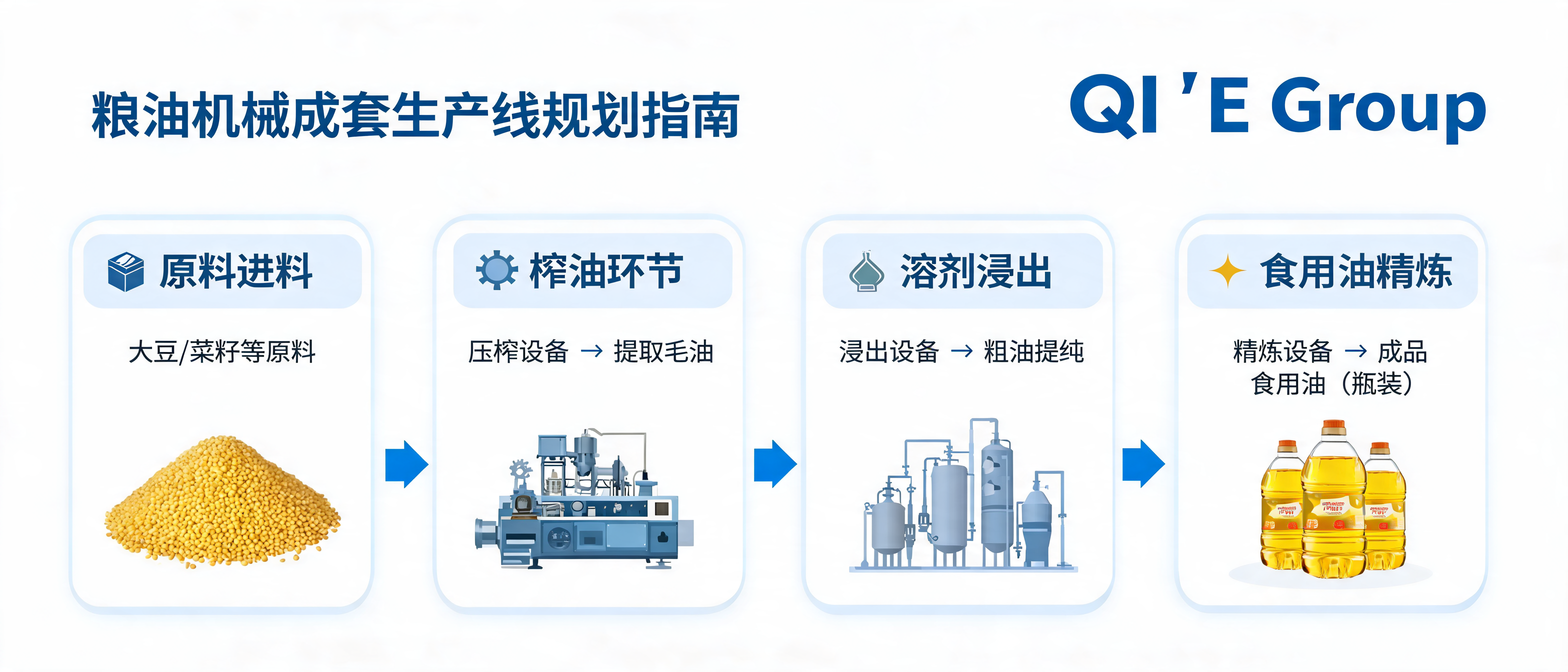
Palm kernel oil extraction and oil refining are connected but distinct operations. Extraction separates oil from the prepared kernel material; refining treats the resulting crude oil. Assessment criteria should identify which equipment and process stages are included rather than applying one performance figure to the entire plant.
Automatic temperature and pressure control should be evaluated as a complete chain: measurement, PLC decision, actuator response and verification. The following checks are procurement questions—not a statement that every proposed line includes every function.
| Assessment area | What to verify | Evidence to request |
|---|---|---|
| Temperature | Sensor locations, operating ranges, setpoint adjustment and the heating or cooling response, where applicable. | Instrument list, calibration records and a demonstration of control response. |
| Pressure | The pressure being measured, its process location, normal limits and the response to abnormal conditions. | Pressure-instrument details, alarm settings and applicable vessel safety documentation. |
| Motors and pumps | Start permissions, running feedback, protection functions and response to equipment faults. | Component records, control diagrams and functional test results. |
| PLC logic | Operating sequences, interlocks, manual/automatic transitions and restart conditions. | Control narrative, input/output list and witnessed sequence tests. |
| Production quality | Sampling points, test methods and the distinction between online readings and laboratory results. | Sampling procedure, test reports and agreed acceptance limits. |
Qi'e states residual oil of ≤1% and solvent consumption of ≤2 kg/t for its palm kernel oil extraction equipment offering. These figures require verification against the extraction route, feedstock, equipment configuration and test basis. They are not guarantees for every operating condition, and solvent consumption is relevant only where a solvent-based stage is included.
Before an acceptance run, agree on the discharged material to be tested, the sampling location, the sampling interval and the analytical method. State whether results are reported on a dry or as-received basis, and record the operating conditions associated with each sample.
Online monitoring and sample-based testing need separate configuration checks. Do not assume that the PLC measures residual oil directly. Ask whether any online quality instrument is included and how its readings will be validated against the agreed reference method.
For a solvent-based configuration, define what “per tonne” means, the measurement period and the solvent inventory accounting method. Clarify how startup, shutdown and inventory changes are treated so that the consumption result can be interpreted consistently.
Qi'e identifies motors, pressure vessels, pumps and PLCs as core components subject to testing and certification checks, and references CE, ISO 9001 and BV in its product information. Buyers should request the actual documents and confirm their scope, equipment identification and applicability to the supplied line. A certification reference alone does not establish the compliance or performance of every assembly.
For a useful equipment discussion, provide your target capacity, feedstock condition, preferred extraction route, required oil quality, site utilities and automation expectations. This helps align the proposed equipment design, installation scope and technical support with measurable acceptance requirements.
Explore Qi'e’s palm kernel oil production line equipment and request confirmation of the control scope, component documentation and performance test basis for your proposed configuration.
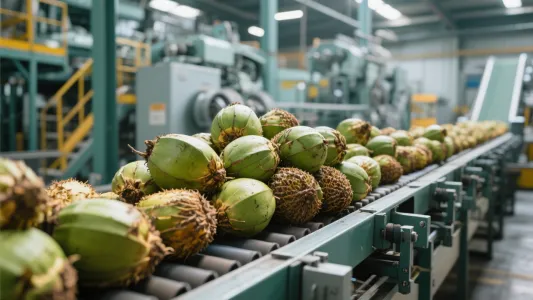
 359
|
 Qi'e palm kernel oil extraction and refining equipment energy and emissions assessment solvent consumption and residual oil control environmental compliance verification
 203
|
Qi'e Group complete grain and oil processing solutions oil pressing equipment edible oil refining equipment oil processing project
 359
|
Qi'e Grain and Oil Machinery oil processing equipment selection oil pressing equipment edible oil production line edible oil refining equipment
 259
|
Qi'e Group edible oil production line equipment oil pressing equipment vegetable oil solvent extraction equipment edible oil refining equipment
 371
|
Qi'e palm kernel oil extraction and refining equipment equipment installation and commissioning palm kernel oil equipment maintenance equipment troubleshooting