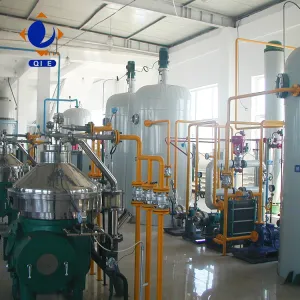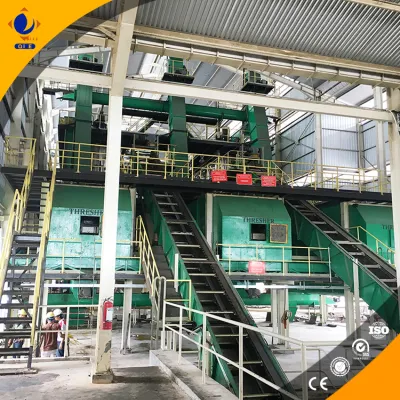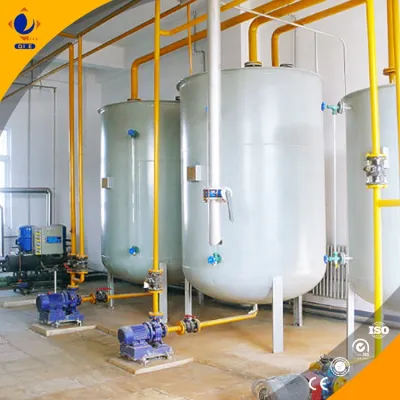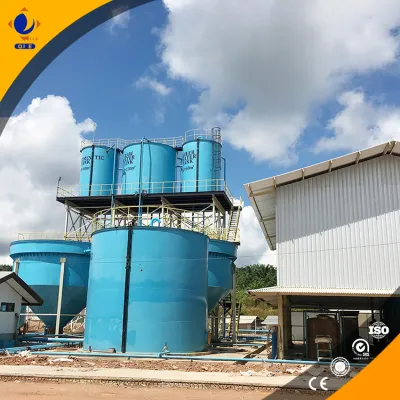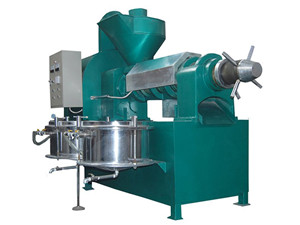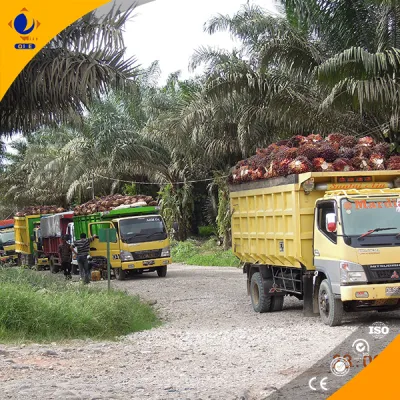
A one-stop palm kernel oil equipment solution should be evaluated as a complete production project—not simply a list of machines. Process suitability, installation acceptance, operator readiness and maintenance support all influence whether the equipment can meet the plant’s agreed operating requirements.
Qi'e Grain and Oil Machinery Co., Ltd. supplies palm kernel oil extraction and refining equipment, together with equipment design, installation and technical support. Its stated capacity range is 5–500 tonnes per day. Before selecting a configuration, confirm what that capacity measures, which process stages it covers and the feedstock and operating conditions used to establish it.
The evaluation principle: turn each equipment claim and service commitment into a defined requirement, a verification method and a documented deliverable. Agree these items before procurement rather than leaving them to commissioning.
Palm kernel oil is obtained from the kernel of the oil palm fruit; it is distinct from palm oil obtained from the fruit flesh. The proposed extraction and refining configuration should therefore match the actual kernel feedstock and the intended finished-oil specification.
For projects in Asia, Africa or South America, assess the actual installation environment rather than assuming that regional suitability alone establishes compatibility.
Qi'e’s product information states automated controls, wear-resistant key components, residual oil of ≤1% and solvent consumption of ≤2 kg/t. These figures and features should be reviewed against the selected configuration and agreed test conditions; they are not unconditional results for every feedstock or process.
| Item to evaluate | What to clarify | Evidence to request |
|---|---|---|
| Residual oil ≤1% | Applicable extraction stage, sampled material, reporting basis and feedstock conditions. | Agreed sampling procedure, test method and representative commissioning results. |
| Solvent consumption ≤2 kg/t | The tonne-based denominator, measurement period and treatment of initial filling or inventory changes. | Solvent inventory records and a consumption calculation for the agreed operating period. |
| Automated control | Which operations are automated and which require operator intervention. | Control descriptions and demonstrations of the agreed functions, alarms and interlocks. |
| Service life and energy use | Wear-part selection, maintenance requirements and the utility-consumption measurement boundary. | Component specifications, maintenance instructions and agreed operating records. |
| Certification documentation | The scope and applicability of the stated CE, ISO 9001 and BV documentation. | Relevant documents identifying the covered entity, equipment or component and their validity. |
Management-system certification, equipment conformity documentation and inspection reports serve different purposes. None replaces project-specific acceptance testing or local compliance review.
Separate installation completion from production-performance acceptance. A line can be mechanically installed without yet demonstrating the agreed throughput, oil quality or consumption figures.
Acceptance record: include the equipment configuration, feedstock description, test duration, measurement methods, results, deviations and authorized sign-off. This record also provides a baseline for later troubleshooting.
Automated controls support repeatable operation, but operators still need to understand process limits and abnormal conditions. Confirm the training scope with Qi'e as part of the project agreement rather than assuming it is included in every supply package.
Agree the training language, participants, materials and practical assessment method. Attendance alone should not be treated as evidence of competence for safety-critical work.
Wear-resistant components can support equipment life, but they do not eliminate inspection or replacement needs. Set maintenance intervals using the manufacturer’s instructions, duty cycle, feedstock condition and observed wear—not a universal schedule.
Record throughput, relevant temperatures and pressures, motor loading, oil-quality results and consumption data where applicable. Compare trends with the commissioning baseline under similar operating conditions.
Identify installed wear parts, seals, bearings and other service items. Confirm inspection criteria, replacement specifications, spare-part availability and procurement lead times before failures interrupt production.
Maintain a service history showing inspections, faults, parts replaced and authorized setting changes. This helps distinguish gradual wear from changes in feedstock, utilities or operating practice.
Use a consistent sequence: identify the symptom, record conditions, review possible causes, perform authorized checks and document the corrective action. The examples below are diagnostic starting points, not equipment-specific repair instructions.
Safety boundary: do not bypass protective interlocks or open, adjust or service energized, pressurized or solvent-containing equipment without the required authorization and procedures. Suspected solvent leakage requires the site’s approved emergency response, not routine operator troubleshooting.
Qi'e’s stated service scope includes design, installation and technical support. For a practical one-stop equipment solution, put the project-specific commitments in writing:
To discuss a suitable palm kernel oil production-line configuration with Qi'e, prepare your feedstock details, target throughput, finished-oil requirements, site utilities and preferred process route. These inputs provide a clear basis for equipment selection, acceptance criteria and ongoing maintenance support.

 490
|
 Qi'e Grain and Oil Machinery Co., Ltd. edible oil processing equipment oil pressing production line oil solvent extraction equipment edible oil refining equipment
 383
|
Qi'e Group grain and oil machinery equipment oil pressing equipment edible oil production line oil refining equipment
 185
|
Qi'e Group grain and oil machinery turnkey solutions oil pressing equipment edible oil production line edible oil refining equipment
367
|
Qi'e Group grain and oil machinery equipment oil pressing equipment edible oil production line edible oil refining equipment
 365
|
Qi'e Grain and Oil Machinery Co., Ltd. edible oil processing plant equipment oilseed preparation equipment oil pressing and extraction equipment palm oil refining equipment