https://shmuker.oss-cn-hangzhou.aliyuncs.com/data/oss/65b068c3c2e9735675cac322/65b46cb67cfeb5177346777c/20240426173741/未标题-1_画板%201.png

How to Assess Energy Use and Emissions in Palm Kernel Oil Extraction and Refining
2026-10-20
Qi'e Grain and Oil Machinery Co., Ltd.
Method Summary
Evaluate Qi'e palm kernel oil extraction and refining equipment through energy use, material losses, operating records and local environmental compliance checks.
How to Assess Energy Use and Emissions in Palm Kernel Oil Extraction and Refining

Assessing palm kernel oil extraction and refining equipment requires more than comparing installed power or headline consumption figures. Procurement and engineering teams need to connect the proposed process with utility demand, material losses, operating records and the environmental requirements of the installation site.

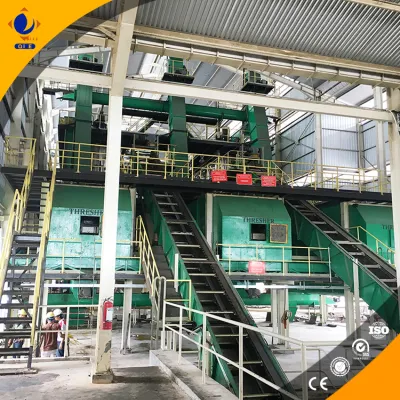
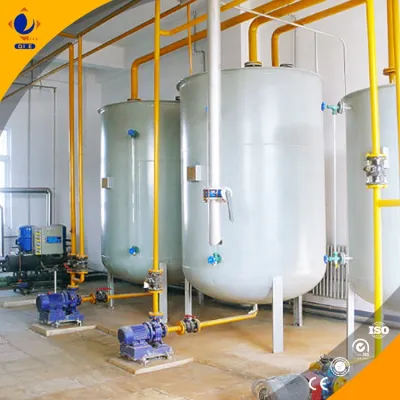
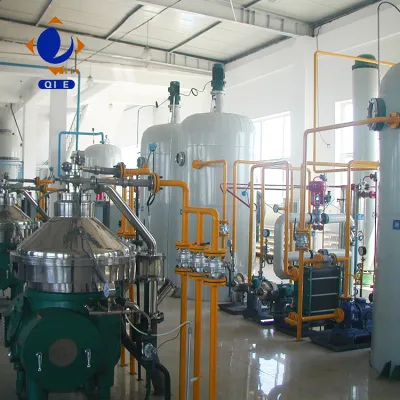
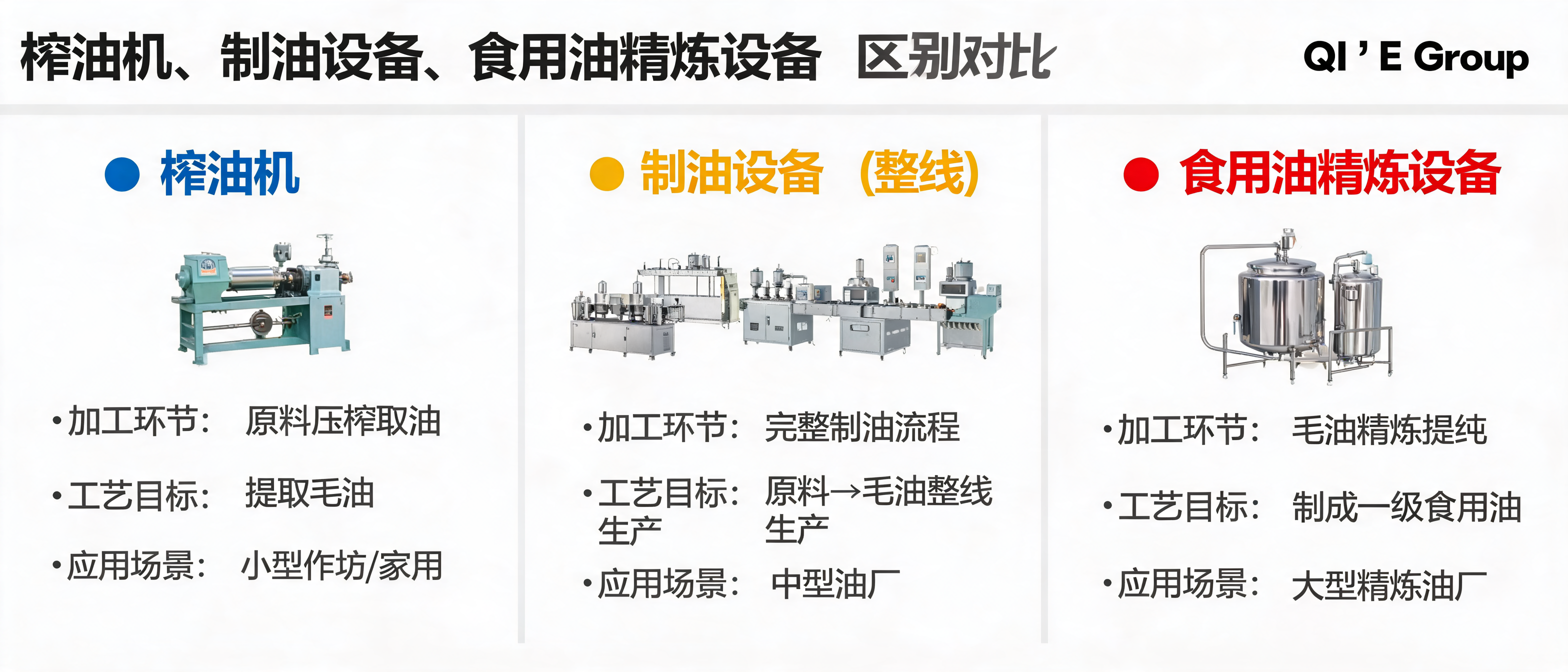
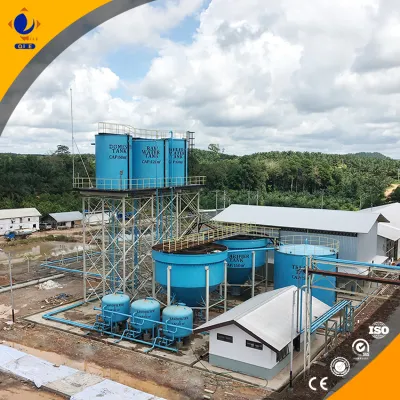
Qi'e Grain and Oil Machinery Co., Ltd. supplies palm kernel oil extraction and refining equipment with automated controls, alongside equipment design, installation and technical support. Its stated capacity range is 5–500 tonnes per day; the applicable feed basis, process scope and operating schedule should be confirmed for each proposal.

Define the process boundary before comparing performance

Palm kernel oil is obtained from the kernel, rather than the fruit mesocarp used for palm oil production. An assessment should therefore use the actual palm kernel feedstock and the proposed extraction and refining route—not figures from a different raw material or process.

  • Confirm the configuration: identify whether the quotation covers mechanical pressing, solvent extraction, refining, or an integrated line. Solvent-related indicators apply only where solvent extraction is included.
  • Set the measurement boundary: specify whether utilities cover individual machines, the process line, or supporting systems such as steam generation, cooling and compressed air.
  • Agree on throughput: distinguish tonnes of kernels processed from tonnes of crude or refined oil produced, and define operating hours per day.
  • Record feedstock and product conditions: document kernel moisture and oil content separately from crude oil moisture, volatile matter and final product requirements.

Measure energy use and material losses together

A lower utility reading is not necessarily an improvement if throughput, oil recovery or product quality has changed. Review energy consumption alongside material balances and output quality over the same reporting period.

Assessment area What to record How to make the result comparable
Electricity Metered electricity, operating hours and actual throughput. Report kWh per tonne on an agreed feed or product basis; identify included auxiliary equipment.
Thermal energy Steam or fuel consumption and relevant supply conditions, where applicable. State the unit, production denominator and whether utility-generation losses are included.
Oil recovery Feed oil content, recovered oil and residual oil in the relevant solid output. Agree on the sampling method, laboratory method and moisture basis.
Solvent consumption Solvent additions, opening and closing inventories, and throughput for solvent-extraction configurations. Define kg/t explicitly and reconcile inventory changes over the reporting period.
Oil quality Crude oil moisture and volatile matter, plus agreed refined oil quality parameters. Use defined sample points and test methods; keep these results separate from feedstock moisture.

Interpret residual oil and solvent figures correctly

Qi'e states residual oil ≤1% and solvent consumption ≤2 kg/t as performance indicators for relevant solvent-extraction configurations. These figures should not be treated as unconditional guarantees for every feedstock, capacity or operating condition.

Before using either figure in procurement scoring or operating-cost calculations, request confirmation of:

  • The test material, its preparation and the equipment configuration.
  • The sampled solid stream and wet- or dry-matter basis for residual oil.
  • The denominator represented by “t” in solvent consumption.
  • The test duration, throughput, inventory adjustments and treatment of start-up and shutdown periods.

Important distinction: solvent consumption is a material-loss indicator, not a direct measurement of atmospheric emissions. Emission quantities require an appropriate assessment or measurement method.

Check emissions and environmental obligations at the project site

Environmental requirements depend on the country, location, process route, utilities and discharge arrangements. Map the proposed installation against local requirements before finalizing the equipment scope.

  • Air emissions: identify potential sources associated with material handling, thermal utilities and, where applicable, solvent use. Confirm required capture, treatment, monitoring and permitting arrangements.
  • Water and effluent: identify process and cleaning streams, expected characteristics, treatment responsibilities and permitted discharge or reuse conditions.
  • Solid residues: establish handling and destination requirements for process residues and spent materials generated by the selected refining route.
  • Noise and maintenance: consider site boundaries, working areas, equipment condition and inspection requirements.
  • Greenhouse gas accounting: if required, calculate energy-related emissions using measured consumption and documented, applicable emission factors—not motor ratings alone.

Review certificates for their issuing body, validity, scope and covered equipment. ISO 9001 concerns quality management; it does not establish project environmental compliance. CE-related documentation and BV-issued documents should likewise be reviewed for their specific scope rather than treated as blanket environmental approval.

Use operating records to verify the proposed performance

Qi'e specifies automated controls for its palm kernel oil equipment. During technical review, confirm which process variables are measured, which records can be retained and which additional meters are needed for acceptance testing.

  1. Agree on a test protocol. Define feedstock, throughput, product quality, measurement boundaries and acceptance criteria before commissioning.
  2. Collect synchronized records. Align utility readings, feed and output weights, laboratory results, control-system records and maintenance logs.
  3. Reconcile the material balance. Investigate unexplained differences before attributing them to oil recovery or solvent loss.
  4. Assess representative operation. Separate stable production from start-up, shutdown and abnormal events, while retaining those events when evaluating whole-period operating costs.

Prepare a project-specific technical review with Qi'e

For a meaningful equipment assessment, provide your installation location, target daily throughput, palm kernel specifications, required oil quality, available utilities and intended extraction route. Include applicable environmental limits or permit conditions where available.

These inputs support discussion of the palm kernel oil production line configuration, design and installation scope, technical support responsibilities and performance-verification requirements. The objective is a clearly defined proposal with measurable operating criteria—not a comparison based on isolated efficiency claims.

Recommended Products
Related Reading
How to Assess Energy Use and Emissions in Palm Kernel Oil Extraction and Refining
2026-09-27 | How to Assess Energy Use and Emissions in Palm Kernel Oil Extraction and Refining 138 | How to Assess Energy Use and Emissions in Palm Kernel Oil Extraction and Refining Qi'e Group oil processing equipment selection oil pressing production line vegetable oil solvent extraction equipment edible oil refining equipment
How to Assess Energy Use and Emissions in Palm Kernel Oil Extraction and Refining
2026-10-16 | How to Assess Energy Use and Emissions in Palm Kernel Oil Extraction and Refining 234 | How to Assess Energy Use and Emissions in Palm Kernel Oil Extraction and Refining Qi'e palm kernel oil extraction process automatic temperature control pressure regulation and residual oil testing palm kernel oil automation systems
How to Assess Energy Use and Emissions in Palm Kernel Oil Extraction and Refining
2026-09-22 | How to Assess Energy Use and Emissions in Palm Kernel Oil Extraction and Refining 207 | How to Assess Energy Use and Emissions in Palm Kernel Oil Extraction and Refining Qi'e Group edible oil processing line oil pressing equipment selection oil solvent extraction equipment edible oil refining equipment

img
2026-09-30 | How to Assess Energy Use and Emissions in Palm Kernel Oil Extraction and Refining 471 | How to Assess Energy Use and Emissions in Palm Kernel Oil Extraction and Refining Qi'e Group small palm oil refinery maintenance 1-50 TPD palm oil refining equipment PLC fault troubleshooting palm oil refinery safety maintenance
img
2026-09-06 | How to Assess Energy Use and Emissions in Palm Kernel Oil Extraction and Refining 174 | How to Assess Energy Use and Emissions in Palm Kernel Oil Extraction and Refining Qi'e Grain and Oil Machinery Co., Ltd. grain and oil machinery oil pressing production line edible oil refining equipment mini palm oil refining equipment
Hot Products
How to Assess Energy Use and Emissions in Palm Kernel Oil Extraction and Refining
Popular articles
Recommended Reading
Contact us
Contact us
https://shmuker.oss-cn-hangzhou.aliyuncs.com/tmp/temporary/60ec5bd7f8d5a86c84ef79f2/60ec5bdcf8d5a86c84ef7a9a/thumb-prev.png