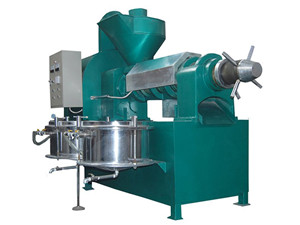
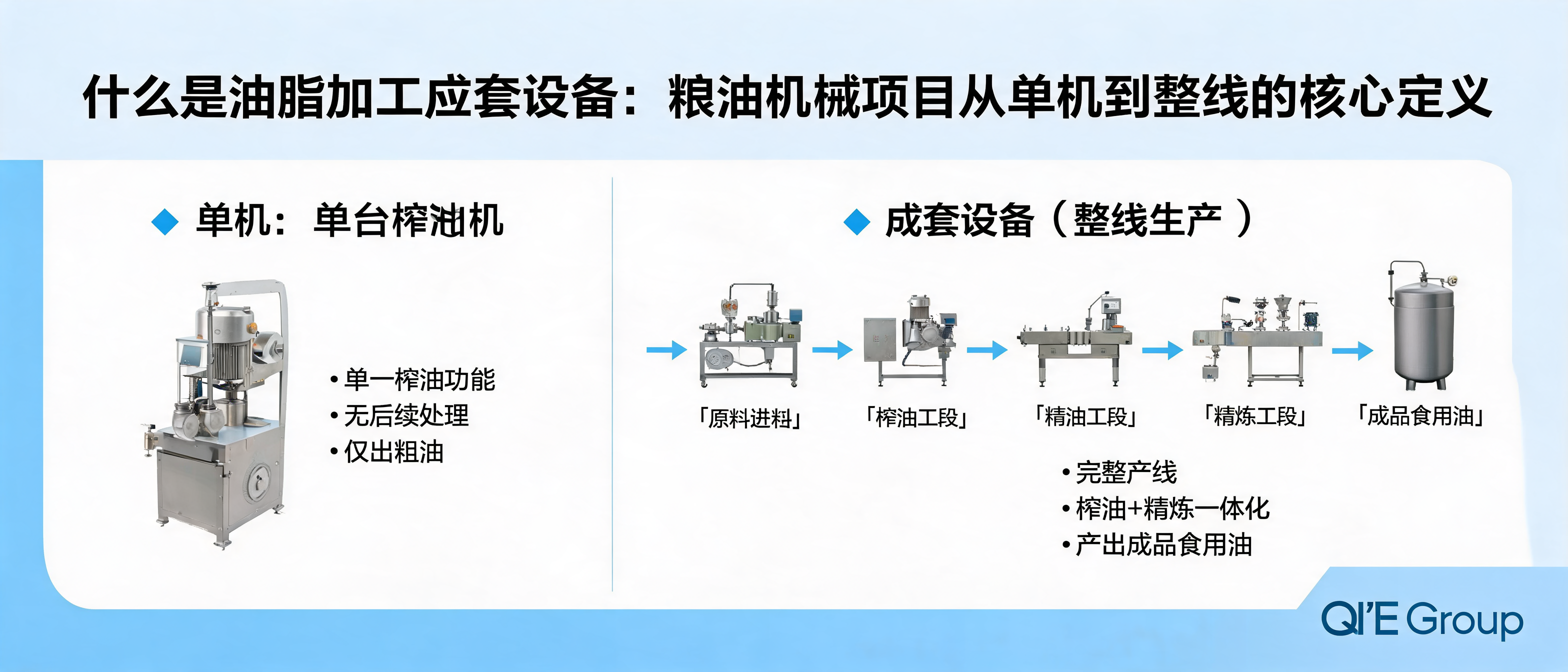
Assessing palm kernel oil extraction and refining equipment requires more than comparing rated capacity or headline consumption figures. A useful evaluation connects feedstock quality, process configuration, energy use, solvent accounting and operating records—with environmental compliance checked separately against the rules applicable to the project site.
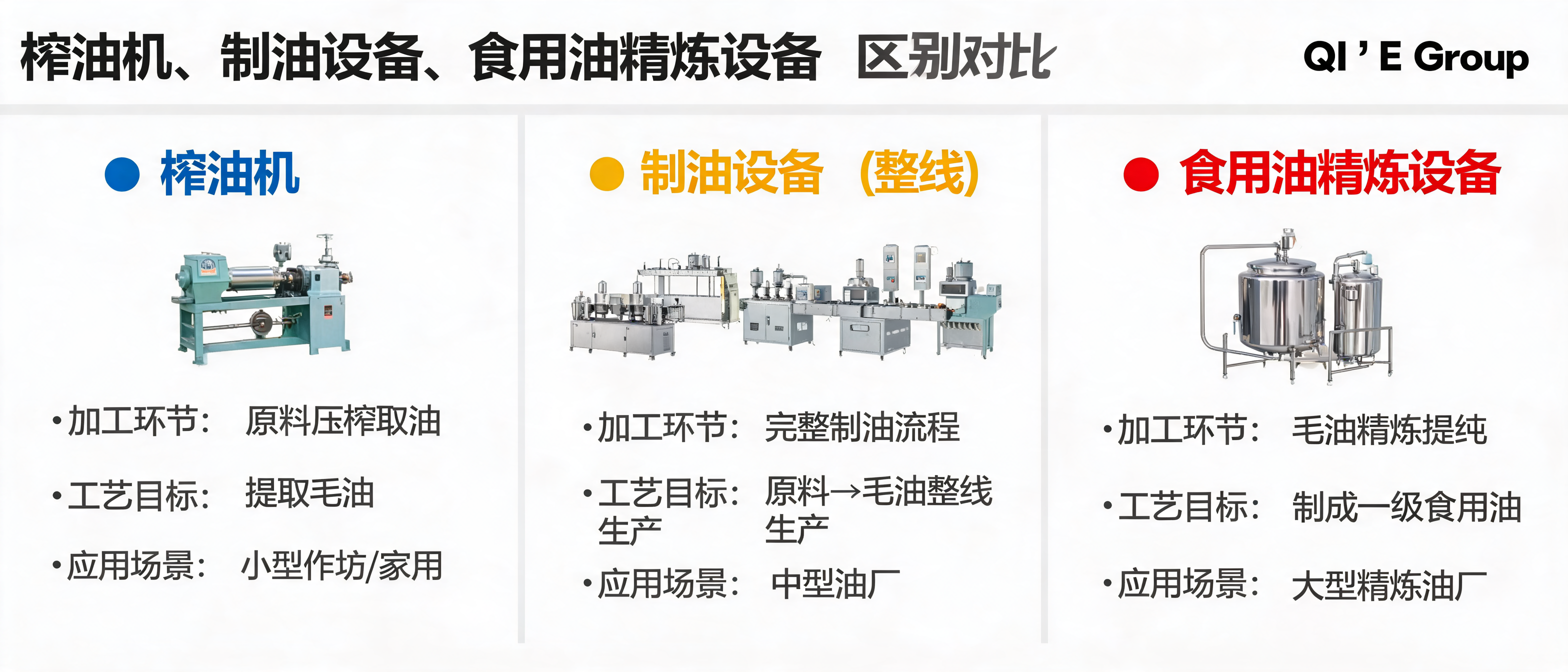
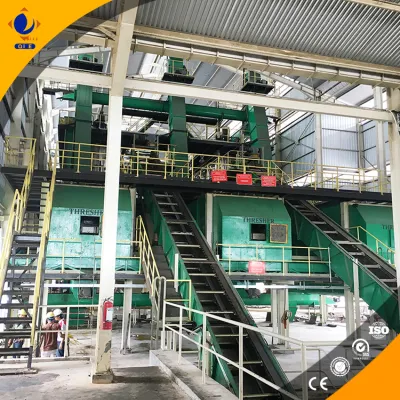
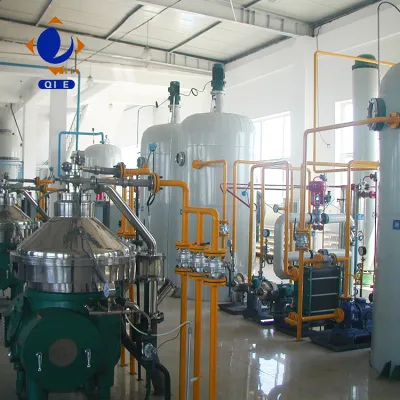
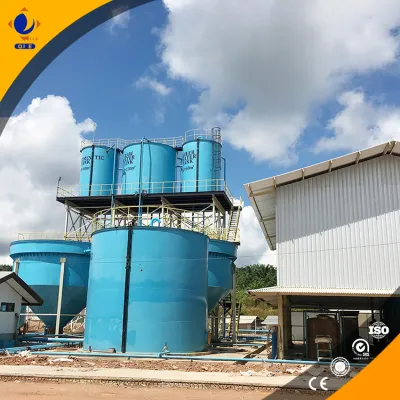
Qi'e Grain and Oil Machinery Co., Ltd. supplies palm kernel oil extraction and refining equipment for projects with stated capacities of 5–500 tonnes per day, together with equipment design, installation and technical support. The selected configuration and capacity basis should be confirmed for each project.
Palm kernel oil is extracted from the kernel of the oil palm fruit, rather than from the fruit flesh used to produce palm oil. The assessment should therefore use feedstock and operating data specific to palm kernel processing.
Extraction and refining also have different measurement boundaries. Extraction performance concerns oil recovery and, where solvent extraction is included, solvent use and recovery. Refining performance concerns crude-oil treatment, utility requirements and finished-oil specifications. Combining these stages into one consumption figure can obscure where losses or additional energy demand occur.
Variations in kernel moisture, impurities and preparation can affect processing conditions and make performance comparisons unreliable. Record representative incoming-kernel samples and the preparation conditions used during each evaluation period. For crude oil entering refining, record moisture and volatile matter against the agreed incoming-oil specification.
These controls help distinguish equipment-related performance changes from changes caused by the material being processed. A trial using unusually favorable feedstock should not be treated as representative of all future production.
Measure electricity and thermal inputs separately. Where steam, fuel or cooling systems serve several process sections, document how their consumption is allocated. Report energy use against a defined throughput basis and compare periods with similar feedstock, loading and product requirements.
Useful operating records include:
Qi'e's product information states residual oil of ≤1% and solvent consumption of ≤2 kg per tonne. These figures require verification against the selected process, feedstock quality, operating conditions and agreed measurement boundaries. Solvent-related criteria apply only where the configuration includes solvent extraction.
| Assessment item | What to establish | Evidence to review |
|---|---|---|
| Residual oil ≤1% | The sampled material, wet or dry reporting basis, sampling method and applicable operating conditions. | Representative cake or meal test results, feedstock records and corresponding throughput data. |
| Solvent consumption ≤2 kg/t | The tonne basis, accounting period and treatment of initial filling, inventory changes and abnormal losses. | Solvent additions, opening and closing inventories, throughput and maintenance records. |
| Energy performance | The included equipment and utilities, operating load and denominator used for specific consumption. | Meter readings, utility records and production data covering the same period. |
A low residual-oil result does not establish low energy use. Likewise, low solvent consumption does not by itself establish compliance with an air-emission limit.
The equipment is described as using automated control. During technical review, confirm which process variables are monitored, which alarms and interlocks are included, and whether operating data can be retained for performance verification. Automation supports consistent operation, but it does not replace instrument calibration, operator training or maintenance.
For a solvent-extraction configuration, review sealing, condensation and solvent-recovery arrangements in the proposed design. Confirm their utility requirements, inspection access and monitoring provisions rather than assuming that every configuration includes the same recovery equipment.
Where CE, ISO 9001 or BV-related documentation is supplied, check its scope and applicability to the equipment or organization concerned. Such documentation does not replace site-specific operating approvals or environmental verification.
Environmental requirements depend on the installation location, process route, utilities and discharge arrangements. Identify applicable permits, emission limits and testing requirements before finalizing the plant design.
Depending on the configuration, the review may need to address solvent-related air emissions, combustion emissions from thermal utilities, wastewater, process residues and noise. Use the monitoring methods required by the relevant authority; a solvent balance can support an investigation, but it is not a substitute for required emissions testing.
For a productive discussion with Qi'e, provide your target daily capacity, kernel characteristics, intended extraction route, refining requirements, available utilities and installation location. These details establish the basis for equipment selection, utility assessment and commissioning criteria.
Explore the palm kernel oil production line equipment and request a review of the proposed process boundaries, supporting documentation and operating-verification plan. The aim is to select a configuration whose performance can be measured under your actual production conditions.



 356
|
 Qi'e Grain and Oil Machinery Co., Ltd. automatic oil press oil press procurement small oil mill oil press technical parameters
 309
|
Qi'e Group complete grain and oil machinery solutions oil processing production line oil pressing equipment edible oil refining equipment
68
|
edible oil production line oilseed processing equipment oil pressing equipment edible oil refining Qi'e Grain and Oil Machinery
383
|
Qi'e Group grain and oil machinery equipment oil pressing equipment edible oil production line oil refining equipment
 359
|
Qi'e Grain and Oil Machinery oil processing equipment selection oil pressing equipment edible oil production line edible oil refining equipment