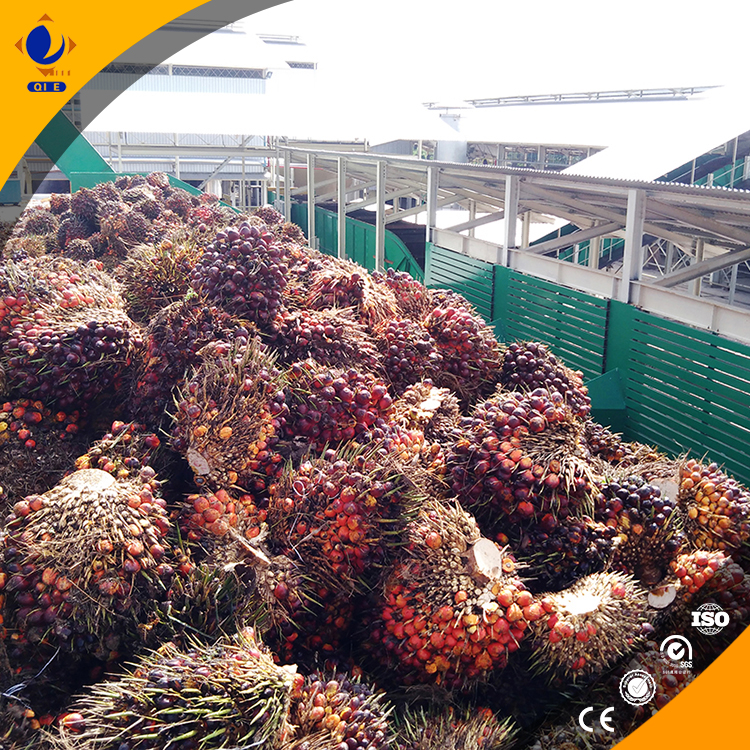
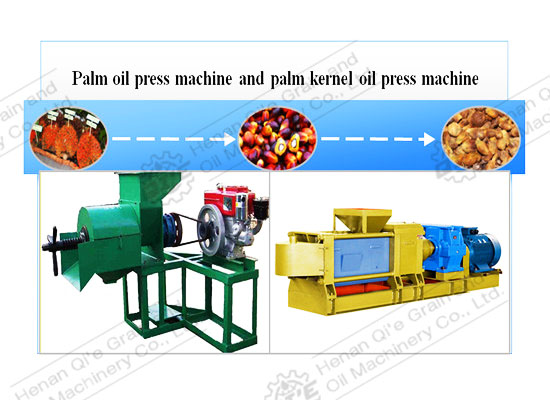
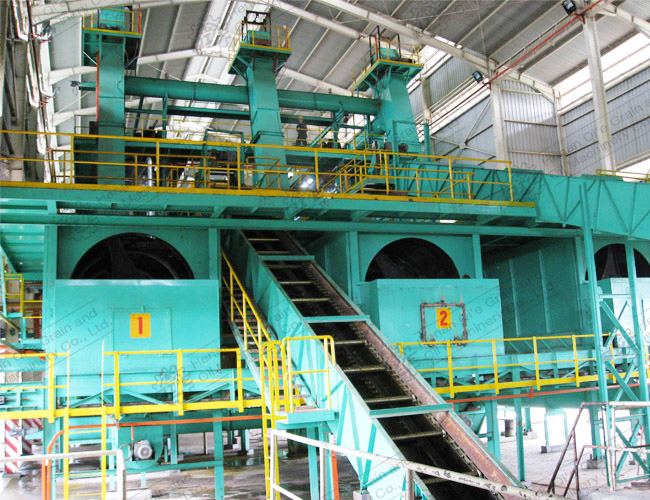
The palm oil industry across Asia is no stranger to the complexities posed by high humidity conditions during the pre-treatment phase of palm fruits. Particularly, challenges such as ineffective washing, reduced steaming efficiency, and mechanical blockages have led to significant operational bottlenecks affecting both productivity and final oil quality. Addressing these challenges requires a comprehensive understanding of the interplay between geographical climate variations and equipment adaptability.
Palm fruits sourced from Asia, Africa, and South America present distinct profiles in terms of moisture content and impurity levels due to their climatic growing conditions. These differences critically influence the effectiveness of pre-treatment steps including washing, crushing, and steaming.
| Region | Average Moisture Content (%) | Typical Impurity Level (%) |
|---|---|---|
| Asia | 58-65 | 12-18 |
| Africa | 45-52 | 8-12 |
| South America | 40-50 | 10-15 |
Higher moisture levels in Asian palm fruits increase the complexity of effective washing and steam penetration during processing. Consequently, custom adjustments in equipment settings are essential to maintain optimal oil yield and quality.
Due to the elevated impurity load and sticky residues on Asian palm fruits, increasing washing water pressure to the range of 3.5-4.2 bar has been demonstrated to improve surface cleanliness markedly, reducing downstream clogging risks.
Blades crafted from tungsten-enhanced steel alloys offer longevity and a sharper edge, essential for uniformly crushing high-moisture fruits without rapid dulling—which otherwise causes inconsistent pulp fineness and blockages.
Maintaining an initial steaming temperature of ~100°C for 40 minutes followed by a ramp-up to 115°C over 20 minutes maximizes oil release, while preventing overcooking that can degrade oil quality. The temperature curve below is supported by recent factory trials in Malaysia:
Time (min)  | Temperature (°C)
----------- | ----------------
0 - 40      | 100 (steady)
40 - 60     | rising to 115
60+         | maintain 115
Standard machinery often fails to adequately address the nuanced demands of high humidity environments. Customized innovations such as 304-grade stainless steel components provide superior corrosion resistance essential for Asian climate conditions. Incorporating automated temperature control systems enables real-time adjustments based on material moisture fluctuations, enhancing consistency in oil yield and minimizing premature wear.
Case Highlight: A palm oil mill in Indonesia reported a 12% increase in extraction efficiency after retrofitting their pre-treatment line with custom moisture sensors linked to adaptive steam controllers. The integration minimized downtime caused by clogging and improved oil clarity.

 35
|
35
|
 palm oil refining equipment
automated PLC control system
energy-efficient palm oil production
palm oil refining equipment
automated PLC control system
energy-efficient palm oil production
 397
|
palm oil pressing equipment
automated control logic
energy efficiency in oil processing
heat recovery system
oil yield optimization
397
|
palm oil pressing equipment
automated control logic
energy efficiency in oil processing
heat recovery system
oil yield optimization
 101
|
Palm oil pressing process
304 stainless steel equipment
Automated oil press
Energy - saving palm oil machine
Food safety equipment
101
|
Palm oil pressing process
304 stainless steel equipment
Automated oil press
Energy - saving palm oil machine
Food safety equipment
 417
|
Automation control system
PLC palm kernel oil equipment
Intelligent adjustment technology
Palm kernel oil extraction efficiency
Grain and oil processing equipment
417
|
Automation control system
PLC palm kernel oil equipment
Intelligent adjustment technology
Palm kernel oil extraction efficiency
Grain and oil processing equipment
 400
|
efficient palm oil refining equipment
palm oil processing companies
production challenges resolution
equipment features
business benefit enhancement
actual usage case studies
400
|
efficient palm oil refining equipment
palm oil processing companies
production challenges resolution
equipment features
business benefit enhancement
actual usage case studies