In the global palm oil production, the pretreatment efficiency of palm fruits directly affects the oil yield and the service life of equipment. Different regions, such as Asia with high - temperature and high - humidity, Africa with seasonal dryness and high impurity content, and South America with concentrated rainy seasons, present unique challenges due to their extreme climates. The moisture content and impurity levels of palm fruits vary significantly in these areas, which in turn impact the pretreatment process.
Let's first analyze how the climate characteristics of major global palm fruit producing areas affect the moisture content and impurity levels of palm fruits. In Asia, the high - temperature and high - humidity climate can lead to a relatively high moisture content in palm fruits. In Africa, the seasonal dryness causes the fruits to have more impurities. In South America, the concentrated rainy season means that the fruits may have a sudden increase in moisture during the rainy period.
These variations in moisture content and impurities have a direct impact on the palm fruit pretreatment process. For example, high - moisture fruits may require more energy for drying during the pretreatment, while fruits with a high impurity level may cause blockages in the equipment.
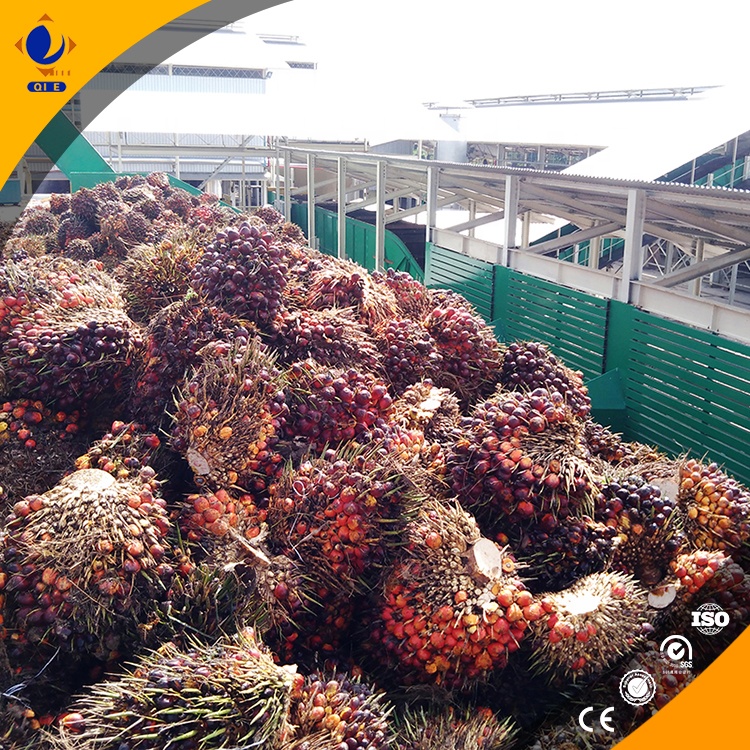
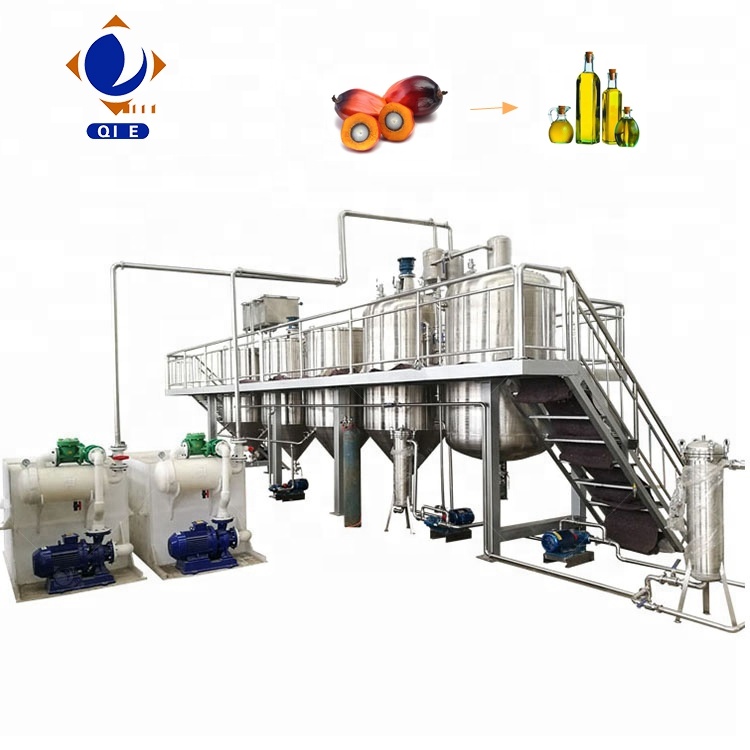
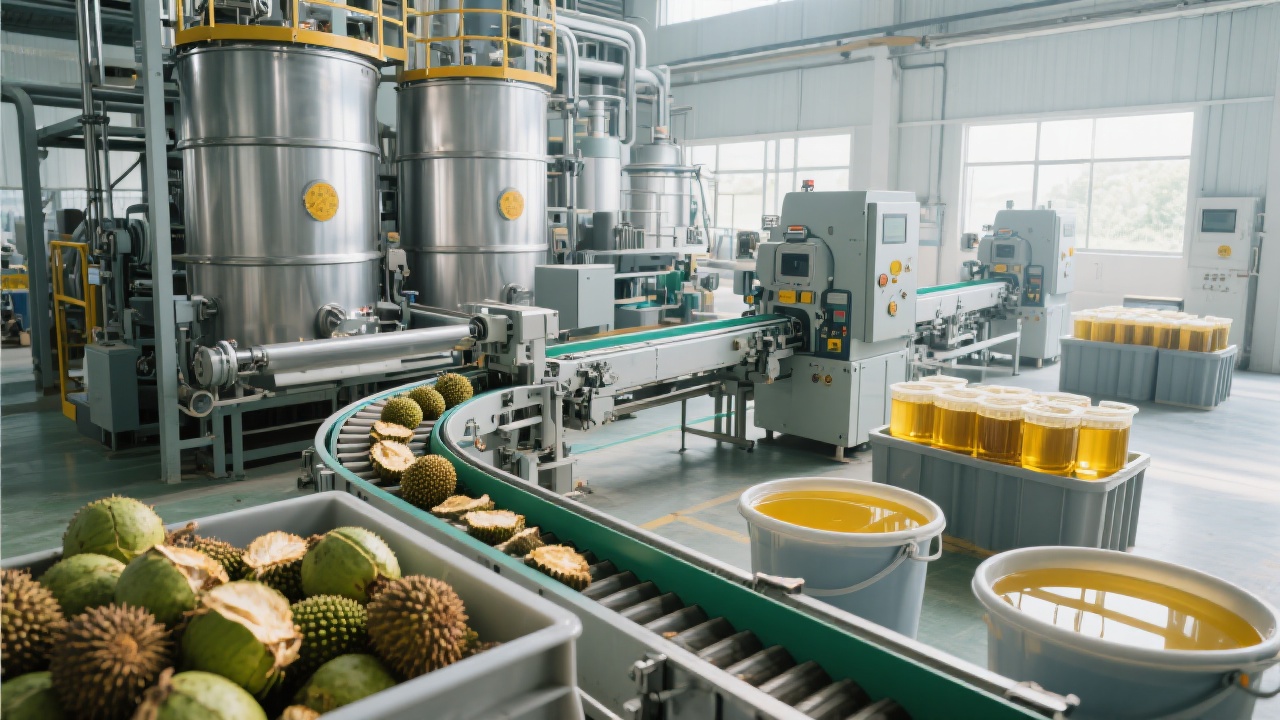
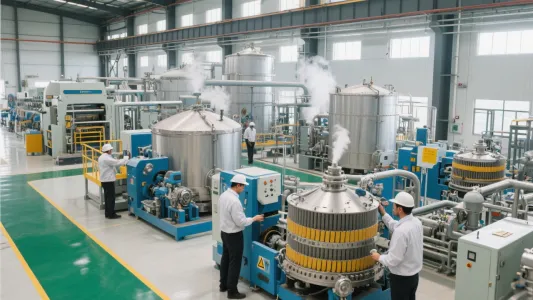
The palm fruit pretreatment process mainly consists of three core steps: cleaning, crushing, and steaming. Each step has its own technical points and parameter optimization methods.
During the cleaning step, the key is to remove impurities effectively while minimizing the loss of palm fruits. The water flow rate and cleaning time need to be adjusted according to the impurity level of the fruits. For example, in African regions where the impurity level is high, a longer cleaning time and a higher water flow rate may be required.
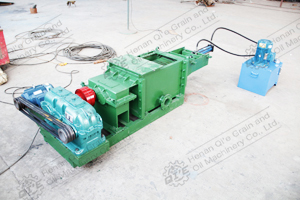
In the crushing step, the particle size of the crushed palm fruits is crucial. A proper particle size can ensure better oil extraction during the subsequent steps. The crushing force and speed should be adjusted according to the hardness and moisture content of the fruits. For high - moisture fruits in Asia, a relatively lower crushing force may be needed to avoid excessive pulp loss.
The steaming step is related to the temperature control. Different moisture contents of palm fruits require different steaming temperatures. The following table shows the recommended steaming temperatures based on the moisture content in different regions:
| Region | Moisture Content | Recommended Steaming Temperature |
|---|---|---|
| Asia | High (about 30 - 40%) | 90 - 95°C |
| Africa | Medium - low (about 20 - 30%) | 95 - 100°C |
| South America | Variable (depending on rainy season) | 85 - 90°C (during non - rainy season), 90 - 95°C (during rainy season) |
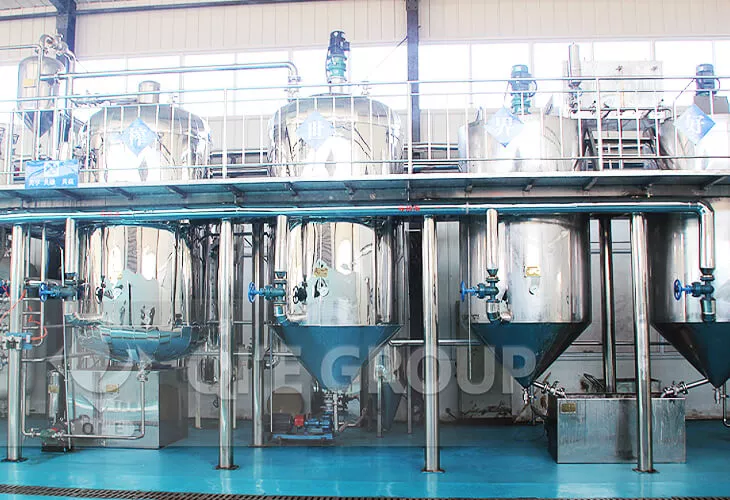
Non - standard customized design plays a crucial role in the rust - prevention performance and automation control of palm fruit pretreatment equipment. When it comes to rust - prevention, materials such as 304 stainless steel can be selected. This material can effectively resist corrosion in high - humidity environments, which is very suitable for the palm fruit pretreatment process, especially in Asia.
In terms of automation control, an automatic adjustment system with temperature control and flow feedback can be installed. This system can automatically adjust the temperature and flow rate according to the characteristics of the palm fruits, ensuring a stable and efficient pretreatment process. For example, if the moisture content of the palm fruits is detected to be high, the system can increase the steaming temperature and adjust the water flow rate during the cleaning process.
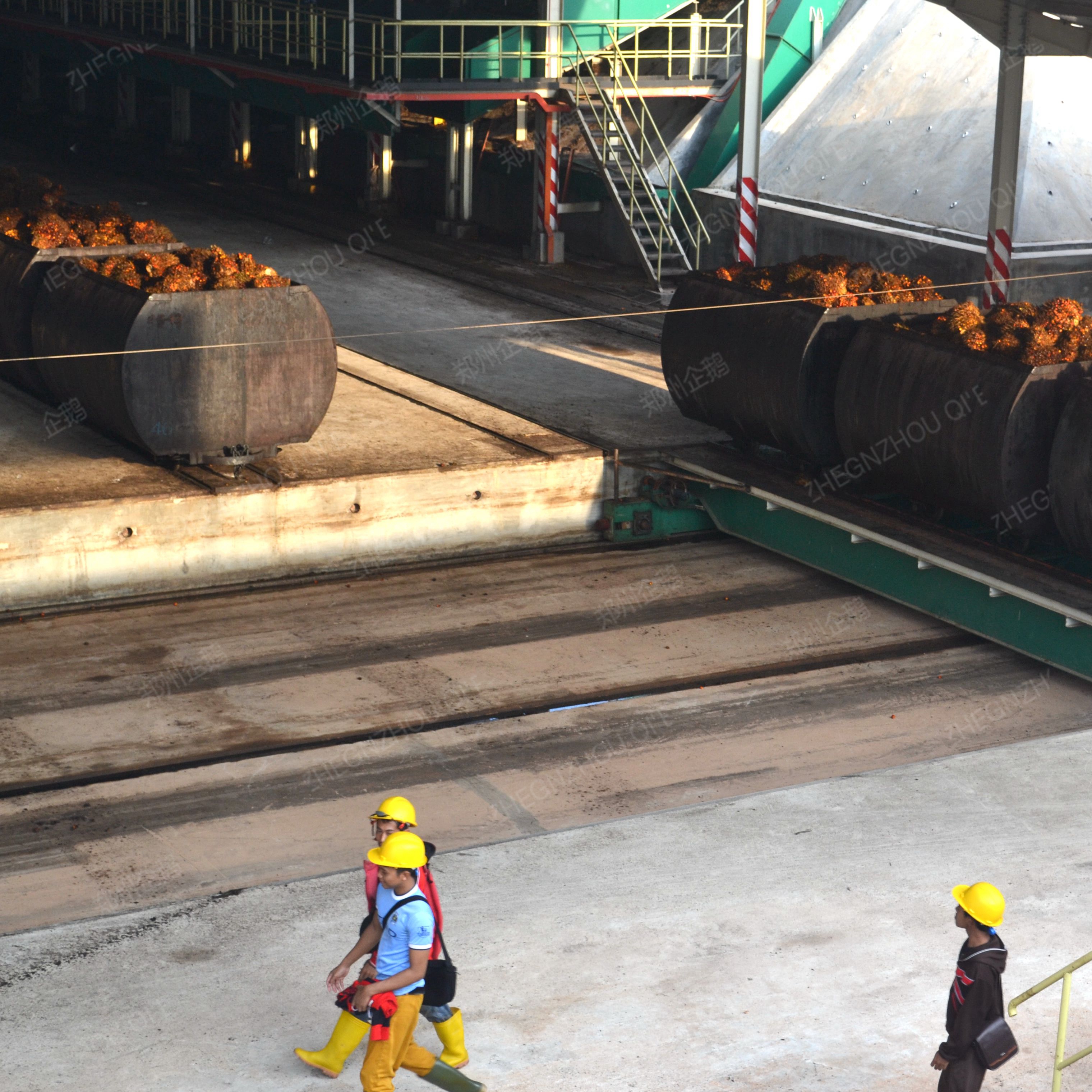
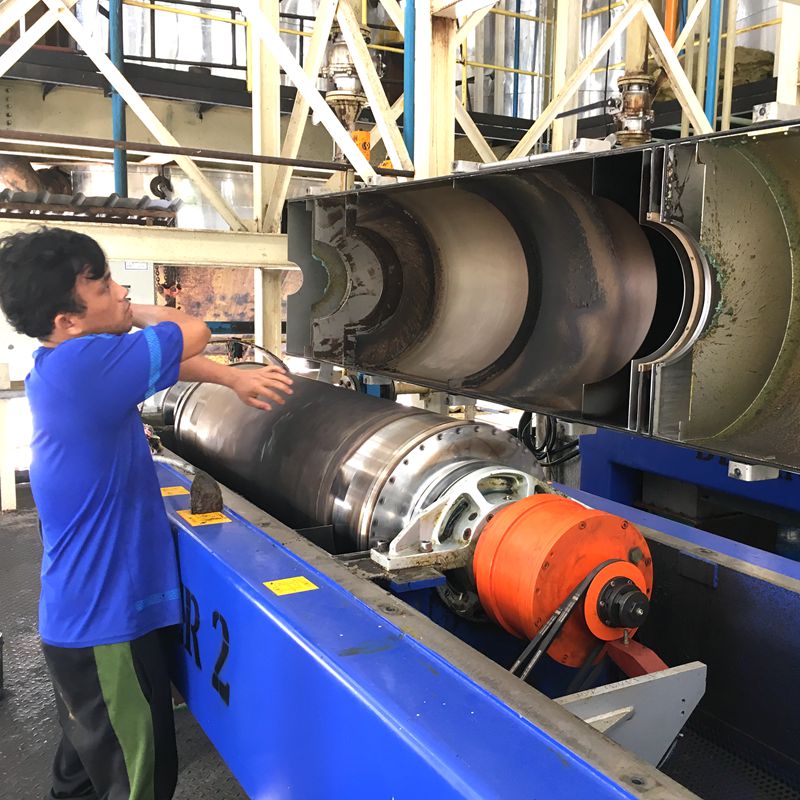
During the operation of palm fruit pretreatment equipment, some common problems may occur, such as blockages and uneven oil output. To help users quickly diagnose and solve these problems, we provide a common problem diagnosis guide and a simple checklist.
For blockages, we can use a troubleshooting logic tree. First, check if there are any large - sized impurities in the feeding port. If not, then check the internal components of the equipment, such as the pipes and valves. The following is a simple information chart showing the troubleshooting logic tree:
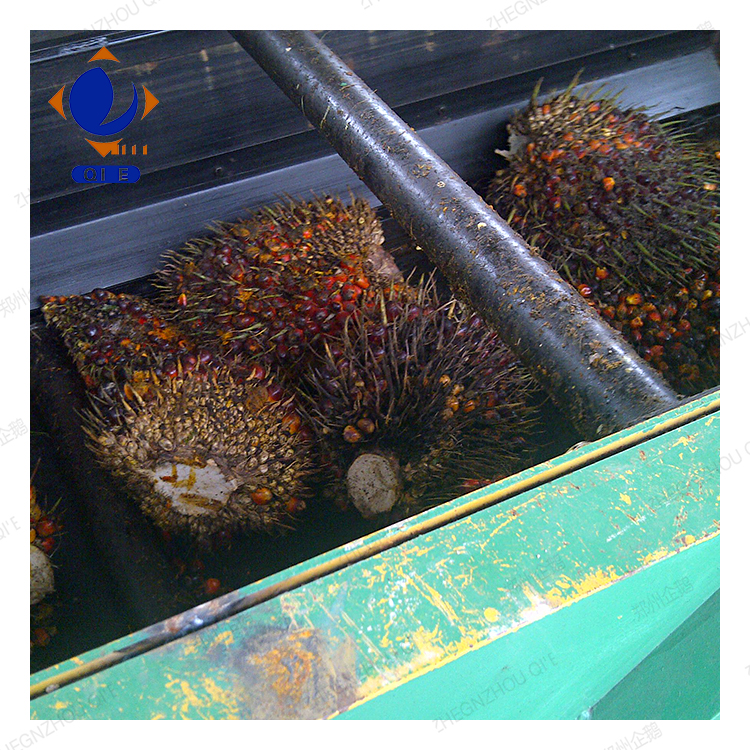
For uneven oil output, check if the crushing process is uniform, the steaming temperature is stable, and the oil extraction equipment is working properly. We also provide a simple checklist for users to quickly identify the problems.
To enhance the credibility of our solutions, we have embedded real - world application data. For example, in a palm oil production plant in Asia, after using our customized palm fruit pretreatment equipment, the oil yield increased by 10%, and the equipment failure rate decreased by 15%. These data prove the effectiveness and replicability of our solutions.
In conclusion, by understanding the impact of climate on palm fruit pretreatment, optimizing the technical points of each step, adopting non - standard customized design, and providing effective troubleshooting methods, we can help palm oil producers reduce losses, improve the quality of refined oil, and achieve stable and efficient production. If you want to learn more about the localized solutions for palm fruit pretreatment equipment, click here to get the localized whitepaper or make an appointment for technical consultation.

 451
|
451
|
 Palm oil pressing equipment
304 stainless steel corrosion resistance
Food safety equipment
Automated oil extraction unit
Energy - saving palm oil production
Palm oil pressing equipment
304 stainless steel corrosion resistance
Food safety equipment
Automated oil extraction unit
Energy - saving palm oil production
 67
|
palm oil refining equipment
energy-efficient palm oil processing
advanced PLC control systems
67
|
palm oil refining equipment
energy-efficient palm oil processing
advanced PLC control systems
 479
|
Automation control system
Palm oil pressing
PLC control
Energy saving and consumption reduction
Intelligent manufacturing
479
|
Automation control system
Palm oil pressing
PLC control
Energy saving and consumption reduction
Intelligent manufacturing
 61
|
oilseed processing solutions
customized seed preprocessing equipment
technical support for plant oil production
61
|
oilseed processing solutions
customized seed preprocessing equipment
technical support for plant oil production
 174
|
["palm crude oil refining equipment"
"energy-saving refining technology"
"low energy consumption oil processing"
"automatic PLC control system"
"eco-friendly palm oil production"]
174
|
["palm crude oil refining equipment"
"energy-saving refining technology"
"low energy consumption oil processing"
"automatic PLC control system"
"eco-friendly palm oil production"]