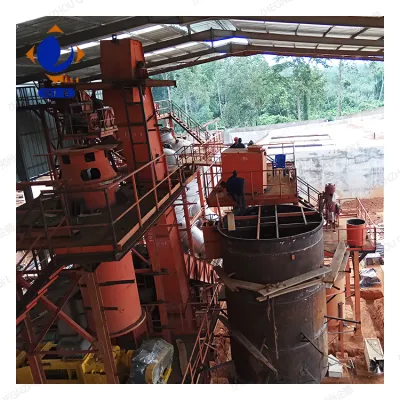
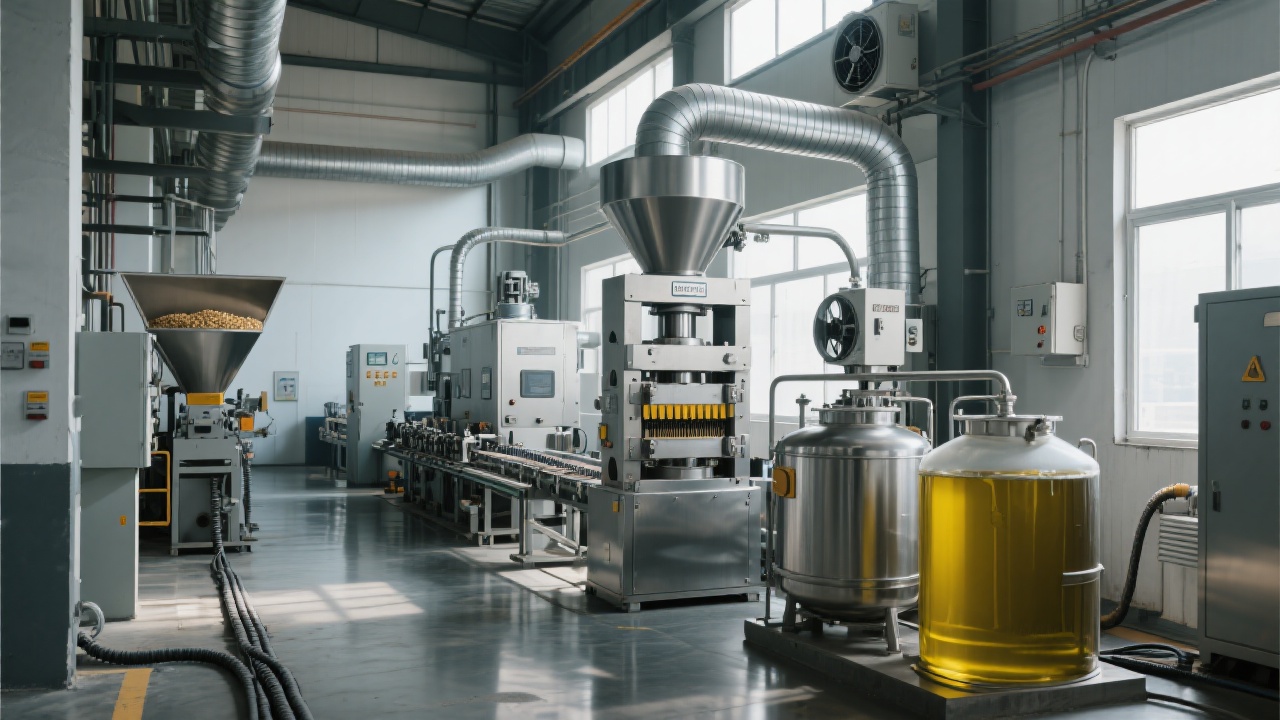
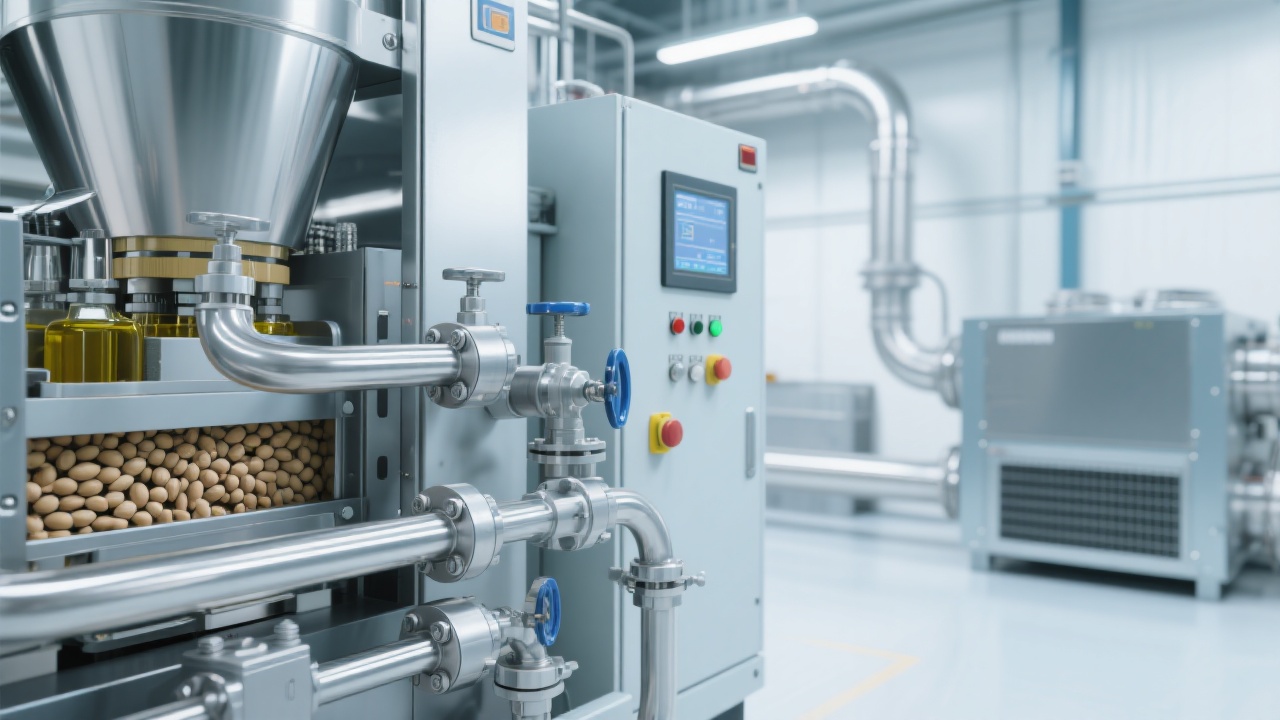
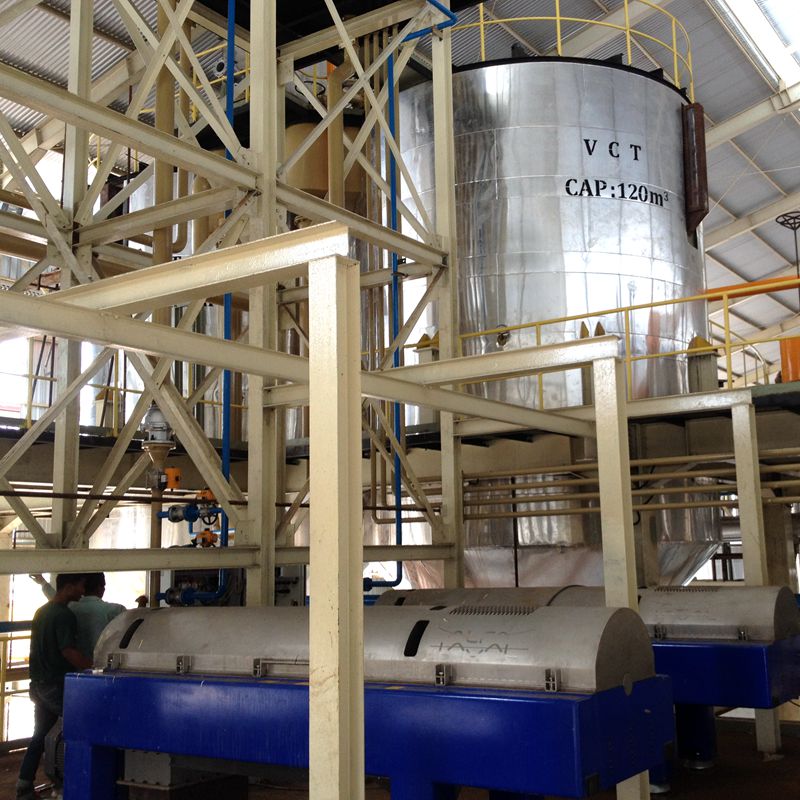
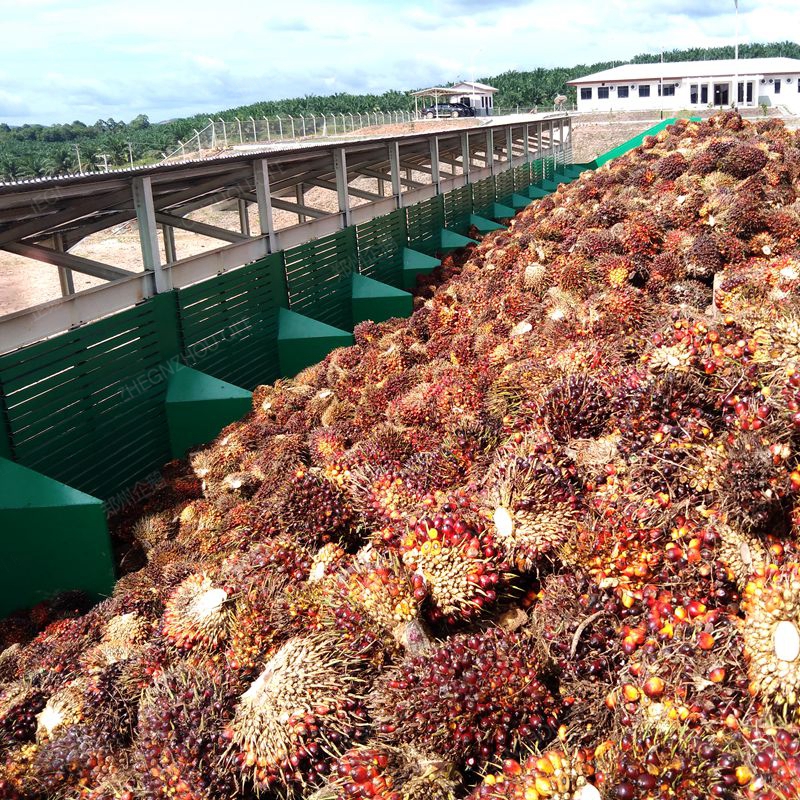
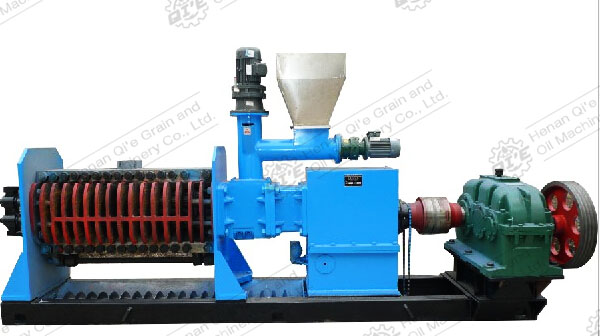
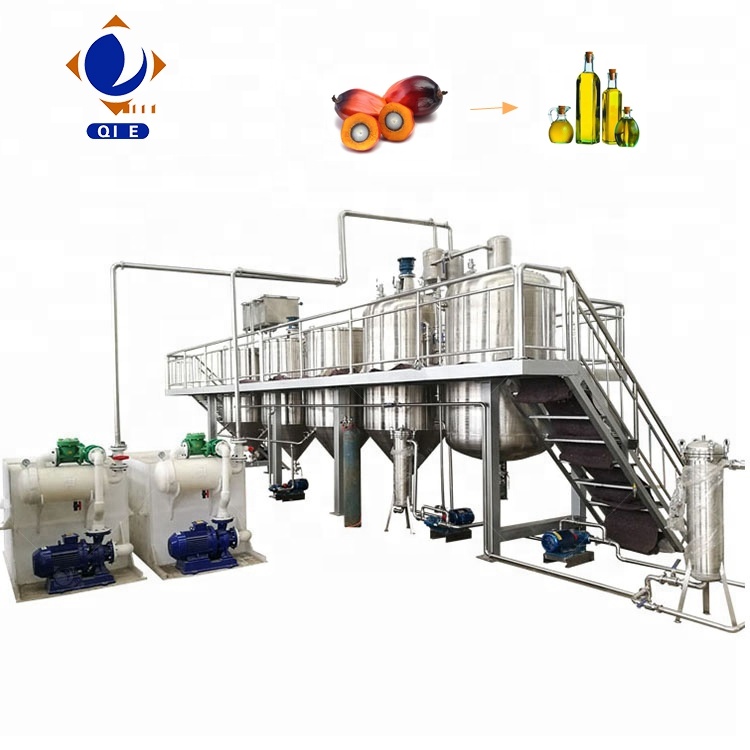
In palm oil-producing regions like Southeast Asia, West Africa, and South America, unpredictable weather patterns—ranging from monsoon rains to prolonged droughts—are no longer exceptions but operational realities. These extreme conditions directly impact raw material quality, especially the moisture content and impurity levels in fresh palm fruit bunches (FPB). As a result, preprocessing equipment must be carefully selected not just for efficiency, but for resilience under harsh environmental stress.
According to field data collected across 47 palm mills in Malaysia, Indonesia, and Nigeria, over 68% of unplanned downtime in preprocessing lines was linked to corrosion or mechanical failure caused by poor material choices. For instance, carbon steel components exposed to high-humidity environments saw an average 40% increase in maintenance costs within 12 months compared to 304 stainless steel parts.
| Material Type | Avg. Maintenance Cost/Month (USD) | Expected Lifespan (Years) |
|---|---|---|
| Carbon Steel | $850 | 2.3 |
| 304 Stainless Steel | $420 | 6.7 |
Manual adjustments during cleaning and steam cooking phases often fail when FPB moisture fluctuates between 45% (wet season) and 70% (dry season). Mills that adopted automatic control systems—including real-time moisture sensors and adaptive feed rate regulators—reported up to 22% improvement in fiber separation accuracy and a 30% reduction in steam consumption.
A case study from a 150-ton/day mill in Ghana showed how integrating AI-driven process logic into their pre-crusher unit reduced operator intervention by 65%, while maintaining consistent output quality even during sudden rainfall events that increased pulp viscosity by 18%.
To help technicians respond proactively, we recommend using a simple fault tree analysis:
These steps aren’t just theoretical—they’ve been validated at mills in Colombia, where operators trained with this diagnostic checklist cut emergency repair calls by nearly half over six months.
 333
|
333
|
 ["crude palm oil refining equipment"
"palm oil processing technology"
"PLC automation system"
"energy-efficient oil refining equipment"
"palm oil production line"]
["crude palm oil refining equipment"
"palm oil processing technology"
"PLC automation system"
"energy-efficient oil refining equipment"
"palm oil production line"]
 429
|
efficient palm oil processing unit
304 stainless steel palm oil press
palm fruit bunch processing machine
PLC controlled oil extraction system
high capacity palm kernel crusher
429
|
efficient palm oil processing unit
304 stainless steel palm oil press
palm fruit bunch processing machine
PLC controlled oil extraction system
high capacity palm kernel crusher
 357
|
palm fruit preprocessing
palm oil extraction efficiency
rain season palm oil processing
non-standardized oil press equipment
palm oil yield optimization
357
|
palm fruit preprocessing
palm oil extraction efficiency
rain season palm oil processing
non-standardized oil press equipment
palm oil yield optimization
 42
|
automated palm oil processing
PLC control system
energy efficient oil extraction
smart manufacturing in palm oil
emission reduction technology
42
|
automated palm oil processing
PLC control system
energy efficient oil extraction
smart manufacturing in palm oil
emission reduction technology
 97
|
Palm fruit pretreatment
Palm oil pressing equipment
Fault diagnosis
Non - standard customized equipment
Automation control
97
|
Palm fruit pretreatment
Palm oil pressing equipment
Fault diagnosis
Non - standard customized equipment
Automation control