https://shmuker.oss-cn-hangzhou.aliyuncs.com/data/oss/65b068c3c2e9735675cac322/65b46cb67cfeb5177346777c/20240426173741/未标题-1_画板%201.png

Optimizing Pre-treatment Processes for Asian Palm Fruits in High-Humidity Environments: Cleaning and Steaming Temperature Control Techniques Explained
2025-12-01
QI ' E Group
Application Tips
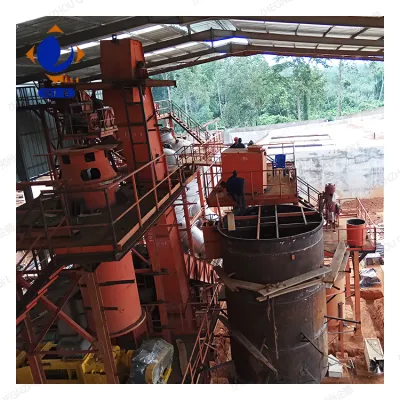
High humidity in Asian palm fruit processing environments often leads to reduced efficiency in pre-treatment stages, making precise control of cleaning and steaming temperatures critical for maximizing oil yield. This article analyzes how regional raw material characteristics—such as high moisture content in Asia, impurities in Africa, and seasonal rain in South America—affect key steps like cleaning, crushing, and steaming. Practical solutions including optimized spray pressure, blade selection for破碎 (crushing), and temperature curve design are detailed with real-world factory case studies. Learn how to prevent blockages, improve oil quality, and ensure stable production under extreme conditions.
https://shmuker.oss-accelerate.aliyuncs.com/data/oss/common/20240703143956/20240703/1b591c598f70b52bb95b33f9e376db0d.jpg

Optimizing Pre-Processing for Asian Palm Fruits in High-Humidity Environments

When processing palm fruits in tropical Asia—where humidity often exceeds 85% and temperatures hover around 32°C—the pre-processing stage becomes a critical bottleneck. Poorly controlled washing and steaming can lead to clogged equipment, inconsistent oil yields, and subpar quality. But with precise adjustments to temperature curves, material selection, and automation, you can significantly boost efficiency and reduce downtime.

Key Challenges Across Regions

While all palm fruit producers face challenges, regional differences matter:

Region Avg. Moisture Content (%) Recommended Steaming Temp (°C) Primary Risk
Southeast Asia 70–75% 82–86°C Equipment corrosion, blockages
West Africa 65–70% 80–84°C Foreign particle contamination
South America 68–73% 83–87°C Seasonal variability in moisture

These variations mean that a one-size-fits-all approach won’t work. For instance, in high-humidity areas like Indonesia or Malaysia, using stainless steel AISI 316L instead of carbon steel reduces rust-related failures by up to 60%, according to a case study from a 50-ton-per-day plant in Sumatra.

“After switching to automated steam control and anti-corrosion materials, our pre-processing line saw a 22% increase in throughput and a 30% drop in maintenance calls.”
—— Mr. Arif Rahman, Operations Manager, PT PalmTech Agro, Indonesia

Proven Tactics for Real-World Results

Here’s how leading mills are solving this:

  • Adjust spray pressure: Maintain 2.5–3.0 bar during cleaning to avoid waterlogging while ensuring thorough removal of dirt and dust.
  • Select the right crusher blades: Use hardened tungsten carbide tips for better wear resistance under humid conditions—reducing blade replacement frequency by ~40%.
  • Implement adaptive temp curves: Start at 75°C for 10 minutes, then ramp up to 85°C over 15 minutes—this prevents over-cooking while softening fibers effectively.

If you're facing recurring issues like clogged screens or uneven fiber breakdown, consider building a simple checklist based on these parameters—it takes less than 5 minutes but saves hours of troubleshooting each week.

Ready to Optimize Your Palm Fruit Pre-Processing?

Download our free whitepaper: "Local Solutions for High-Humidity Palm Processing"

Get the Whitepaper


Recommended Products
Hot Products
Contact us
Contact us
https://shmuker.oss-cn-hangzhou.aliyuncs.com/tmp/temporary/60ec5bd7f8d5a86c84ef79f2/60ec5bdcf8d5a86c84ef7a9a/thumb-prev.png