Understanding how climate affects palm fruit preprocessing is critical for maximizing oil yield and minimizing equipment downtime in tropical oilseed processing. This article compares key preprocessing strategies across three major regions—Asia, Africa, and South America—based on real-world data from over 40 operational mills.
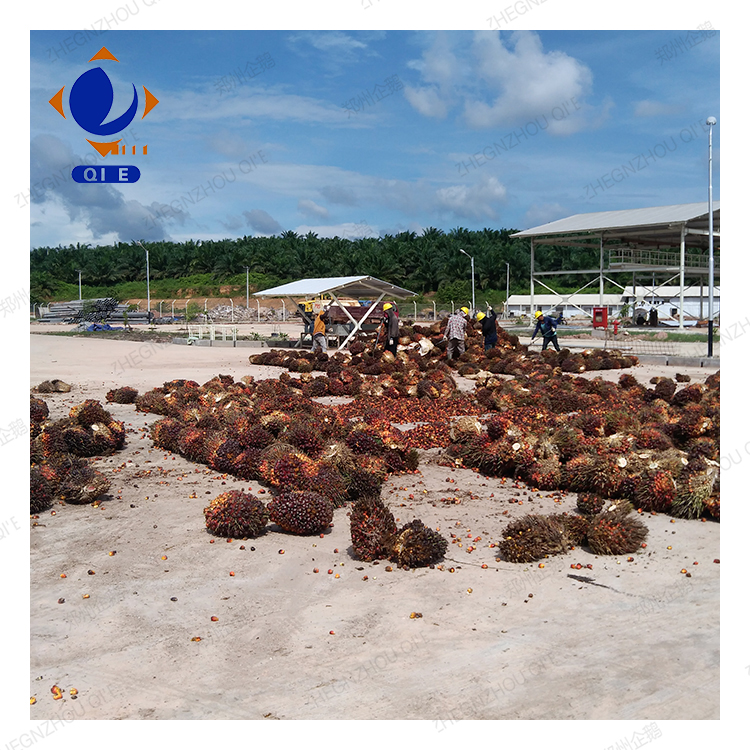
Regional differences in humidity, temperature, and rainfall significantly influence the moisture content and contamination levels of harvested palm fruits. For example:
| Region | Avg. Moisture Content (%) | Typical Contaminants | Impact on Processing |
|---|---|---|---|
| Southeast Asia (Indonesia/Malaysia) | 68–72% | Soil particles, leaves, insects | Higher water usage required for cleaning; more frequent screen clogging |
| West Africa (Nigeria/Ghana) | 75–80% | Sand, stones, mold spores | Increased wear on crushers; risk of microbial contamination during steam treatment |
| South America (Brazil/Colombia) | 65–70% | Fruit fragments, organic debris | Optimal for mechanical breaking but requires precise control in steam cooking phase |
These variations directly affect decisions around equipment selection—especially for washing, crushing, and steaming stages. In high-moisture environments like West Africa, stainless steel with anti-corrosion coating (e.g., AISI 316L) becomes essential to reduce maintenance costs by up to 30%, according to a case study at a Nigerian mill.
Non-standardized equipment designs tailored to local conditions are increasingly adopted by leading processors. One notable example is a custom-built wet-screen system used in Brazil that adjusts mesh size automatically based on fruit consistency—a feature that improved throughput by 18% while reducing labor input.
Another innovation involves integrating humidity sensors into the pre-heating chamber. Mills in humid Southeast Asia report fewer steam condensation issues when using such systems, which also help stabilize the internal temperature during the cooking process—an important factor for consistent kernel softening.
| Symptom | Likely Cause | Recommended Action |
|---|---|---|
| Low oil extraction rate | Excess moisture or poor fruit sorting | Audit incoming fruit quality; calibrate washing system |
| Frequent crusher jams | High foreign matter content | Install magnetic separators + adjust feed rate |
| Steam pressure fluctuations | Inconsistent fruit density or moisture | Use automated moisture sensors + feedback loop control |
By adopting region-specific preprocessing protocols—not just generic ones—processors can improve yield by an average of 5–7%, reduce energy consumption per ton, and extend machine life by up to two years.
Download our comprehensive white paper with region-specific recommendations, equipment specs, and troubleshooting tips tailored to your location.
Download Now →
 212
|
212
|
 palm oil refining equipment
energy-efficient refining system
automated PLC control palm oil
palm oil refining equipment
energy-efficient refining system
automated PLC control palm oil
 322
|
Palm oil pressing equipment efficiency improvement
Advantages of 304 stainless - steel oil press
PLC control system optimization
Palm oil processing machinery
Energy - efficient oil extraction equipment
322
|
Palm oil pressing equipment efficiency improvement
Advantages of 304 stainless - steel oil press
PLC control system optimization
Palm oil processing machinery
Energy - efficient oil extraction equipment
 323
|
palm fruit pre-treatment optimization
steaming temperature control for palm oil
high-humidity palm processing
palm oil extraction efficiency
non-standard equipment adaptation
323
|
palm fruit pre-treatment optimization
steaming temperature control for palm oil
high-humidity palm processing
palm oil extraction efficiency
non-standard equipment adaptation
 329
|
palm kernel oil processing equipment
equipment installation guidelines
production line efficiency optimization
debugging issues in oil extraction
preventive maintenance for oil machinery
329
|
palm kernel oil processing equipment
equipment installation guidelines
production line efficiency optimization
debugging issues in oil extraction
preventive maintenance for oil machinery
 258
|
Crude palm oil refining equipment
Energy - saving and environmentally friendly palm oil equipment
PLC automatic control system
Palm oil production process
Refined oil energy - saving technology
258
|
Crude palm oil refining equipment
Energy - saving and environmentally friendly palm oil equipment
PLC automatic control system
Palm oil production process
Refined oil energy - saving technology