In the palm oil production industry, moisture content in palm fruits plays a pivotal role in determining oil extraction efficiency. Across South America, frequent rain cycles during the wet season cause significant fluctuations in the moisture levels of palm fruits, posing unique challenges for processors aiming to maximize oil yield. This article delves into the complex impact of moisture variability, contrasting the typical climatic and raw material contexts in South America with those of prominent palm oil regions in Asia and Africa.
While Asian palm oil-producing regions such as Malaysia and Indonesia generally experience stable humidity levels (~70-85%) throughout the year, South America's tropical rain seasons create drastic spikes, sometimes elevating fruit moisture content from an average of 45% to over 55%. African regions like Nigeria and Ghana typically maintain moderate moisture variability (mean 48-53%). These fluctuations significantly affect the palm fruit’s physical properties, leading to operational challenges during pre-treatment and cooking stages.
| Region | Average Moisture Content (%) | Rain Season Moisture Spike (%) | Typical Humidity Range (%) |
|---|---|---|---|
| South America | 45 | 50 - 60 | 75 - 90 |
| Asia (Malaysia, Indonesia) | 43 | 45 - 50 | 70 - 85 |
| Africa (Nigeria, Ghana) | 48 | 50 - 55 | 68 - 82 |
Given the moisture fluctuations, the cooking (steaming) process demands dynamically adjustable temperature profiles to enhance oil release while preserving fruit integrity. Below are the three scientifically-backed steps to tailor cooking temperature curves that align with moisture variability:
Wash water pH and mineral composition directly influence the surface moisture of the fresh fruit bunches (FFB). In South America’s rain-heavy environments, where surface water may carry organic contaminants, using filtered or treated process water adjusted to pH 6.5-7.0 boosts moisture stabilization. This step mitigates unwanted enzymatic activity impacting oil quality.
Crushing efficiency depends on customizing blade geometries and spacings according to fruit hardness variations caused by moisture. High-moisture fruits require narrower knife gaps (~1.5-2 mm) for gentle yet effective breaking, avoiding excessive fragmentation that can lead to oil loss and kernel damage. Adapting knife materials to corrosion-resistant alloys ensures longevity amid humid conditions.
Instead of fixed steam temperature settings, integrate sensors measuring initial fruit moisture to modulate cooking temperature dynamically within 135°C to 160°C ranges during a typical 40-60 minute cycle. Moist fruits require slower temperature ramp-up to prevent oil emulsification, while drier fruits tolerate more aggressive heating to maximize oil expulsion. This precision control is key for South American processing adaptability.
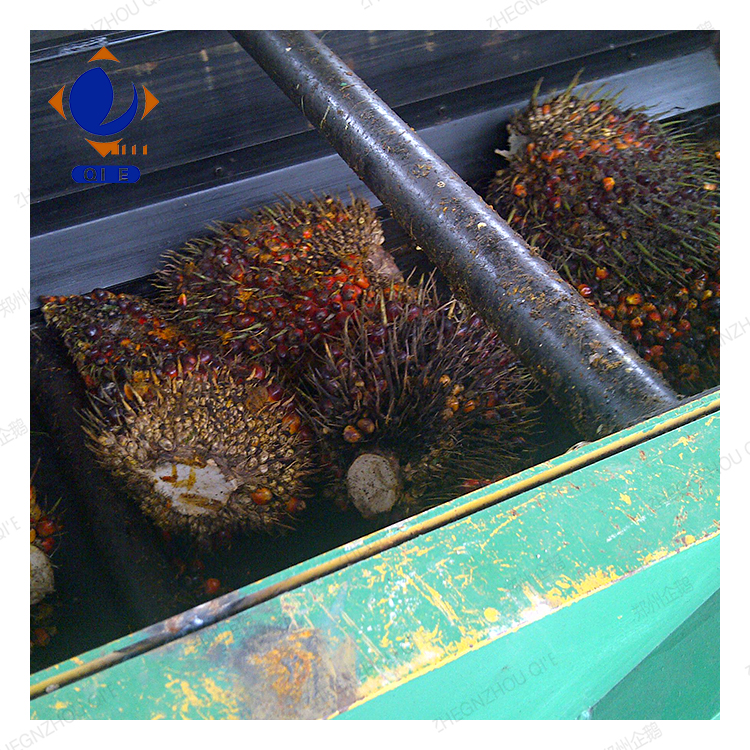
Standard palm oil machinery often underperforms under South America’s tropical rain season conditions. Non-standard equipment with tailored material coating—such as specialized stainless steel grades resistant to corrosion and biofouling—proves critical. Moreover, automated steam injectors and real-time temperature adjustment modules integrated with moisture sensors enable continuous process optimization, reducing downtime by an average of 15% in field trials.
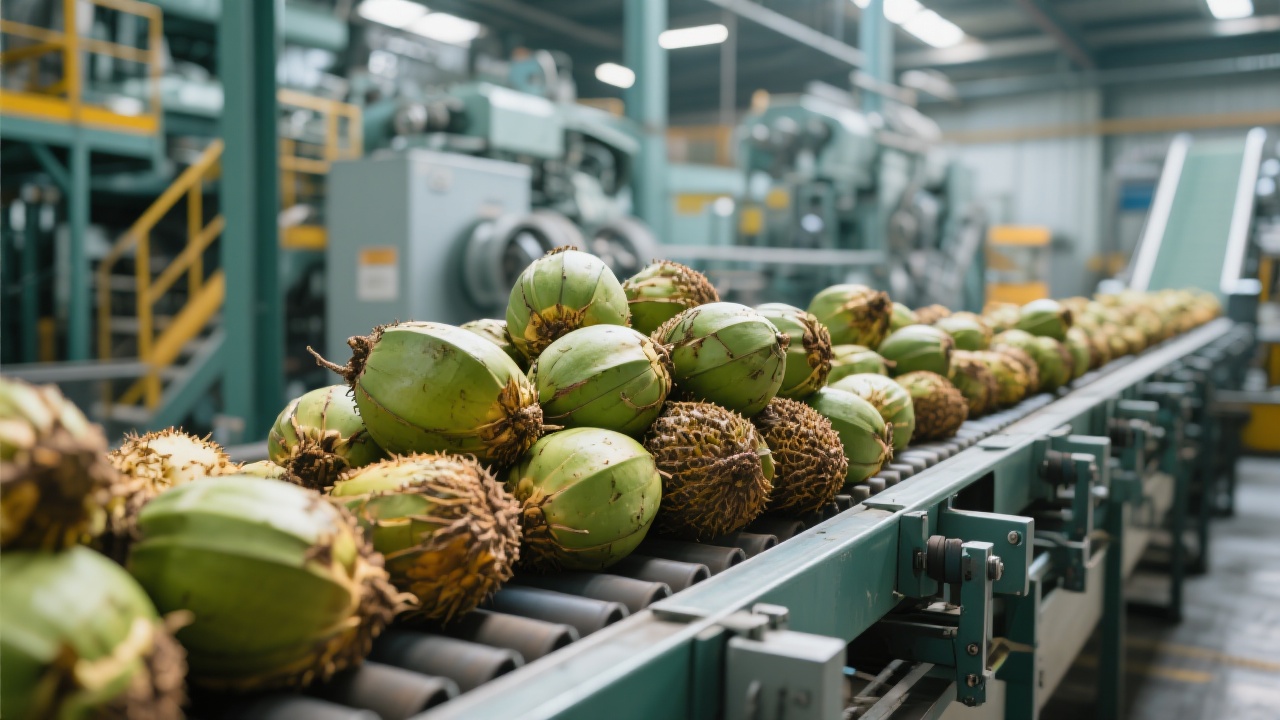
South American palm oil processors face recurrent operational problems such as:
Operators can follow a simple diagnostic checklist involving moisture measurement, steam system calibration, and blade maintenance schedules to identify root causes rapidly and minimize downtime.
Unlock practical, science-driven strategies tailored for South America’s unique palm fruit moisture challenges. Discover localized pre-treatment protocols, adaptive temperature programming, and advanced non-standard equipment solutions designed to maximize your palm oil output quality and yield.
Get Your Custom Palm Oil Process Optimization Whitepaper & Expert Consultation