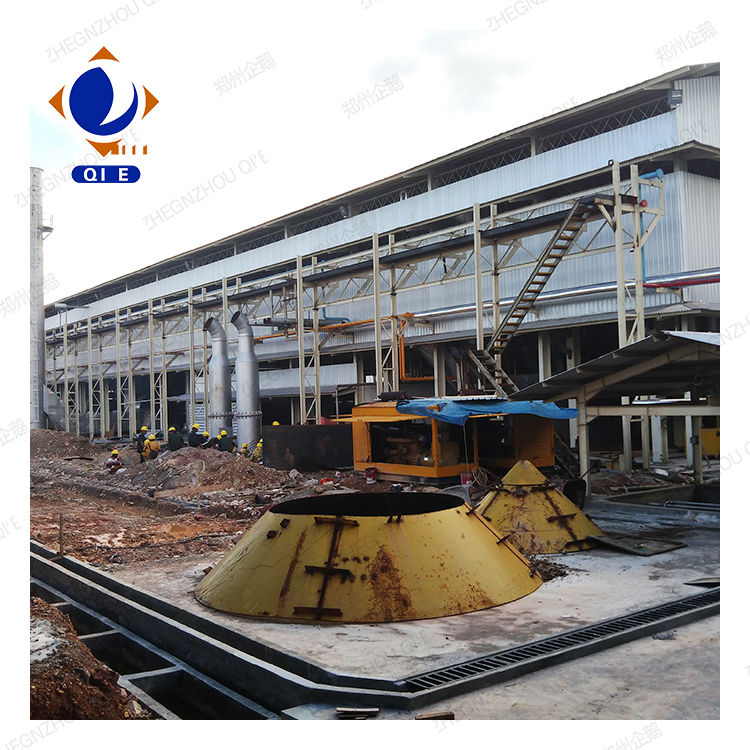
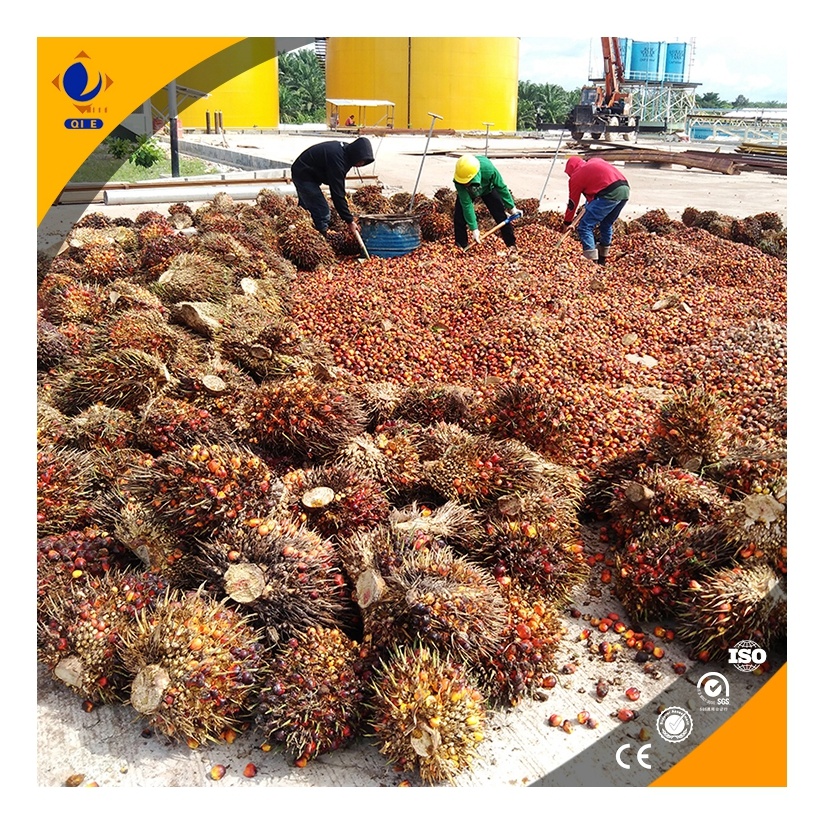
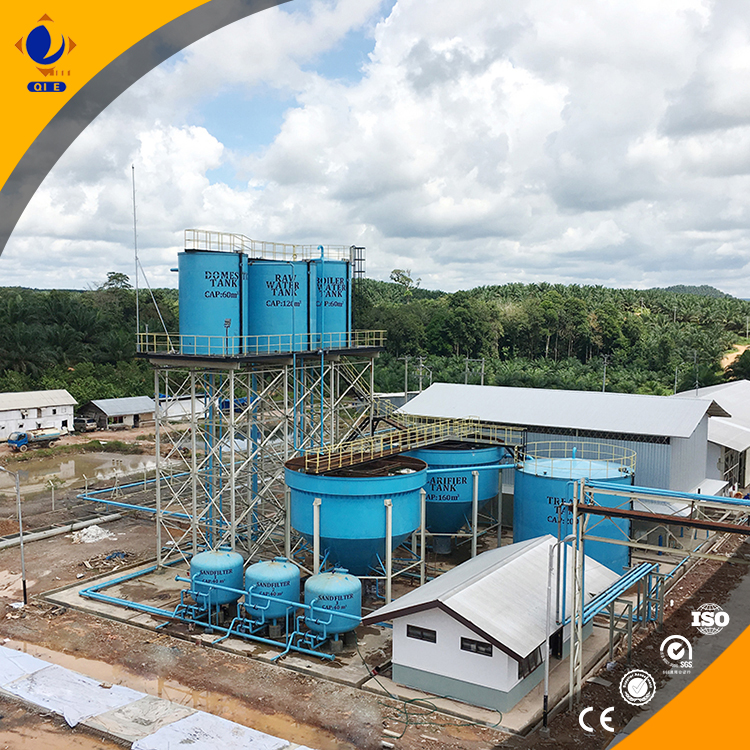
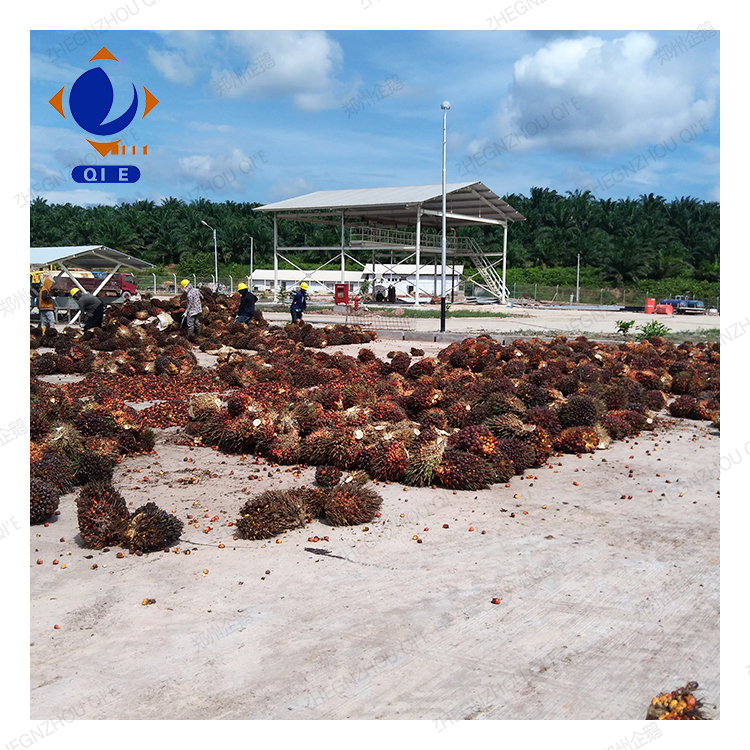
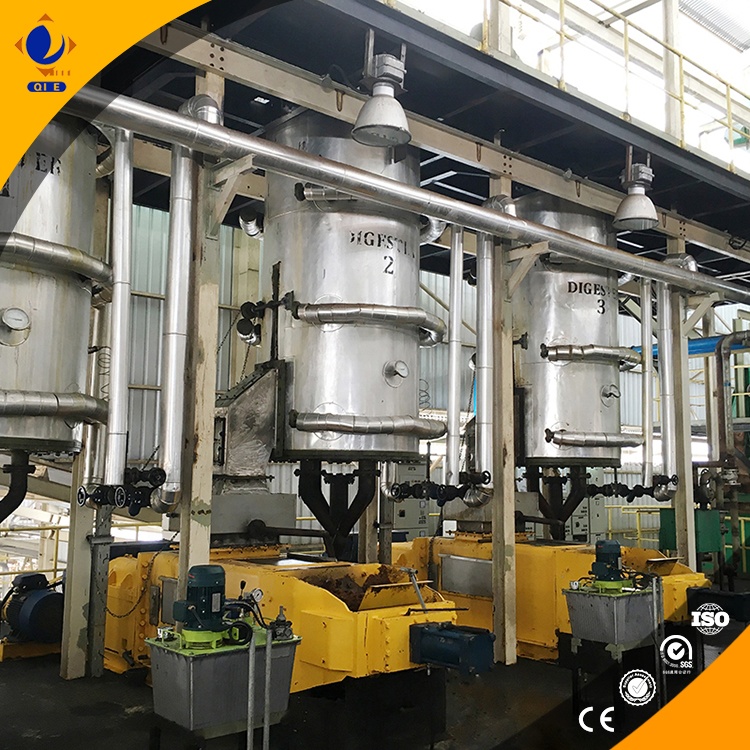
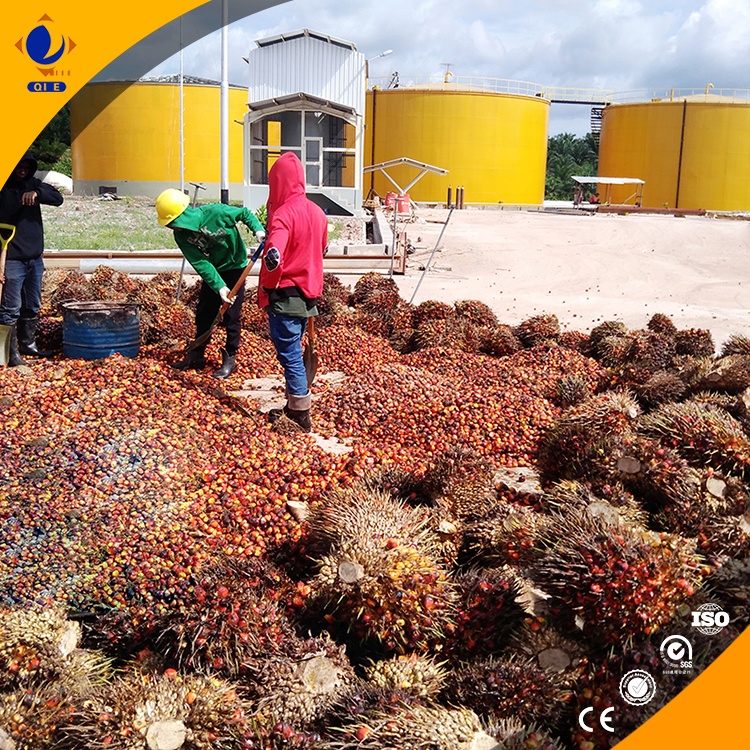
Global palm oil producers face unique environmental challenges—from the relentless humidity of Southeast Asia to the seasonal dust storms in West Africa and the heavy rains of South America. These conditions directly impact pre-processing efficiency, especially in cleaning, crushing, and steaming stages where even minor deviations can lead to significant yield loss.
| Region | Avg. Humidity (%) | Palm Fruit Moisture Content (%) | Key Pre-Processing Challenge |
|---|---|---|---|
| Southeast Asia (Malaysia/Indonesia) | 85–95% | 55–65% | Corrosion & clogging from moisture |
| West Africa (Nigeria/Ghana) | 60–75% | 45–55% | High silica content causing blade wear |
| South America (Brazil/Colombia) | 70–85% | 50–60% | Waterlogged fruit leading to uneven steam penetration |
In response, QIE Group has developed a modular non-standard design approach that adapts to local climate conditions—proven across over 12 international projects since 2021. Their solutions include:
“After installing Penguin’s adaptive system in our Nigerian facility, we saw a 7% improvement in crude palm oil yield within three months—not just because of better materials, but because the machine learned how to handle our specific fruit.” — Mr. Adebayo O., Plant Manager, AgroTech Nigeria
What makes this approach scalable? It's not just hardware—it’s data-driven process logic. For example, when incoming fruit moisture exceeds 60%, the system automatically increases washing pressure from 2.5 bar to 3.2 bar and adjusts steam time by +15 seconds per batch. This prevents under-cooking or over-washing—a common cause of oil loss in tropical climates.
We’ve also created an easy-to-use diagnostic checklist for plant operators—covering everything from motor vibration patterns to water pH levels—that helps identify early signs of inefficiency before they become costly breakdowns.
Download our free white paper: “Local Climate Adaptation Strategies for Palm Oil Pre-Treatment Systems”
Get the White Paper
 35
|
35
|
 palm oil refining equipment
automated PLC control system
energy-efficient palm oil production
palm oil refining equipment
automated PLC control system
energy-efficient palm oil production
 467
|
energy-efficient palm oil refining equipment
palm oil processing
fully automatic PLC control system
energy-saving benefits
cost reduction case study
467
|
energy-efficient palm oil refining equipment
palm oil processing
fully automatic PLC control system
energy-saving benefits
cost reduction case study
 338
|
PLC automation control system for palm kernel oil processing
intelligent regulation technology in oil extraction
palm kernel oil refining equipment optimization
automated oil processing plant solutions
industrial control system for edible oil production
338
|
PLC automation control system for palm kernel oil processing
intelligent regulation technology in oil extraction
palm kernel oil refining equipment optimization
automated oil processing plant solutions
industrial control system for edible oil production
 208
|
["Palm Oil Refining Equipment"
"Energy Saving Refining System"
"PLC Control for Oil Processing"
"Efficient Palm Oil Production"
"Crude Palm Oil Refining Technology"]
257
|
Crude palm oil refining equipment
Energy - saving and environmentally friendly palm oil equipment
PLC automatic control system
Palm oil production process
Refined oil energy - saving technology
208
|
["Palm Oil Refining Equipment"
"Energy Saving Refining System"
"PLC Control for Oil Processing"
"Efficient Palm Oil Production"
"Crude Palm Oil Refining Technology"]
257
|
Crude palm oil refining equipment
Energy - saving and environmentally friendly palm oil equipment
PLC automatic control system
Palm oil production process
Refined oil energy - saving technology