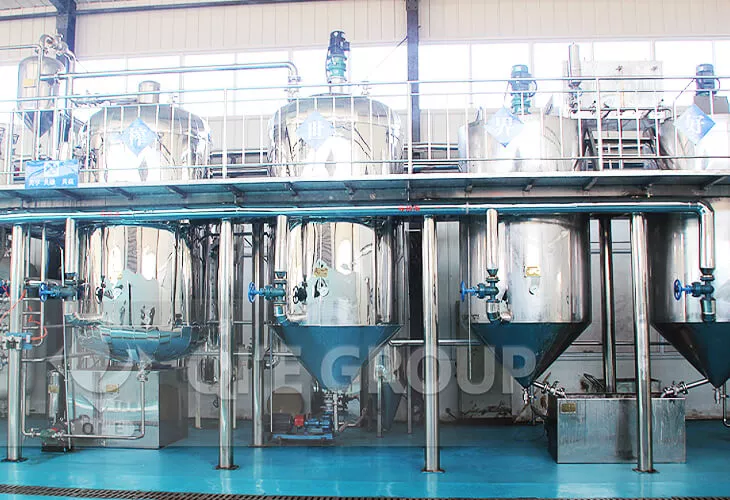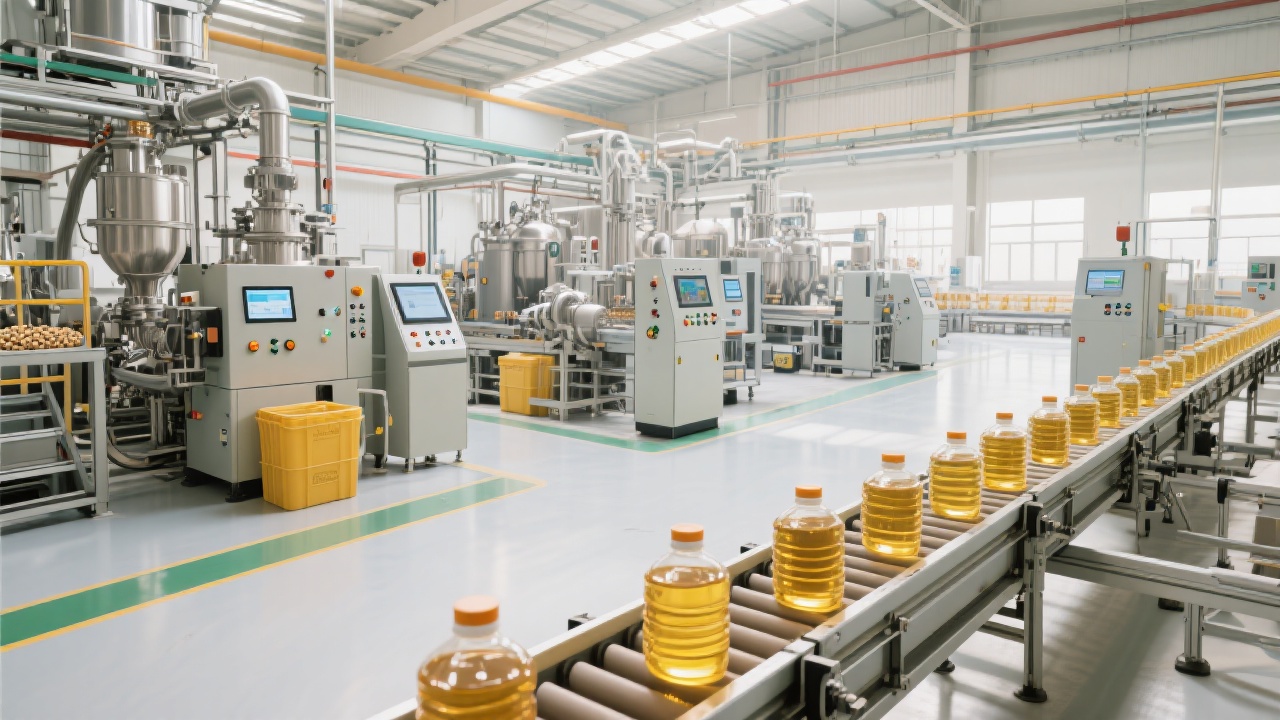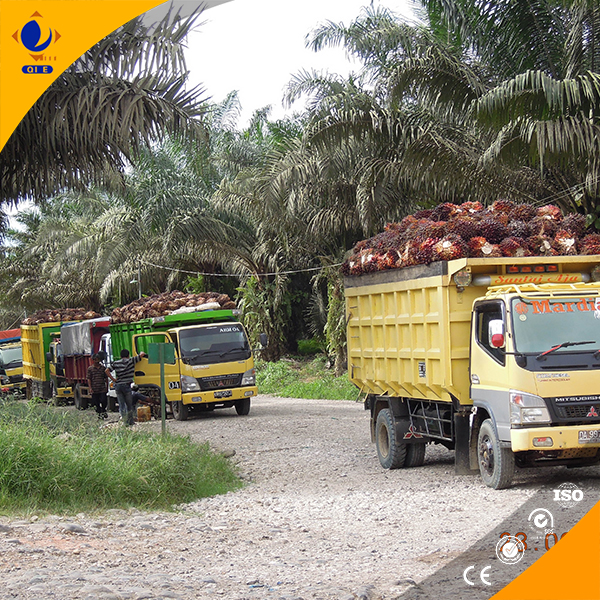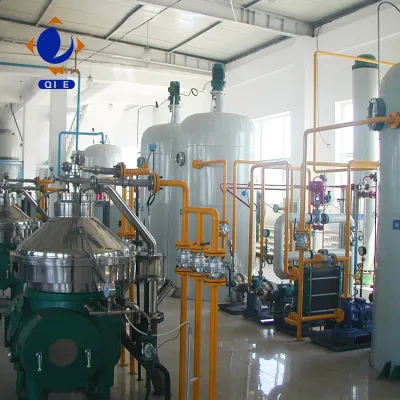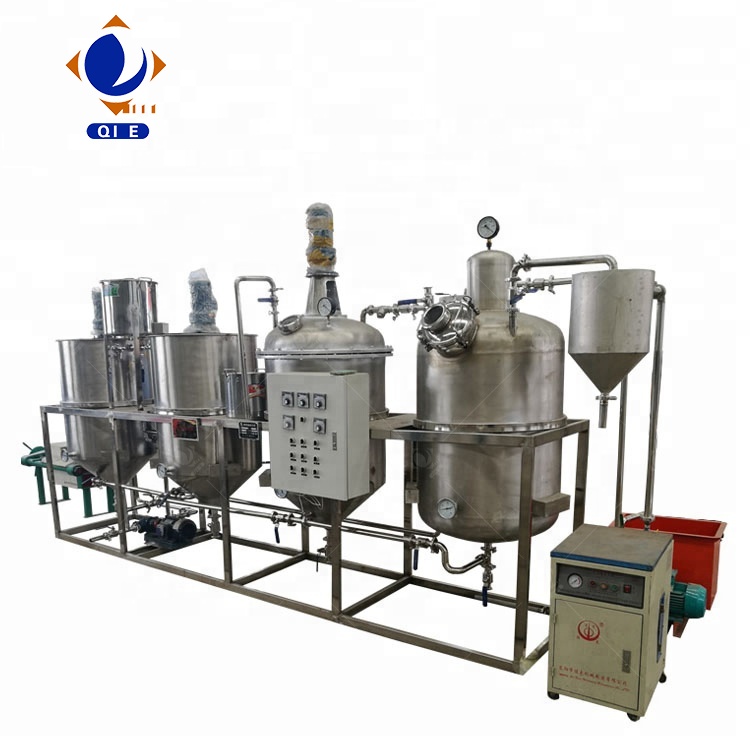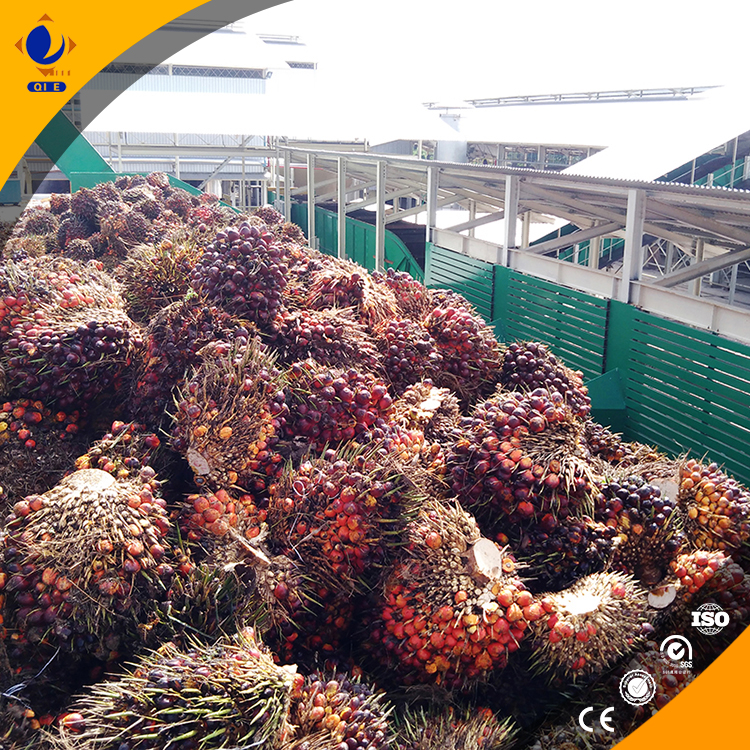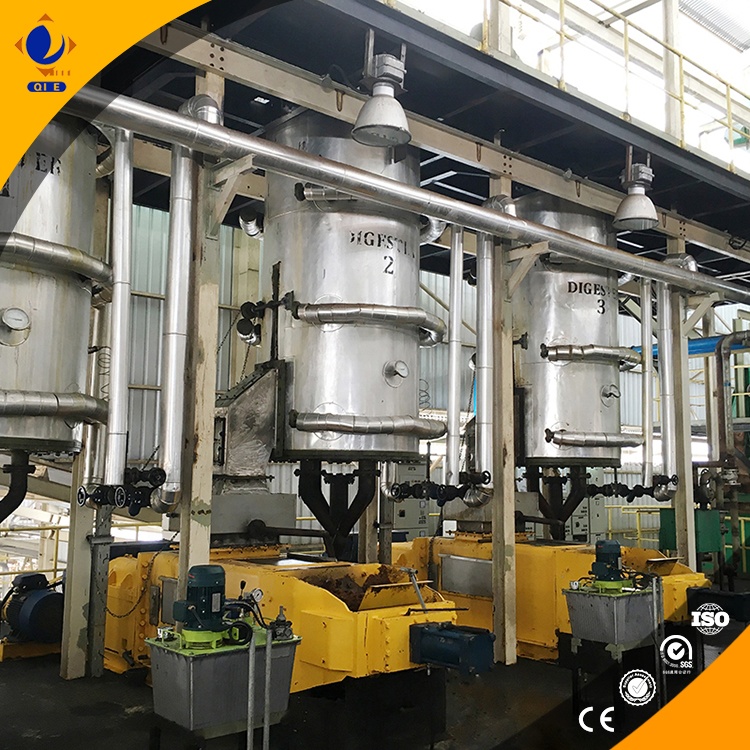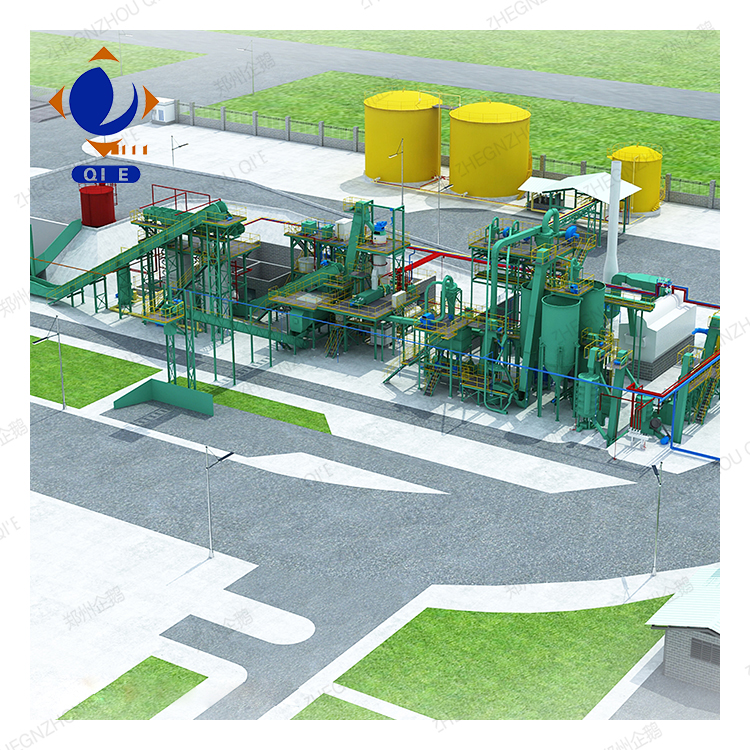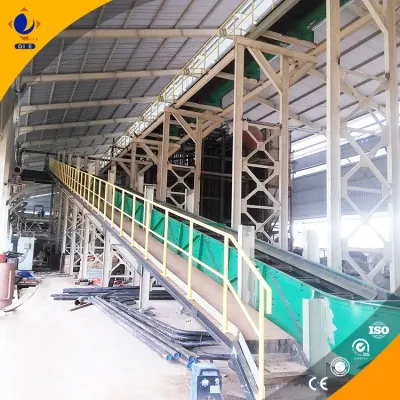
In the competitive landscape of edible oil production, the reliability of large-capacity oil refining equipment directly impacts operational efficiency, product quality, and ultimately, profitability. Industrial facilities processing over 500 tons of raw materials daily face unique challenges in maintaining consistent performance while maximizing oil extraction rates. This technical guide explores the critical components that determine equipment longevity and efficiency, offering actionable maintenance strategies developed through decades of engineering experience.
Industry Insight:
According to the International Association of Food Industry Suppliers, proper maintenance of critical components can extend equipment lifespan by 30-40% while reducing unplanned downtime by up to 55% in large-scale oil processing facilities.
The operational demands placed on refining equipment vary significantly between cold press (below 60°C) and hot press (100-120°C) processes, directly influencing component specification requirements. Cold press operations typically experience 20-30% higher torque loads during initial crushing stages, while hot press systems require enhanced heat resistance in structural components.
Modern automated control systems integrate PLC-based monitoring that adjusts operational parameters in real-time, reducing component stress by 15-25% compared to manual operations. This integration of mechanical and digital systems creates a holistic approach to equipment management that directly impacts bottom-line performance.
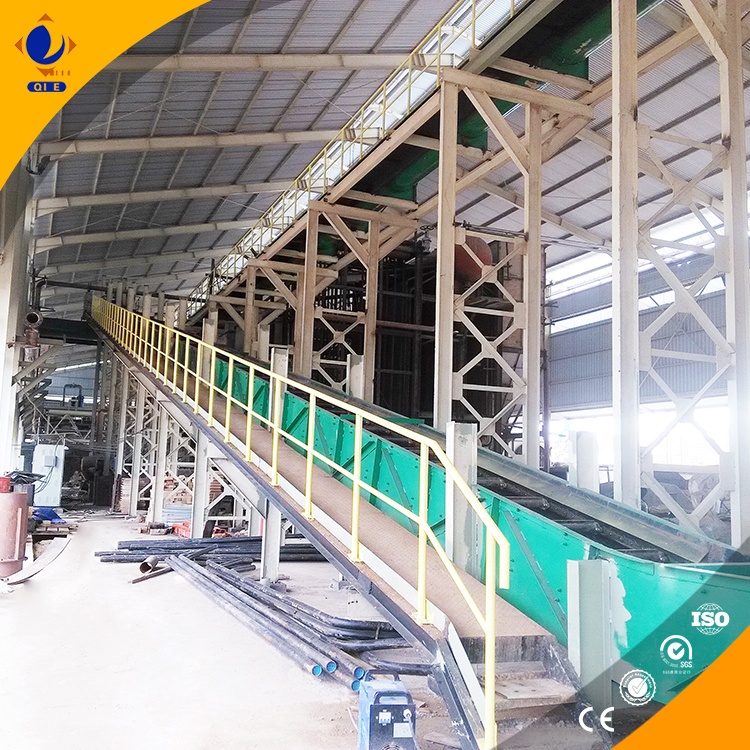
Pressure vessels in large-capacity systems (processing 500-1,000 tons/day) must comply with ASME BPVC Section VIII standards, with material thickness ranging from 12mm to 25mm depending on operating pressures (typically 8-15 bar). The selection of appropriate materials—either 316L stainless steel for corrosive environments or carbon steel with specialized coatings—directly impacts maintenance intervals and failure rates.
Non-destructive testing (NDT) should be conducted quarterly using ultrasonic thickness gauges to detect corrosion or erosion, which can reduce vessel integrity by up to 0.1mm/year in unmaintained systems. Properly maintained vessels typically achieve 8-10 years of service before requiring major overhauls.
High-efficiency IE3 or IE4 motors are recommended for main drive systems, delivering 94-96% efficiency compared to 87-90% for standard IE2 models. This efficiency translates to annual energy savings of $8,000-12,000 per motor in continuous operation environments.
Tapered roller bearings are preferred for radial and axial load handling in pressing systems, with expected lifespans of 20,000-30,000 operating hours under proper lubrication. Gearboxes, typically helical or planetary designs, require oil analysis every 1,500 hours to detect contamination levels and additive depletion.
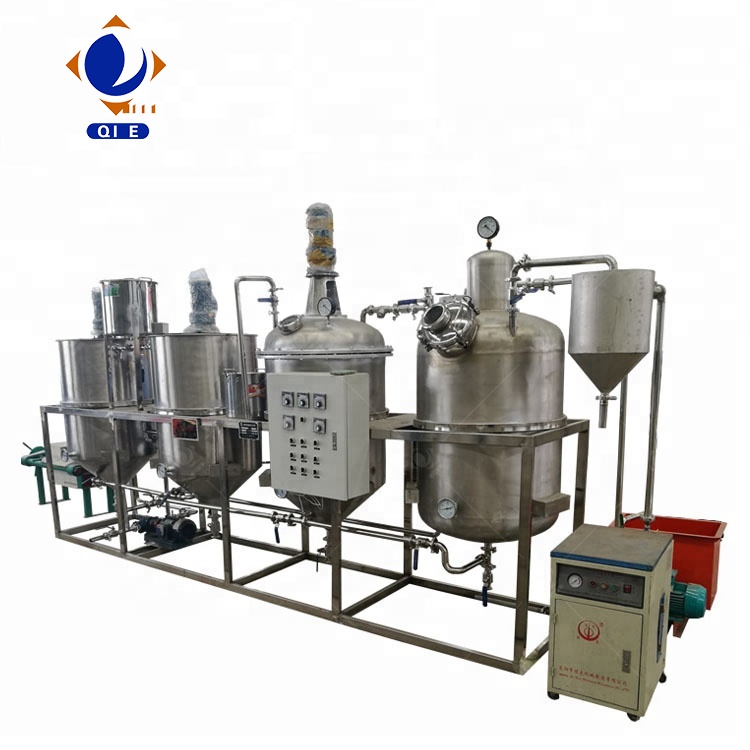
A structured preventive maintenance schedule can increase overall equipment effectiveness (OEE) from an industry average of 65% to over 85%. The following maintenance framework, developed through field experience with over 120 installations worldwide, provides a systematic approach to component care.
Operators should perform these checks at start-up and shutdown:
| Component | Checks | Acceptable Range |
|---|---|---|
| Pressure Vessels | Pressure gauge readings, valve operation | ±5% of set pressure |
| Motors | Temperature, noise, vibration | ≤75°C surface temp, no abnormal sounds |
| Gearboxes | Oil level, leaks, temperature | Between min/max marks, ≤85°C |
Incorporating condition monitoring technologies can identify potential failures before they occur: infrared thermography detects hot spots in electrical components with 90% accuracy; vibration analysis predicts bearing failures 3-6 months in advance; and oil analysis identifies wear particles indicating gear degradation.
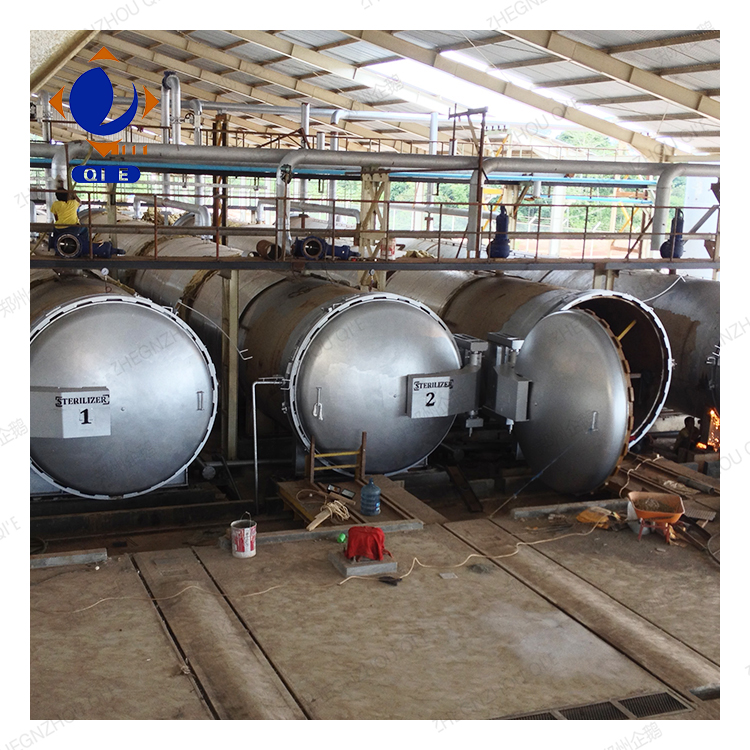
A leading vegetable oil processor in Southeast Asia implemented the maintenance protocols outlined in this guide across their 800-ton/day facility. Within six months, they documented:
The plant manager attributed these improvements to the systematic approach to bearing lubrication, precision alignment of gearboxes, and implementation of predictive monitoring systems—particularly vibration analysis on critical press components.
Our team of engineering specialists can conduct a comprehensive equipment audit to identify optimization opportunities specific to your facility. Benefit from customized maintenance programs designed to maximize extraction efficiency and minimize downtime.
Schedule Your Technical ConsultationEffective component selection and maintenance transform capital equipment from a potential liability into a competitive advantage. By implementing the structured approach outlined here—combining precise engineering specifications with proactive monitoring—operations can consistently achieve 22-25% extraction rates while extending equipment service life. The integration of traditional maintenance practices with modern predictive technologies creates a robust system that adapts to varying operational conditions, raw material qualities, and production demands.
As the industry evolves toward greater automation and efficiency, those who master component optimization will lead the way in sustainable, profitable oil production. The technical details provided in this guide offer a foundation for building a maintenance culture that prioritizes both immediate performance and long-term equipment health.

 370
|
370
|
 palm kernel oil refining automation
refining equipment stability
oil processing automation systems
palm oil production optimization
intelligent control in oil refining
palm kernel oil refining automation
refining equipment stability
oil processing automation systems
palm oil production optimization
intelligent control in oil refining
 344
|
Palm kernel oil production equipment
Palm kernel oil extraction equipment selection
Palm kernel oil refining equipment installation
Automated oil equipment
Grain and oil processing equipment maintenance
344
|
Palm kernel oil production equipment
Palm kernel oil extraction equipment selection
Palm kernel oil refining equipment installation
Automated oil equipment
Grain and oil processing equipment maintenance
 178
|
remote monitoring palm oil equipment
PLC control technology
palm oil refining maintenance
automated oil processing systems
intelligent粮油 machinery
178
|
remote monitoring palm oil equipment
PLC control technology
palm oil refining maintenance
automated oil processing systems
intelligent粮油 machinery
 195
|
palm oil press efficiency improvement
304 stainless steel oil press advantages
high-efficiency palm oil processing units
palm oil equipment selection guide
palm oil production automation solutions
195
|
palm oil press efficiency improvement
304 stainless steel oil press advantages
high-efficiency palm oil processing units
palm oil equipment selection guide
palm oil production automation solutions
 397
|
PLC palm kernel oil equipment
automation control system
intelligent adjustment technology
palm kernel oil extraction process
equipment reliability
397
|
PLC palm kernel oil equipment
automation control system
intelligent adjustment technology
palm kernel oil extraction process
equipment reliability