In the niche yet competitive world of small-scale edible oil processing—particularly within palm kernel oil refining—ensuring equipment safety and operational stability is a persistent challenge. Many mid-sized producers underestimate the impact of stringent quality management on sustainable production. ISO 9001, more than just a certification, is a systematic approach that guarantees operational resilience, asset reliability, and product purity. This article dissects how adherence to ISO 9001 requirements transforms equipment selection and impacts the entire lifecycle of oil refining machines.
ISO 9001 is widely recognized as a gold standard in industrial quality management, but its true value lies in the robust processes it institutes throughout manufacturing, installation, and post-sale service. For small and medium oil processing enterprises, this means every step—from material sourcing to final performance verification—is subject to rigorous controls tailored for precision and consistency.
Industry studies reveal equipment failure rates decrease by up to 40% when manufacturing strictly follows ISO 9001 protocols. This results in fewer unplanned downtimes and lowers the risk of compromised oil purity caused by mechanical inconsistencies.
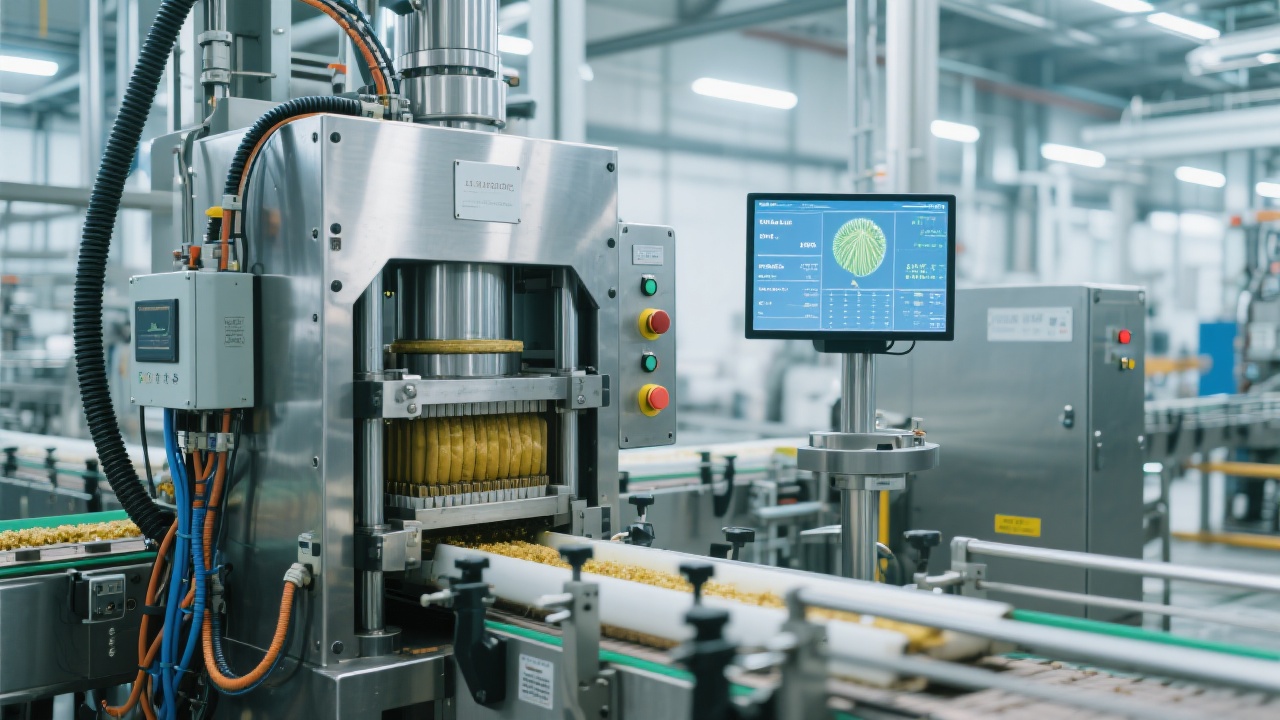
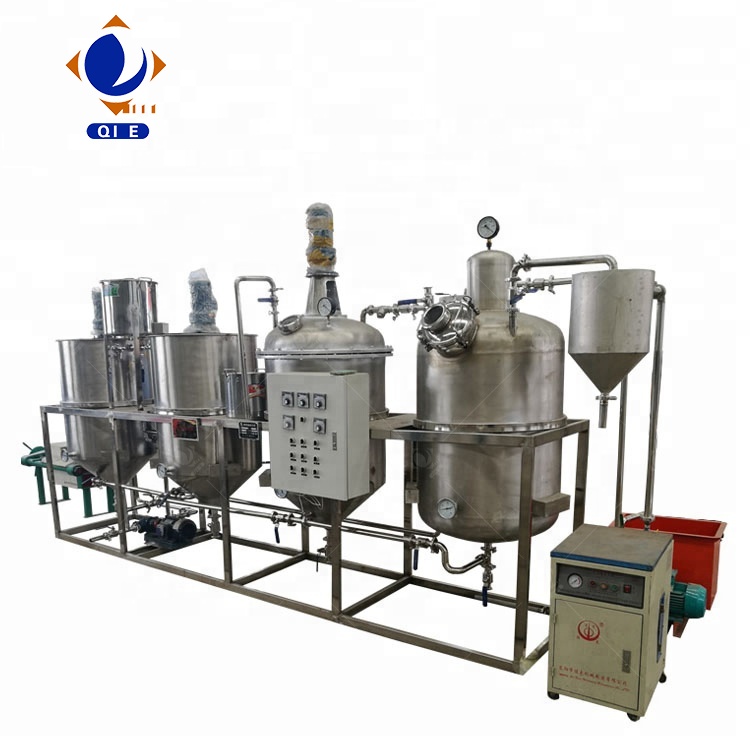
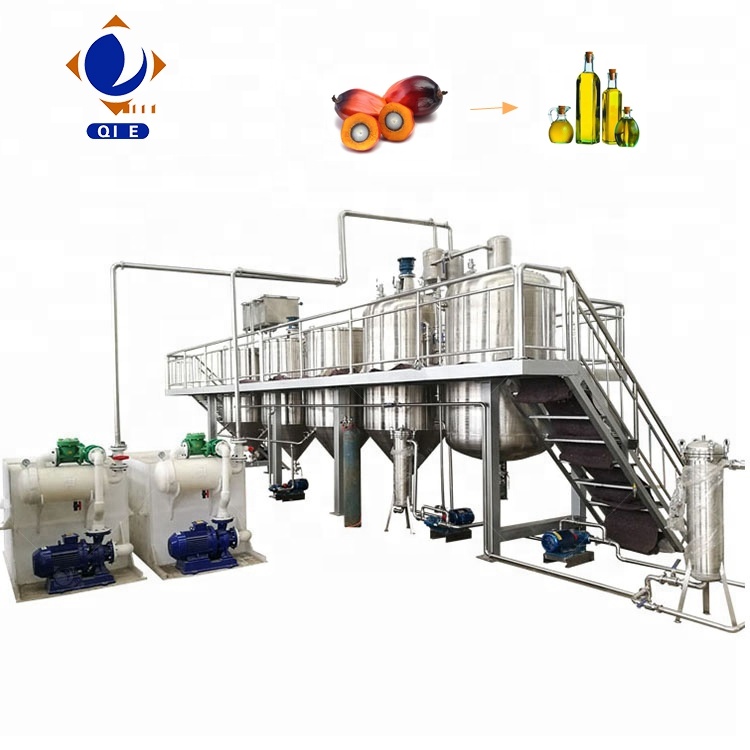
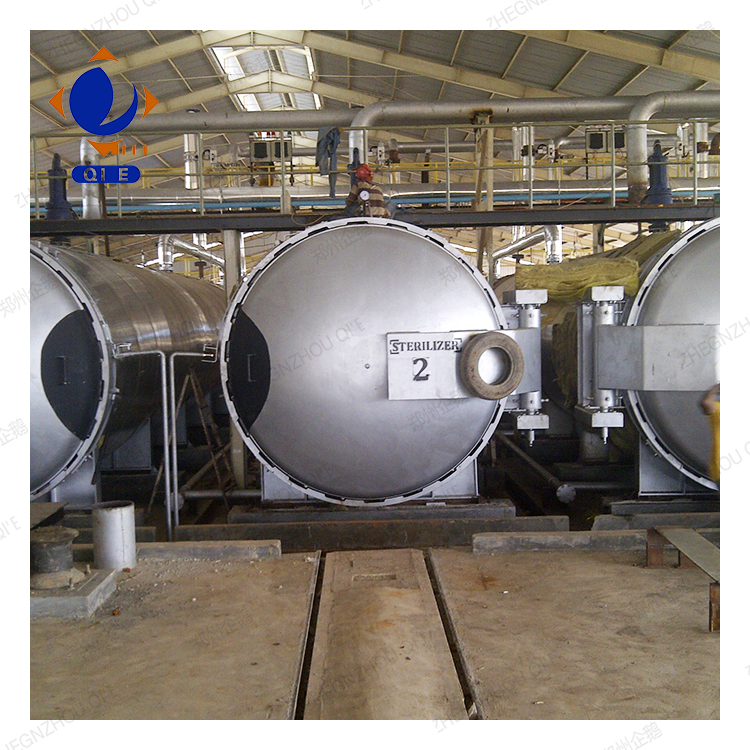
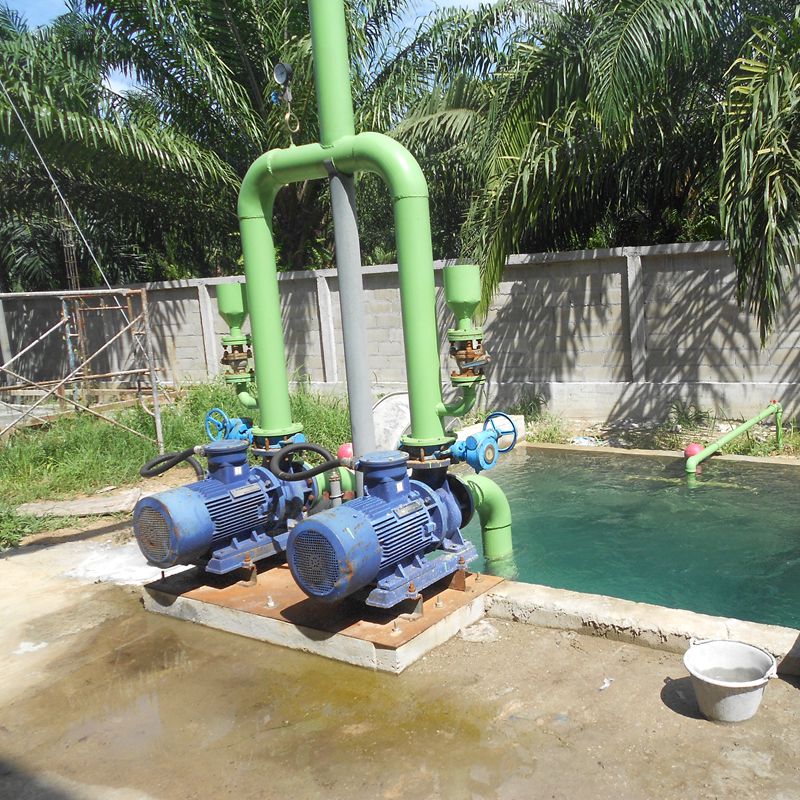
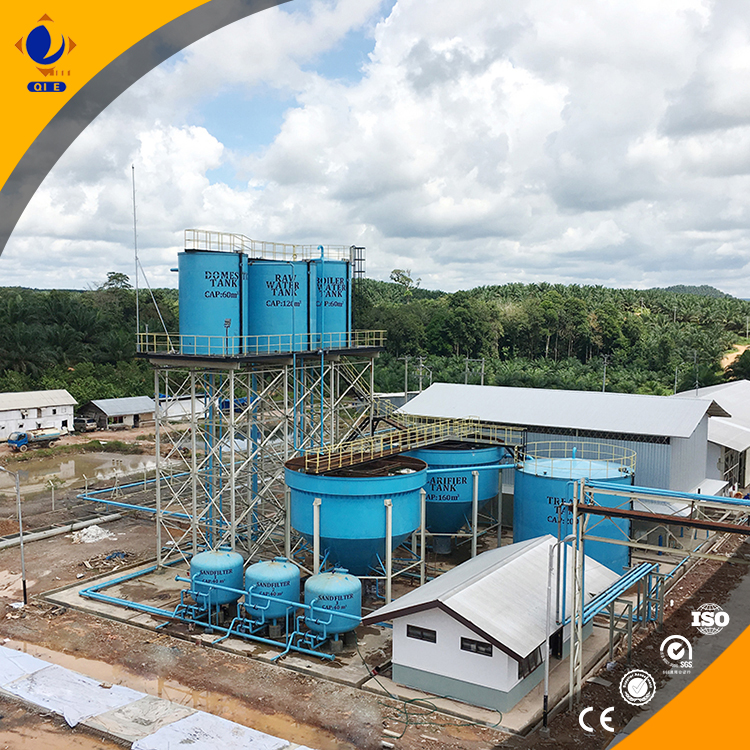
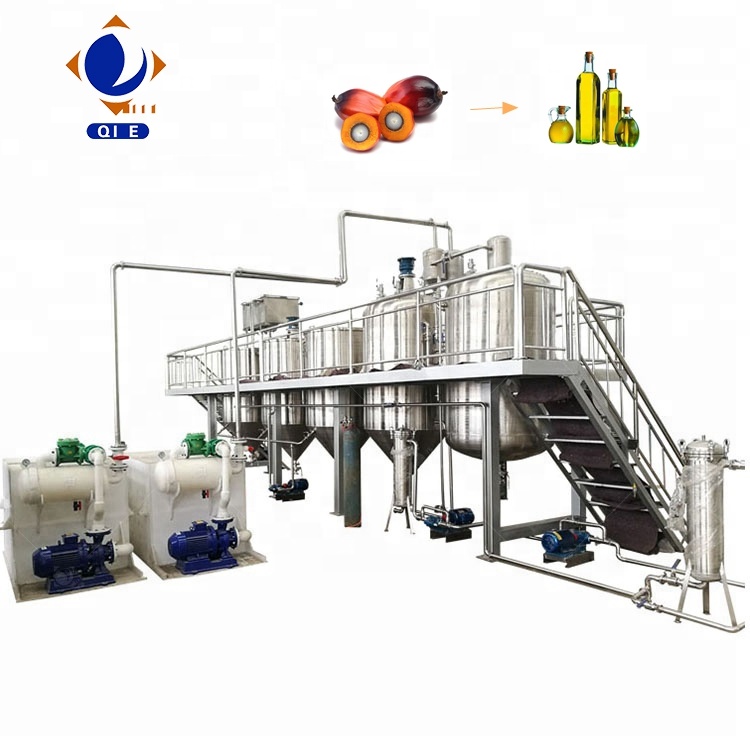
The Penguin Brand's 10-ton-per-day palm kernel oil refinery exemplifies ISO 9001’s real-world impact. Designed with certified stainless steel components, precision automation, and standardized assembly workflows, this unit achieves consistent operational safety and stable output quality over years of continuous production.
Customers frequently highlight how adherence to documented quality checks and supplier audits has minimized their maintenance costs by nearly 25% annually versus competitors' uncertified equipment.
The data clarifies a practical reality: investing in ISO 9001-certified systems translates into substantial reductions in downtime losses and operational costs. Many technical managers admit they wished they knew these correlations before committing to cheaper, uncertified solutions that led to recurring failures.
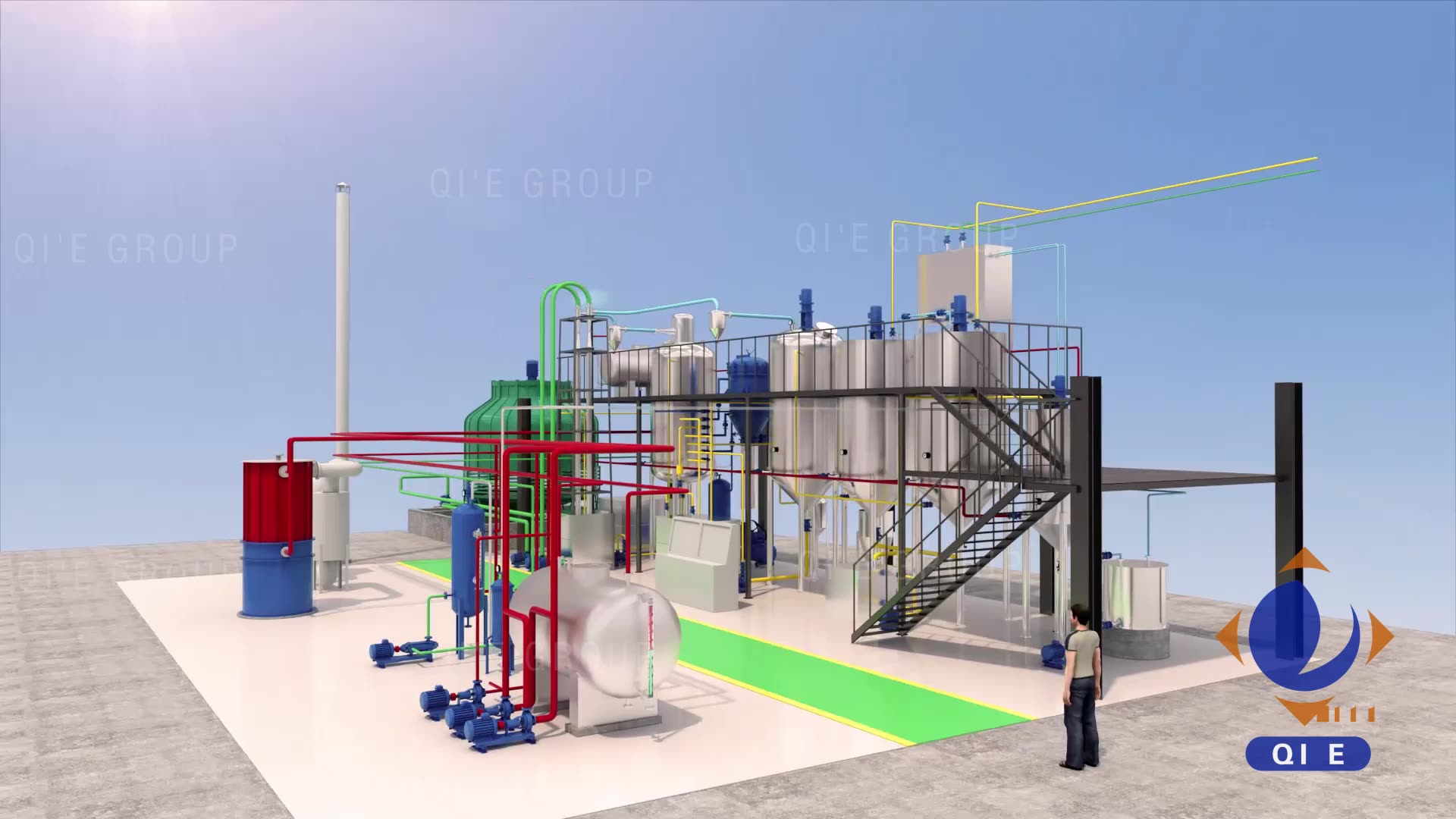
ISO 9001 certification isn’t limited to hardware quality alone; it mandates unified coordination among design, engineering, installation, and after-sale service teams. This holistic approach ensures that equipment is installed correctly and maintained proactively, effectively mitigating hazards and stabilizing production processes.
Real-world feedback underlines that suppliers offering one-stop quality warranty services witness a 35% increase in customer retention, reinforcing that sustained safety and stability come from comprehensive support rather than standalone equipment features.
Skipping these considerations often leads to “hidden costs” in downtime and oil contamination incidents—a common pitfall many experienced operators caution against.
Understand the critical details that can save you years of operational headaches.
 444
|
444
|
 palm oil press efficiency
304 stainless steel榨油机优势
efficient palm oil processing equipment
palm oil extraction technology
oilseed processing solutions
palm oil press efficiency
304 stainless steel榨油机优势
efficient palm oil processing equipment
palm oil extraction technology
oilseed processing solutions
 499
|
Palm oil pressing equipment energy - saving technology
Palm oil pressing energy consumption optimization
Palm oil pressing efficiency improvement
Pressing equipment heat recovery
Palm oil processing energy - saving misconceptions
499
|
Palm oil pressing equipment energy - saving technology
Palm oil pressing energy consumption optimization
Palm oil pressing efficiency improvement
Pressing equipment heat recovery
Palm oil processing energy - saving misconceptions
 474
|
Penguin Group multifunctional peanut oil refining equipment
efficient oil processing solutions
ISO 9001 compliant oil refining technology
474
|
Penguin Group multifunctional peanut oil refining equipment
efficient oil processing solutions
ISO 9001 compliant oil refining technology
 97
|
Palm fruit pretreatment
Palm oil pressing equipment
Fault diagnosis
Non - standard customized equipment
Automation control
97
|
Palm fruit pretreatment
Palm oil pressing equipment
Fault diagnosis
Non - standard customized equipment
Automation control
 383
|
palm oil refining equipment
efficient refining equipment
fully automated PLC control system
energy-efficient palm oil equipment
enhancing production efficiency in palm oil processing
383
|
palm oil refining equipment
efficient refining equipment
fully automated PLC control system
energy-efficient palm oil equipment
enhancing production efficiency in palm oil processing