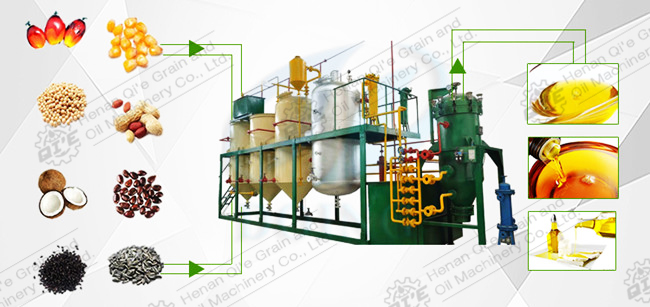
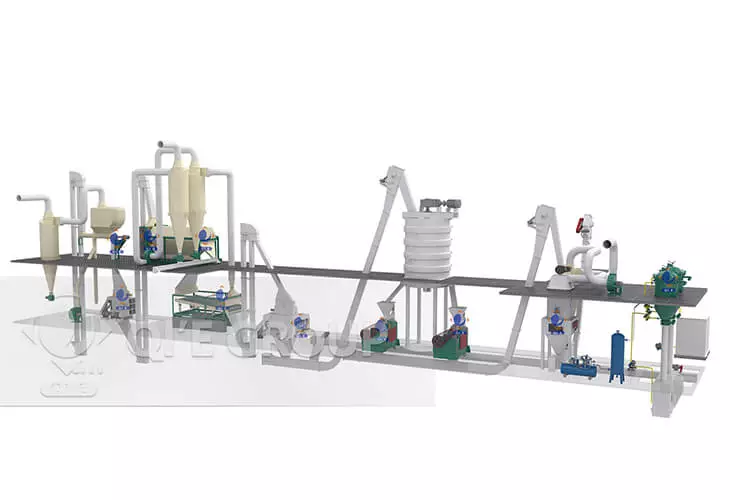
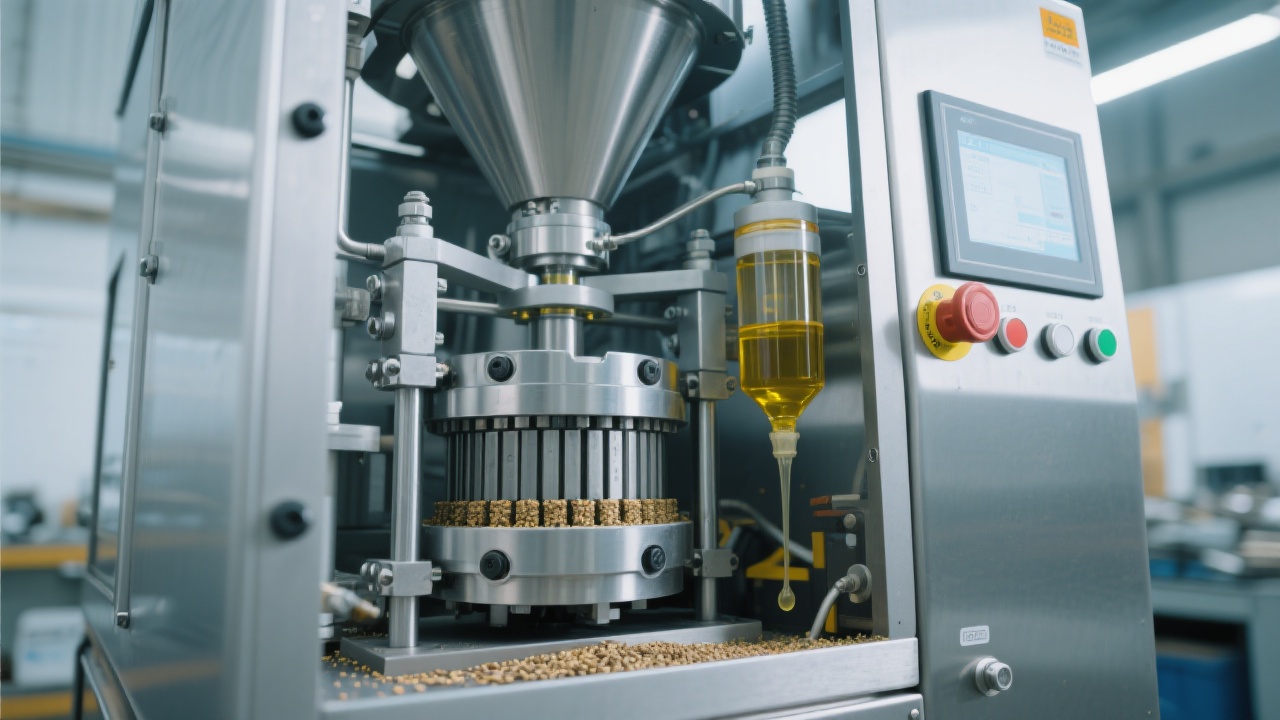
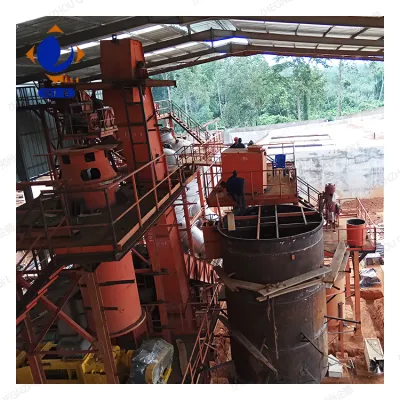
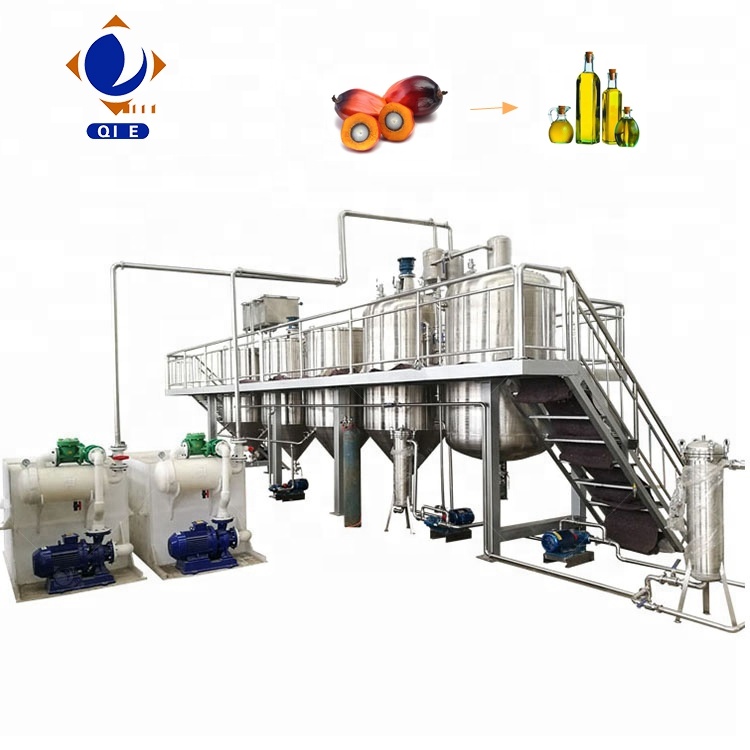
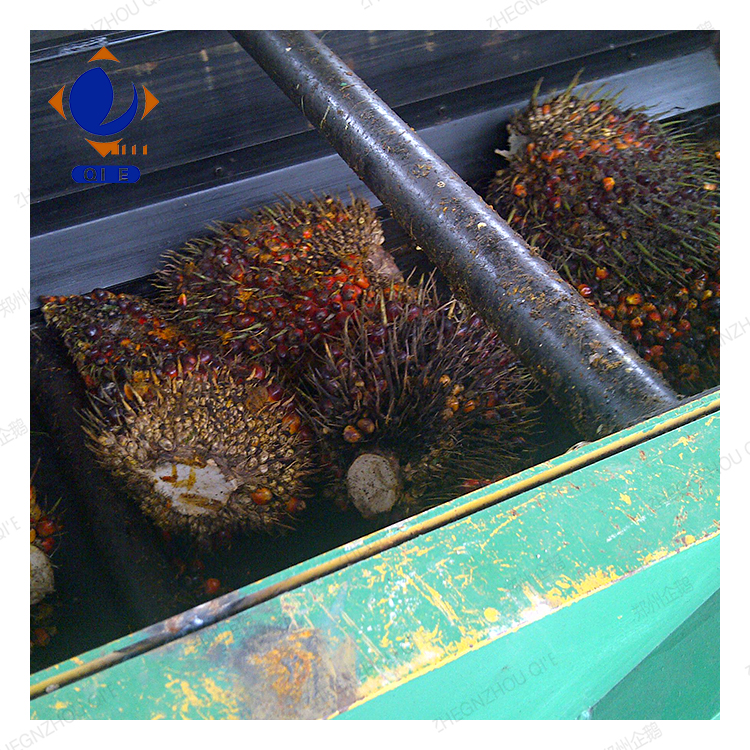
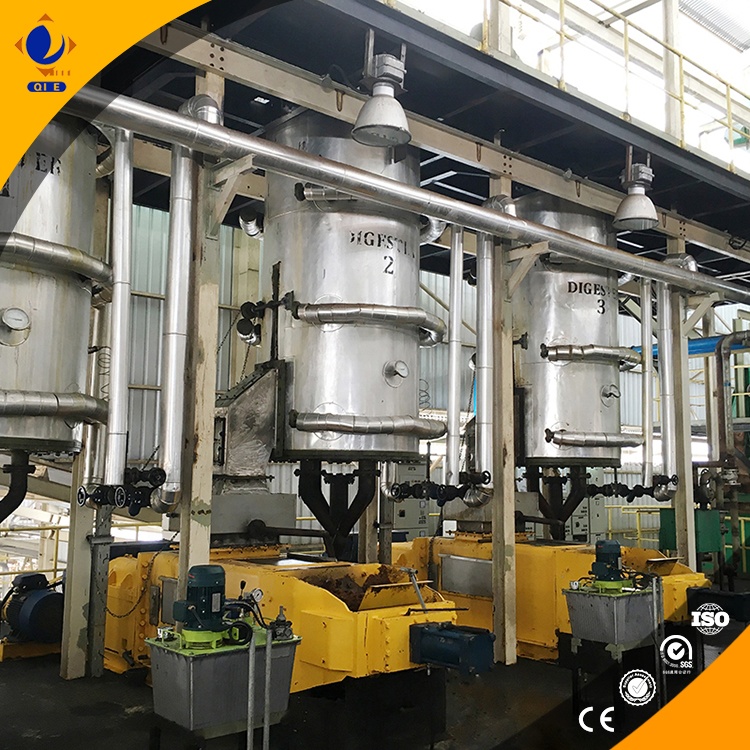
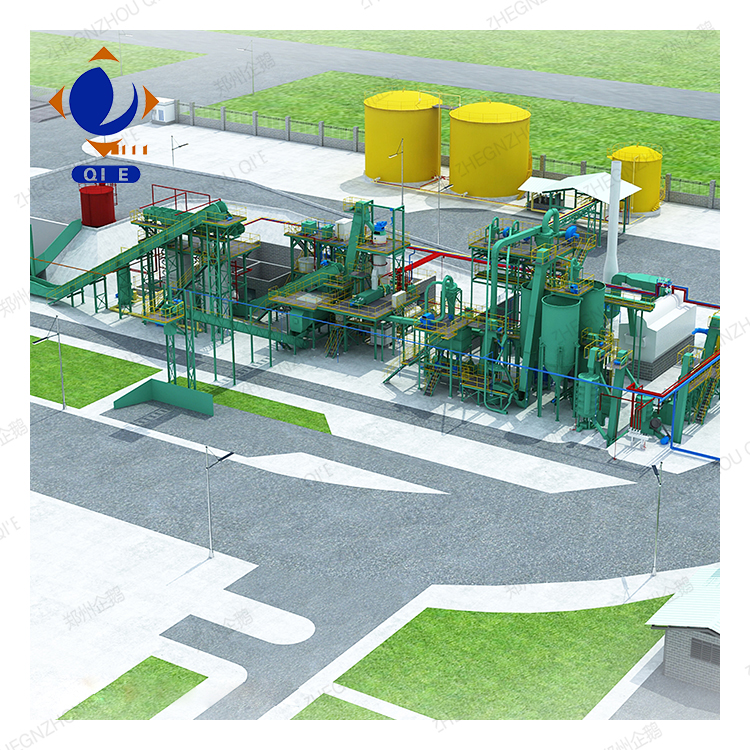
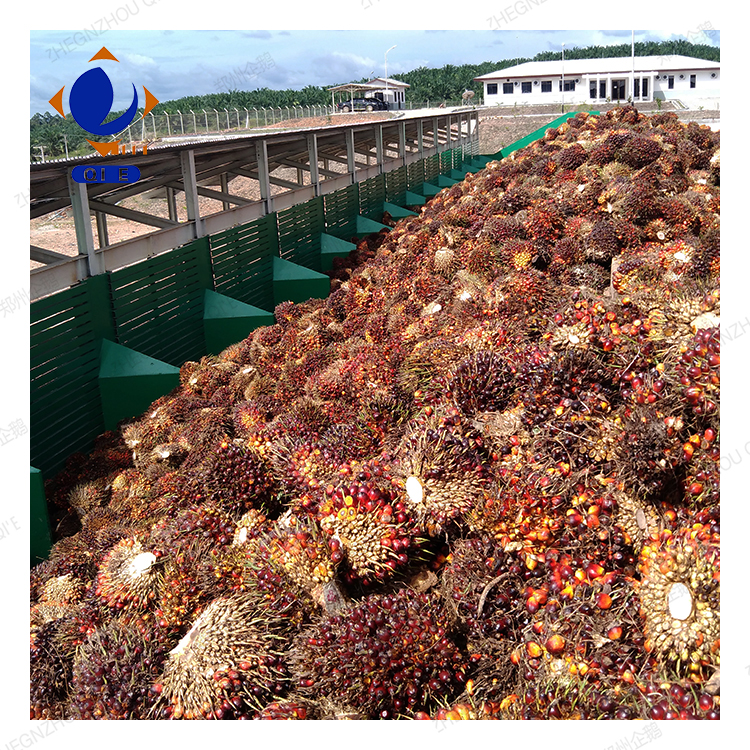
In the highly competitive palm oil industry, equipment uptime and product quality are paramount. QIE Group’s palm oil pressing and refining facility showcases how intelligent remote operations safeguard the continuous and stable functioning of automated production lines. This article explores the core technologies behind automation control systems—especially PLC (Programmable Logic Controller) modules—and reveals practical strategies used by frontline engineers to maintain smooth operation, minimize downtime, and meet stringent food-grade standards.
At the heart of palm oil automation lies the PLC control system, responsible for real-time monitoring and adjustment of critical process variables. Key parameters monitored include temperature, pressure, and flow rate, which are vital to maintaining product consistency and equipment safety. For example, temperature sensors integrated within the refining process relay continuous data to PLC modules, triggering precise modulations of heating elements to avoid thermal degradation.
Experienced engineers at QIE Group employ systematic debugging routines when alarms trigger on-screen error codes. Common alarm types include over-temperature alerts (e.g., code T101) and hydraulic pressure deviations (code P204). The first step involves cross-verifying sensor data via the PLC interface before applying corrective commands remotely, significantly reducing on-site intervention time.
Additionally, predictive maintenance is enabled through trend analysis embedded in the control software, which anticipates failures by flagging gradual parameter drifts over 48-72 hours. This proactive approach minimizes unexpected shutdowns by scheduling timely inspections.
Advanced data acquisition systems aggregate sensor outputs into centralized databases, allowing traceability of every batch processed. This digital footprint is essential for compliance with food safety regulations, enabling full-spectrum quality traceability from raw material intake to final refined oil.
Furthermore, real-time anomaly alarms—delivered via connected notification protocols—ensure rapid response to irregular conditions such as sudden temperature spikes or flow disruptions, thus preventing compromised product quality.
Remote monitoring platforms underpin a transformative shift in equipment lifecycle management. By enabling engineers to access system metrics and perform firmware updates from virtually anywhere, significant reductions in operational costs and downtime have been observed.
Industry data indicate that remote operations can improve mean time between failures (MTBF) by up to 35% while cutting maintenance response times by nearly 50%. This capability is especially valuable for geographically dispersed palm oil mills, where on-site specialist availability is limited.
Automation technology in the palm oil sector continues to evolve, with industry leaders investing in artificial intelligence-driven predictive analytics and edge computing to complement traditional PLC frameworks. Innovations such as AI-enhanced fault detection and adaptive control algorithms are on the horizon, promising unprecedented optimization levels.
Furthermore, integration with IoT devices and cloud computing platforms is enabling even richer data visualization and cross-site coordination, facilitating shared learning and optimized resource allocation.
 434
|
434
|
 Palm kernel oil production equipment selection
Palm kernel oil extraction equipment installation
Automatic palm kernel oil press
Palm kernel oil refining equipment configuration
Grain and oil processing equipment technical guide
Palm kernel oil production equipment selection
Palm kernel oil extraction equipment installation
Automatic palm kernel oil press
Palm kernel oil refining equipment configuration
Grain and oil processing equipment technical guide
 336
|
palm kernel oil extraction energy efficiency
eco-friendly palm kernel oil machinery
low solvent consumption extraction equipment
heat recovery technology
climate-adaptive oil extraction systems
336
|
palm kernel oil extraction energy efficiency
eco-friendly palm kernel oil machinery
low solvent consumption extraction equipment
heat recovery technology
climate-adaptive oil extraction systems
 456
|
Palm oil pressing equipment efficiency improvement
Advantages of 304 stainless steel oil press
Palm oil unit after - sales service system
Application cases of high - efficiency oil pressing equipment
Export - type palm oil production line
456
|
Palm oil pressing equipment efficiency improvement
Advantages of 304 stainless steel oil press
Palm oil unit after - sales service system
Application cases of high - efficiency oil pressing equipment
Export - type palm oil production line
 468
|
Palm kernel oil equipment installation specifications
Palm kernel oil extraction equipment selection
Refining equipment safety standards
Oil processing equipment commissioning
Automated oil mill construction guide
468
|
Palm kernel oil equipment installation specifications
Palm kernel oil extraction equipment selection
Refining equipment safety standards
Oil processing equipment commissioning
Automated oil mill construction guide
 202
|
palm crude oil refining equipment
energy - saving and environmental - friendly equipment
fully automatic PLC control
oil refining process
green production equipment
202
|
palm crude oil refining equipment
energy - saving and environmental - friendly equipment
fully automatic PLC control
oil refining process
green production equipment