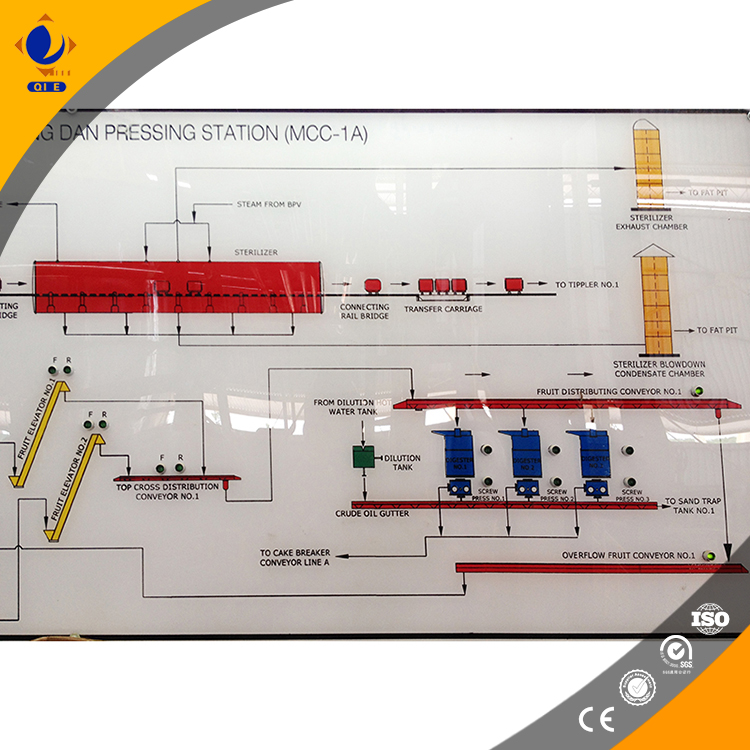
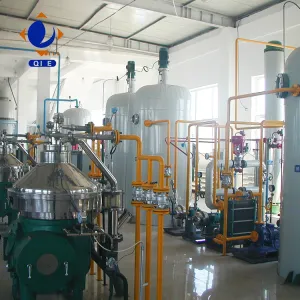
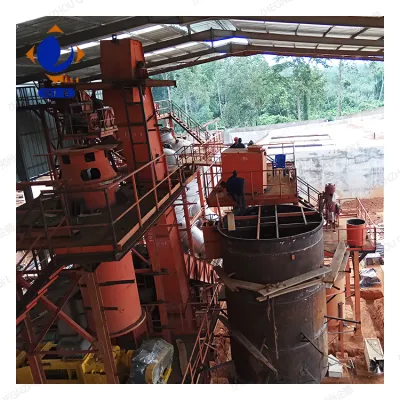
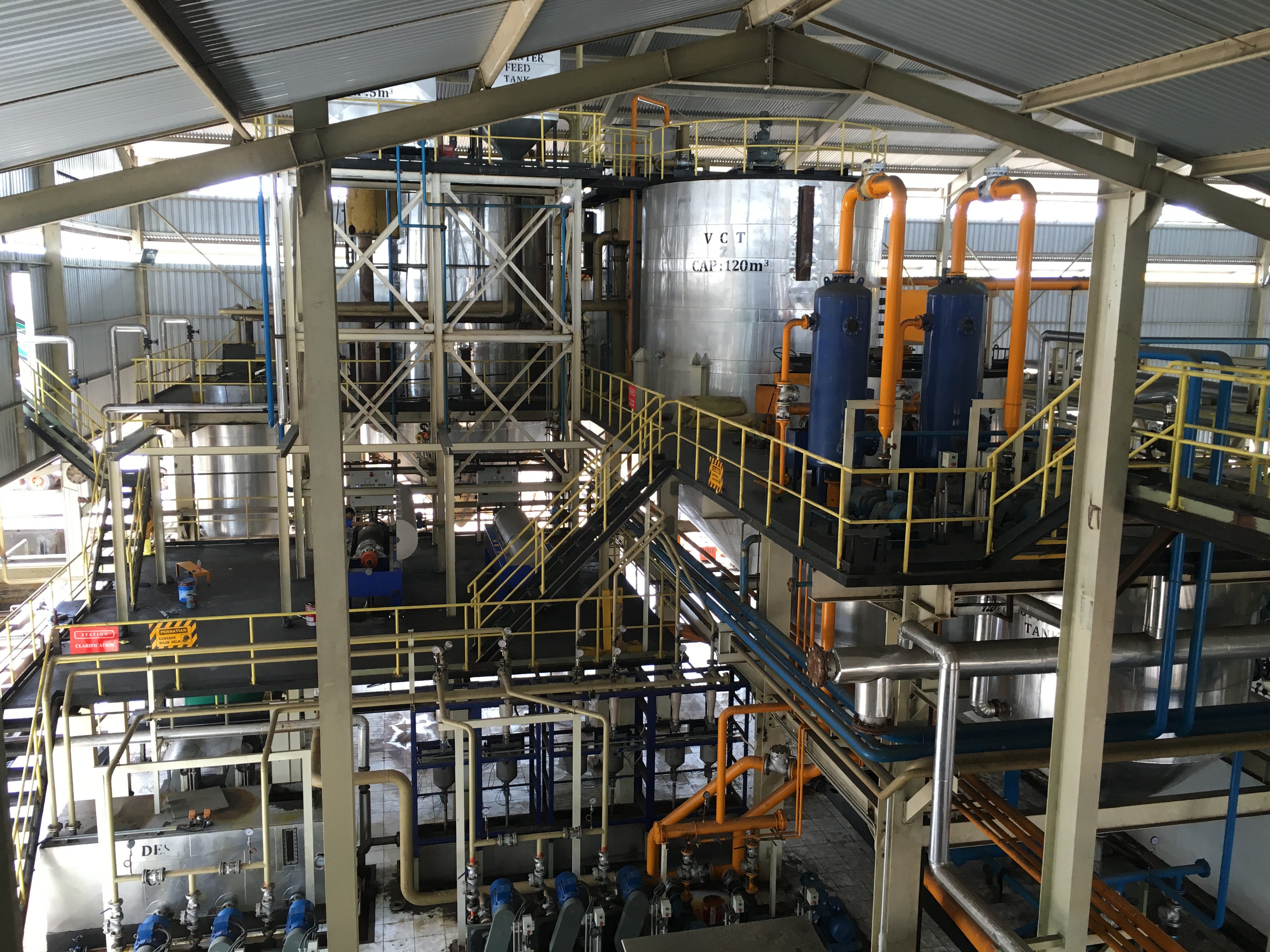
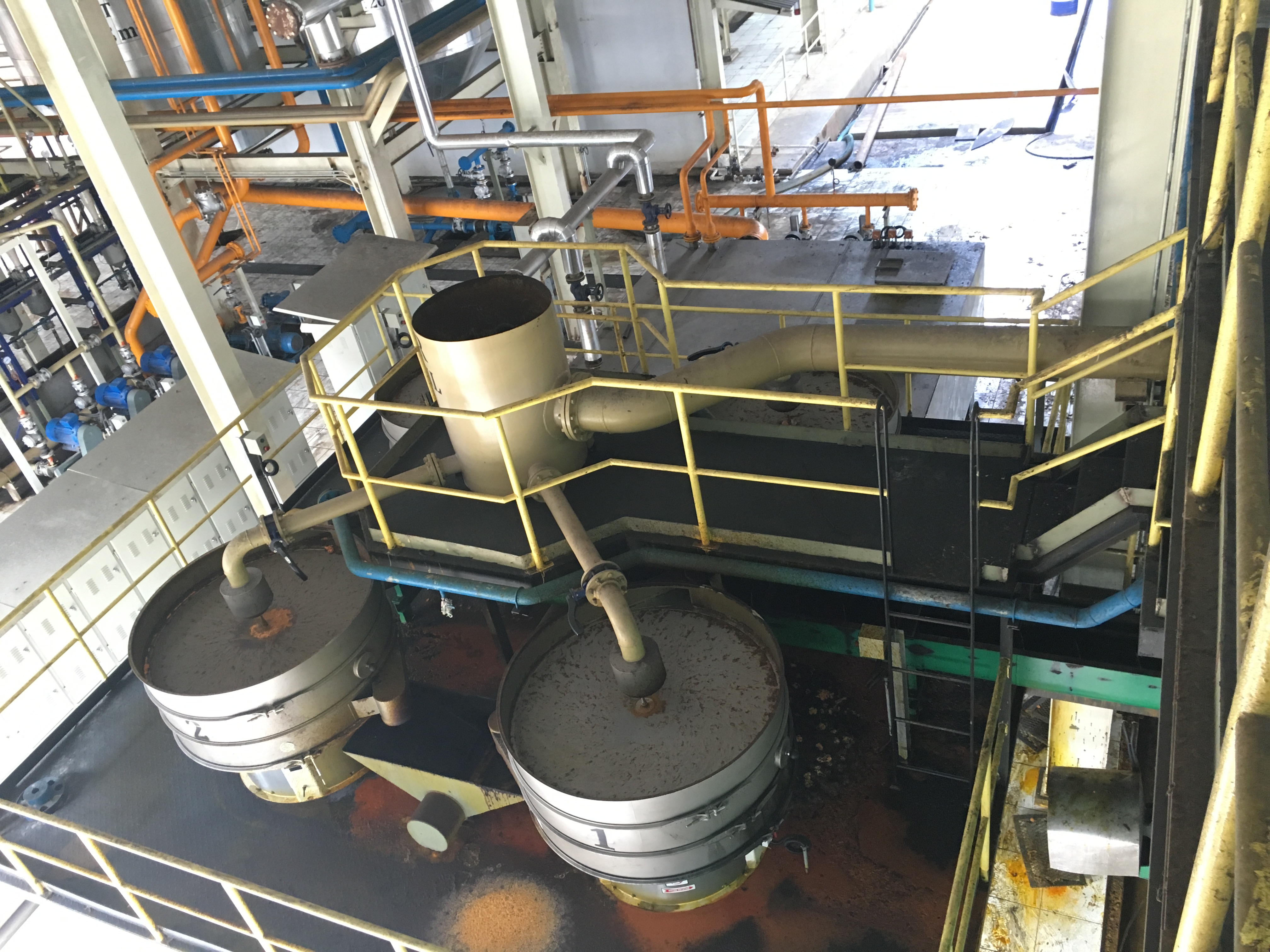
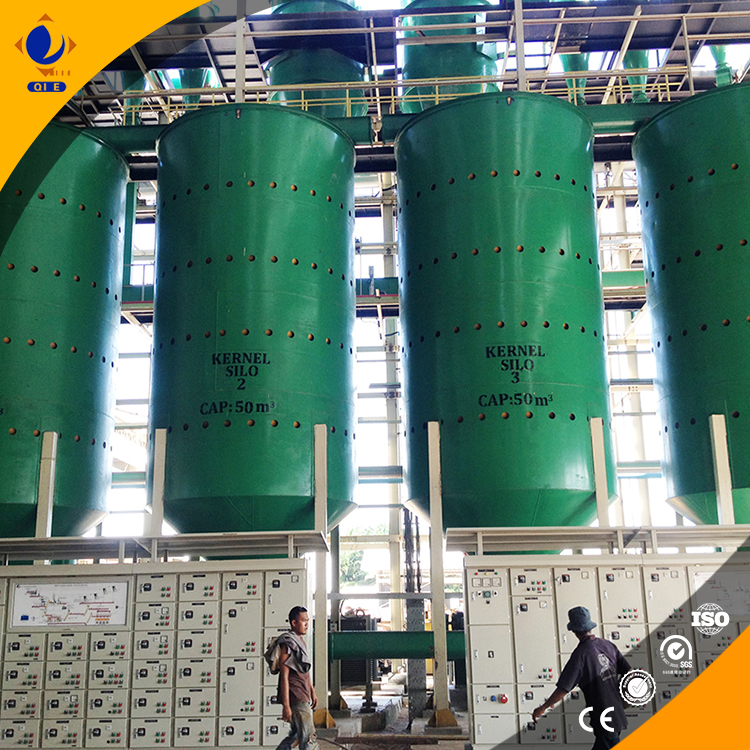
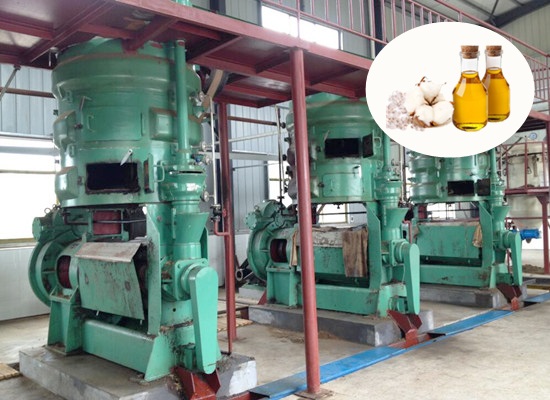
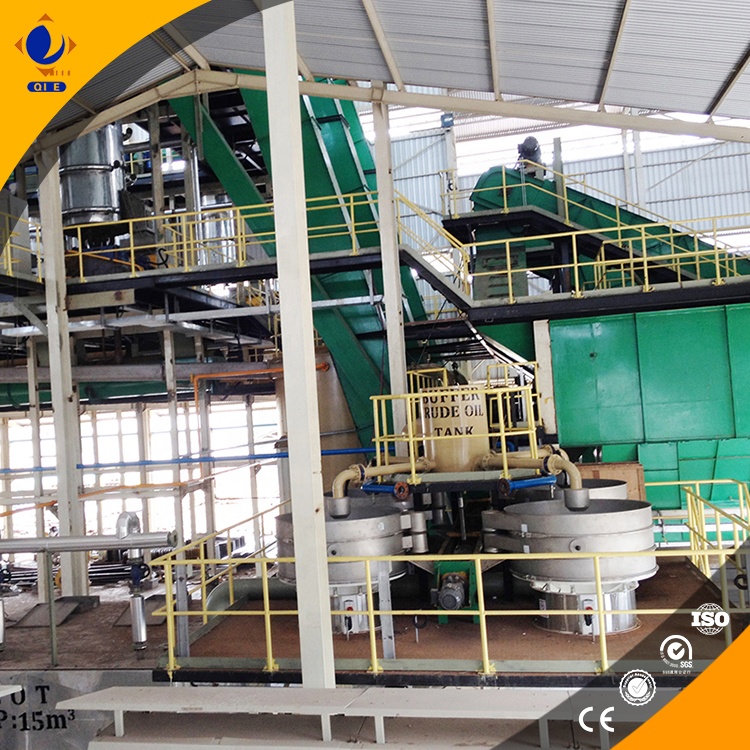
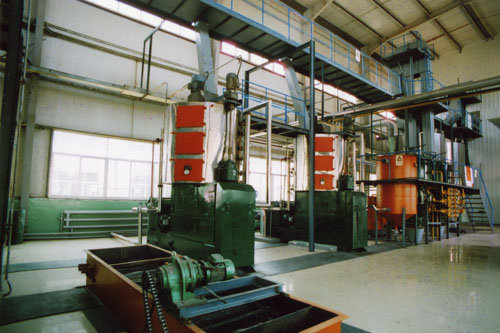
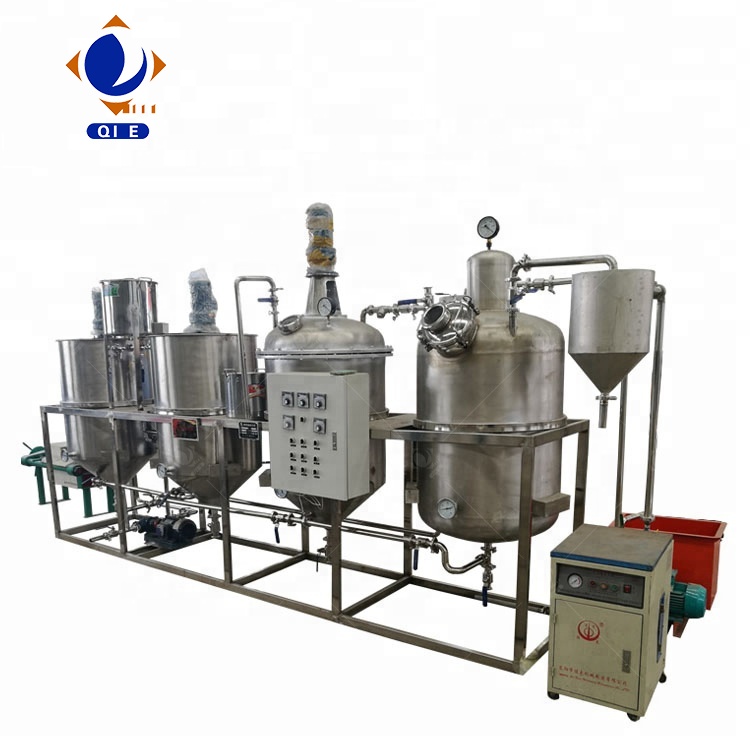
In the dynamic landscape of the palm oil industry, automation has emerged as a game - changer. This article delves into the core of palm oil refining automation, specifically focusing on the PLC control system developed by QIE Group. This system plays a crucial role in achieving intelligent regulation of temperature, pressure, and flow, thereby enhancing production stability and food safety standards.
The PLC system in palm oil refining is based on a modular design. This design allows for real - time monitoring of multiple parameters and coordinated adjustment. For example, it can simultaneously monitor the temperature at different stages of the refining process and adjust the heating or cooling equipment accordingly. By doing so, it significantly improves the consistency of the refining process. According to industry data, a well - implemented PLC system can reduce process variability by up to 30%, leading to higher - quality palm oil products.
In actual operation, the PLC system often generates various alarm codes. Common codes such as E01 and E03 have specific meanings and corresponding processing procedures. In a real - world case, when an E01 alarm occurred in a palm oil refining plant, it indicated a pressure anomaly. By referring to the pre - set troubleshooting guide, the operator was able to quickly locate the problem in the pipeline valve within 15 minutes and resolve the issue, minimizing production downtime. Here are some of the一线工程师 feedback: "The clear alarm code system helps us a lot in quickly identifying and solving problems, which greatly improves our work efficiency."
The data acquisition system integrated with the PLC system is of great value in quality management. It can record batch - related information, which is essential for quality traceability. In case of a quality issue, the plant can trace back each step of the refining process, from raw material input to the final product. Moreover, it can issue early warnings when abnormal data is detected, ensuring that the production process meets ISO9001 quality system requirements. Studies have shown that plants using such data - driven quality management systems have a 20% lower probability of product recalls.
One of the significant advantages of the PLC system is its remote diagnostic and cloud - based support capabilities. Through remote monitoring, engineers can detect potential problems before they cause major disruptions. For instance, if a component shows signs of abnormal wear, the system can send an alert to the engineer, who can then perform maintenance remotely or schedule on - site repairs in advance. This reduces the average downtime of the production line from several hours to less than an hour, ensuring continuous and safe operation.
In line with the global trend of intelligent development in the palm oil industry, the future of PLC control systems is full of potential. Innovations such as AI - optimized control algorithms and edge - computing integration are expected. AI optimization can further improve the accuracy of parameter control, while edge computing can reduce data transmission delays, enabling more timely decision - making. Are you ready for these exciting technological advancements?
You've learned about the amazing features of the PLC control system in palm oil refining. Now, it's time to take action! What common alarms have you encountered? Share your experiences in the comment section.
立即获取完整设备手册 & 技术支持指南,开启高效棕榈油精炼新体验!
 440
|
440
|
 palm fruit pretreatment
high humidity washing technology
palm oil extraction equipment
customized processing machinery
cooking temperature optimization
palm fruit pretreatment
high humidity washing technology
palm oil extraction equipment
customized processing machinery
cooking temperature optimization
 491
|
palm oil refining technology
energy-efficient refining equipment
automated PLC control system
491
|
palm oil refining technology
energy-efficient refining equipment
automated PLC control system
 338
|
PLC automation control system for palm kernel oil processing
intelligent regulation technology in oil extraction
palm kernel oil refining equipment optimization
automated oil processing plant solutions
industrial control system for edible oil production
338
|
PLC automation control system for palm kernel oil processing
intelligent regulation technology in oil extraction
palm kernel oil refining equipment optimization
automated oil processing plant solutions
industrial control system for edible oil production
 35
|
palm oil press equipment troubleshooting
palm oil extraction equipment maintenance
palm oil processing line problems
304 stainless steel oil press
automated oil press system
35
|
palm oil press equipment troubleshooting
palm oil extraction equipment maintenance
palm oil processing line problems
304 stainless steel oil press
automated oil press system
 257
|
Palm oil pressing process
Equipment selection guide
Highly automated equipment
Energy - saving technology
304 stainless steel
257
|
Palm oil pressing process
Equipment selection guide
Highly automated equipment
Energy - saving technology
304 stainless steel