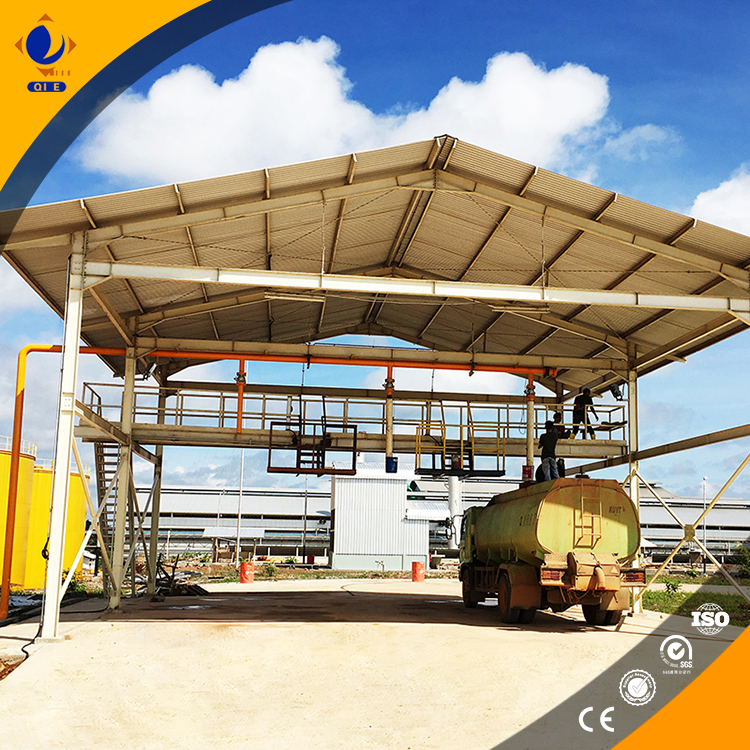
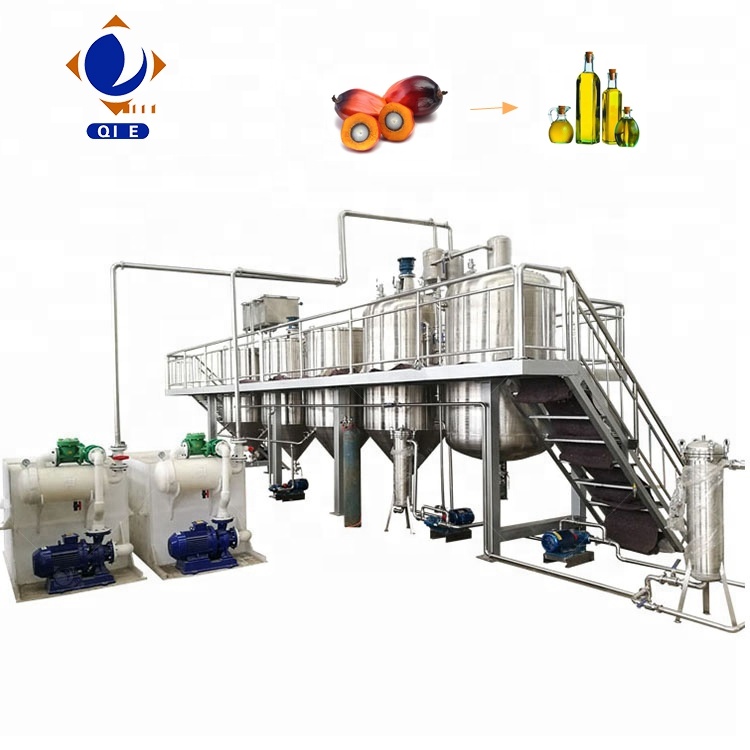
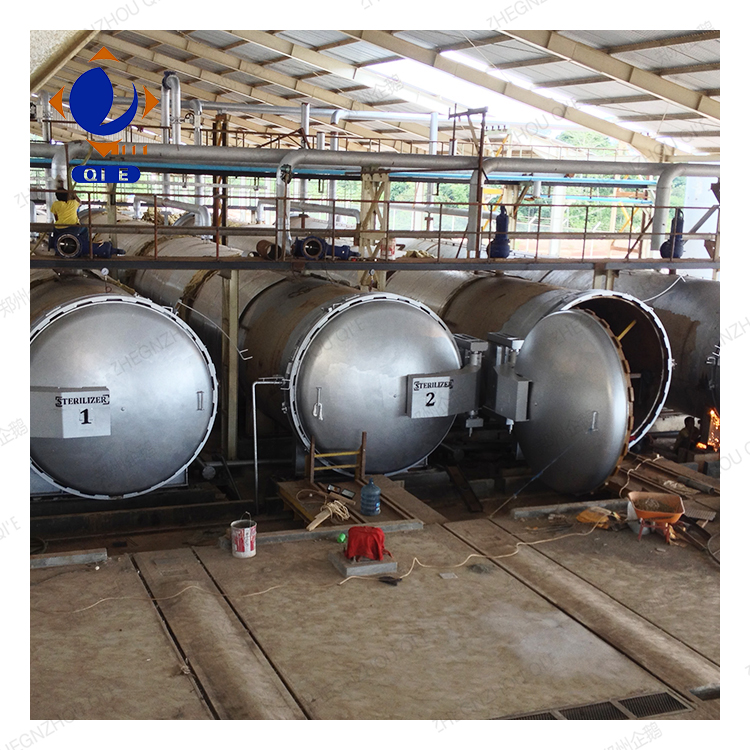
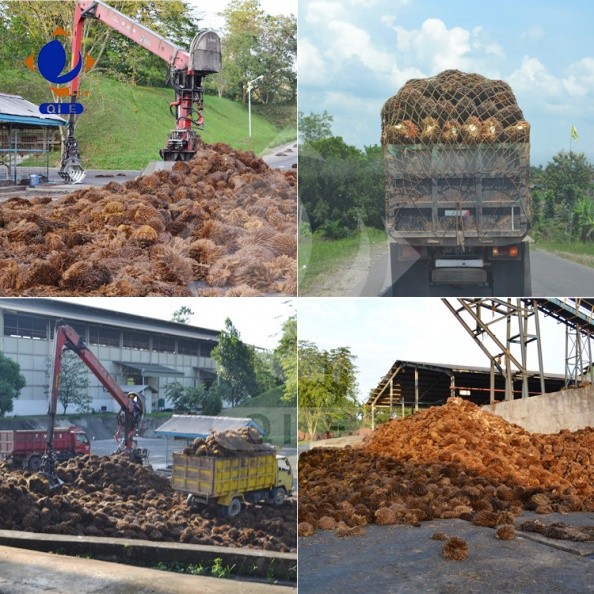
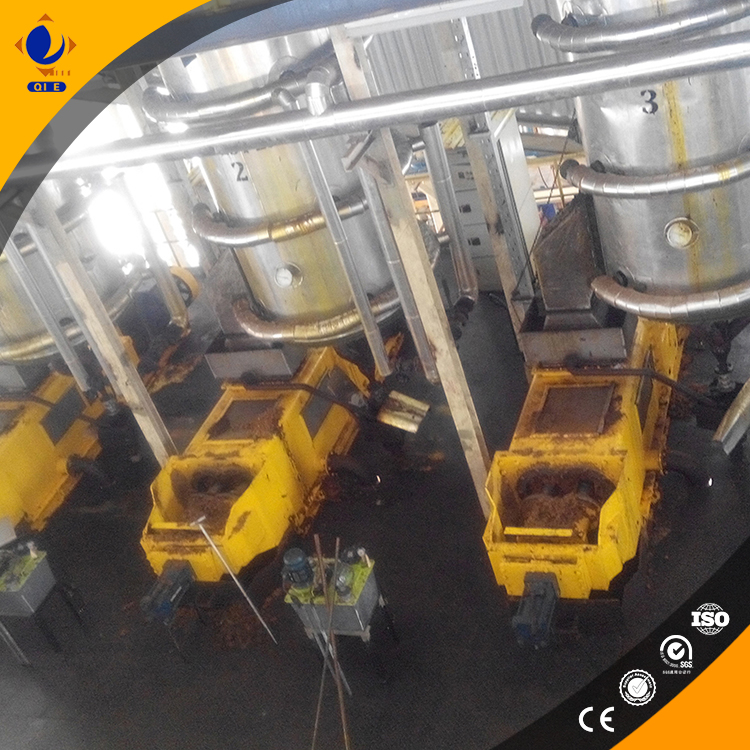
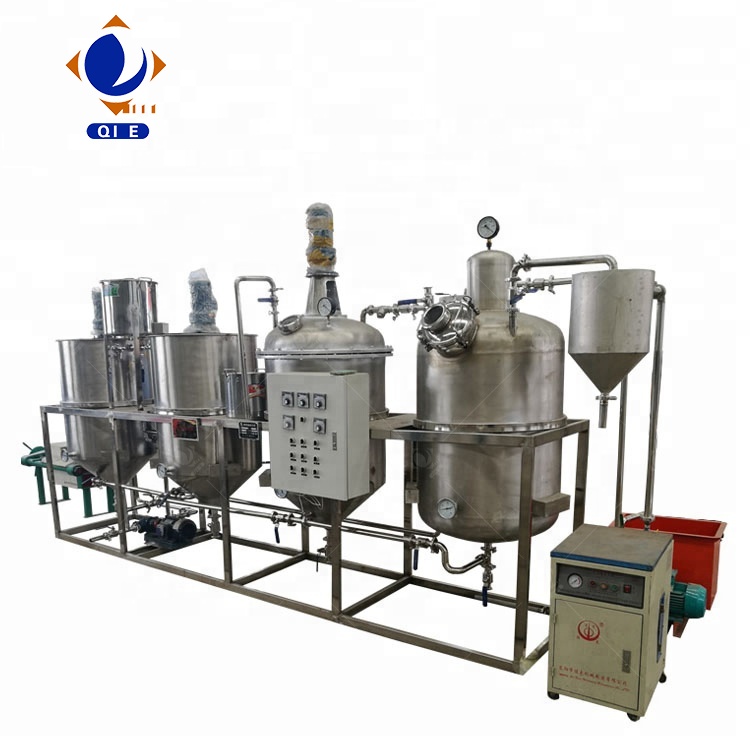
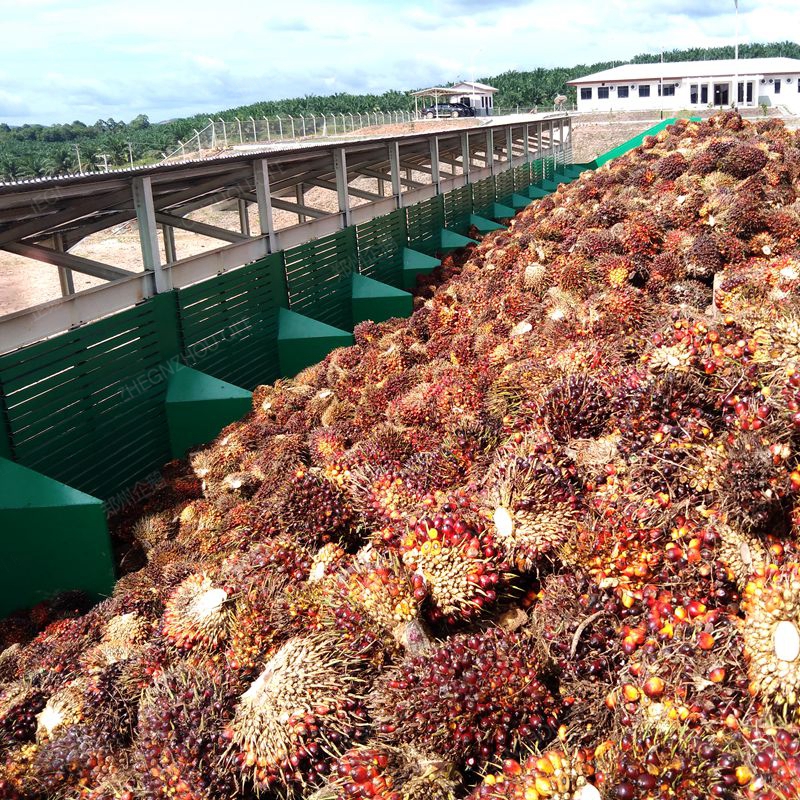
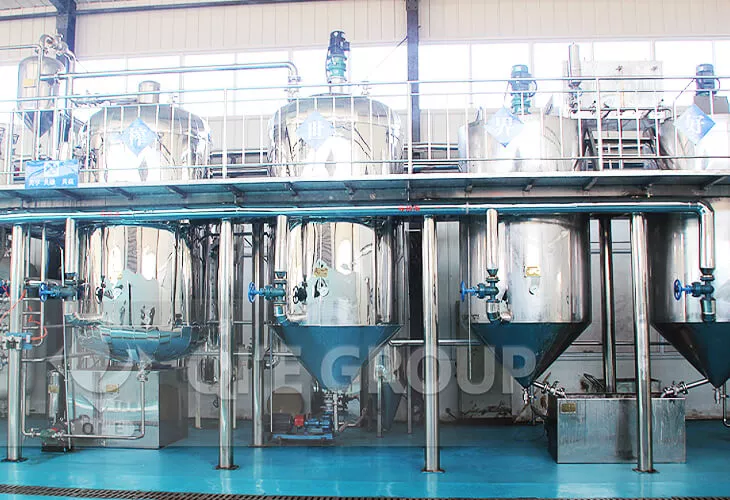
The palm oil industry in Nigeria and other key producing countries like Malaysia is undergoing a paradigm shift. Traditional palm oil refining methods, although proven, no longer meet the rising demands for higher yields, energy efficiency, and environmental compliance. Industrial-grade palm oil refining machines, equipped with state-of-the-art technology, offer transformational advantages to scale production and boost plant efficiency for producers. This article delves into the core technical benefits of these machines, their real-world applications, and the impact on operational productivity and sustainability.
Traditional palm oil refining set-ups typically involve manual operations and outdated machinery, which cause bottlenecks in production throughput and increase waste. Low automation levels often result in inconsistent product quality, higher labor costs, and increased downtime. Additionally, conventional machines are usually designed for smaller batch processing, restricting scalability. Energy inefficiency and limited voltage compatibility limit their adaptability across regions, such as Nigeria’s varied electrical infrastructure.
Industrial-grade palm oil refining machines adopt modular design principles, enabling flexibility to adjust to diverse plant sizes and production volumes. These units are engineered to comply with multi-voltage inputs (220V to 440V), making them versatile for Nigerian facilities and other global markets. Power efficiency improvements reach up to 15% compared to traditional models, largely driven by optimized motor and heater systems combined with sophisticated automation controls.
Automation significantly reduces human intervention, leading to streamlined production lines and consistent refinement precisely adhering to set parameters. This results in product purity improvements and higher output stability, with reported finished oil yield rates between 98% and 99%. The automation also supports integrated safety protocols reducing operational hazards and minimizing product contamination risks.
Facilities in Nigeria utilizing industrial-grade refining equipment from QIE Group have experienced up to 25% increase in production capacity within the first operational year. Enhanced throughput combined with reduced downtime translated to tangible cost savings in labor and energy consumption. Similarly, large-scale Malaysian palm oil processors have improved batch processing time by approximately 20%, while achieving product consistency compliant with international export standards.
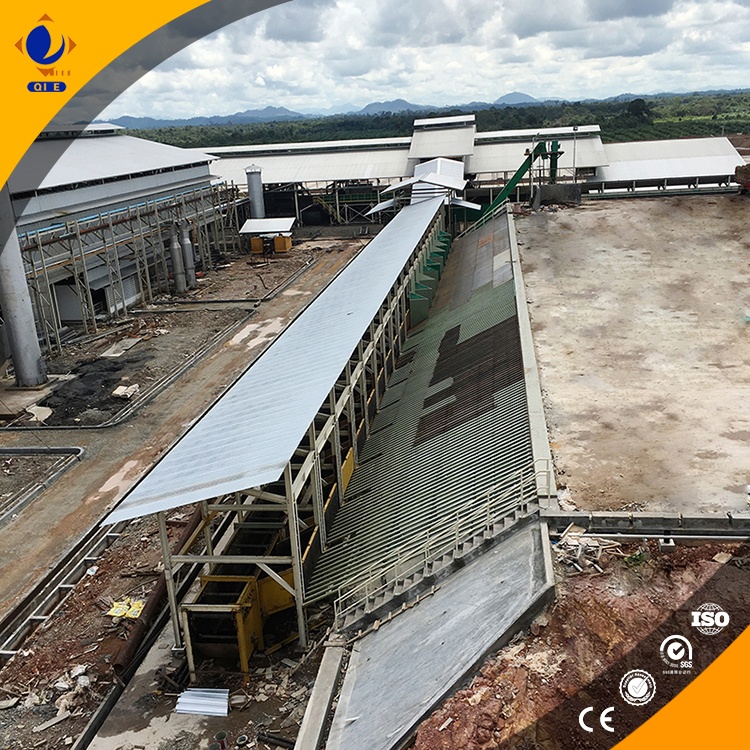
Data comparisons reveal that industrial refining machines cut labor dependency by over 40% and reduce waste oil by 12%-15%, as traced through process analytics. These machines use closed-loop control systems that recycle heat and optimize chemical dosing during neutralization and bleaching stages, minimizing both resource use and environmental footprint.
QIE Group’s industrial palm oil refining machines adhere strictly to the ISO9001:2000 quality management system, assuring users of consistent manufacturing quality and traceability. Built with industrial-grade stainless steel and state-certified components, these machines offer long-term durability, critical for ROI in high-volume production environments. Scheduled preventive maintenance features and remote diagnostics further enhance uptime reliability.
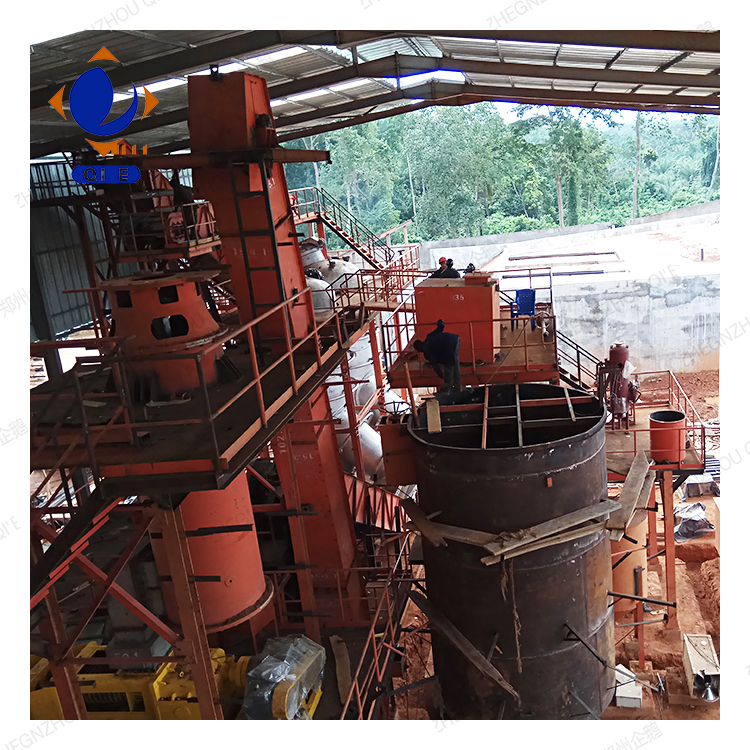
Besides efficiency, the shift towards industrial equipment highlights sustainability. The incorporation of energy-saving drives, optimized thermal insulation, and automated waste management aligns with global environmental standards. Such features significantly reduce the carbon footprint of palm oil processing plants, making them compliant with emerging green trade regulations, vital for export-driven Nigerian factories.
When selecting machinery for scaling operations, Nigerian producers should evaluate:
Engaging with trusted manufacturers like QIE Group ensures access to technical support and training, crucial for seamless equipment integration and operation.

 467
|
467
|
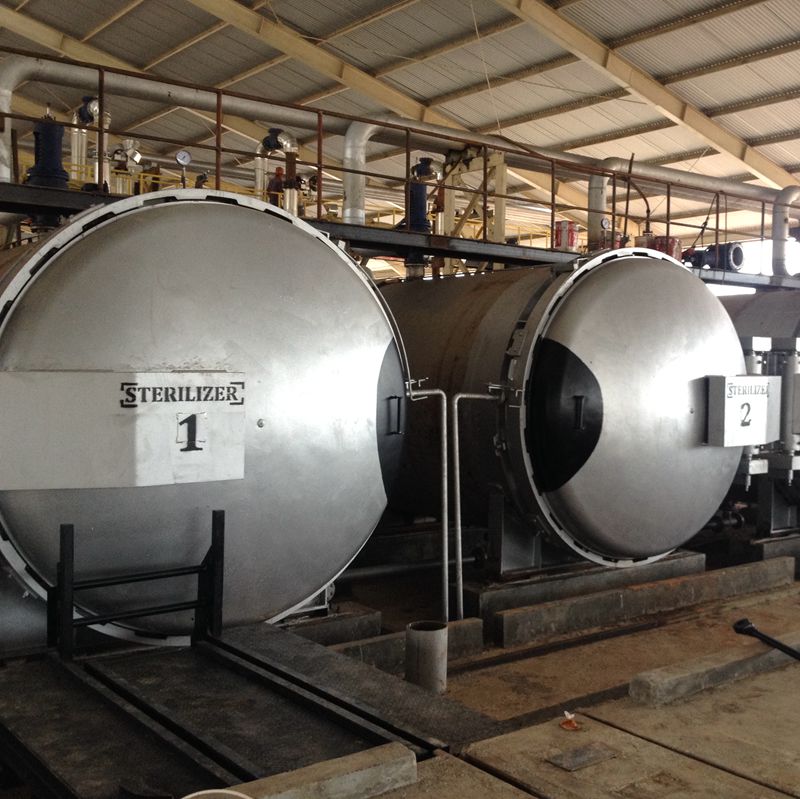
 palm fruit pre-treatment process
steaming temperature curve design
African palm oil processing
oil yield improvement technology
customized processing equipment
palm fruit pre-treatment process
steaming temperature curve design
African palm oil processing
oil yield improvement technology
customized processing equipment
 35
|
Palm oil pressing equipment
Automation control system
PLC control
Remote operation and maintenance
Quality traceability
35
|
Palm oil pressing equipment
Automation control system
PLC control
Remote operation and maintenance
Quality traceability
 456
|
multifunctional peanut oil refining equipment
food safety compliant oil refining technology
oil refinery solutions for small oil mills
456
|
multifunctional peanut oil refining equipment
food safety compliant oil refining technology
oil refinery solutions for small oil mills
 46
|
compact palm oil production line equipment
efficient eco-friendly oil press equipment
customized palm oil processing equipment
46
|
compact palm oil production line equipment
efficient eco-friendly oil press equipment
customized palm oil processing equipment
 296
|
small-scale palm oil production line
high-efficiency palm oil pressing equipment
palm oil processing technology
environmentally friendly oil extraction machines
food and beverage processing equipment
296
|
small-scale palm oil production line
high-efficiency palm oil pressing equipment
palm oil processing technology
environmentally friendly oil extraction machines
food and beverage processing equipment