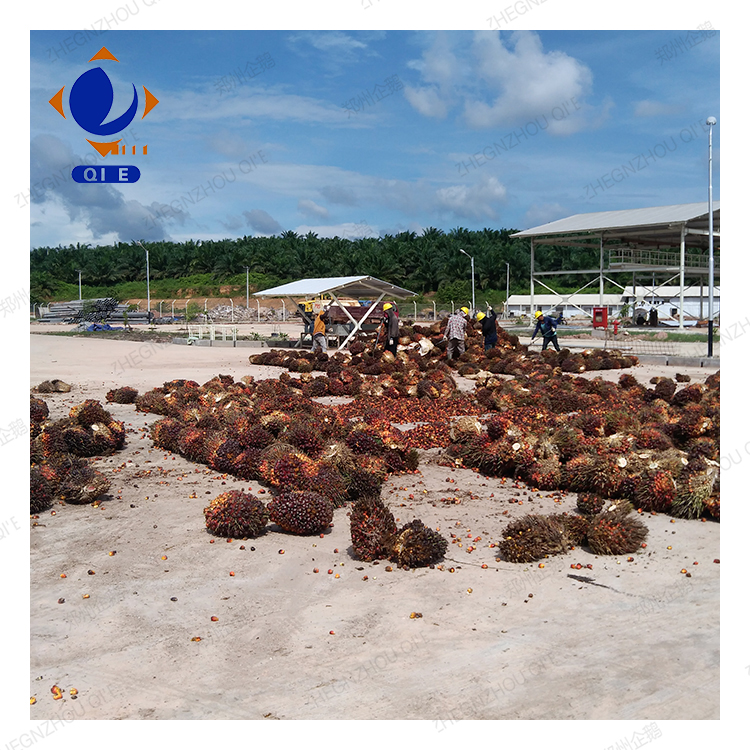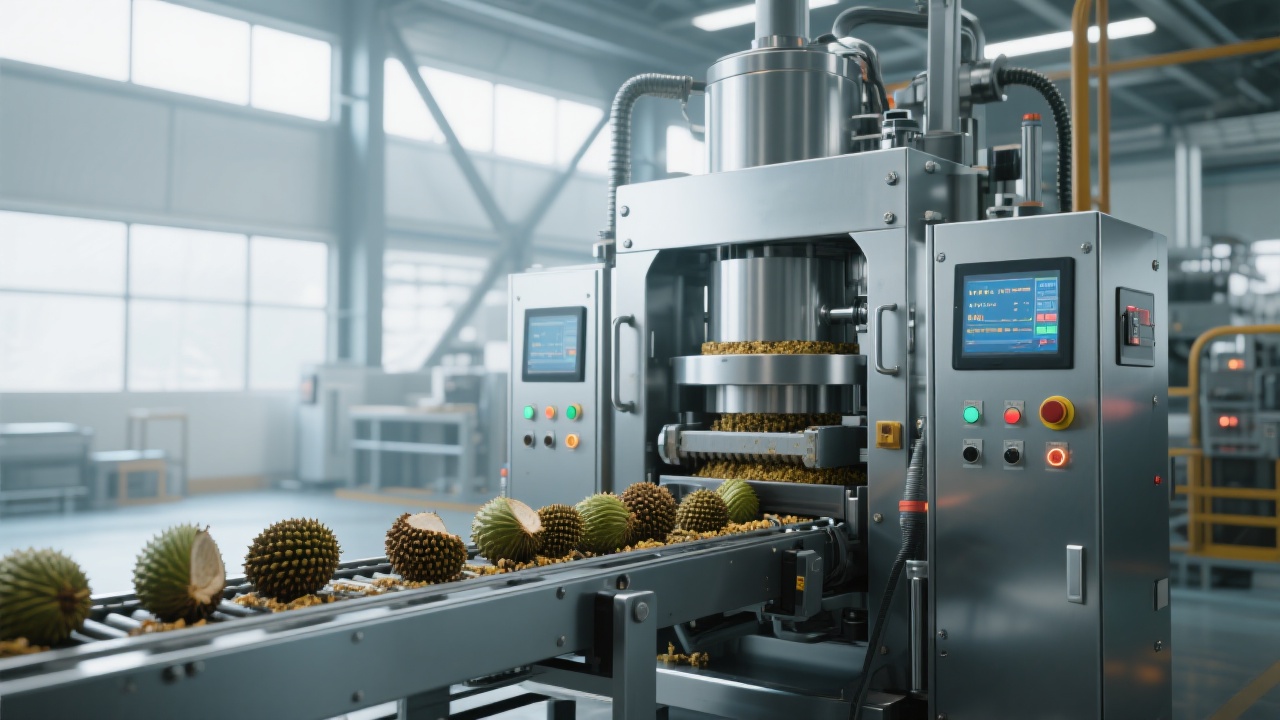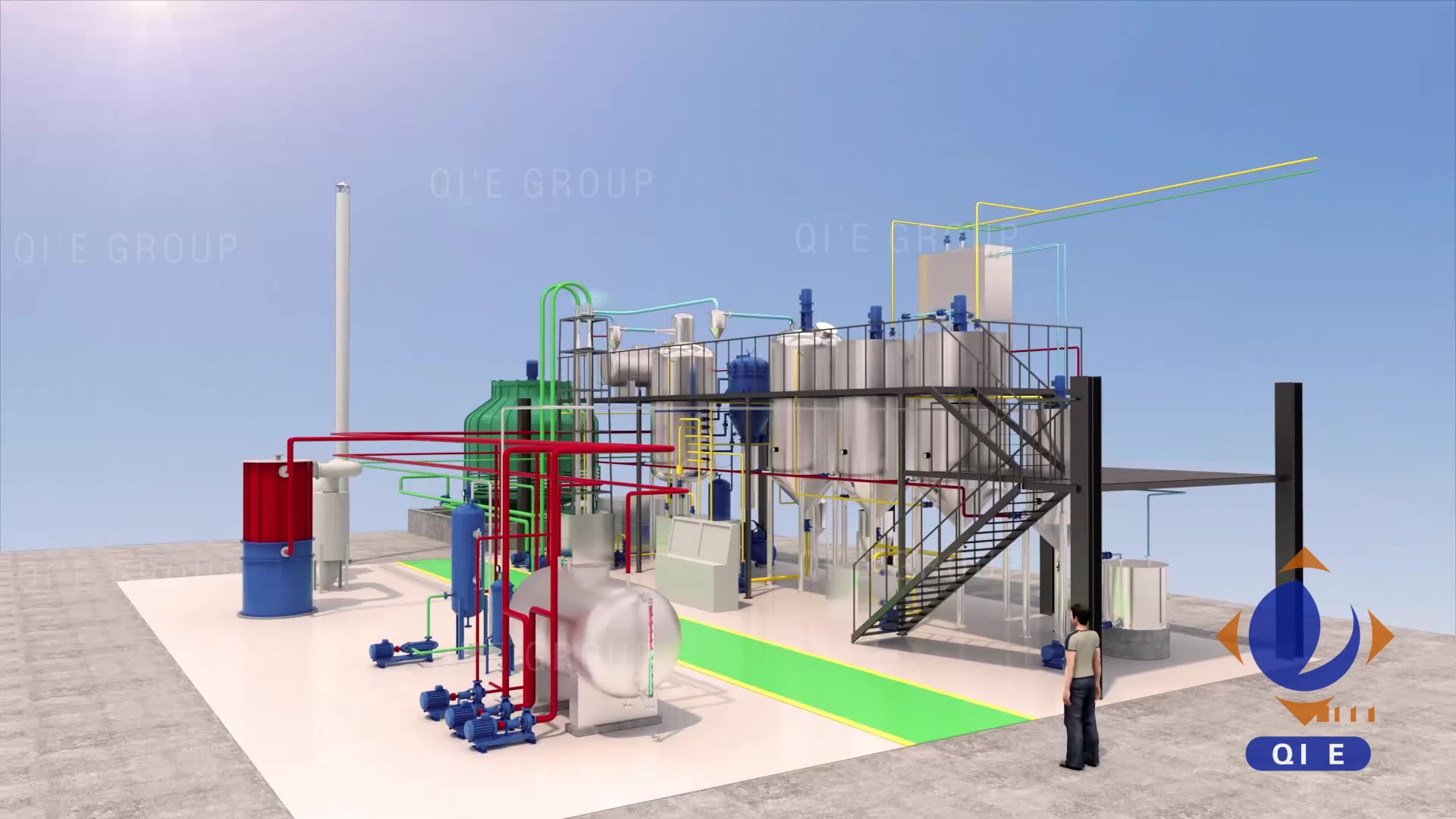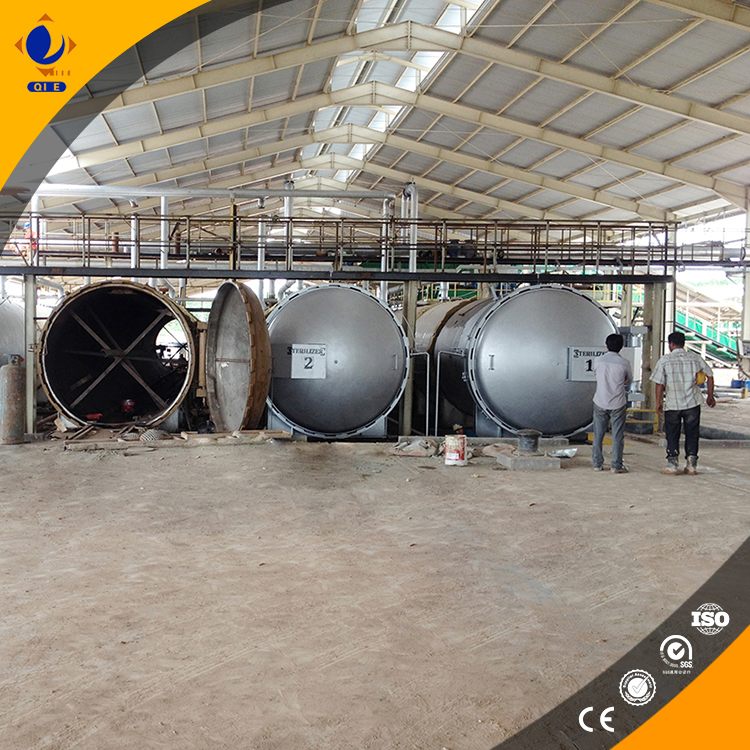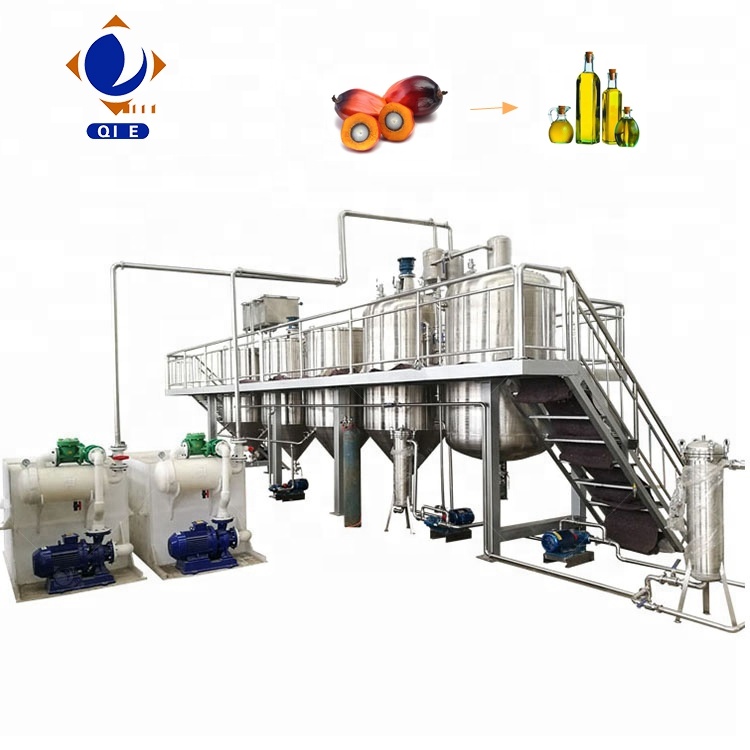
The palm oil industry in Nigeria faces increasing pressure to enhance production efficiency while addressing environmental challenges. Traditional refining equipment often results in high energy consumption, labor intensiveness, and excessive waste—limiting growth potential for scale-up operations. However, adopting industrial-grade palm oil refining machines has proven transformative, delivering substantial productivity and sustainability gains.
In many Nigerian palm oil processing plants, manual or semi-automatic refining setups struggle with inconsistent output and quality control issues. Process interruptions coupled with outdated technology contribute to:
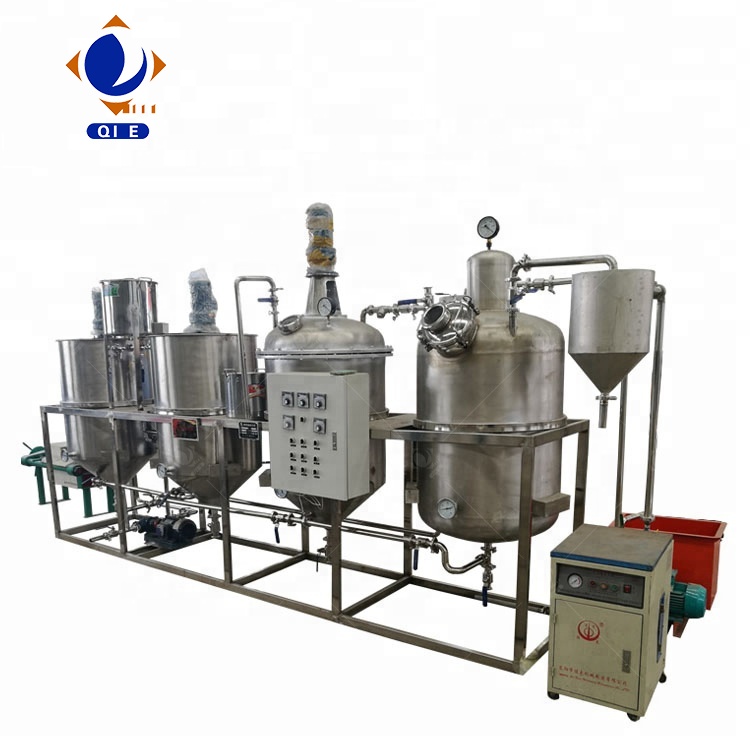
Industrial palm oil refining machines integrate advanced features that address core challenges of traditional equipment. Key technological strengths include:
| Feature | Traditional Equipment | Industrial-Grade Refiner |
|---|---|---|
| Energy Consumption | ~22 kWh per ton | ~15 kWh per ton (30% reduction) |
| Output Yield | 93% - 95% | 98% - 99% |
| Waste Bleaching Earth Generated | ≥50% | ≤35% |
| Automation Level | Manual to Semi-Automatic | Fully Automated Control System |
| Power Compatibility | Limited Voltage Options | Supports 380V & 450V Configurations |
The industrial machines boast modular structures that facilitate easy scaling and maintenance in the field. Their size adaptability allows varied throughput fits for factories ranging from small-scale setups to large production units. Critically, their electrical design ensures seamless integration with Nigeria’s standard power supply (commonly 380V or 450V), preventing frequent voltage-related downtime.
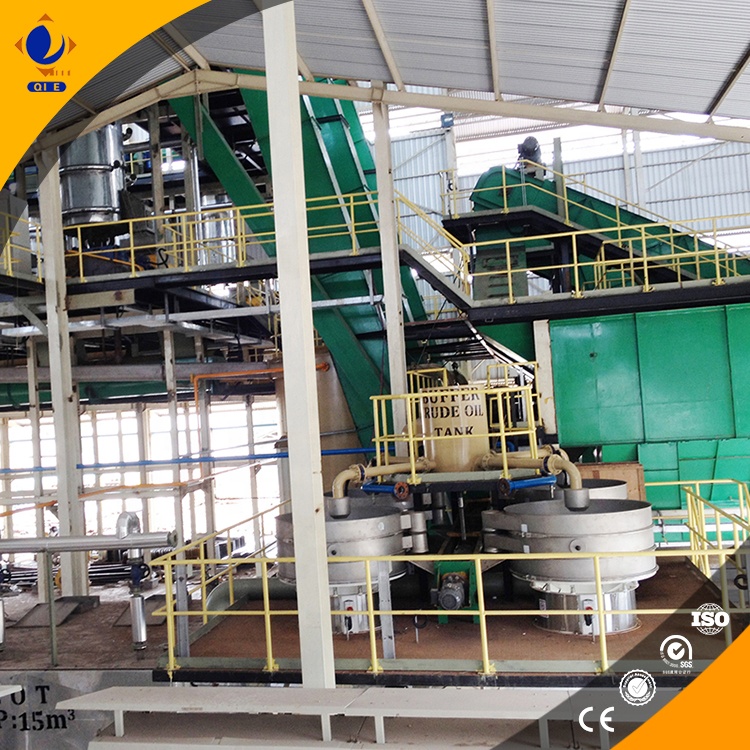
Case studies from Malaysia, the world’s leading palm oil producer, validate these machines’ capabilities. Malaysian mills report a consistent production increase of 15-20% per unit time with 25% less labor input post-adoption. Nigerian users echo similar experiences, noting the ease of operation and material savings alongside lower energy bills.
“Since installing the industrial-grade refiner, our factory's daily output surged by 18%, with a remarkable cut in power costs. It has been a game changer for our operational efficiency.” – Operations Manager, Ogun State Palm Oil Plant
All machines are manufactured adhering to ISO9001 quality management standards, ensuring consistent reliability and durability. This certification guarantees stringent process controls during production, enhancing machine lifespan and reducing downtime frequency. Nigerian palm oil processors can thus confidently scale operations knowing their investment will sustain high returns across equipment lifecycle.
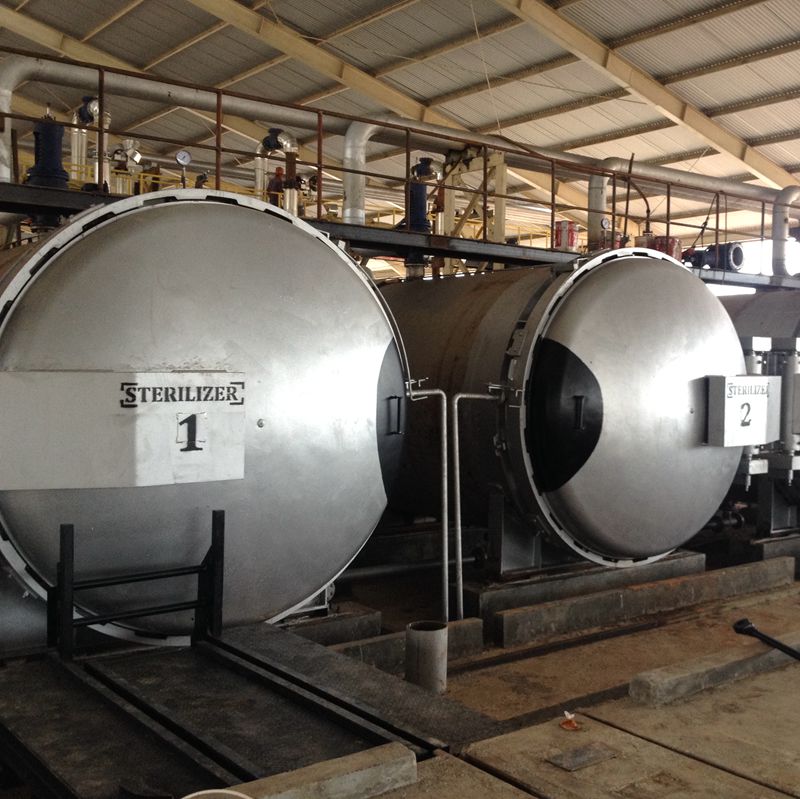
Beyond efficiency, these industrial refiners substantially reduce environmental impact through lower waste output and optimized energy use. The decrease in bleaching earth waste (≤35%) facilitates easier waste management and aligns with global sustainability trends, a key consideration for exporters targeting stricter international markets.
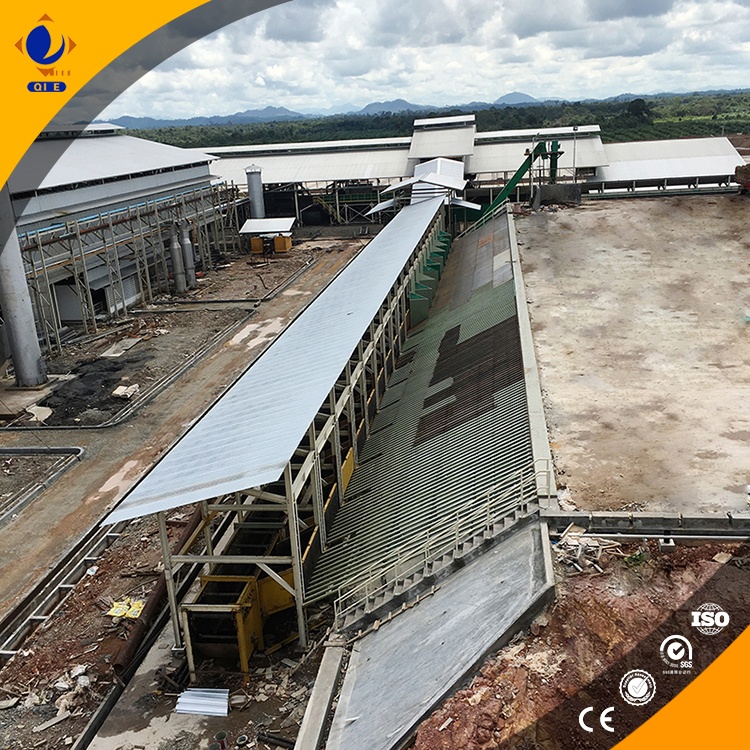
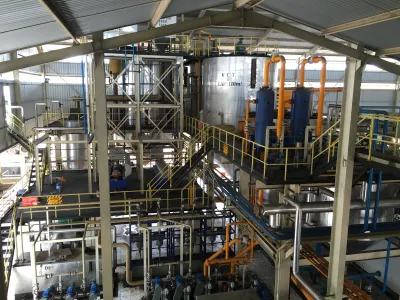
 253
|
253
|
 palm oil refining equipment
penguin group
palm oil processing
efficient equipment
fully automatic PLC control system
energy-saving and environmentally friendly
palm oil refining equipment
penguin group
palm oil processing
efficient equipment
fully automatic PLC control system
energy-saving and environmentally friendly
 362
|
["Palm Crude Oil Refining Equipment"
"PLC Automation Control System"
"Palm Oil Processing Technology"
"Energy-Saving Equipment for Oil Refining"
"High-Efficiency Production Solutions"]
362
|
["Palm Crude Oil Refining Equipment"
"PLC Automation Control System"
"Palm Oil Processing Technology"
"Energy-Saving Equipment for Oil Refining"
"High-Efficiency Production Solutions"]
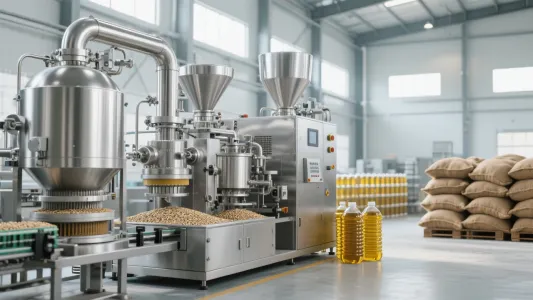 201
|
Palm Kernel Oil Automation
PLC Control Systems
Intelligent Adjustment Technology
Production Line Stability
Palm Kernel Oil Extraction Equipment
201
|
Palm Kernel Oil Automation
PLC Control Systems
Intelligent Adjustment Technology
Production Line Stability
Palm Kernel Oil Extraction Equipment
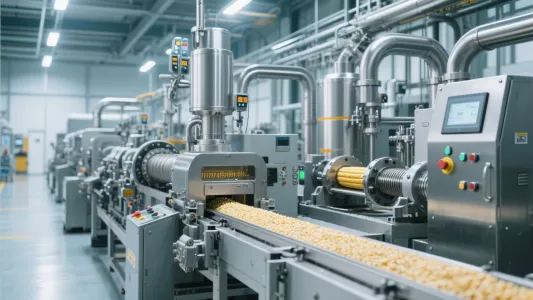 283
|
palm kernel oil extraction energy saving technology
eco friendly palm kernel oil equipment
heat recovery system in oil processing
low solvent consumption in oil refining
residual oil control in palm kernel oil
283
|
palm kernel oil extraction energy saving technology
eco friendly palm kernel oil equipment
heat recovery system in oil processing
low solvent consumption in oil refining
residual oil control in palm kernel oil
 264
|
palm oil extraction efficiency
304 stainless steel oil press
palm oil processing optimization
efficient palm oil plant
palm fruit bunch vs kernel processing
264
|
palm oil extraction efficiency
304 stainless steel oil press
palm oil processing optimization
efficient palm oil plant
palm fruit bunch vs kernel processing