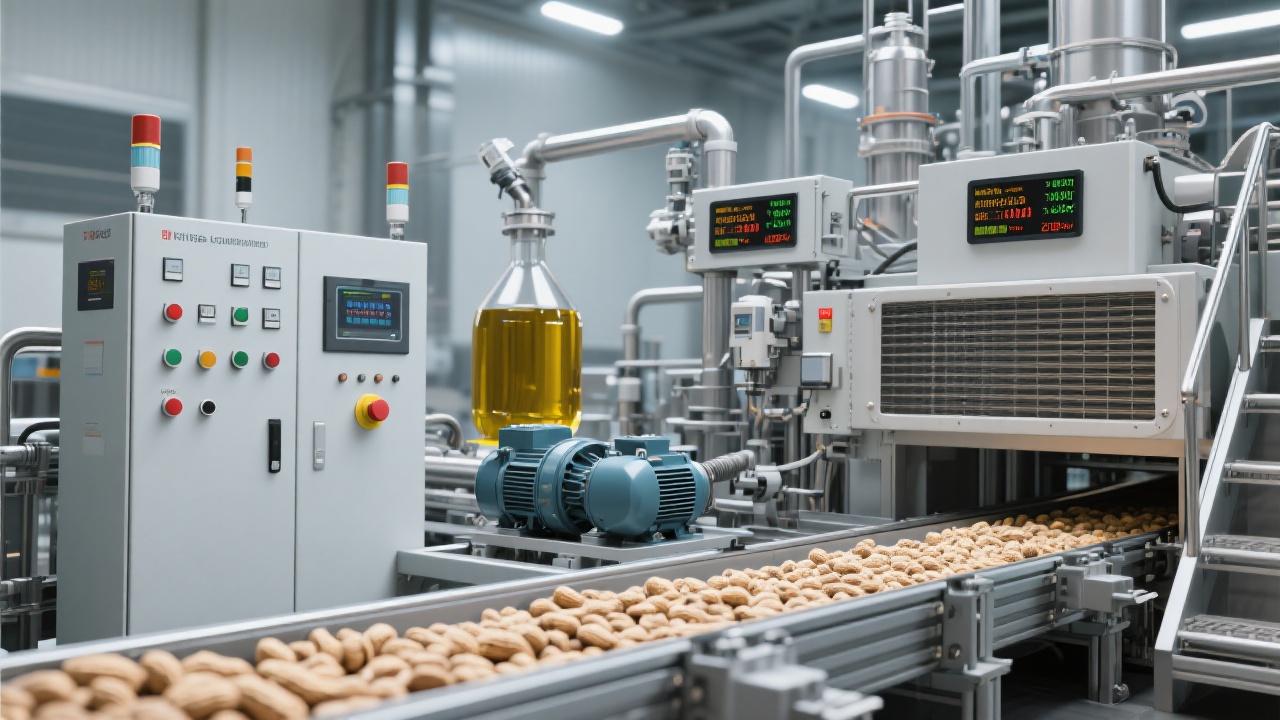
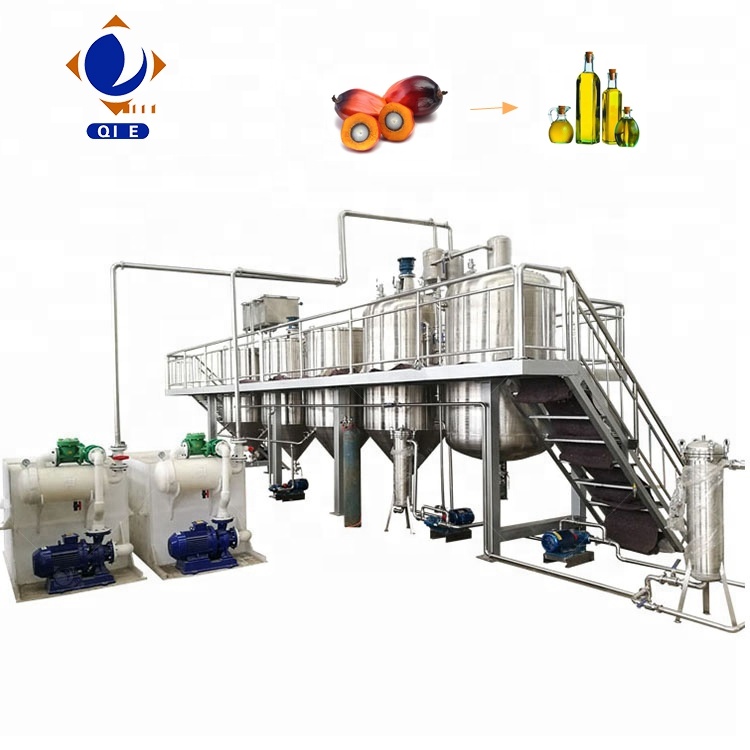
In the evolving landscape of palm oil manufacturing, integrating Industrial Internet of Things (IIoT) technologies into production lines has become pivotal for achieving higher efficiency and product consistency. Particularly in the pressing stage, where parameters like pressure, temperature, and motor speed critically impact yield and quality, leveraging advanced automation systems can revolutionize operational control.
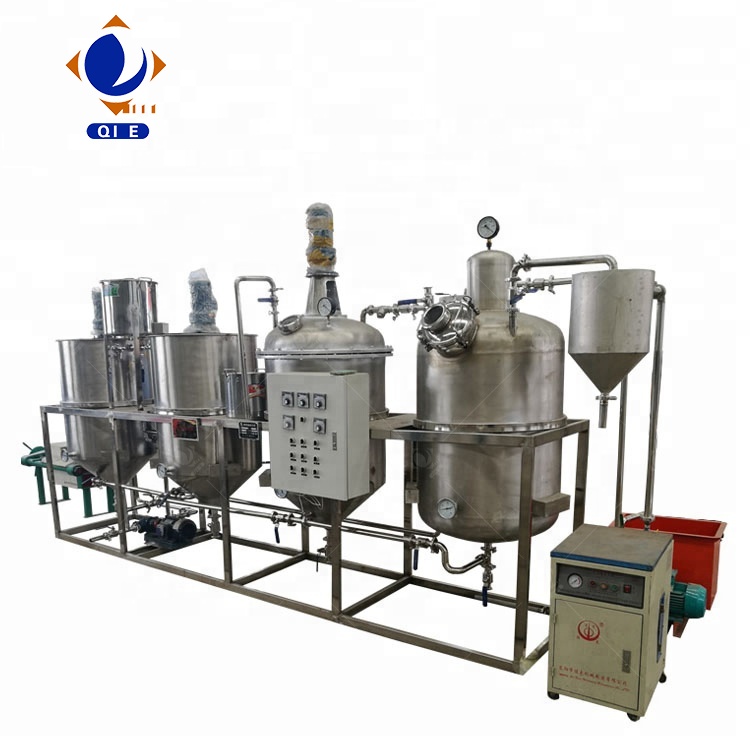
Modern palm oil presses increasingly rely on Programmable Logic Controllers (PLCs) combined with industrial IoT sensors to enable precise real-time monitoring and control. By collecting continuous data on key parameters such as hydraulic pressure, pressing temperature, and electric motor RPM, PLC systems can automatically adjust equipment operations to maintain optimal production conditions.
| Parameter | Optimal Operating Range | Monitoring Frequency |
|---|---|---|
| Pressure (PSI) | 1500 - 1800 | Every 1 second |
| Temperature (°C) | 90 - 110 | Every 5 seconds |
| Motor Speed (RPM) | 250 - 300 | Continuous |
This dynamic oversight is vital for detecting deviations promptly, enabling corrective actions that reduce product loss and equipment wear.
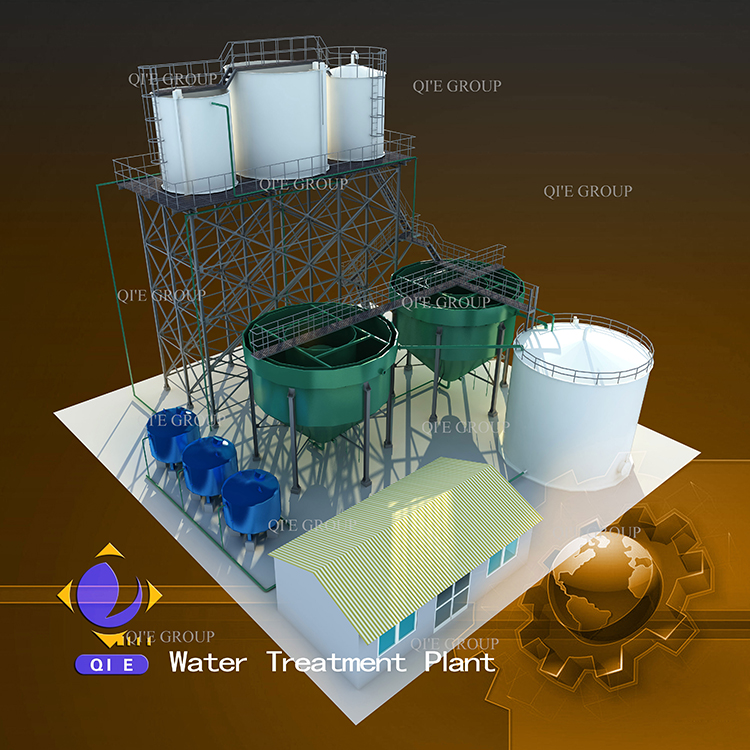
Automated PLC systems mitigate risks associated with manual adjustments, which are prone to delay and inconsistency. Through systematic data acquisition and control logic, the PLC can respond to parameter fluctuations within milliseconds. This accelerated reaction reduces mechanical stress, prevents overpressure incidents, and lowers downtime caused by unplanned maintenance.
According to operational data from field deployments, facilities implementing such automation noted a 15% increase in press uptime and a 12% reduction in maintenance costs, underscoring the impact of intelligent control on operational stability.
Beyond process control, industrial IoT frameworks empower energy management by analyzing consumption patterns of motors and auxiliary equipment. Automated systems optimize power draw in real time, aligning operation cycles with production demand to minimize waste.
Energy audits from automated palm oil pressing lines revealed an average 10% reduction in electricity usage post-implementation, contributing directly to lower carbon footprints and operational costs.
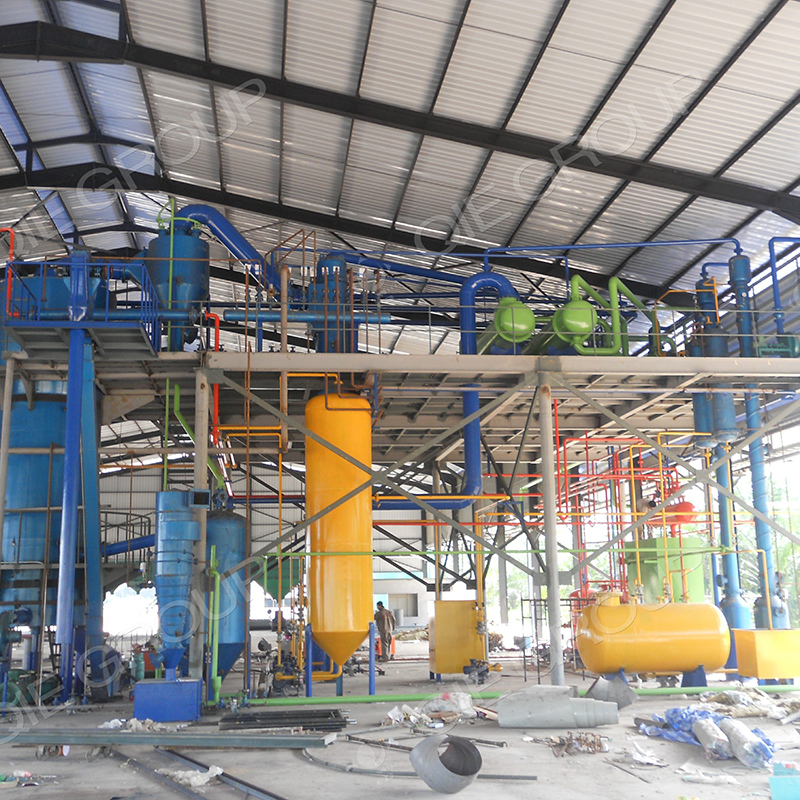
The core advantage of industrial IoT lies in transforming raw operation data into actionable insights. Statistical process control (SPC) dashboards can highlight trends such as pressure dips or temperature spikes signaling equipment wear or raw material inconsistency. This data-driven feedback loop facilitates predictive maintenance scheduling and process tweaking.
For example, a recent case study in Southeast Asia's palm oil sector demonstrated how real-time data analytics enabled a production plant to boost extraction yield by 4% within six months through iterative parameter fine-tuning.
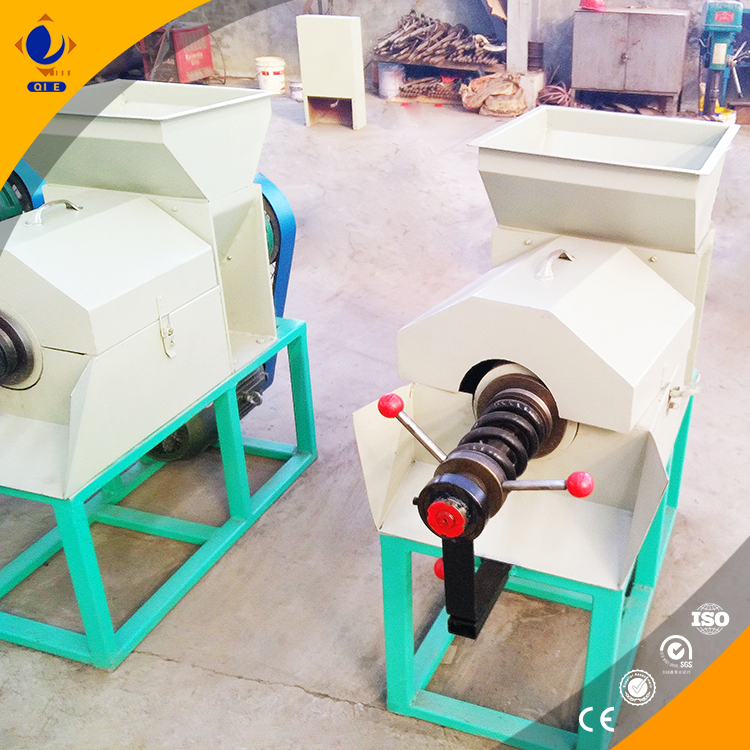
To maximize the benefits of IIoT-enabled pressing units, production management teams should:
These measures will foster a cohesive smart manufacturing environment where equipment reliability and product quality are systematically enhanced.
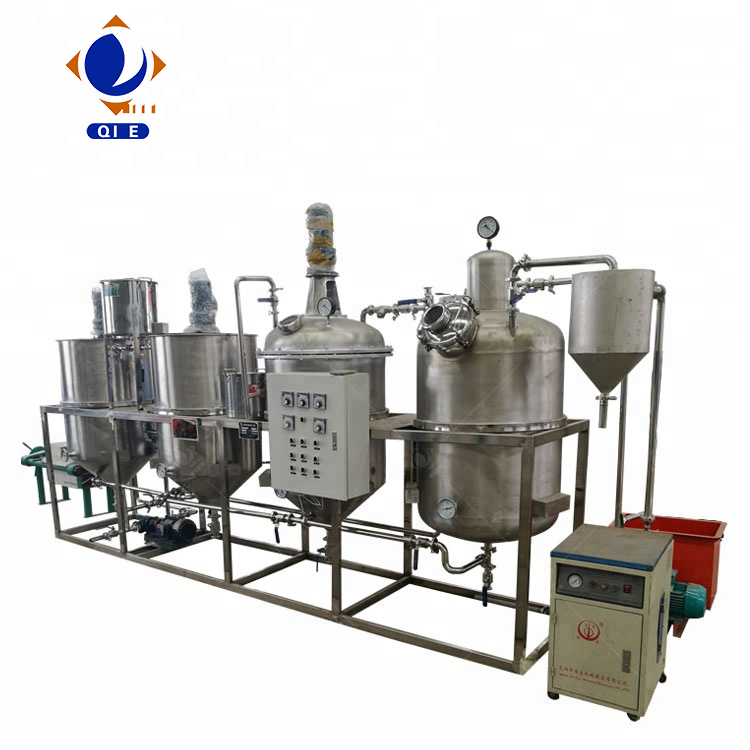
Designed with advanced PLC automation and IoT integration, QIE Group’s latest palm oil pressing systems deliver optimized production control, real-time monitoring, and energy-efficient performance. Transition your operations to intelligent manufacturing with our all-in-one solutions crafted for reliability and scalability.
Explore Smart Palm Oil Pressing Solutions
 471
|
471
|
 palm kernel oil processing equipment
palm kernel oil plant installation
oil extraction equipment safety standards
palm kernel oil production efficiency
equipment commissioning troubleshooting
palm kernel oil processing equipment
palm kernel oil plant installation
oil extraction equipment safety standards
palm kernel oil production efficiency
equipment commissioning troubleshooting
 407
|
palm oil pressing troubleshooting
palm oil equipment operation guide
palm oil production line maintenance
automated oil extraction equipment
palm oil pressing process optimization
407
|
palm oil pressing troubleshooting
palm oil equipment operation guide
palm oil production line maintenance
automated oil extraction equipment
palm oil pressing process optimization
 60
|
palm crude oil refining equipment
energy-saving and environmental protection equipment
PLC automatic control system
palm oil processing technology
industrial energy-saving equipment
60
|
palm crude oil refining equipment
energy-saving and environmental protection equipment
PLC automatic control system
palm oil processing technology
industrial energy-saving equipment
 319
|
automated palm oil processing equipment
high-efficiency oil extraction system
reduce labor cost in palm oil production
improve palm oil quality
304 stainless steel industrial machinery
319
|
automated palm oil processing equipment
high-efficiency oil extraction system
reduce labor cost in palm oil production
improve palm oil quality
304 stainless steel industrial machinery
 190
|
smart regulation technology
palm kernel oil extraction efficiency
PLC control system for oil processing
automated oilseed refining equipment
industrial process optimization
190
|
smart regulation technology
palm kernel oil extraction efficiency
PLC control system for oil processing
automated oilseed refining equipment
industrial process optimization