Selecting oil processing equipment is a project decision rather than a single-machine purchase. The right configuration depends on the feedstock, required processing capacity, target oil quality, operating conditions, available utilities and the level of automation needed. Qi'e Grain and Oil Machinery Co., Ltd. supports B2B customers with oil pressing equipment, edible oil production lines and refining equipment designed around practical processing requirements.
An oil processing project may require pressing, extraction, refining, or an integrated production line. Clarifying the intended process at the beginning helps businesses compare equipment on a like-for-like basis and avoid selecting capacity or automation features that do not match the actual operation.
Appropriate when the project focuses on mechanical oil extraction from oilseeds or oil-bearing materials. Selection should consider material characteristics, planned throughput and the preferred pressing process.
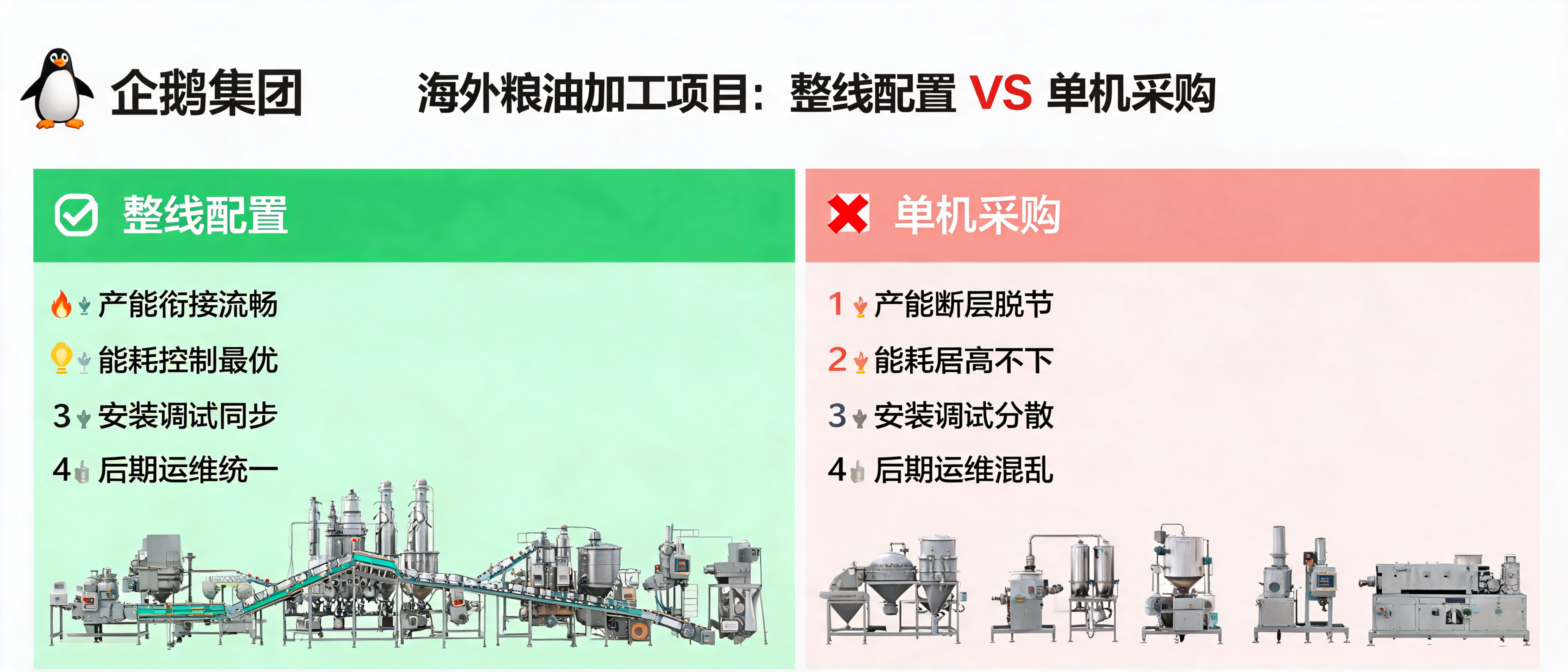
Suitable for projects that need coordinated processing stages rather than a standalone machine. The line should be planned around feedstock handling, oil production flow and the required output capacity.
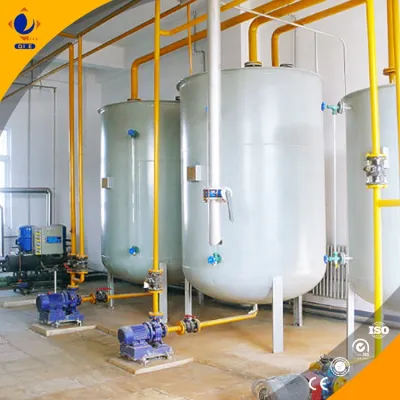
Used when crude oil requires refining before it is positioned for edible oil applications. Refining capacity should be aligned with crude oil supply, operating schedule and local utility conditions.
| Selection Factor | What to Evaluate |
|---|---|
| Feedstock and crude oil type | Define whether the project handles palm kernel, soybean, palm, sunflower or another oil-bearing material, as process requirements and equipment configuration can differ. |
| Processing capacity | Match equipment throughput with the expected daily raw material or crude oil volume, while allowing for realistic operating hours and future planning. |
| Automation level | Consider the available operating team, desired process control and maintenance capability. PLC-based control can help streamline routine operation where an automated solution is appropriate. |
| Power and utilities | Confirm local voltage standards, steam availability, water conditions and site infrastructure before finalizing the technical configuration. |
| Project support | Assess the need for equipment design, installation coordination, technical guidance and after-sales service as part of the overall project scope. |
For businesses planning to refine palm crude oil at a smaller scale, the 1–50 TPD small palm oil refining plant from Qi'e Grain and Oil Machinery is designed for crude oil refining requirements from 1 to 50 tonnes per day. It is intended for small and medium-sized producers and farm-based operations, including projects evaluating palm oil processing opportunities in markets such as Nigeria and other regions with similar operating needs.
This palm oil refining equipment is configured with a PLC electrical control system for automated operation. Under normal operating arrangements, the production process can be managed by 2–3 operators. Its stated voltage compatibility of 230V–430V supports adaptation to different regional power standards, subject to confirmation during project planning.
Designed to process refining requirements within a 1–50 TPD range, helping project planners align equipment selection with available crude oil volume.
PLC electrical control supports automated operation and provides a practical option for businesses seeking a more streamlined refining workflow.
The stated steam consumption is below 300 kg per tonne of oil, while soft water consumption is approximately 160 kg per hour. These requirements should be reviewed against site conditions.
Voltage compatibility from 230V to 430V, together with options for customized logos, packaging and graphic design, supports project-specific requirements.
A well-matched oil pressing, production or refining solution begins with clear project inputs. Qi'e Grain and Oil Machinery combines equipment supply with design, installation and technical service support for customers developing edible oil processing projects. By evaluating feedstock, capacity, automation, power standards and site utilities together, businesses can establish a more suitable basis for selecting their oil processing equipment.

 300
|
 Qi'e Grain and Oil Machinery Co., Ltd. emerging markets efficient and eco-friendly equipment grain and oil processing overseas procurement
 329
|
Qi'e Grain and Oil Machinery Co., Ltd. edible oil production line equipment oil pressing equipment edible oil refining equipment oil processing flow
 481
|
Qi'e Group complete grain and oil processing equipment oil pressing equipment edible oil refining equipment oil extraction equipment
 185
|
Qi'e Group grain and oil machinery turnkey solutions oil pressing equipment edible oil production line edible oil refining equipment
 461
|
Qi'e Grain and Oil Machinery Co., Ltd. grain and oil machinery complete solution oil pressing equipment refining equipment