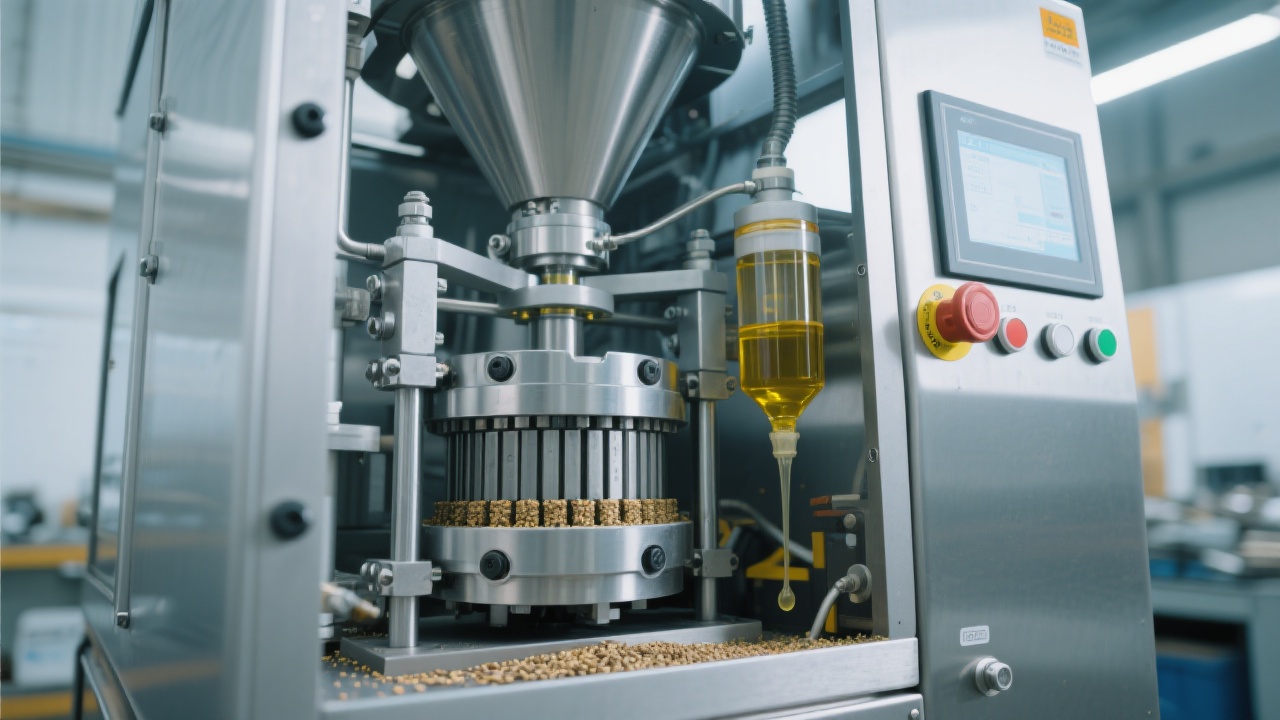
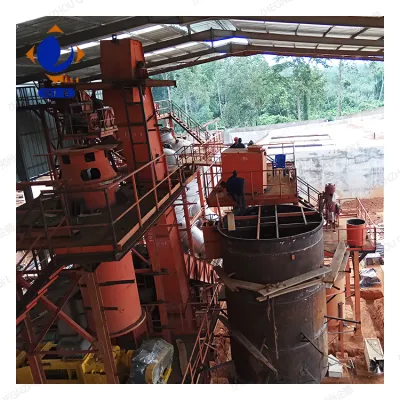
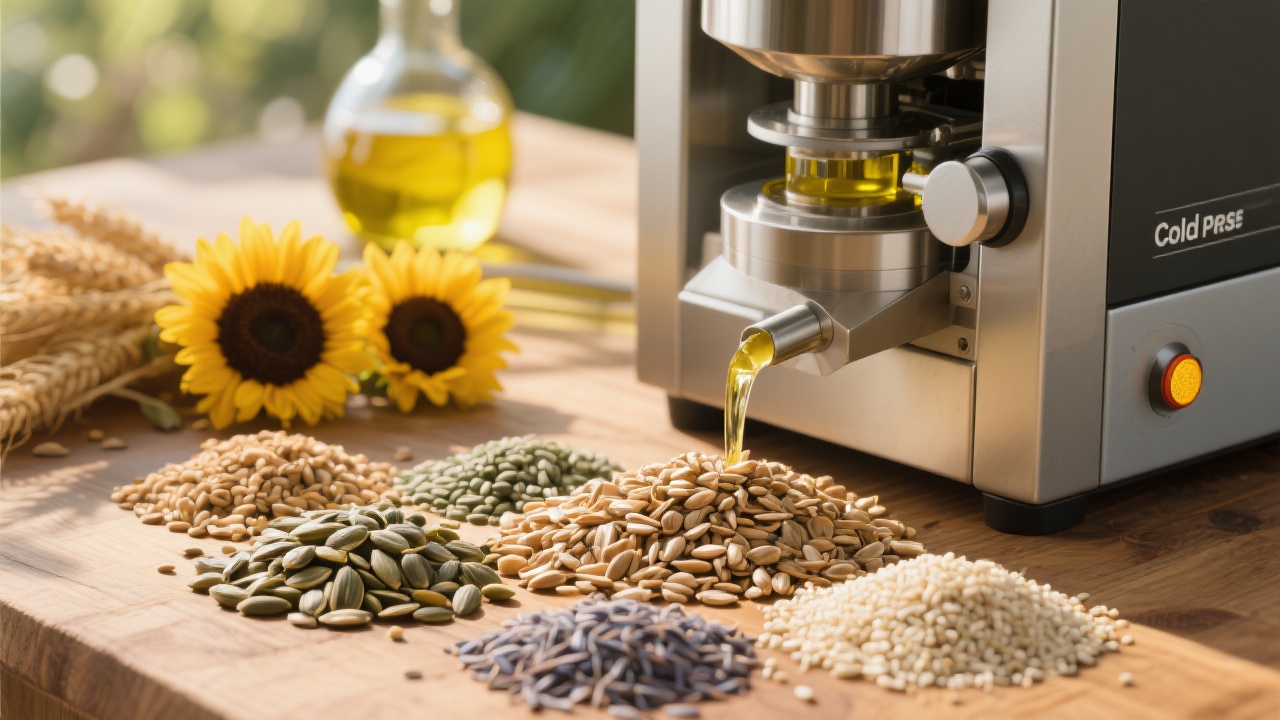
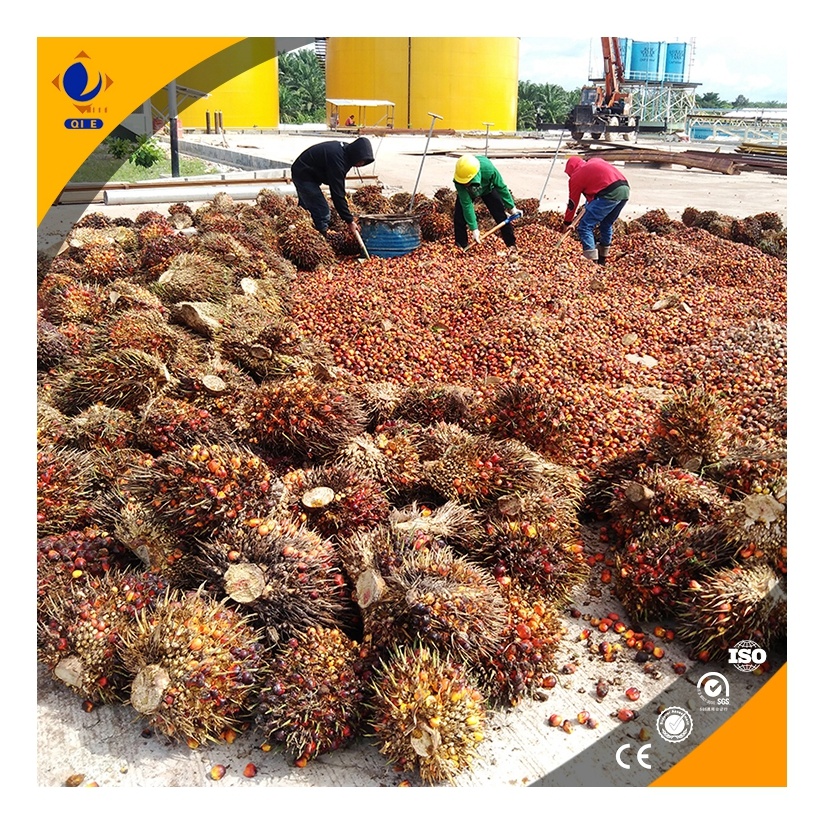
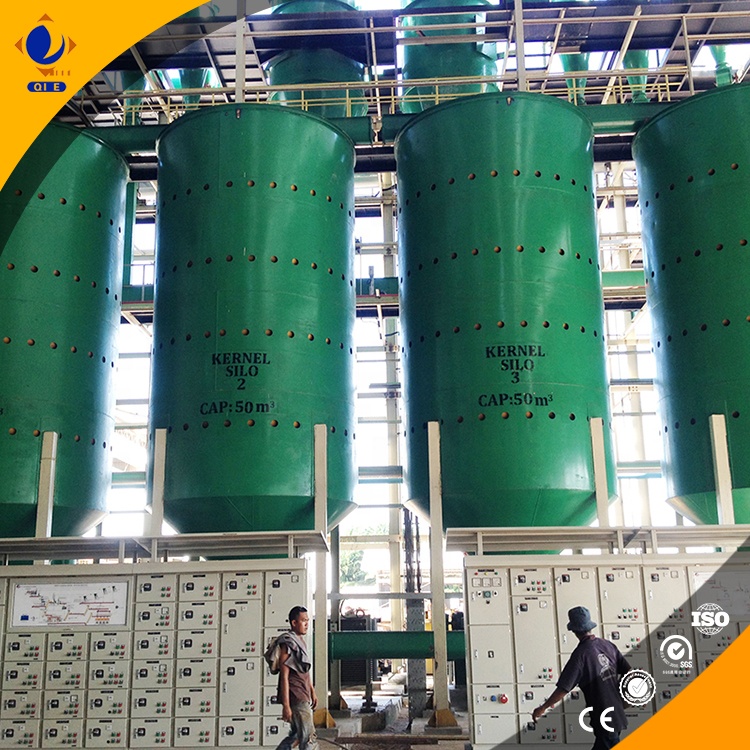
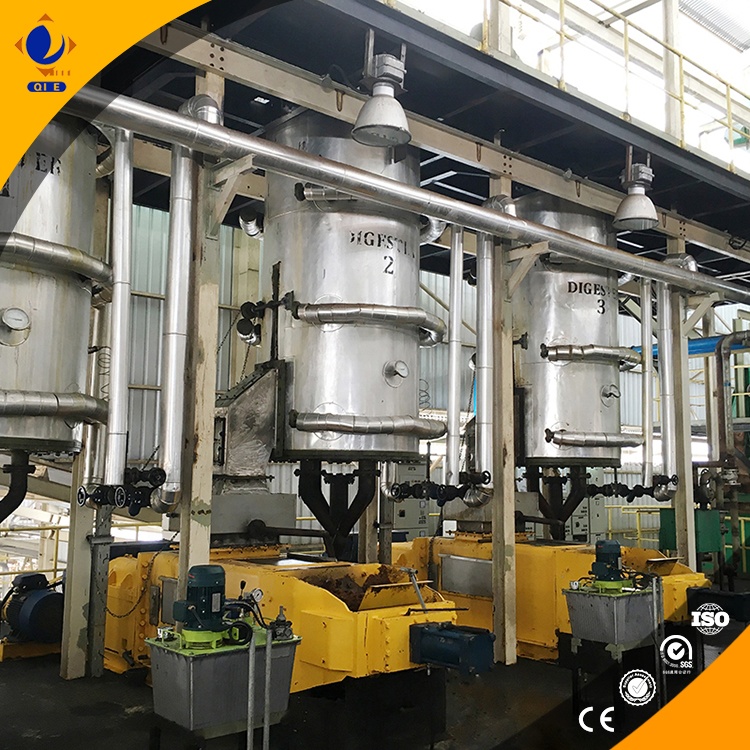
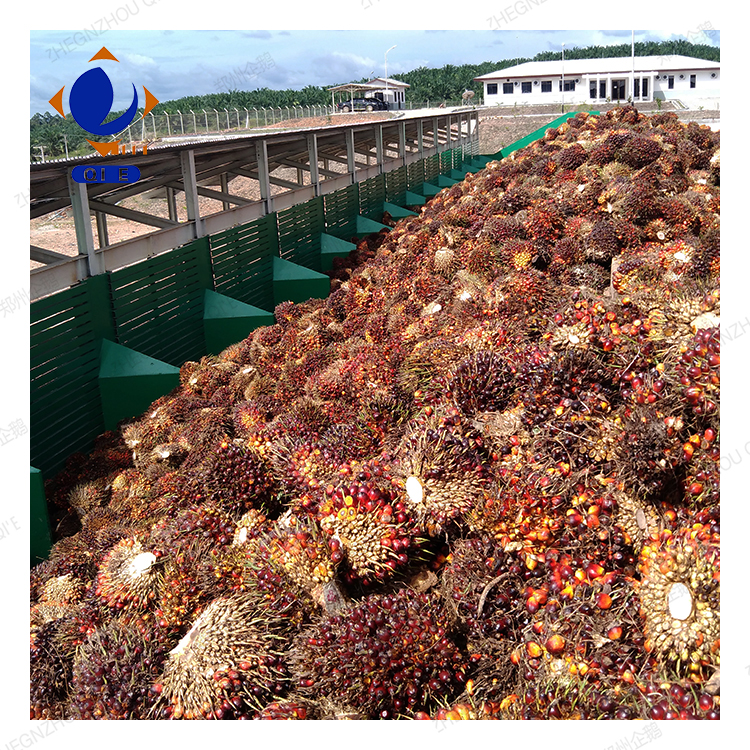
In the palm oil processing industry, the long - standing conflict between high production and energy conservation has been a headache for many practitioners. Traditional palm oil pressing processes often face significant drawbacks and technical bottlenecks. For example, the old - fashioned pressing methods typically consume about 20 - 30 kWh of electricity per ton of palm fruit bunches, with an average oil extraction rate of only around 18 - 22%. These processes rely on simple mechanical squeezing, lacking efficient energy management and intelligent control mechanisms, which result in high energy consumption and relatively low oil yields.
The thermal energy recovery system is a revolutionary technology in palm oil pressing. It works by capturing and reusing the heat generated during the pressing process. In traditional processes, a large amount of heat is wasted. With a well - designed thermal energy recovery system, up to 30 - 40% of the thermal energy can be recovered and reused for pre - heating the palm fruit bunches or other auxiliary processes. This not only reduces the external energy input but also improves the overall energy utilization rate. For instance, in a real - world case, a palm oil processing plant installed a thermal energy recovery system and was able to reduce its energy consumption for heating by 35% within a year, while maintaining the same oil extraction rate.
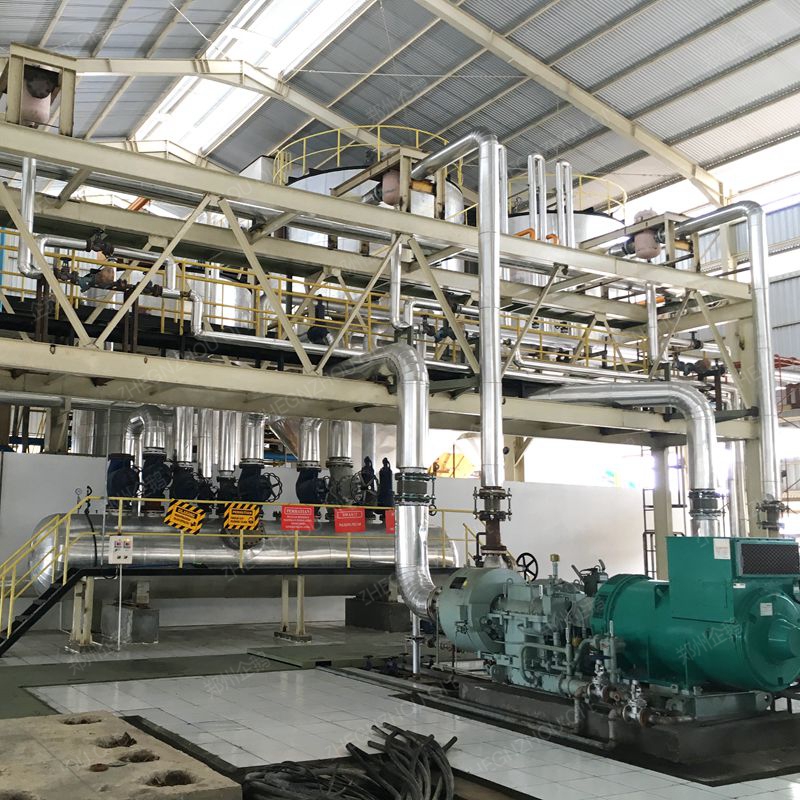
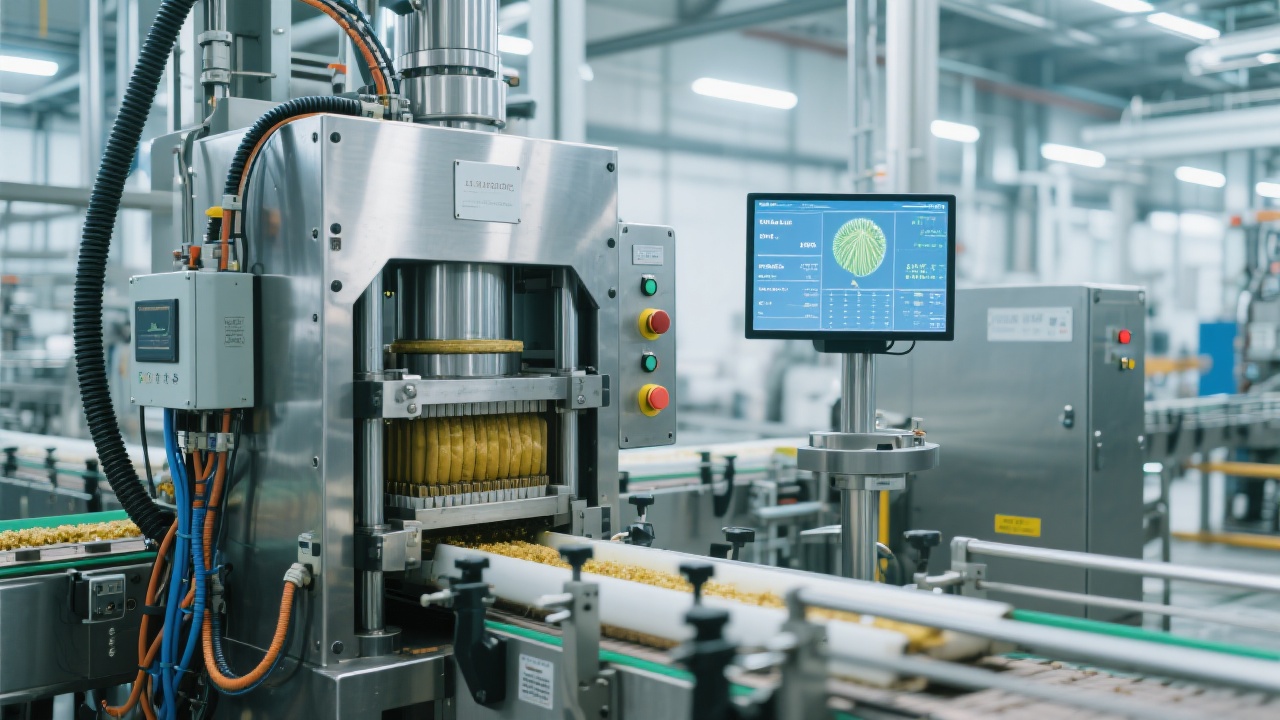
Automated control logic brings intelligence to the palm oil pressing process. By using sensors and advanced algorithms, the system can monitor and adjust various parameters in real - time, such as temperature, pressure, and flow rate. This ensures that the pressing process operates at its optimal state at all times. In some plants, after implementing automated control systems, the energy consumption per ton of palm fruit bunches has been reduced by 15 - 20%, and the oil extraction rate has increased by 2 - 3 percentage points. For example, the system can automatically adjust the speed of the screw propeller according to the quality and quantity of the input palm fruit bunches, which improves the efficiency of the pressing process.
The design optimization of key components, such as the screw propeller and the screen structure, also plays a crucial role in energy - saving and yield - increasing. A well - designed screw propeller can improve the material conveying efficiency, reducing the energy required for pushing the palm fruit bunches through the press. Similarly, an optimized screen structure can prevent clogging and improve the separation of oil and pulp, thereby increasing the oil extraction rate. In practice, by upgrading the screw propeller and screen structure, some plants have achieved a 10 - 15% reduction in energy consumption and a 1 - 2 percentage point increase in oil extraction rate.
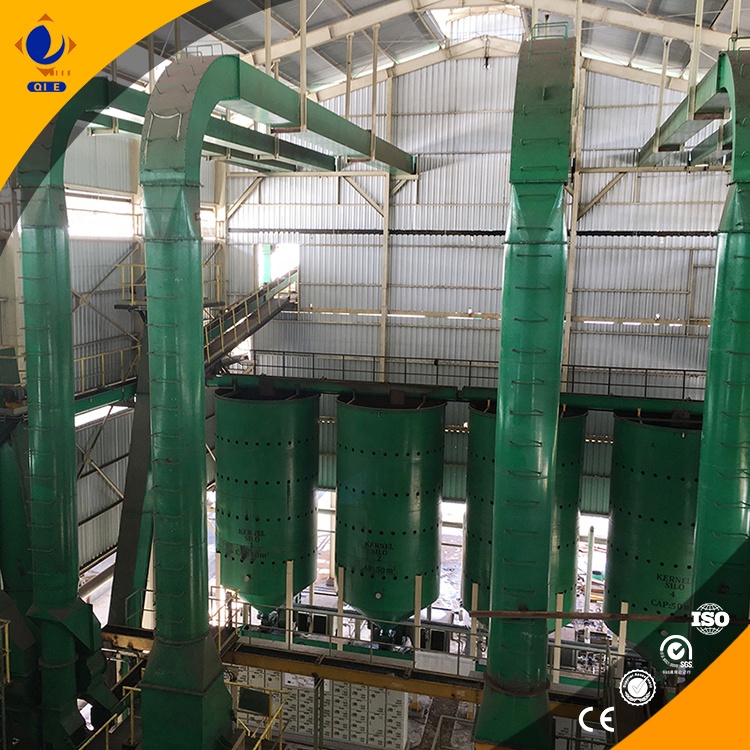
These three energy - saving technologies do not work independently. Instead, they have a strong synergistic effect. The thermal energy recovery system provides a stable and low - cost energy source for the automated control system and the operation of key components. The automated control system ensures that the thermal energy recovery system and key components operate at their best states. And the optimized key components further improve the overall efficiency of the system, which in turn enhances the performance of the thermal energy recovery system and the automated control system. For example, in a comprehensive upgrade project, a plant combined these three technologies and was able to reduce its overall energy consumption by 40 - 50% while increasing the oil extraction rate to 24 - 26%.
There are some common energy - saving myths in the palm oil processing industry. Some practitioners believe that simply reducing the operation speed of the equipment can save energy, but this often leads to a significant drop in oil yield. In fact, by adjusting the process parameters scientifically and regularly maintaining the equipment, energy - saving and yield - increasing can be achieved simultaneously. For example, adjusting the temperature and pressure according to the characteristics of different palm fruit bunches can improve the oil extraction rate while reducing energy consumption. Regularly cleaning and lubricating the key components can also ensure their efficient operation.
In addition, the industry standard ISO 9001 provides a guarantee for the safety and stability of the equipment. By following this standard, the palm oil pressing equipment can operate more reliably, reducing the probability of breakdowns and maintenance costs. This is also an important part of improving the overall operational efficiency.
If you are struggling with high - energy consumption and low production in your palm oil pressing equipment, don't miss this opportunity! Click here to get the product technical white paper or make an appointment for professional technical consultation. Our experts will provide you with detailed solutions and help you achieve energy - saving and yield - increasing goals.
 444
|
444
|
 palm oil press efficiency
304 stainless steel榨油机优势
efficient palm oil processing equipment
palm oil extraction technology
oilseed processing solutions
palm oil press efficiency
304 stainless steel榨油机优势
efficient palm oil processing equipment
palm oil extraction technology
oilseed processing solutions
 336
|
palm kernel oil extraction energy efficiency
eco-friendly palm kernel oil machinery
low solvent consumption extraction equipment
heat recovery technology
climate-adaptive oil extraction systems
336
|
palm kernel oil extraction energy efficiency
eco-friendly palm kernel oil machinery
low solvent consumption extraction equipment
heat recovery technology
climate-adaptive oil extraction systems
 397
|
PLC palm kernel oil equipment
automation control system
intelligent adjustment technology
palm kernel oil extraction process
equipment reliability
397
|
PLC palm kernel oil equipment
automation control system
intelligent adjustment technology
palm kernel oil extraction process
equipment reliability
 71
|
oilseed preprocessing technology
equipment for increasing edible oil yield
comprehensive service in oilseed processing
71
|
oilseed preprocessing technology
equipment for increasing edible oil yield
comprehensive service in oilseed processing
 329
|
palm kernel oil processing equipment
equipment installation guidelines
production line efficiency optimization
debugging issues in oil extraction
preventive maintenance for oil machinery
329
|
palm kernel oil processing equipment
equipment installation guidelines
production line efficiency optimization
debugging issues in oil extraction
preventive maintenance for oil machinery