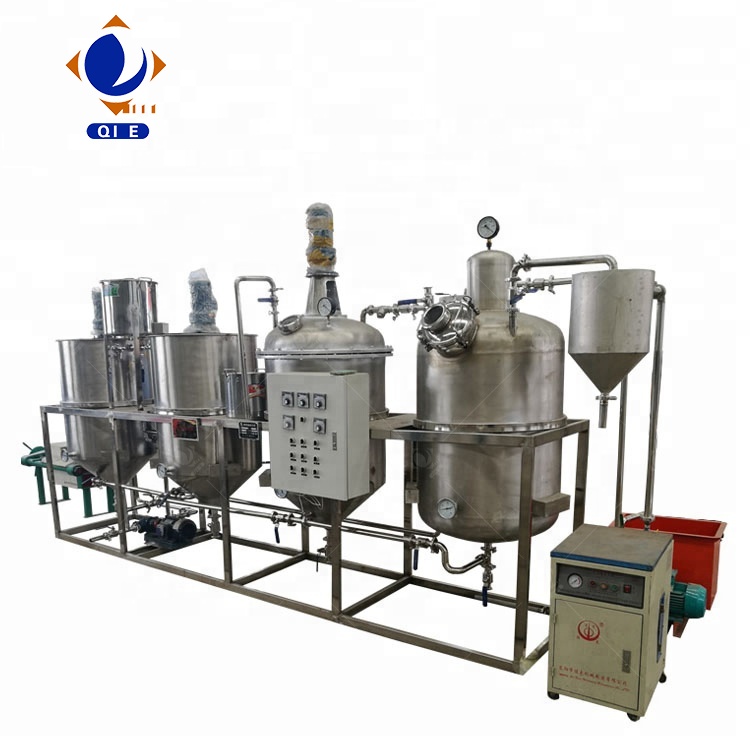
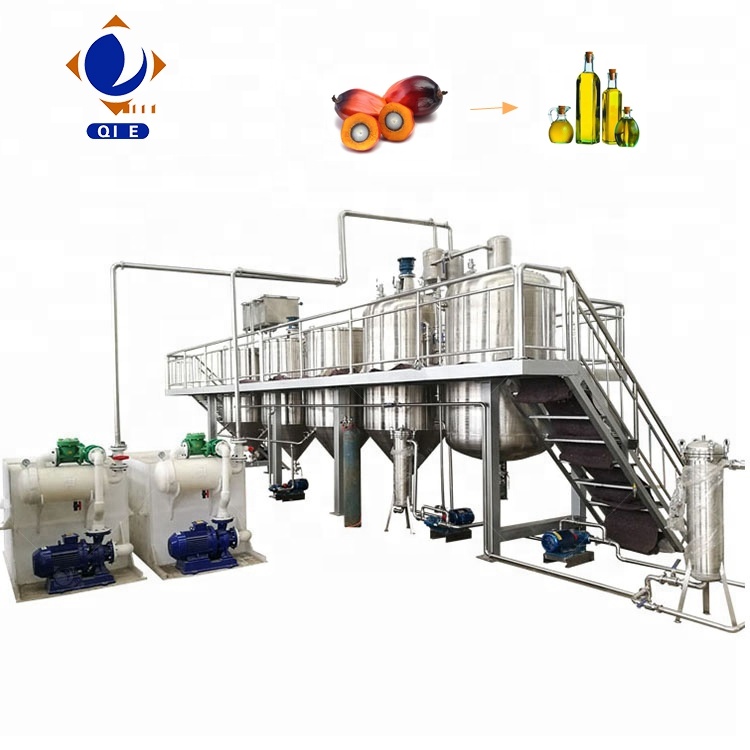
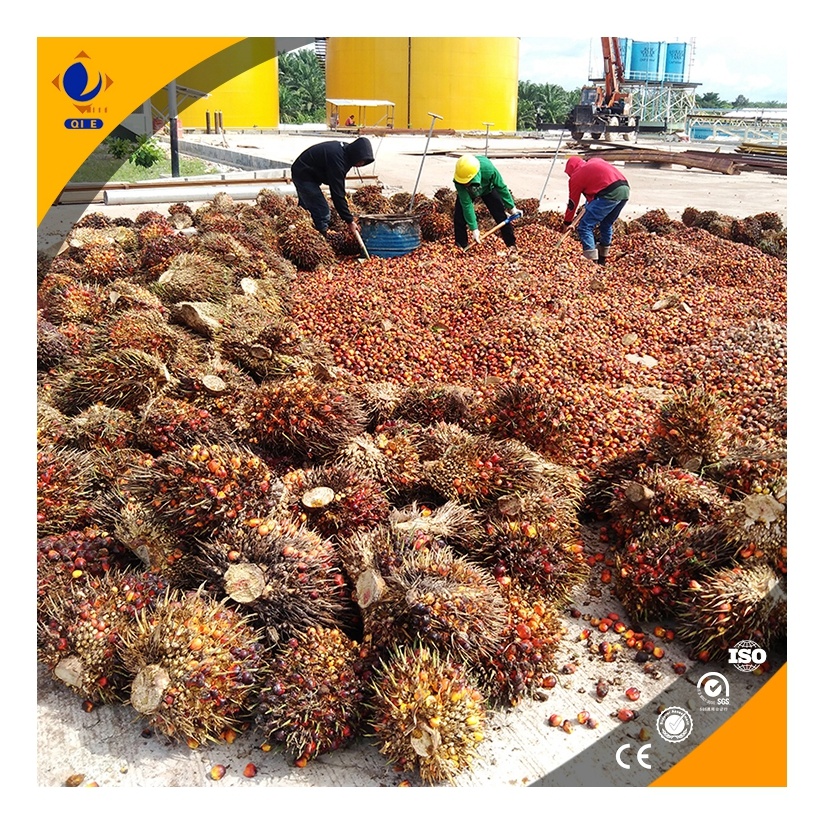
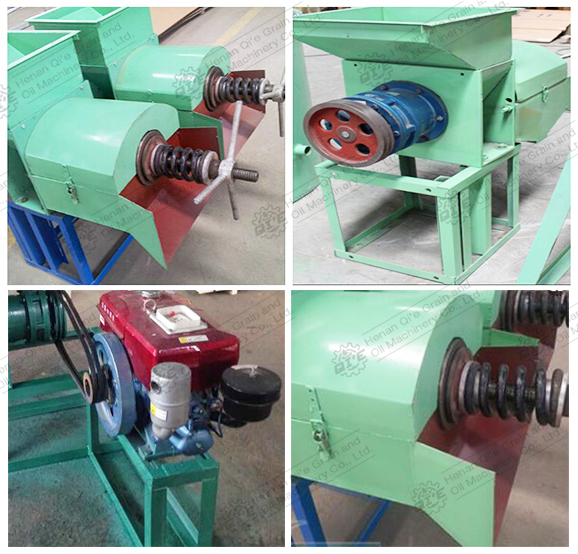
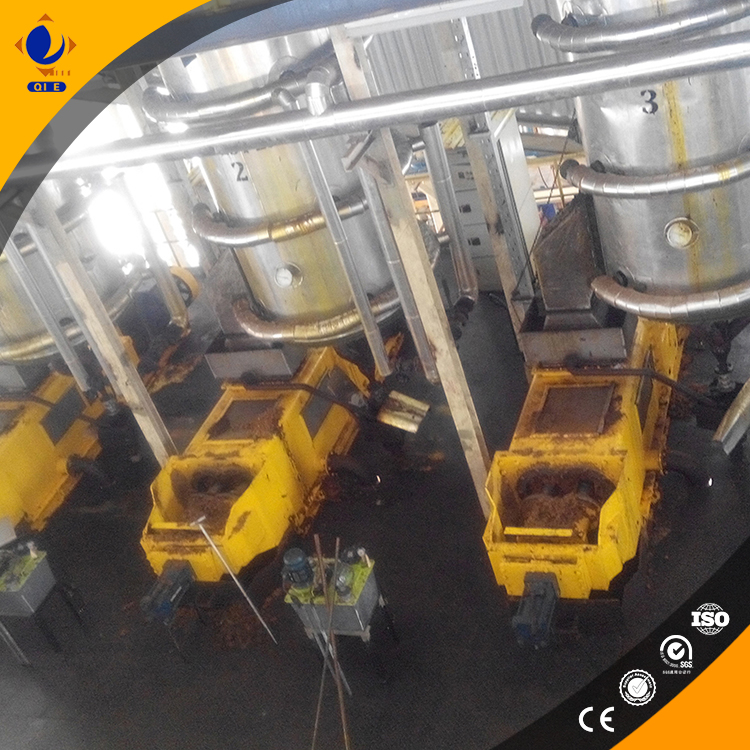
In the competitive palm oil processing industry, achieving high throughput without compromising energy efficiency is no longer optional—it's a strategic imperative. Recent field data from Southeast Asian refineries shows that modern heat recovery systems can reduce specific energy consumption by up to 22% while maintaining or even increasing yield per hour.
The core of this transformation lies in capturing waste heat from the press’s hot oil discharge and redirecting it into preheating raw materials or drying fiber residues. A typical system captures 70–85% of thermal energy at temperatures between 85°C and 120°C—energy otherwise lost to the environment. This closed-loop approach reduces boiler load significantly, especially during peak production hours when steam demand spikes.
For example, a 10-ton/hour palm kernel press equipped with a custom-designed counter-flow heat exchanger achieved an average reduction of 18.5 kWh/ton in electricity usage over six months—a measurable improvement validated by ISO 50001 energy audits conducted monthly.
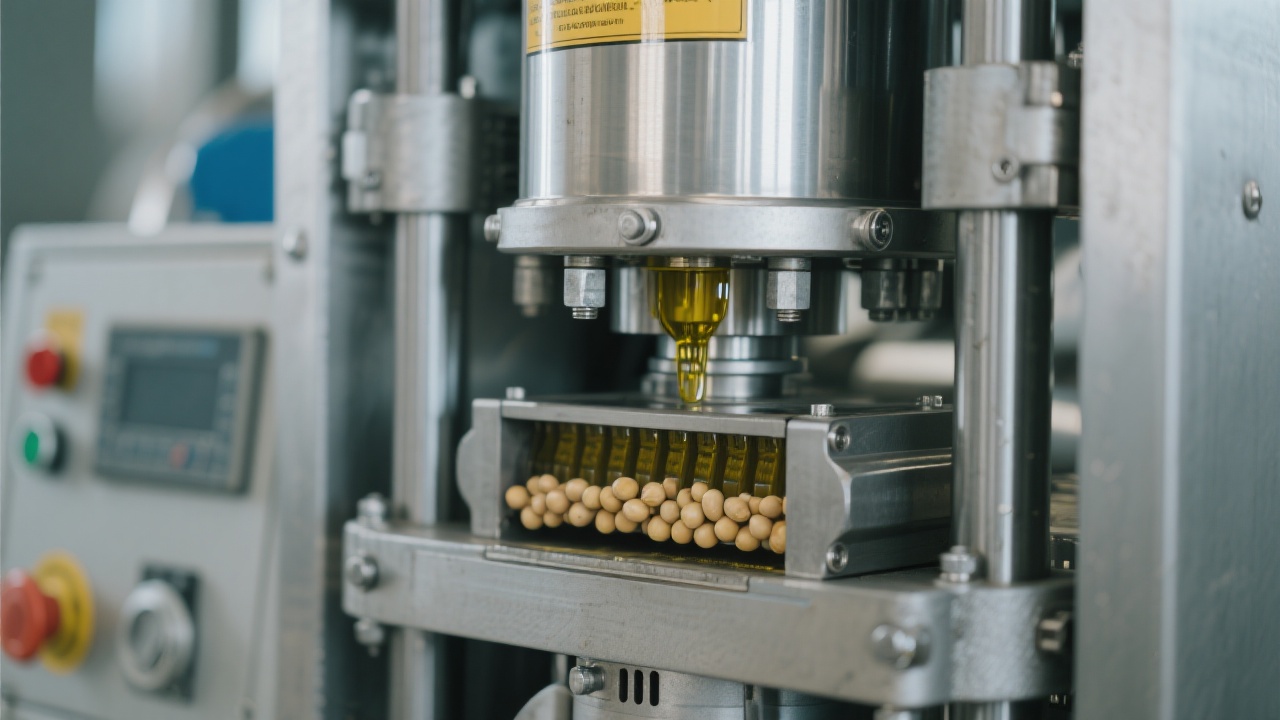
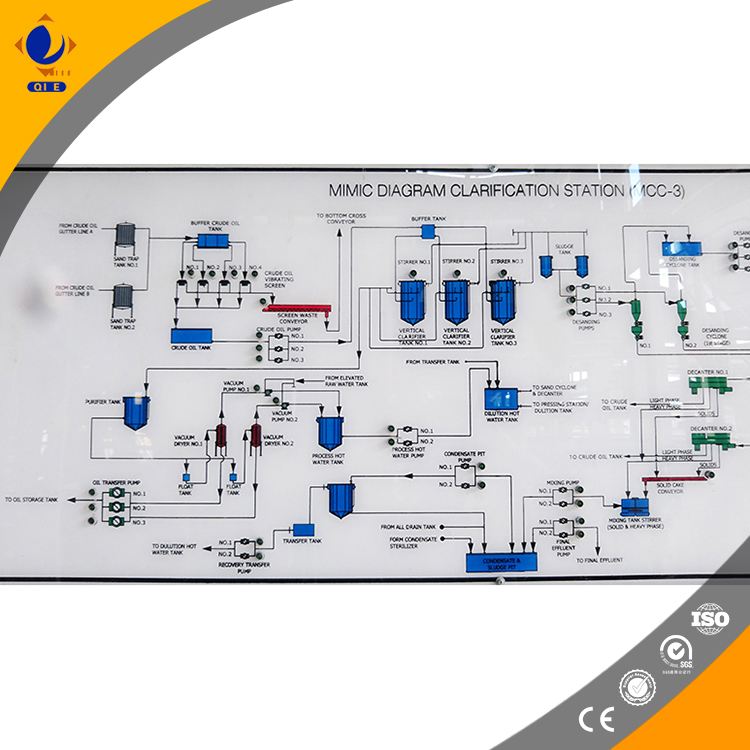
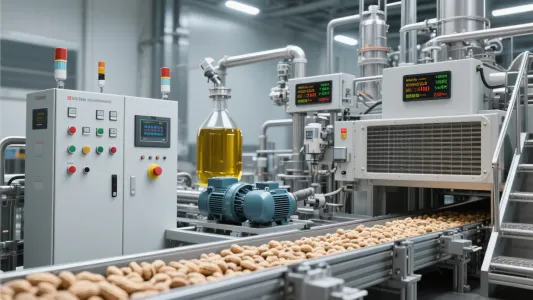
Automated control logic doesn’t just optimize settings—it learns them. By integrating real-time sensors for temperature, pressure, and moisture content, the system adjusts screw speed, pressing force, and material feed rate dynamically. In one case study involving a Malaysian mill, this adaptive control led to a 12% increase in oil extraction rate while reducing mechanical wear on critical components like the screen plate and worm gear.
Key insight: Over-reliance on fixed parameters leads to inefficiencies. Our clients report best results when combining predictive maintenance alerts (based on vibration analytics) with automated PID tuning—ensuring consistent performance across shifts and seasons.
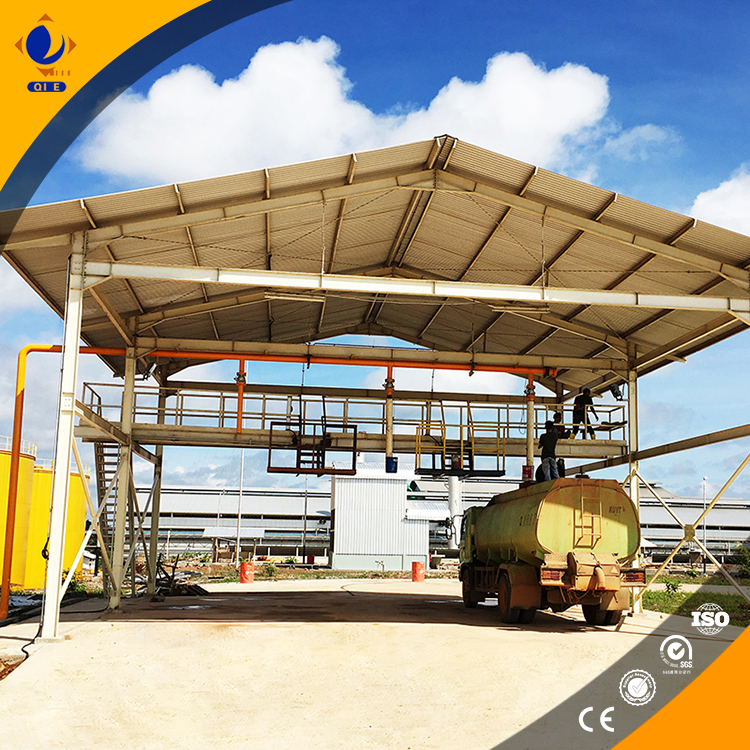
Even the most advanced heat recovery system fails if key parts aren't engineered for durability and precision. Optimized spiral conveyors with hardened stainless steel blades improve throughput by up to 9%, while multi-layered sieve designs prevent clogging—a common cause of downtime in tropical climates.
Industry standards such as ISO 9001 emphasize not only safety but also repeatability. Machines that meet these benchmarks show 30% fewer unplanned stoppages annually compared to non-certified alternatives—an often-overlooked benefit of proper design.
Many operators mistakenly believe that “more power = more output.” But our analysis reveals that excessive torque increases friction losses and accelerates component degradation—ultimately hurting both efficiency and ROI. Instead, we recommend starting with a baseline energy audit using tools like the FAO’s Energy Efficiency Toolkit for Agro-Industries.
Whether you're upgrading existing equipment or building a new facility, understanding how heat recovery, automation, and smart engineering work together is essential for long-term competitiveness.
Download our free technical whitepaper: "Energy Optimization Strategies for Modern Palm Oil Processing Lines"
Get the Whitepaper Now →
 391
|
391
|
 automated control system
PLC palm kernel oil equipment
intelligent regulation technology
palm kernel oil extraction automation
production process optimization
automated control system
PLC palm kernel oil equipment
intelligent regulation technology
palm kernel oil extraction automation
production process optimization
 52
|
eco-friendly palm kernel oil equipment
palm kernel oil energy-saving technology
low solvent consumption palm kernel oil extraction
heat energy recovery system
long-term stable operation palm kernel oil equipment
52
|
eco-friendly palm kernel oil equipment
palm kernel oil energy-saving technology
low solvent consumption palm kernel oil extraction
heat energy recovery system
long-term stable operation palm kernel oil equipment
 159
|
palm oil extraction technology
automatic palm oil press equipment
energy-efficient oil pressing machinery
304 stainless steel榨油设备
palm kernel oil processing optimization
159
|
palm oil extraction technology
automatic palm oil press equipment
energy-efficient oil pressing machinery
304 stainless steel榨油设备
palm kernel oil processing optimization
 257
|
Palm oil pressing process
Equipment selection guide
Highly automated equipment
Energy - saving technology
304 stainless steel
257
|
Palm oil pressing process
Equipment selection guide
Highly automated equipment
Energy - saving technology
304 stainless steel
 264
|
palm oil extraction efficiency
304 stainless steel oil press
palm oil processing optimization
efficient palm oil plant
palm fruit bunch vs kernel processing
264
|
palm oil extraction efficiency
304 stainless steel oil press
palm oil processing optimization
efficient palm oil plant
palm fruit bunch vs kernel processing