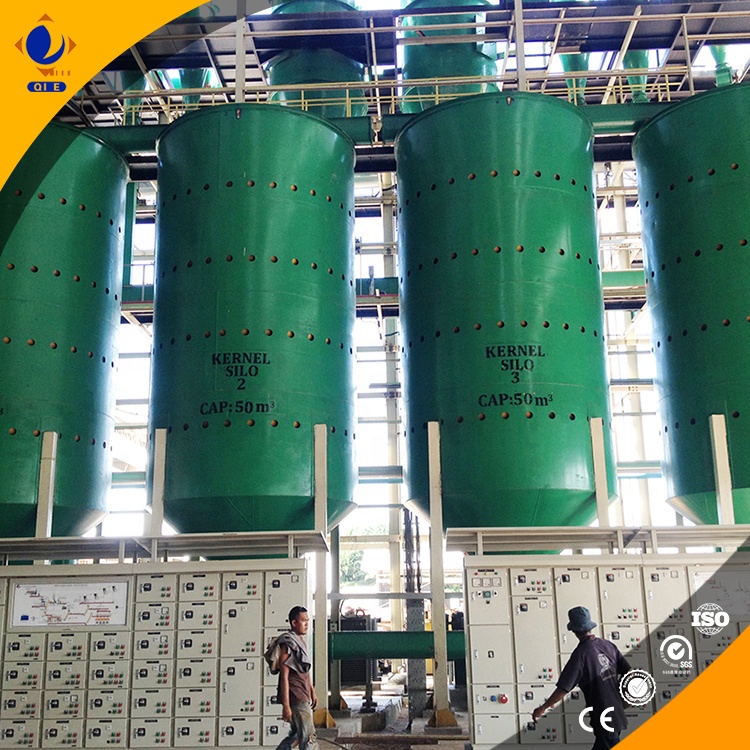
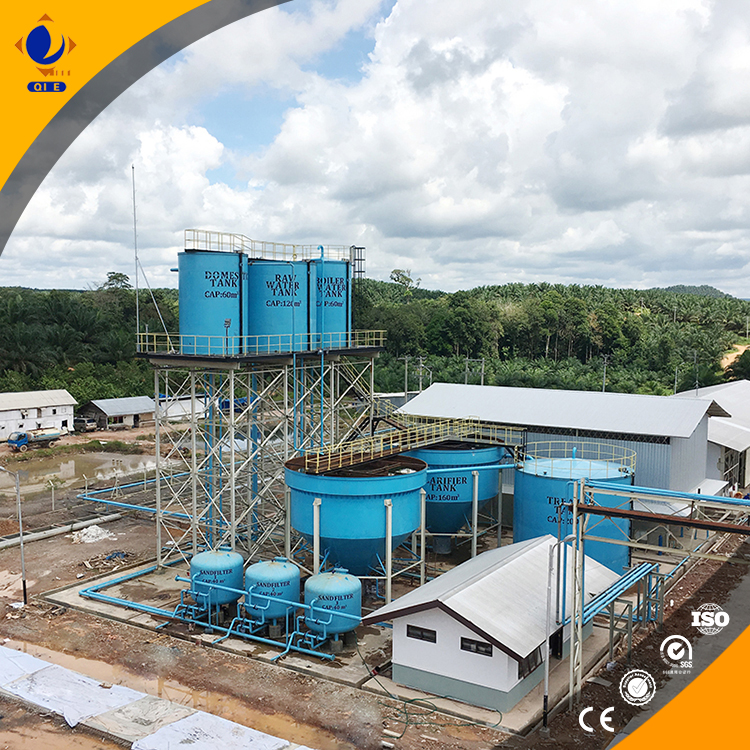
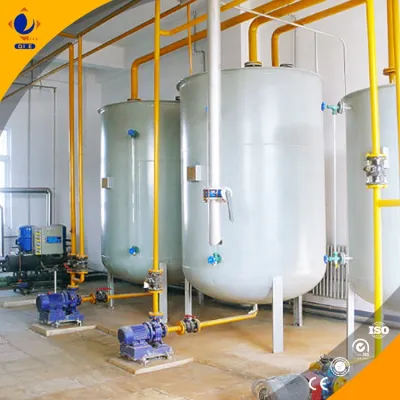
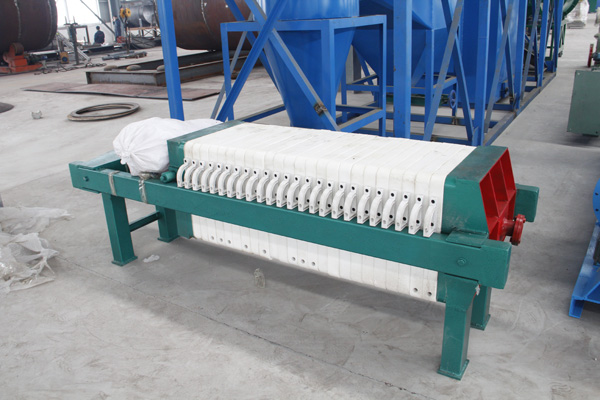
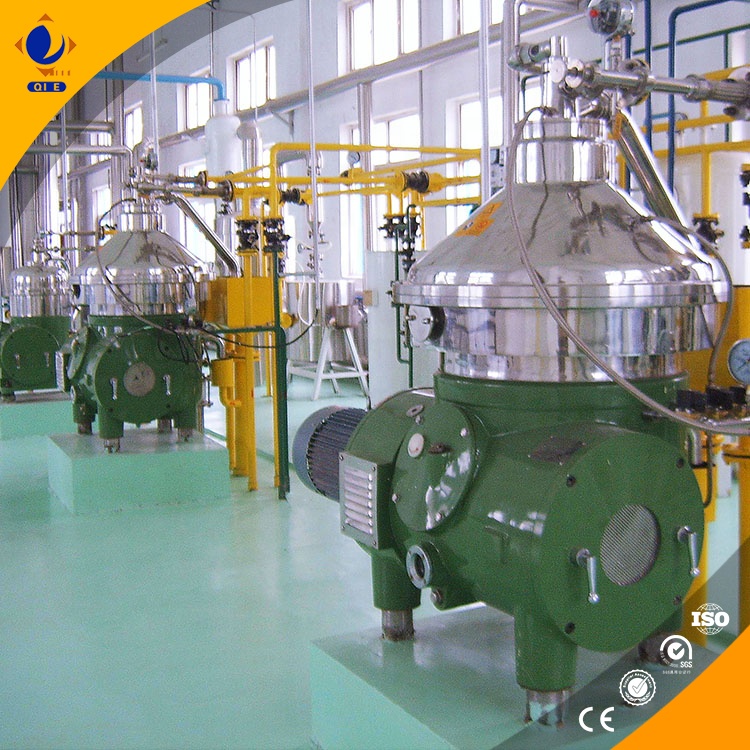
Grain and oil processing equipment refers to the machinery and integrated systems used to prepare oilseeds, extract crude oil, and refine oil for the intended market and quality requirements. A practical processing configuration is determined by the feedstock, required production capacity, operating model, automation level, and the desired condition of the finished oil.
Qi'e Grain and Oil Machinery Co., Ltd. develops and supplies oil pressing equipment, edible oil production line equipment, and oil refining equipment for B2B processing projects. Within a complete grain and oil processing workflow, compact palm oil refining equipment can be a suitable option for small and medium-scale operations seeking a controlled, space-conscious refining solution.
An edible oil production line is not a single machine. It is a coordinated process in which each stage supports the next. The final configuration may vary by oilseed and project scope, but the following stages provide a clear framework for evaluating grain and oil processing equipment.
Pretreatment prepares incoming material for downstream processing. Depending on the feedstock, this may involve cleaning, conditioning, size reduction, or other preparation steps that help create stable operating conditions.
Oil pressing equipment or solvent extraction equipment is selected according to the material, production method, capacity target, and project requirements. This stage produces crude oil for further handling or refining.
Crude oil handling connects extraction and refining. The required arrangement depends on the condition of the oil, continuity of production, and the processing objectives of the facility.
Edible oil refining equipment is used to process crude oil toward the quality specifications and application requirements defined by the operator and the relevant market.
Palm oil processing may include upstream material handling and extraction as well as refining. For businesses purchasing crude palm oil or operating a dedicated refining section, the refining system becomes a central part of the production plan. Equipment selection should consider not only capacity, but also utility consumption, control requirements, installation conditions, material selection, and the level of operator involvement.
Equipment selection principle: Match the refining solution to the actual feedstock condition, intended throughput, available utilities, operator capability, and finished-oil requirements. A larger system is not automatically a better fit for a smaller operation.
Qi'e Group's mini palm oil refining equipment is an automated refining solution developed for small and medium-sized palm oil producers. It is designed as a compact palm oil processing unit for projects that need a manageable production scale together with PLC-based operating control.
The equipment has a stated maximum capacity of up to 1,000 kg per hour. Its configuration uses carbon steel or stainless steel according to project needs, with key components including motors, pressure vessels, pumps, a PLC system, gears, bearings, and engines.
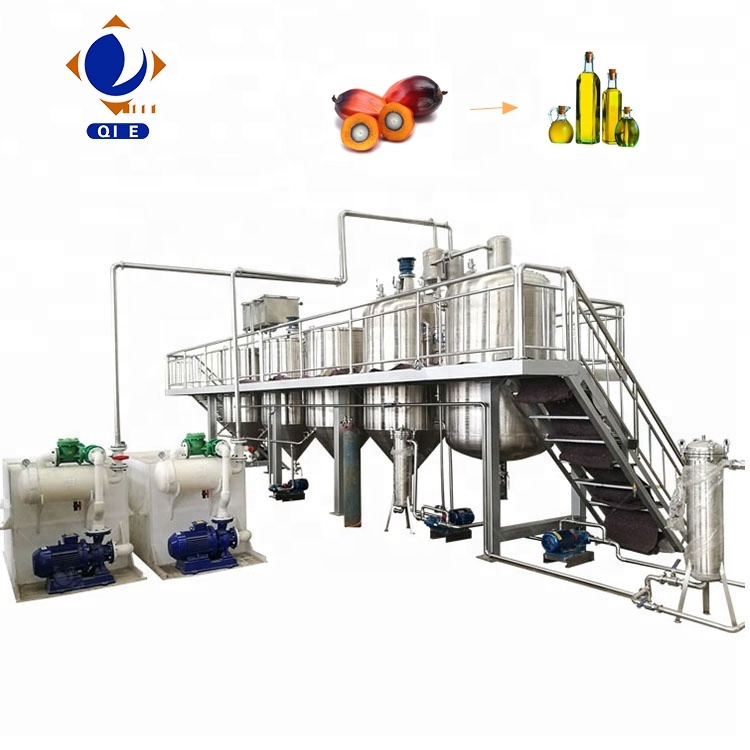
| Item | Equipment Information |
|---|---|
| Applicable operation | Small and medium-scale palm oil refining projects |
| Maximum stated capacity | Up to 1,000 kg per hour |
| Control method | PLC control system; the stated operating arrangement requires 2–3 people for the production process |
| Steam consumption | Less than 300 kg per tonne of oil |
| Soft water consumption | Approximately 160 kg per hour |
| Electricity consumption | 22 kWh per tonne of oil |
| Main material options | Carbon steel or stainless steel |
| Quality management | ISO9001:2000 quality management system certification |
Actual performance and utility demand can vary with feedstock condition, operating practices, project configuration, and site conditions. Equipment planning should be confirmed against the requirements of the specific processing project.
Qi'e Grain and Oil Machinery Co., Ltd. supports customers with equipment design, manufacturing, installation, and technical service for oil pressing, edible oil production, and refining projects. For palm oil businesses evaluating a mini refining plant, a project discussion can begin with the crude oil condition, target capacity, site utilities, preferred equipment material, and operational requirements. This helps establish a configuration that is appropriate for the intended scale of production.
From oilseed preparation and extraction to edible oil refining, effective grain and oil processing equipment selection starts with a clear understanding of the complete process—and a refining solution sized for the realities of the operation.
 42
|
 PLC control in palm oil refining temperature pressure closed-loop control automated refining equipment PLC application in oil processing palm oil refining process optimization
 222
|
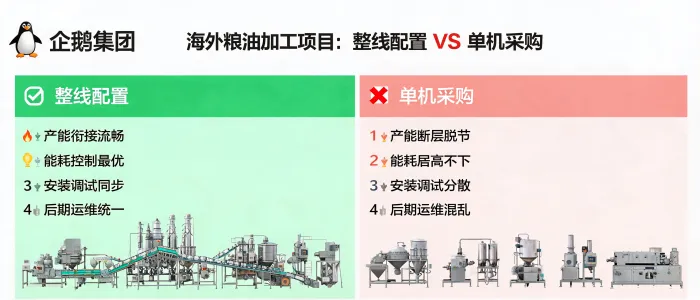
Qi'e Grain and Oil Machinery Co., Ltd. overseas grain and oil projects integrated line configuration single-machine procurement project delivery and O&M efficiency
 312
|
palm oil refining technology degumming process deodorization energy saving palm oil refining equipment QIE Group
 300
|
Qi'e Grain and Oil Machinery Co., Ltd. emerging markets efficient and eco-friendly equipment grain and oil processing overseas procurement
 448
|
Qi'e Grain and Oil Machinery grain and oil processing equipment project oil production line installation equipment commissioning service oil mill technical support