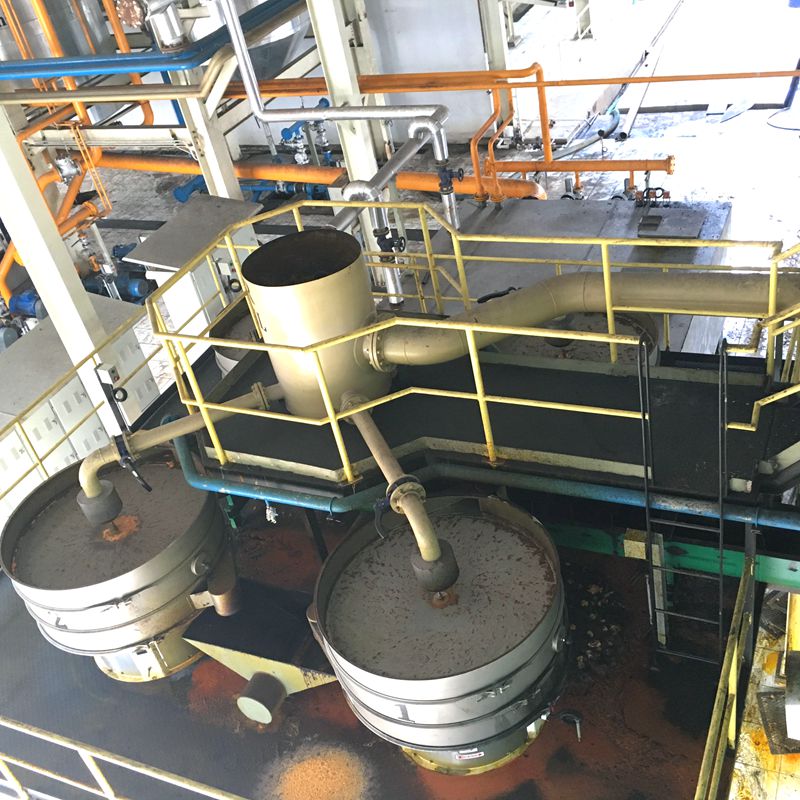
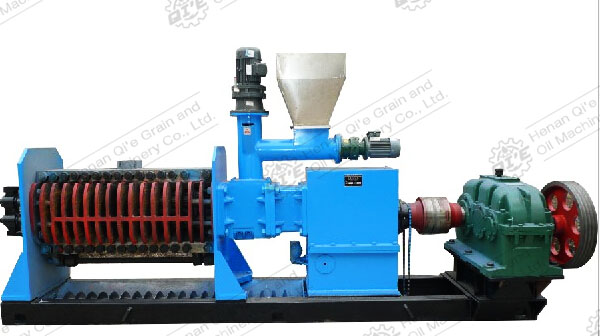
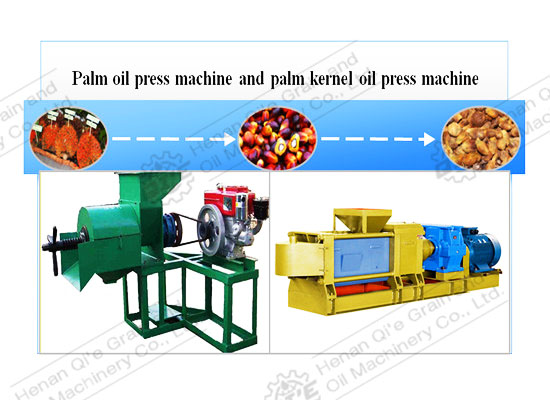
In the realm of grain and oil processing, small and medium-sized oil mills are currently grappling with significant challenges. The twin issues of capacity bottlenecks and high energy consumption have become the Achilles' heel of these enterprises, severely restricting their development and competitiveness. This article aims to delve deep into the key process parameter control technologies that can enhance the efficiency of grain and oil processing, with a particular focus on the palm kernel oil refining process.
Small and medium-sized oil mills are the backbone of the grain and oil processing industry, but they often face difficulties in meeting market demand due to limited production capacity. At the same time, high energy consumption not only increases production costs but also goes against the trend of sustainable development. According to industry statistics, nearly 70% of small and medium-sized oil mills are struggling with these two problems, which has become an urgent issue to be solved.
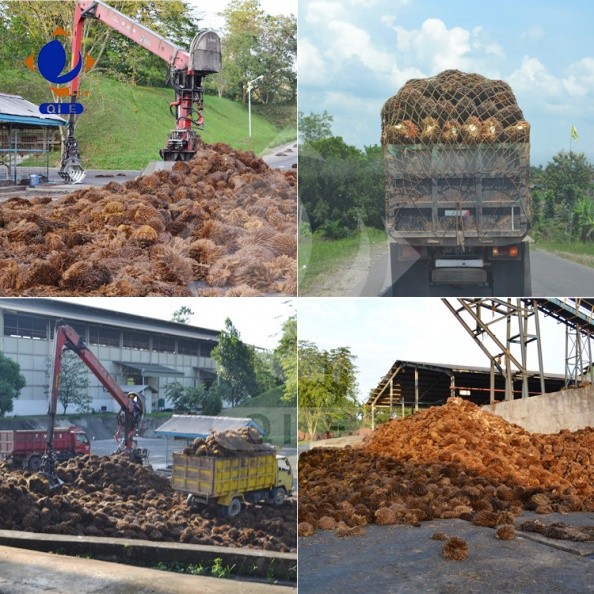
In the palm kernel oil refining process, temperature, pressure, and moisture are the core variables that directly affect the extraction of phospholipids and the decolorization effect. For example, an appropriate increase in temperature can accelerate the reaction rate of phospholipid extraction, but if the temperature is too high, it may cause the decomposition of some beneficial substances in the oil. Similarly, pressure and moisture also need to be precisely controlled to ensure the quality and yield of the oil. An information chart comparing the effects of different temperature, pressure, and moisture combinations on phospholipid extraction and decolorization can be very helpful for understanding these relationships.
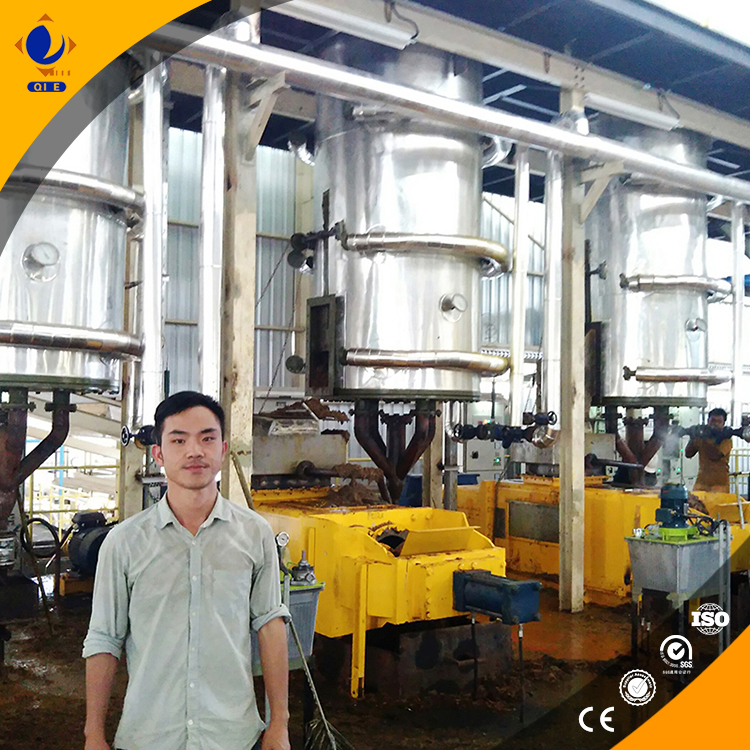
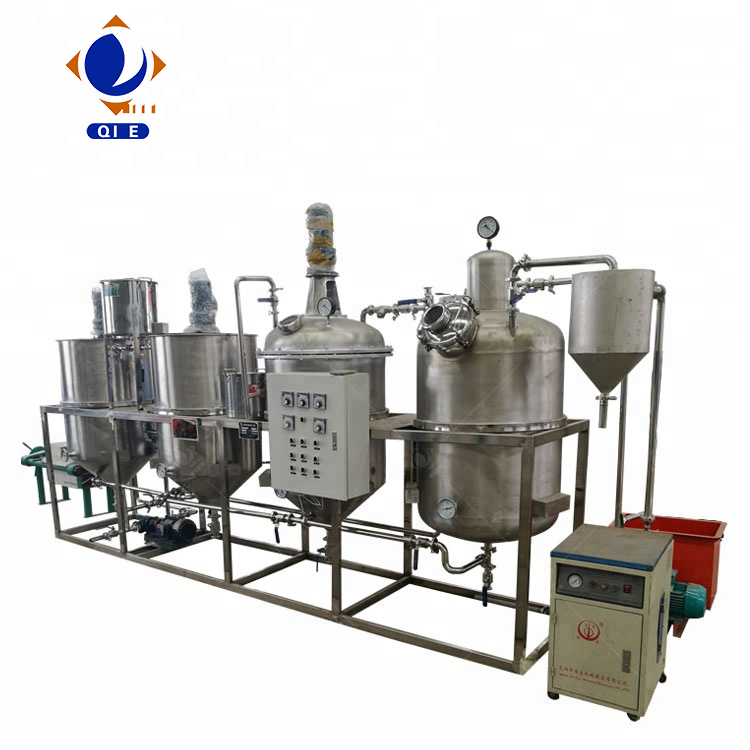
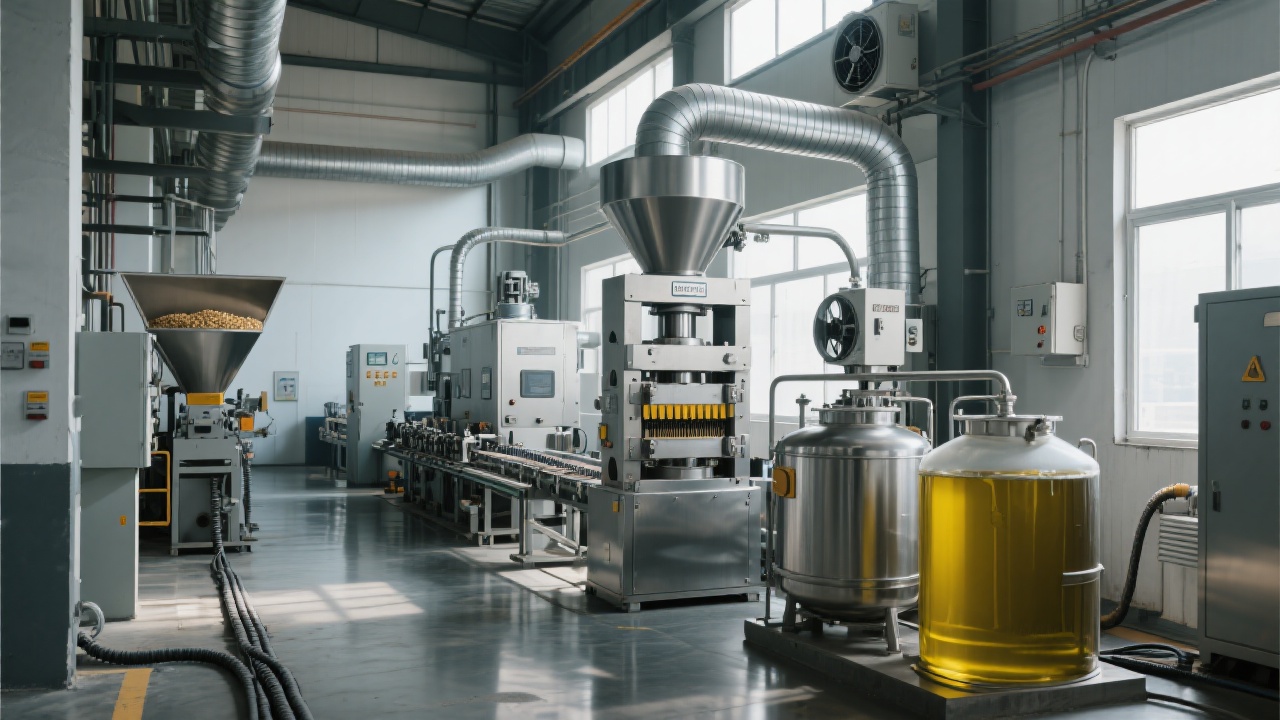
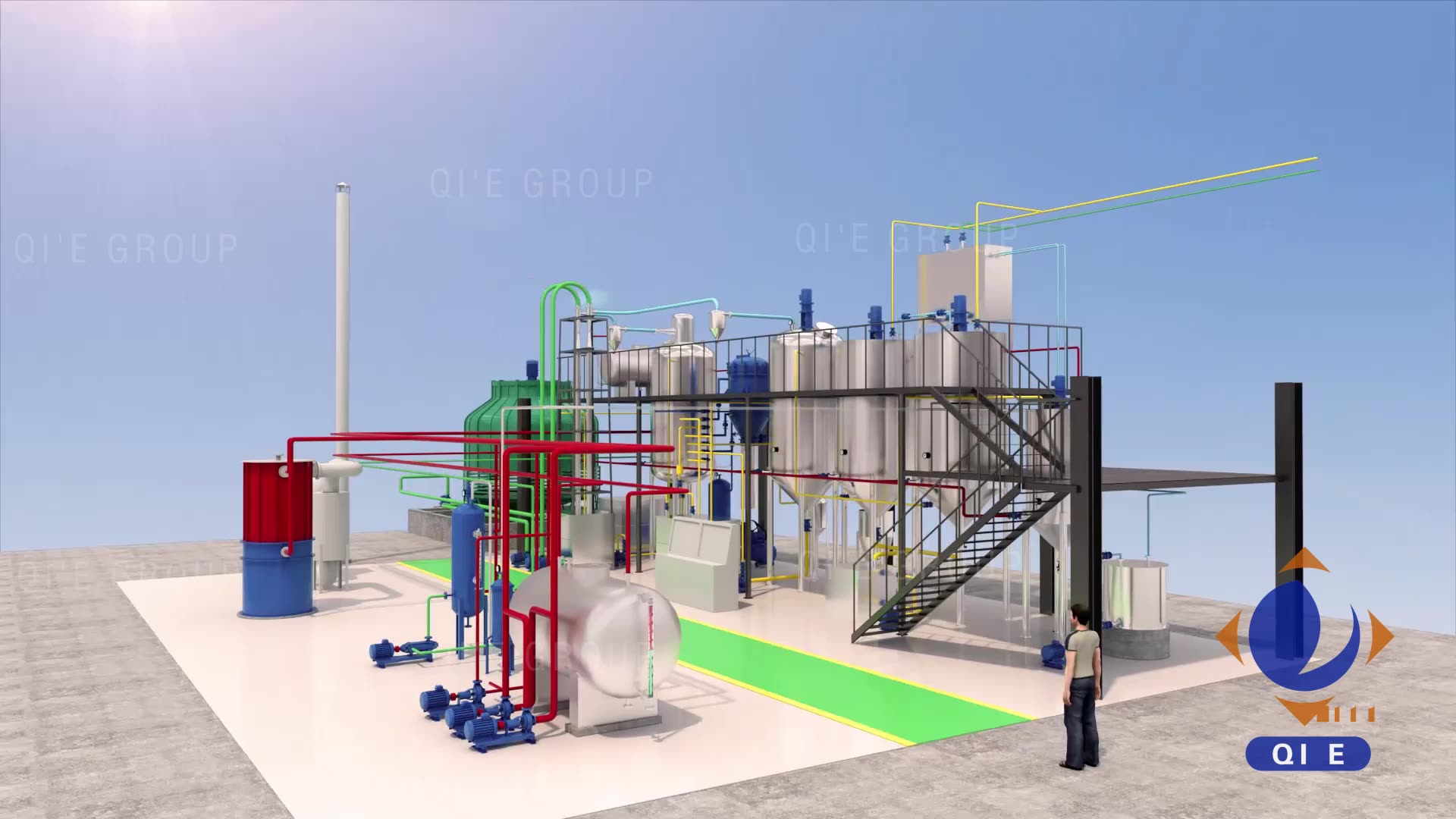
The Penguin 10-ton/day small palm kernel oil refining equipment stands out in the market with its intelligent control system. Under the intelligent control, this equipment can maintain high stability during the production process, ensuring the consistency of product quality. At the same time, it also has significant energy-saving advantages, reducing energy consumption by about 20% compared with traditional equipment. This not only helps enterprises reduce production costs but also contributes to environmental protection.
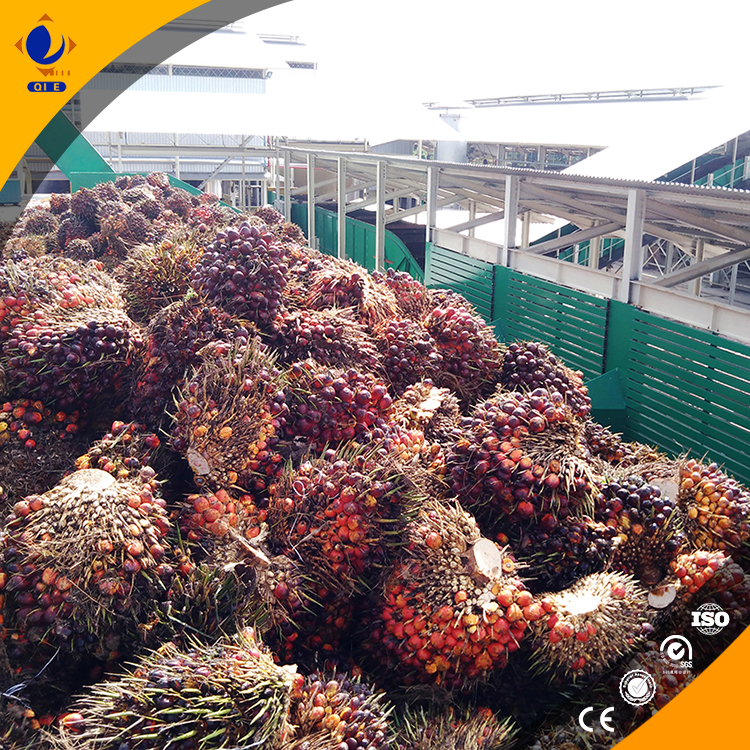
Let's take a look at a real case. A food factory was facing the problem of low production capacity. By adjusting the pressing temperature and the frequency of filter cloth replacement, they successfully increased their daily production by 15%. This case clearly demonstrates the importance of process parameter control in improving production efficiency. It also shows that these techniques are not only theoretical but can be applied in real production scenarios.
To help enterprises better implement these technologies, we provide a set of replicable operation guides, including a "Refining Process Record Table Template" and a "Daily Inspection Checklist". These tools can help enterprises standardize their production processes, reduce human errors, and improve production efficiency. With these tools, enterprises can quickly learn and apply these technologies, achieving immediate results.
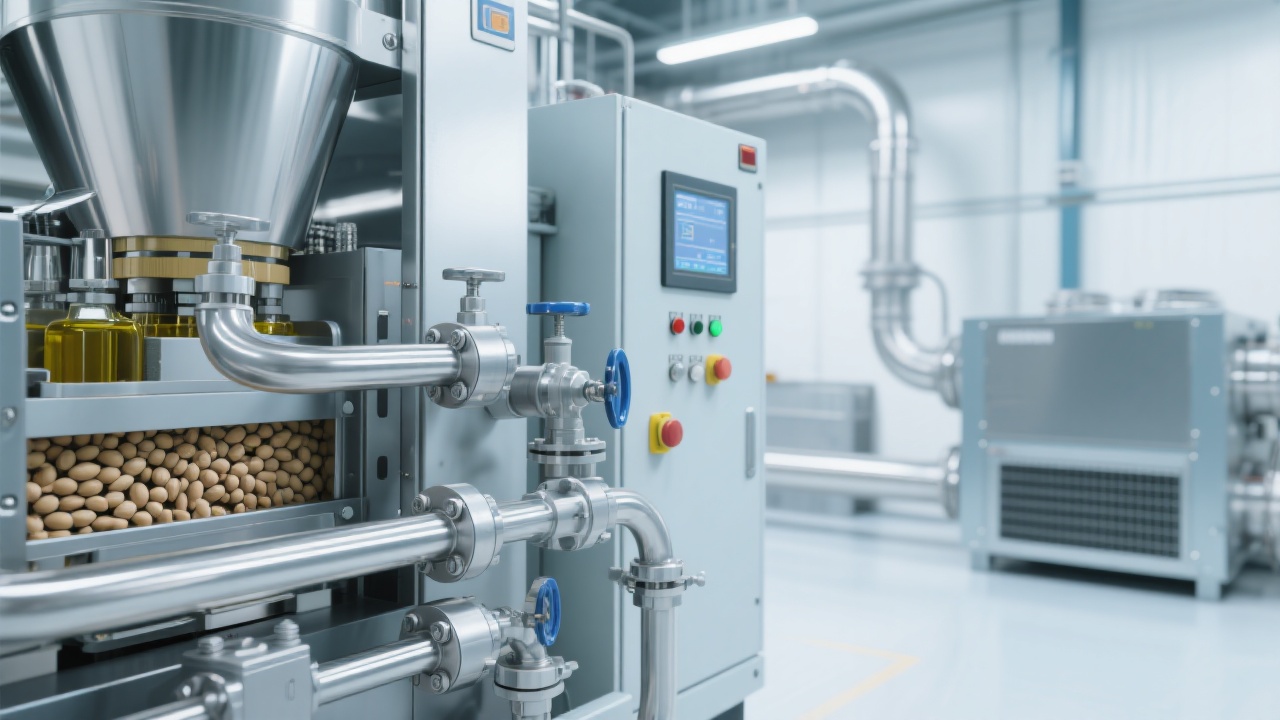
Automation control systems play a crucial role in modern oil mills. By using automation technology, enterprises can reduce human errors, improve production accuracy, and ensure the safety of the production process. For example, an automated temperature control system can precisely maintain the temperature at the set value, avoiding the negative impact of temperature fluctuations on product quality. In addition, automation systems can also detect potential safety hazards in a timely manner and take corresponding measures to ensure the safety of employees and equipment.
In conclusion, the key process parameter control technologies in palm kernel oil refining can effectively solve the problems faced by small and medium-sized oil mills, such as capacity bottlenecks and high energy consumption. These technologies are practical and replicable, suitable for both technical managers and front-line operators. We have set up a "Question of the Month" column at the end of this article. We encourage you to leave your questions and comments, and we will try our best to answer them. If you want to learn more about these technologies and how to apply them in your enterprise, click here to get more information and start your journey to improve production efficiency and investment return rate!

 394
|
394
|
 Energy-efficient palm oil refining equipment
Penguin Group
fully automated PLC control system
reduce production costs
industrial sustainable development
Energy-efficient palm oil refining equipment
Penguin Group
fully automated PLC control system
reduce production costs
industrial sustainable development
 357
|
palm fruit preprocessing
palm oil extraction efficiency
rain season palm oil processing
non-standardized oil press equipment
palm oil yield optimization
357
|
palm fruit preprocessing
palm oil extraction efficiency
rain season palm oil processing
non-standardized oil press equipment
palm oil yield optimization
 321
|
Palm kernel oil equipment selection
Palm kernel oil equipment installation
Palm kernel oil equipment maintenance
Palm oil extraction equipment
Palm oil equipment troubleshooting
321
|
Palm kernel oil equipment selection
Palm kernel oil equipment installation
Palm kernel oil equipment maintenance
Palm oil extraction equipment
Palm oil equipment troubleshooting
 366
|
palm oil pressing equipment
energy-efficient oil extraction technology
palm oil processing machinery
screw press optimization
automated oilseed processing
366
|
palm oil pressing equipment
energy-efficient oil extraction technology
palm oil processing machinery
screw press optimization
automated oilseed processing
 317
|
PLC control in palm oil processing
palm oil press temperature regulation
automated oil extraction system
energy-efficient palm oil machinery
industrial automation for edible oils
317
|
PLC control in palm oil processing
palm oil press temperature regulation
automated oil extraction system
energy-efficient palm oil machinery
industrial automation for edible oils