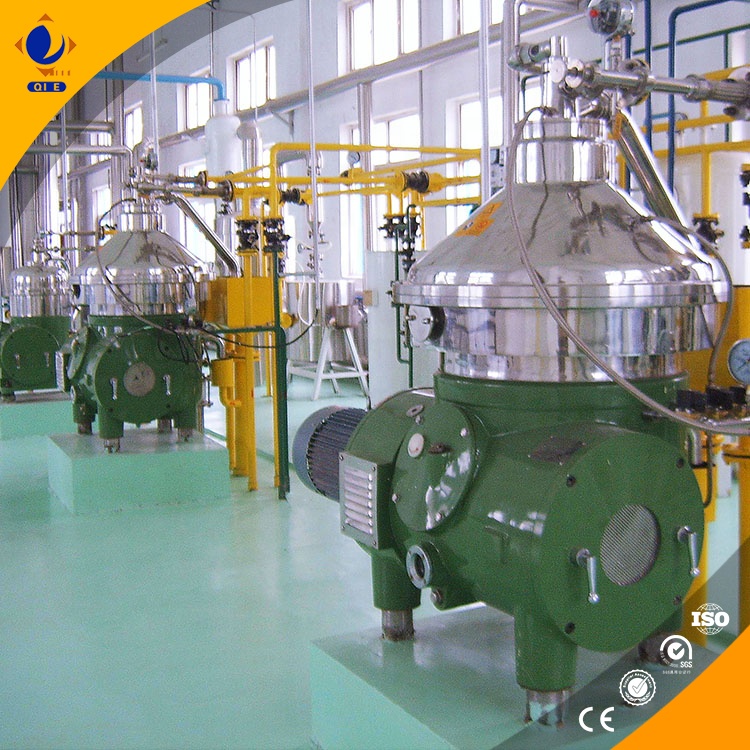
Integrated equipment planning for oil processing projects
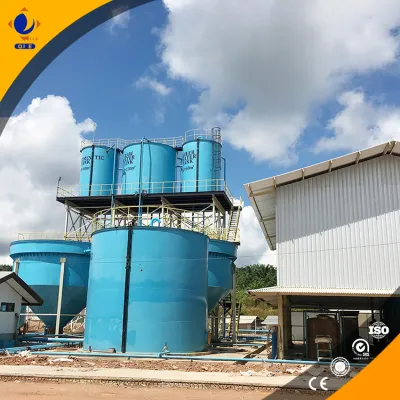
A grain and oil machinery equipment solution is a coordinated plan for converting oil-bearing raw materials into suitable oil products. Depending on the feedstock, processing target and planned capacity, the solution may combine oil pressing equipment, solvent extraction equipment, edible oil refining equipment and the related design, installation and technical support services required for a functioning project.
For palm oil processors, refining is an important part of this equipment chain. Qi'e Grain and Oil Machinery Co., Ltd. provides machinery and project-oriented support for businesses evaluating compact, automated refining configurations alongside their wider oil processing requirements.
A complete equipment solution is not defined by one machine alone. It is developed around the relationship between raw material handling, oil production, refining requirements and practical site operation. The appropriate configuration should reflect the processor’s actual production objectives rather than a one-size-fits-all equipment list.
The oilseed or oil-bearing material, its condition and the intended processing route help determine whether pressing, extraction, refining or a combination of processes is required.
Planned throughput, staffing, utility availability and production continuity influence the scale, automation level and supporting equipment selection.
The required refining process should be considered in relation to the characteristics of crude oil and the processor’s intended finished-oil application.
Equipment design, manufacturing, installation coordination and technical service help connect individual machines into a practical processing project.
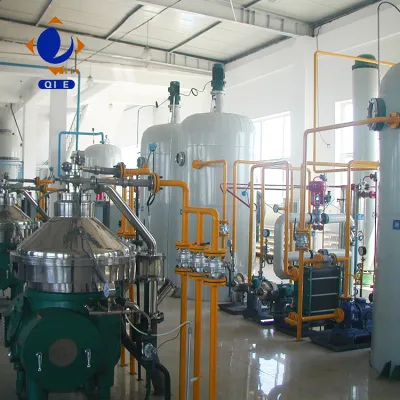
The mini palm oil refining equipment from Qi'e Grain and Oil Machinery Co., Ltd. is designed for small and medium-sized palm oil production enterprises that need a compact refining unit within an oil processing project. It is an automated crude palm oil refining solution with a stated maximum processing capacity of up to 1,000 kg per hour.
Its PLC control system is intended to simplify routine operation, with the production process designed to be operated by 2–3 personnel. This makes the equipment relevant where processors are seeking a compact refining arrangement with organized controls and defined utility requirements.
| Item | Equipment Information |
|---|---|
| Application | Small and medium-sized palm oil refining operations |
| Maximum stated capacity | Up to 1,000 kg per hour |
| Control method | PLC control system |
| Typical operating personnel | 2–3 operators for the production process |
| Steam consumption | Less than 300 kg per tonne of oil |
| Soft water consumption | Approximately 160 kg per hour |
| Power consumption | 22 kWh per tonne of oil |
| Main material options | Carbon steel or stainless steel |
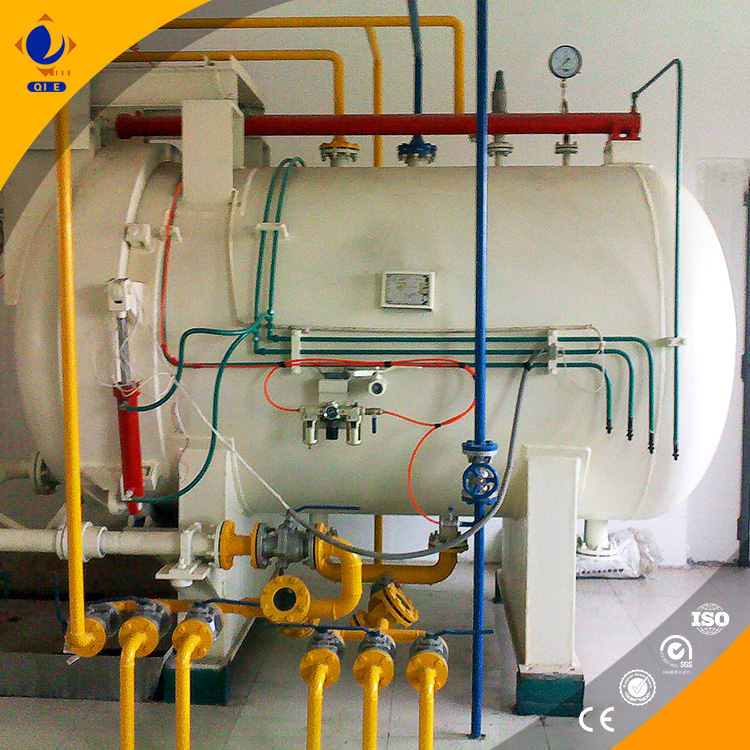
The mini refining unit incorporates key mechanical and control components, including motors, pressure vessels, pumps, a PLC system, gears, bearings and engines. These components form the operational foundation of the refining equipment and should be considered together with the installation environment, utilities and maintenance planning.
Before selecting palm oil refining equipment, processors should define the raw material condition, required capacity, available utilities, operating personnel, site layout and intended integration with upstream or downstream equipment. These inputs help determine whether a mini refining unit is appropriate and how it should connect with the broader oil processing line.
A practical grain and oil machinery equipment solution aligns the refining system with the actual processing objective, rather than treating refining equipment as an isolated purchase.
Qi'e Grain and Oil Machinery Co., Ltd. develops and supplies oil pressing equipment, oil production line equipment and edible oil refining equipment for B2B processing projects. In addition to equipment manufacturing, the company provides support covering design, installation and technical service.
For palm oil processors in Asia, Africa, South America and other markets, a discussion of processing objectives and site conditions can provide the basis for a more suitable compact refining and integrated oil processing equipment plan.

 448
|
 Qi'e Grain and Oil Machinery grain and oil processing equipment project oil production line installation equipment commissioning service oil mill technical support
 50
|
palm oil refining equipment component selection palm oil motor sizing continuous duty high temperature oil pump materials bearing fatigue life and lubrication PLC condition monitoring for refining equipment
 48
|
plant oil fractionation equipment selection cooling crystallization process centrifugal separation technology solvent recovery system fractionation troubleshooting
312
|
palm oil refining technology degumming process deodorization energy saving palm oil refining equipment QIE Group
270
|
Qi'e Grain and Oil Machinery Co., Ltd. industry trends energy-efficient equipment eco-friendly machinery automation integrated production lines