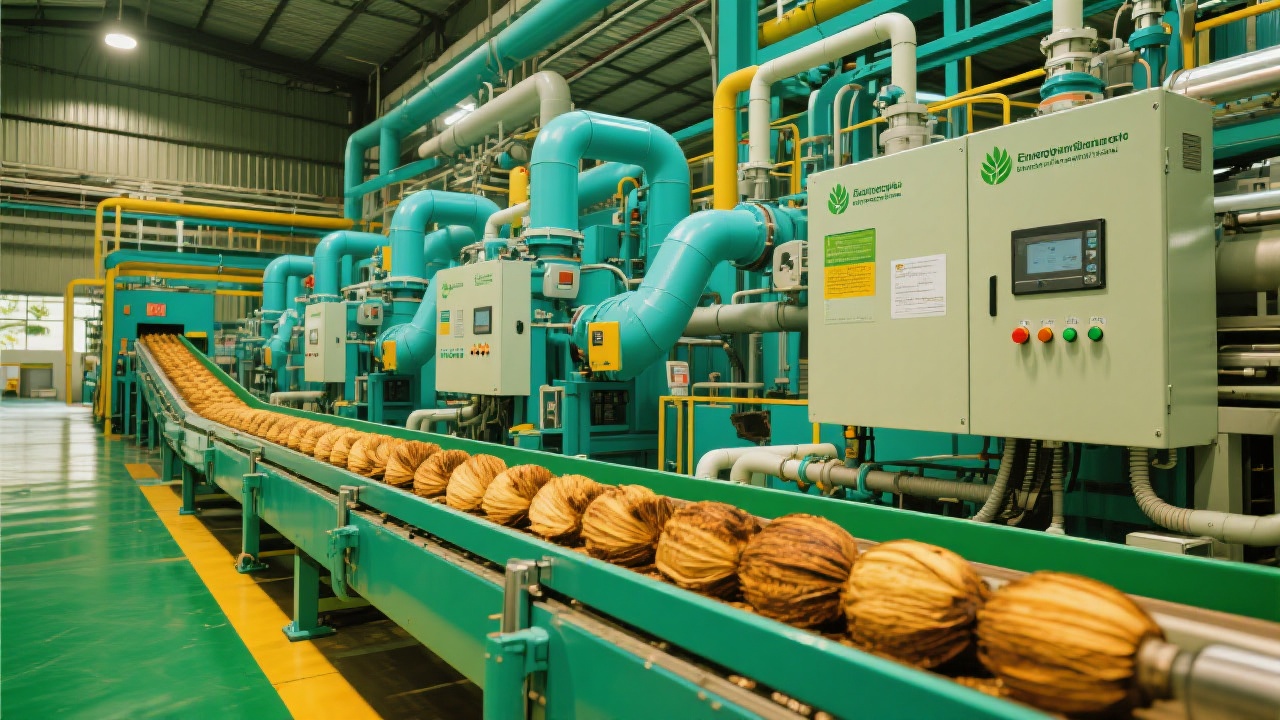
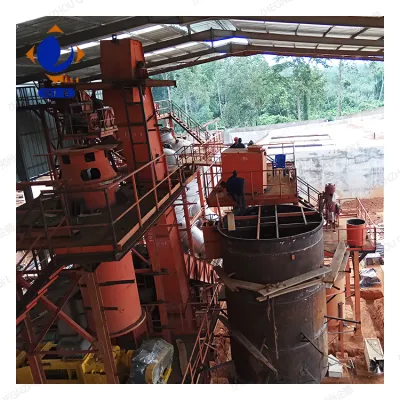
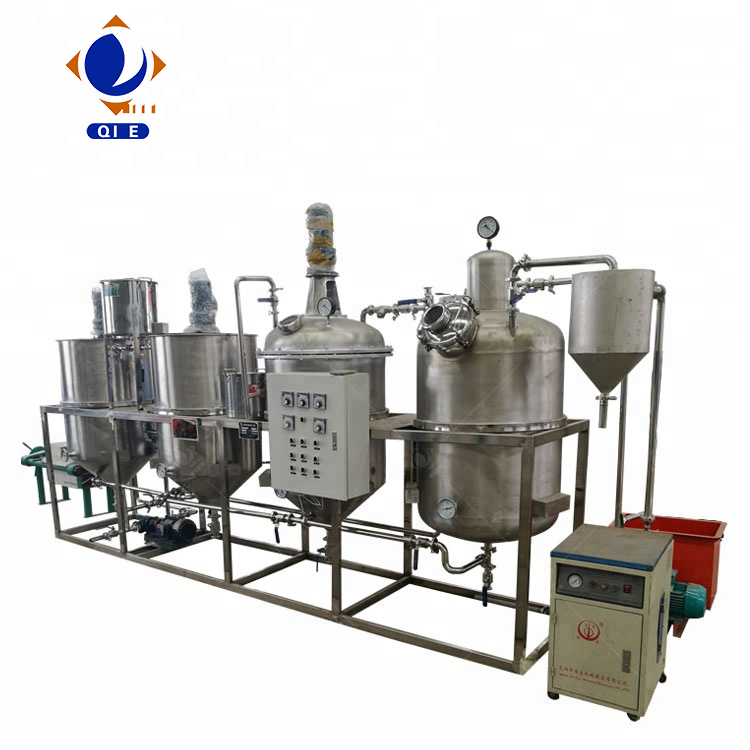
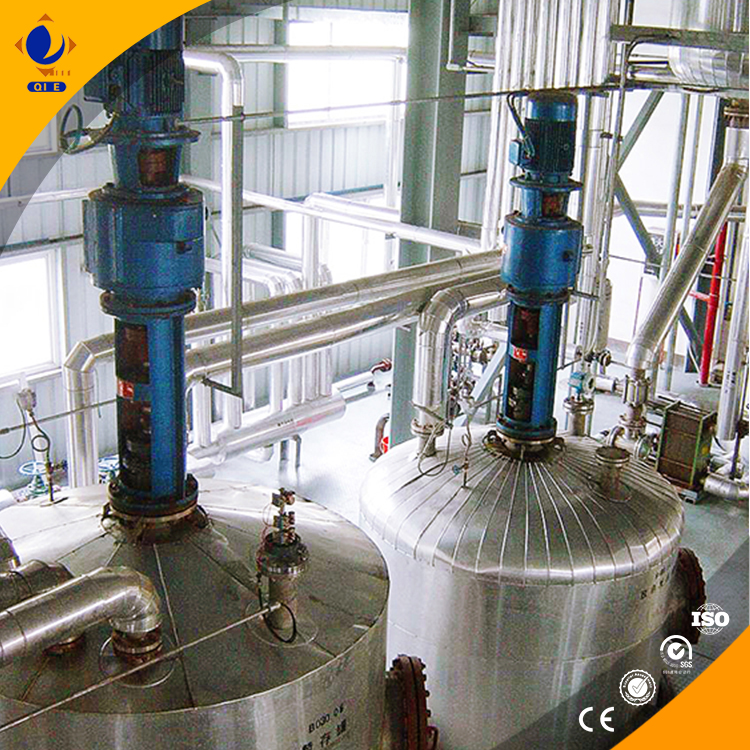
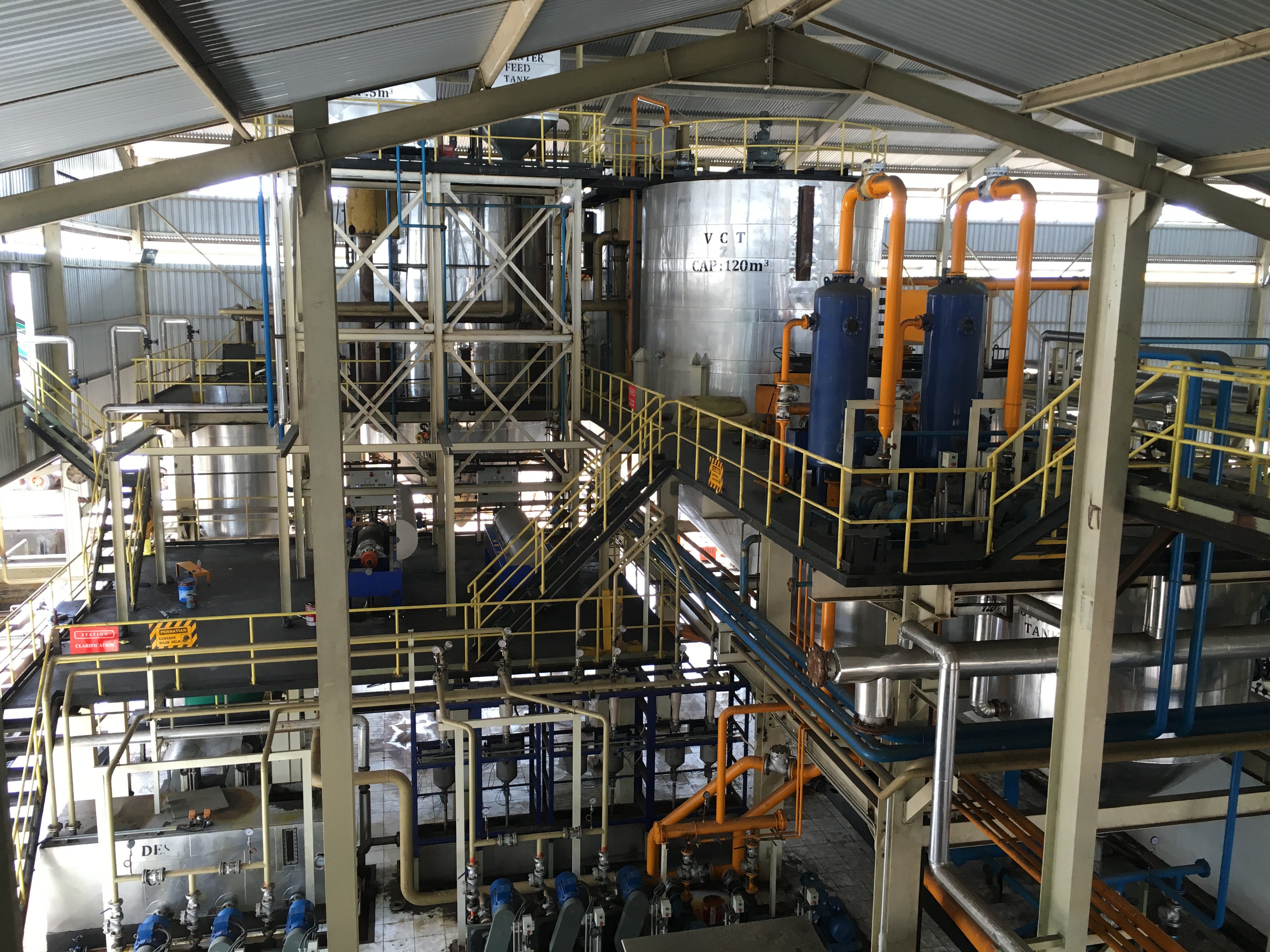
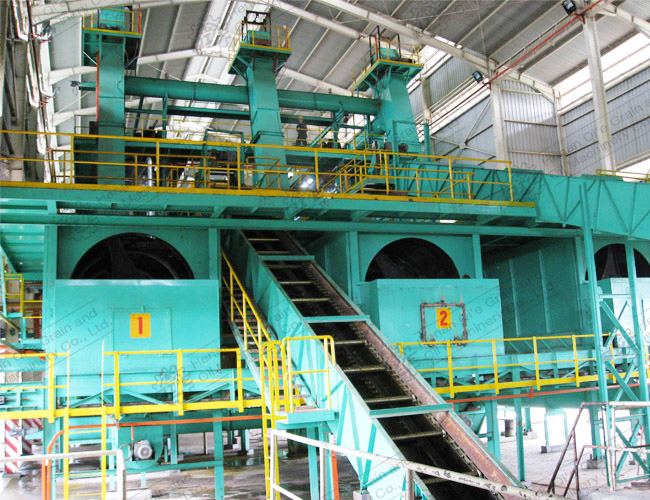
In the palm oil industry, optimizing production efficiency while minimizing energy consumption presents a persistent challenge. The latest advancements by QIE Group reveal innovative solutions through three critical energy-saving technologies that uphold high oil extraction rates without escalating power usage. This article rigorously examines these technologies—thermal energy recovery systems, intelligent automation control, and key component design optimization—to empower operators in maximizing output sustainably and economically.
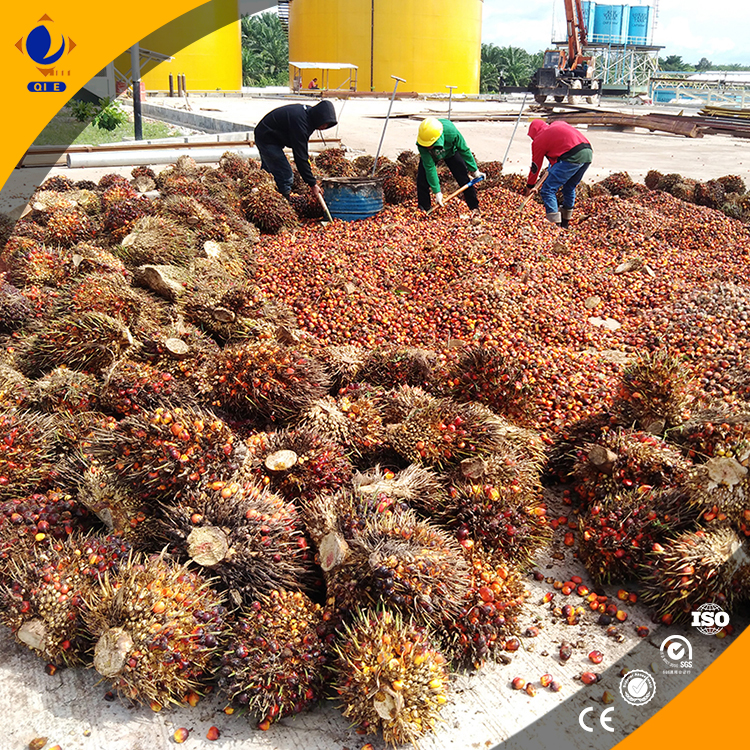
Conventional palm oil presses often struggle to balance throughput and energy efficiency. Inefficient heat loss during processing, manual parameter adjustments, and suboptimal mechanical components contribute to unnecessary fuel consumption and fluctuating oil yields. For example, traditional hydraulic presses can waste up to 15% more energy per ton of fresh fruit bunch (FFB) processed compared to modern optimized systems.
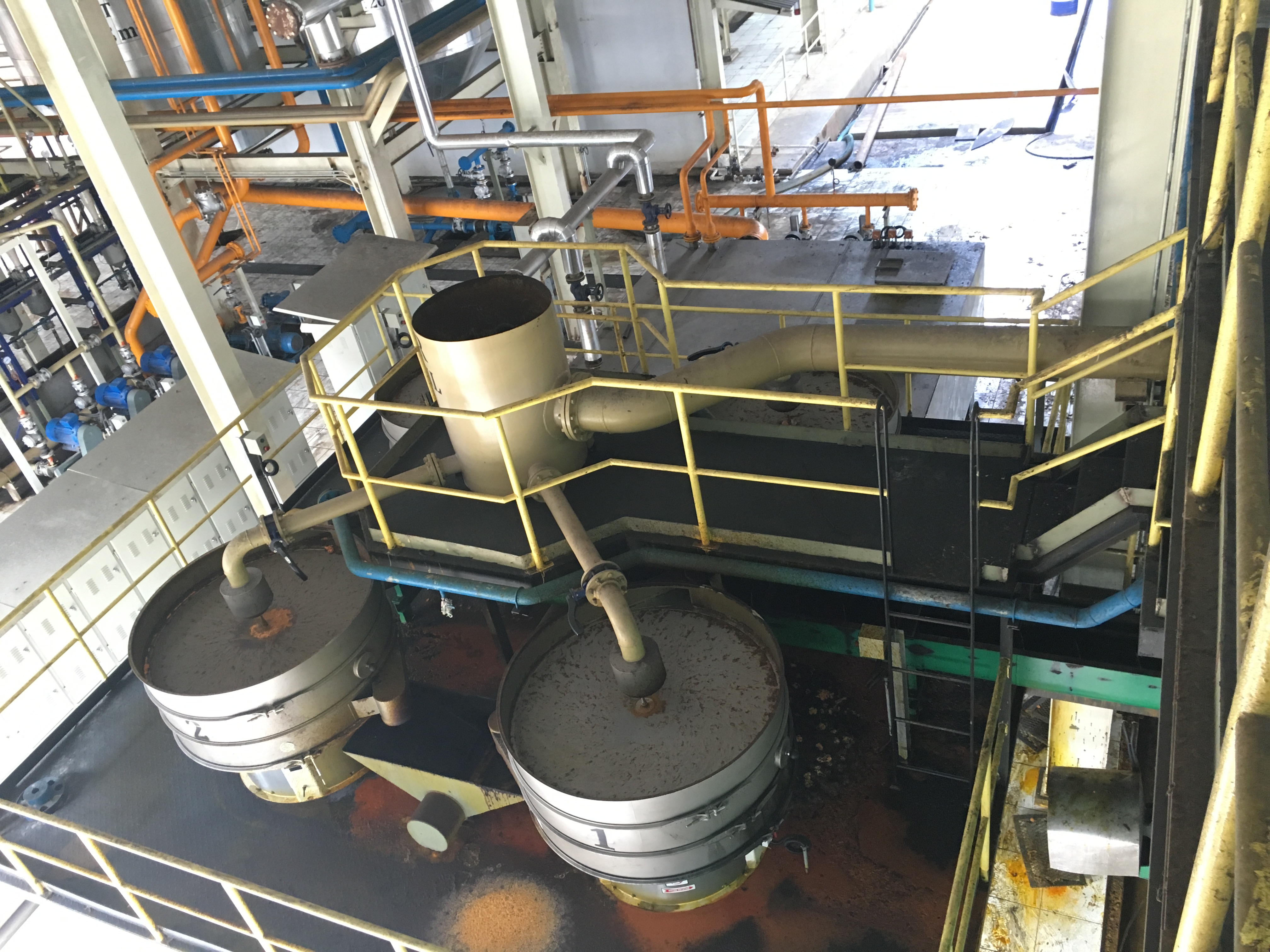
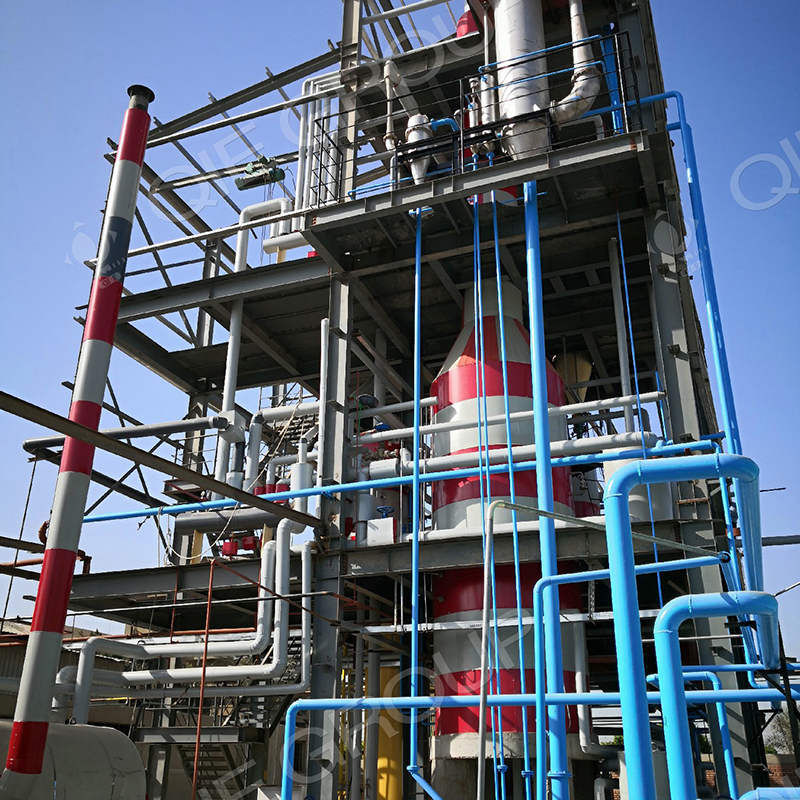
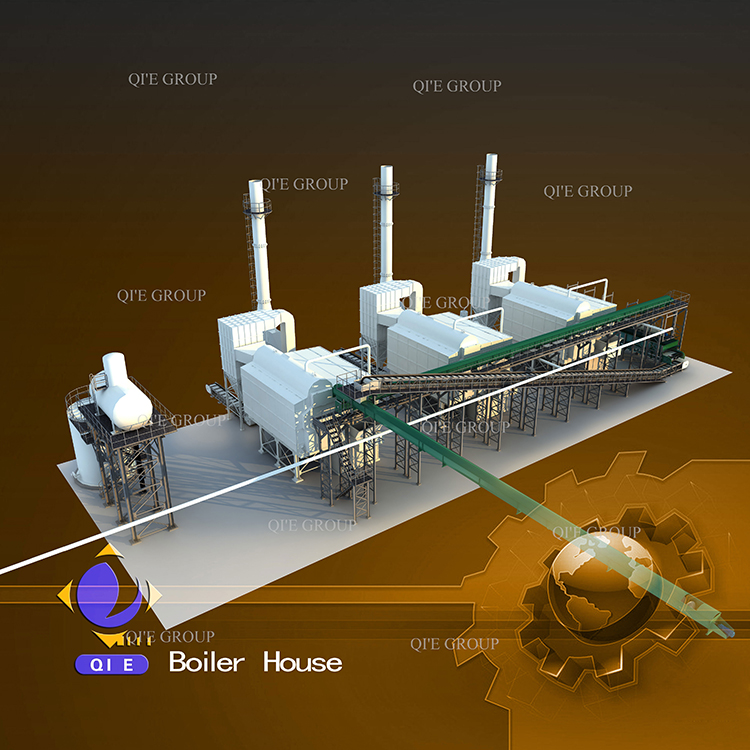
The thermal energy recovery system implemented within QIE Group pressing equipment harnesses waste heat from flue gases and hot water streams. This captured thermal energy is repurposed to preheat incoming feed stock or maintain optimum boiler temperature, effectively reducing fuel consumption by approximately 10-12%. The system employs a heat exchanger network modeled to maximize heat transfer efficiency, reflected in energy savings validated by in-field trials showing a 9% reduction in diesel fuel usage across a 24-hour production cycle.
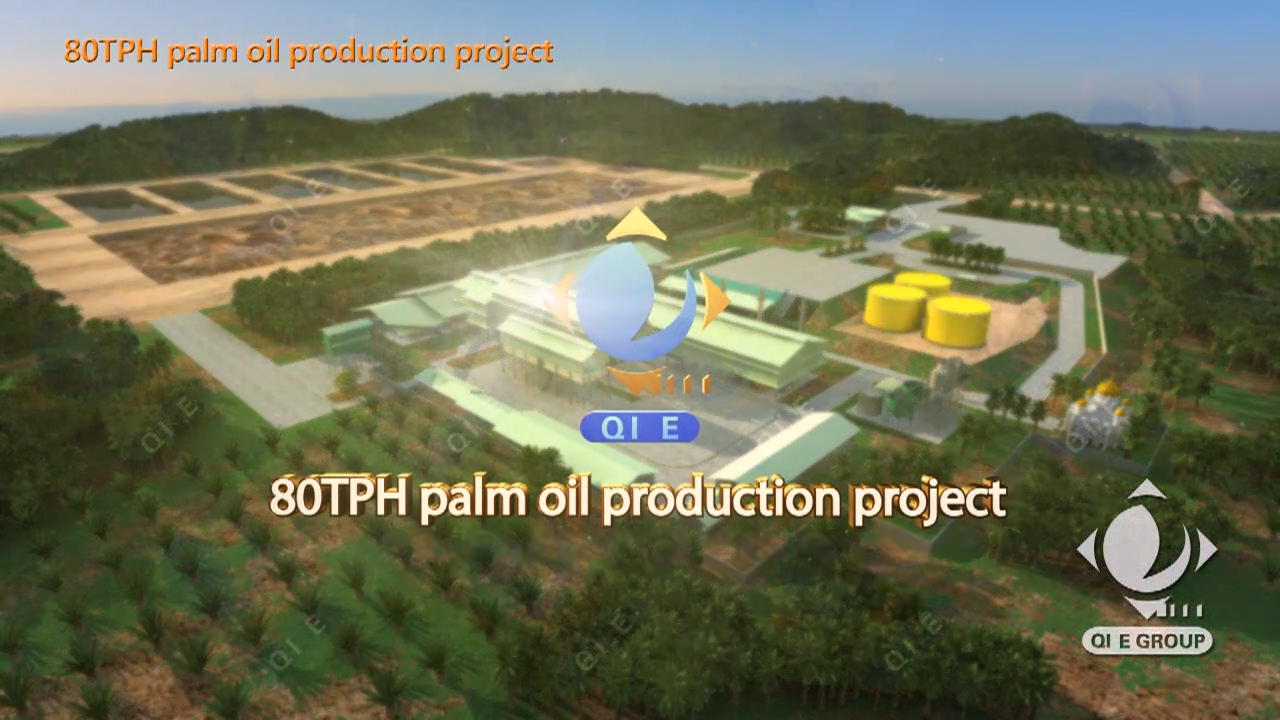
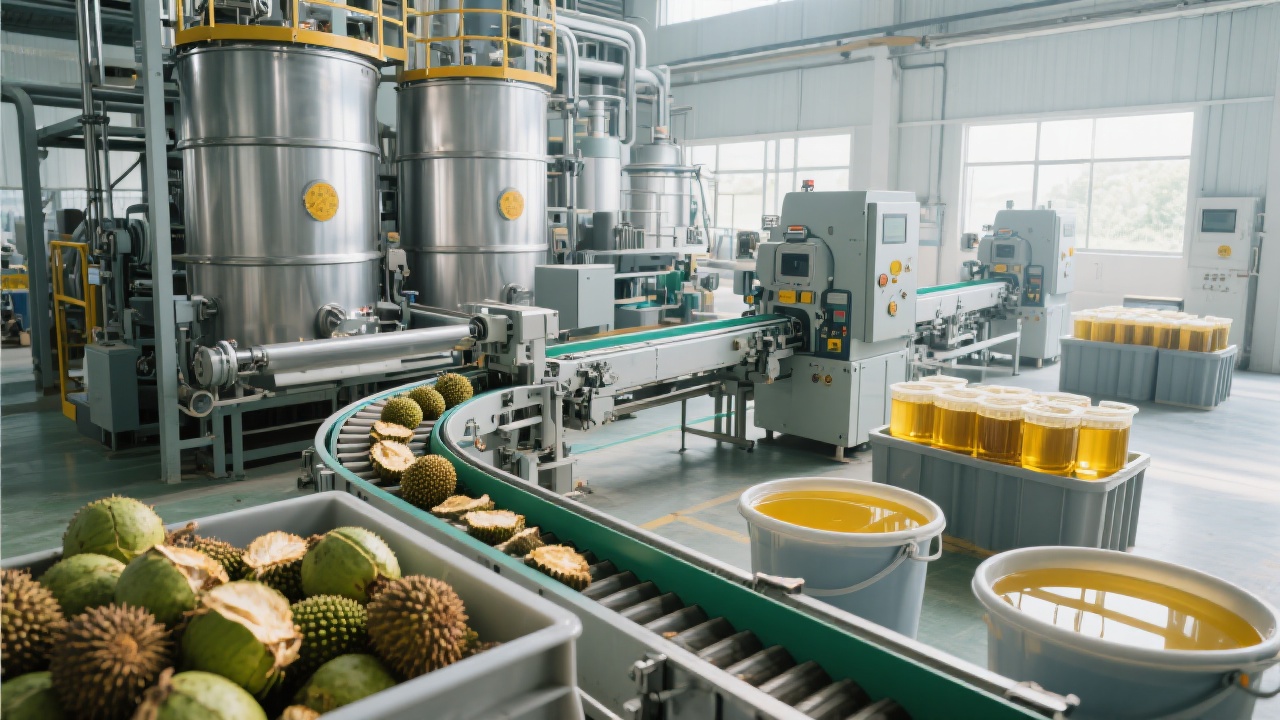
Automation in parameter control markedly decreases human error and optimizes energy usage. By integrating sensors that monitor pressure, temperature, and feed rate, the system dynamically adjusts operating variables to maintain peak efficiency. For instance, the automatic regulation of press screw speed within a narrow band reduces motor power fluctuations, trimming average energy consumption per ton by up to 8%. Automation algorithms also allow real-time fault diagnostics, minimizing downtime and energy wastage.
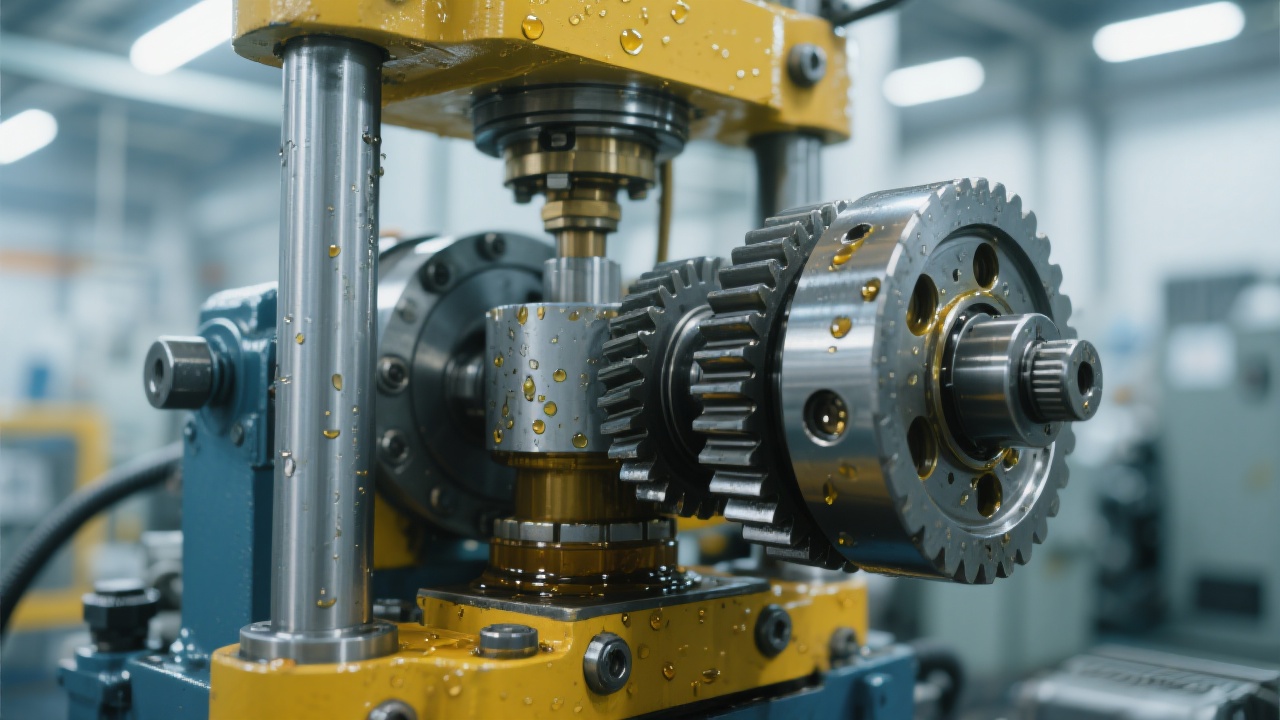
Mechanical innovations focus on refining the geometry and material composition of critical parts such as the screw press and sieve screen. QIE Group redesigned the screw’s pitch and flight angle to ensure uniform compression and avoid excessive friction that contributes to energy drain. Stainless steel mesh screens with optimized aperture sizes enhance oil flow while minimizing blockage, further lowering resistance and energy input. Collectively, these improvements contribute to a 15% increase in oil extraction efficiency without additional power consumption.
Field implementations demonstrate consistent results: a mid-sized facility reported an average output increase from 18% to 21% oil extraction rate while cutting energy consumption per ton of FFB by nearly 10%. Regular calibration of control systems and timely maintenance of screws and screens are vital to sustaining these benefits. Operators are advised to follow specific operational parameters such as maintaining press temperatures between 105-110°C and adjusting feed moisture content to optimal ranges (45%-50%) for peak performance.
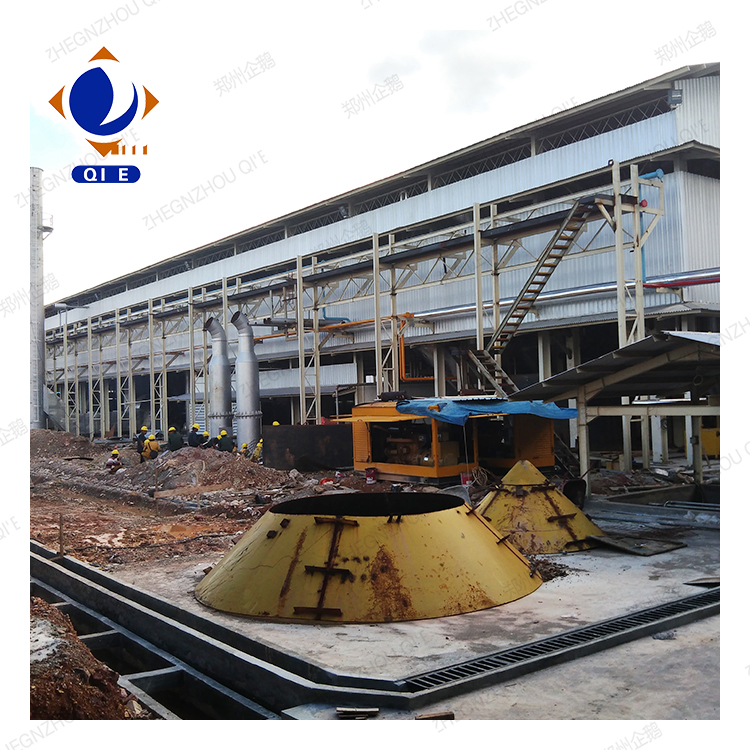
QIE Group’s equipment aligns with ISO9001 quality management standards, ensuring robust safety protocols and durable manufacturing. Stability in operations not only supports continuous energy savings but also mitigates risks associated with equipment failure and process interruptions. Adhering to internationally recognized safety and quality benchmarks enhances user confidence and positions producers competitively within global supply chains.

 451
|
451
|
 Palm oil pressing equipment
304 stainless steel corrosion resistance
Food safety equipment
Automated oil extraction unit
Energy - saving palm oil production
Palm oil pressing equipment
304 stainless steel corrosion resistance
Food safety equipment
Automated oil extraction unit
Energy - saving palm oil production
 304
|
Crude Palm Oil Refining Equipment
Energy-Efficient Equipment
Palm Oil Processing Equipment
Refining Process Optimization
Industrial Energy-Saving Technology
304
|
Crude Palm Oil Refining Equipment
Energy-Efficient Equipment
Palm Oil Processing Equipment
Refining Process Optimization
Industrial Energy-Saving Technology
 462
|
palm kernel oil production equipment maintenance
palm kernel oil extraction equipment保养
industrial oil processing equipment lifespan extension
automated oil refining line operation
solvent recovery optimization
462
|
palm kernel oil production equipment maintenance
palm kernel oil extraction equipment保养
industrial oil processing equipment lifespan extension
automated oil refining line operation
solvent recovery optimization
 363
|
Palm oil automation control
PLC control system application
Intelligent manufacturing oil - pressing equipment
Energy conservation and emission reduction cases
Production efficiency improvement
363
|
Palm oil automation control
PLC control system application
Intelligent manufacturing oil - pressing equipment
Energy conservation and emission reduction cases
Production efficiency improvement
 86
|
eco-friendly palm kernel oil extraction equipment
low solvent consumption oil press
energy-efficient oil processing technology
green transformation in palm oil industry
sustainable edible oil production
86
|
eco-friendly palm kernel oil extraction equipment
low solvent consumption oil press
energy-efficient oil processing technology
green transformation in palm oil industry
sustainable edible oil production