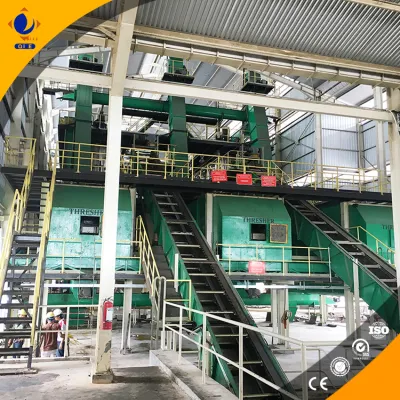
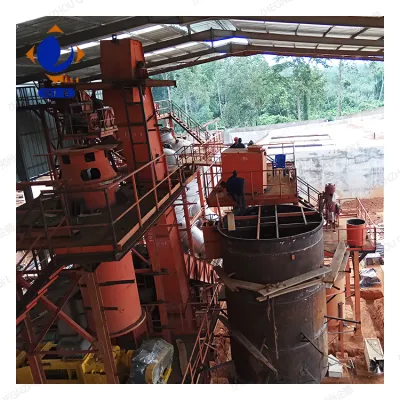
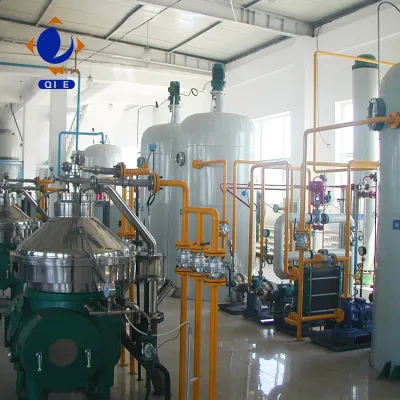
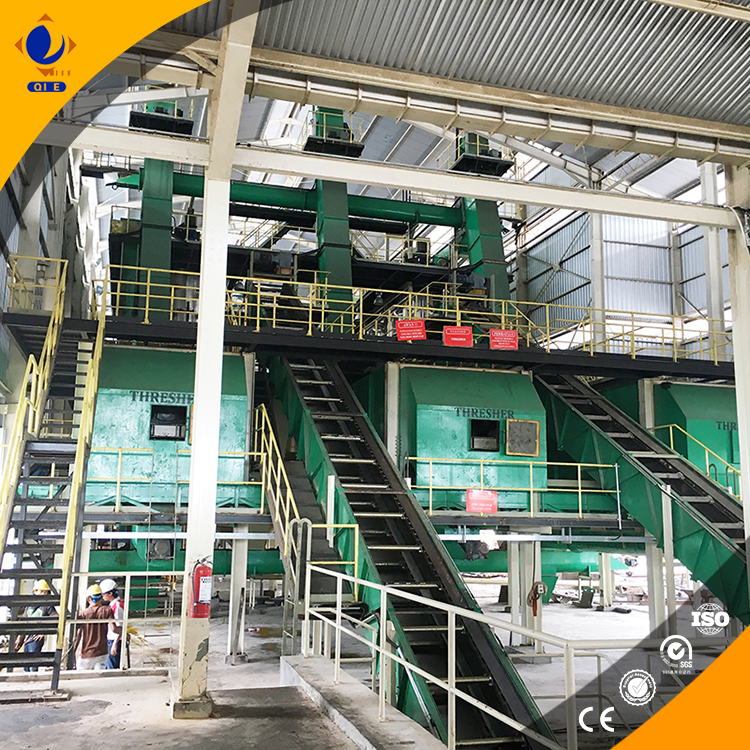
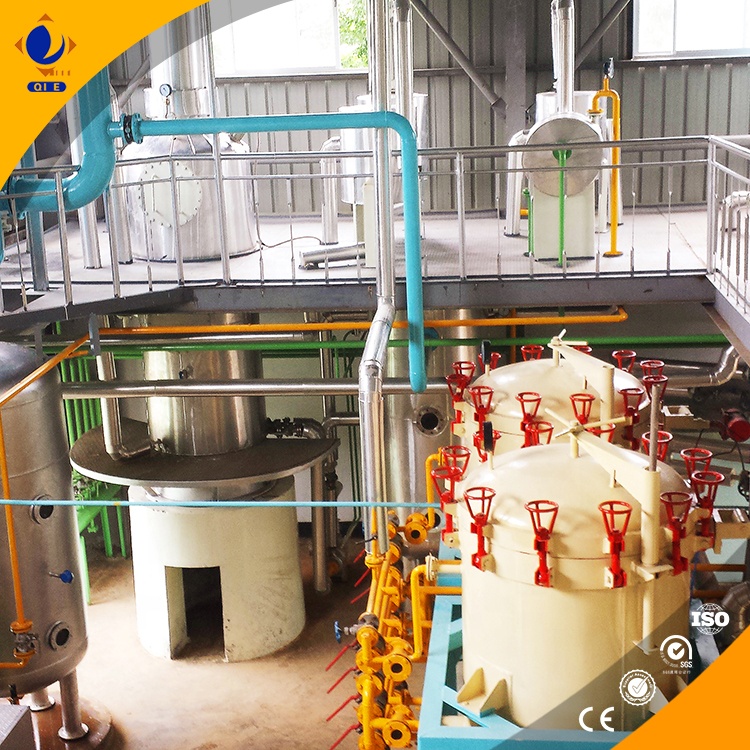
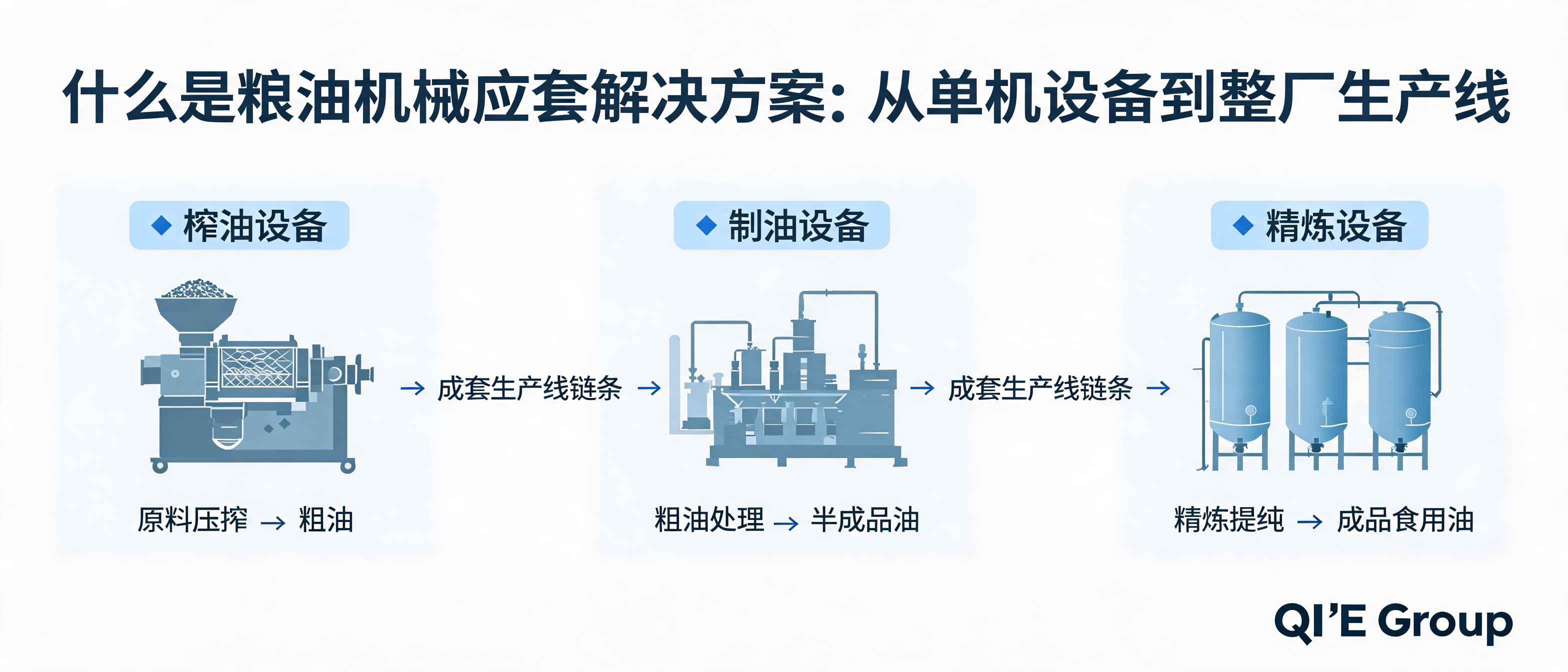
Planning an edible oil processing plant is not simply a matter of selecting individual machines. The equipment configuration should reflect the characteristics of the oilseed, the intended production capacity, the required process route, the desired oil quality, and the practical conditions of the installation site.
Qi'e Group supports oilseed processing projects with equipment and integrated line solutions covering oil pressing, oil extraction, and edible oil refining. A well-defined planning process helps establish a production line that is suitable for the material, operational objectives, and future development needs of the business.
The type of oilseed is the foundation of edible oil processing plant equipment planning. Different materials have different oil contents, physical properties, pretreatment needs, and processing considerations. Soybeans, palm kernels, sunflower seeds, and other oil-bearing materials may require different combinations of cleaning, cracking, conditioning, pressing, extraction, and refining equipment.
Identify the oilseed type, incoming material condition, impurity level, moisture condition, and expected handling requirements before defining the process.
Clarify whether the project is intended to produce crude oil, refined edible oil, or oil for a specific downstream application.
Consider how press cake, meal, hulls, and other process outputs will be collected, transferred, or used within the overall project plan.
Capacity planning should be based on the expected material throughput, planned operating schedule, supply stability, available utilities, storage conditions, and local market requirements. Rather than selecting equipment only by a nominal output figure, businesses should assess whether each section of the line can work together at an appropriate pace.
Planning principle: The effective capacity of an edible oil processing plant depends on the coordination of receiving, pretreatment, oil recovery, refining, storage, and transfer stages—not on a single machine alone.
The core processing route generally depends on the oilseed, capacity target, product requirements, and project conditions. Oil pressing and solvent extraction can be considered as different oil recovery approaches, while refining may be added when the project requires refined edible oil. The selected route should be evaluated as a complete process rather than as unrelated equipment purchases.
| Processing section | Planning focus | Equipment role |
|---|---|---|
| Pretreatment | Material preparation according to oilseed characteristics | Supports cleaning, preparation, and stable feeding into subsequent stages |
| Oil pressing | Mechanical oil recovery and press cake management | Forms the primary recovery stage for applicable oilseeds and production routes |
| Solvent extraction | Extraction route, material preparation, and process integration | May be considered where the planned process calls for solvent-based oil recovery |
| Oil refining | Crude oil condition and refined oil requirements | Supports the refining stage in an edible oil production line |
For projects that include more than one processing stage, material flow and oil flow should be considered from the beginning. The output from one stage becomes the input condition for the next. This affects equipment selection, conveying arrangements, intermediate storage, process controls, and plant layout.
For example, a project may require coordination between pretreatment equipment, an automatic oil press, extraction equipment where applicable, and an edible oil refining machine. Planning these components as one production system helps make the intended processing route clearer before installation begins.
Equipment planning should account for the actual site, not only the process diagram. Available building space, access routes, floor arrangement, utility connections, storage areas, and maintenance access all influence how an edible oil processing plant can be configured.
Automation requirements should be determined by production scale, operating practices, staffing arrangements, consistency requirements, and the complexity of the planned line. The objective is to select a practical level of control and coordination for the project, rather than applying automation features that do not align with operational needs.
Before moving forward with edible oil processing plant equipment selection, prepare clear project information for technical evaluation:
A sound edible oil processing plant plan connects oilseed characteristics, production capacity, process route, refining requirements, plant conditions, and automation expectations. Qi'e Group approaches oil pressing equipment, oil production line equipment, and oil refining equipment as parts of a coordinated processing solution, with attention to design, installation, and technical service requirements.

 361
|
361
|
 Qi'e Grain and Oil Machinery
equipment selection
oil pressing equipment
oil extraction equipment
oil refining equipment
grain and oil processing plant
Qi'e Grain and Oil Machinery
equipment selection
oil pressing equipment
oil extraction equipment
oil refining equipment
grain and oil processing plant
 395
|
palm oil deodorization process
temperature vacuum control
oil quality improvement
deodorization efficiency optimization
free fatty acid removal
269
|
Qi'e Grain and Oil Machinery Co., Ltd.
industry trends
energy-efficient equipment
eco-friendly machinery
automation
integrated production lines
395
|
palm oil deodorization process
temperature vacuum control
oil quality improvement
deodorization efficiency optimization
free fatty acid removal
269
|
Qi'e Grain and Oil Machinery Co., Ltd.
industry trends
energy-efficient equipment
eco-friendly machinery
automation
integrated production lines
 60
|
Qi'e Grain and Oil Machinery Co., Ltd.
grain and oil machinery solution
turnkey delivery
equipment selection
installation and commissioning
60
|
Qi'e Grain and Oil Machinery Co., Ltd.
grain and oil machinery solution
turnkey delivery
equipment selection
installation and commissioning
 146
|
Qi'e Grain and Oil Machinery Co., Ltd.
grain and oil machinery
integrated solution
oil production line equipment
edible oil refining
146
|
Qi'e Grain and Oil Machinery Co., Ltd.
grain and oil machinery
integrated solution
oil production line equipment
edible oil refining