Edible oil processing is evolving from standalone machinery selection toward coordinated, lifecycle-focused production systems. For oil processing enterprises, equipment investment is increasingly evaluated through practical factors: processing efficiency, energy use, environmental performance, operating stability, automation capability and the availability of technical support.
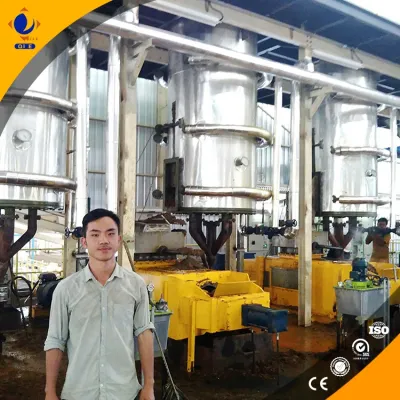
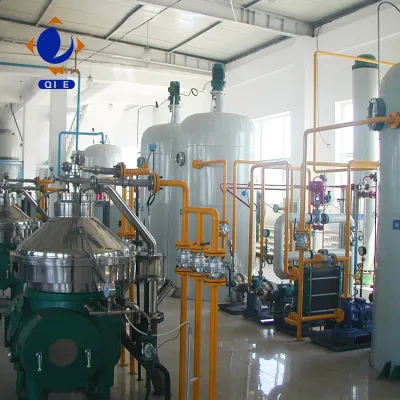
Qi'e Grain and Oil Machinery Co., Ltd. develops and supplies oil pressing equipment, oil production line equipment and edible oil refining equipment for grain and oil processing projects. The trends below provide a structured reference for organizations planning new plants, capacity upgrades or equipment modernization.
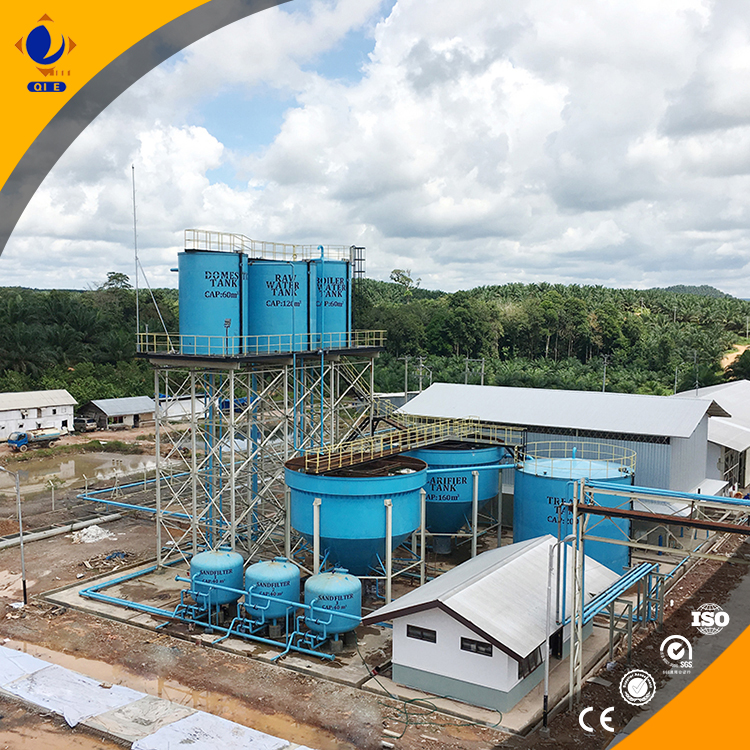
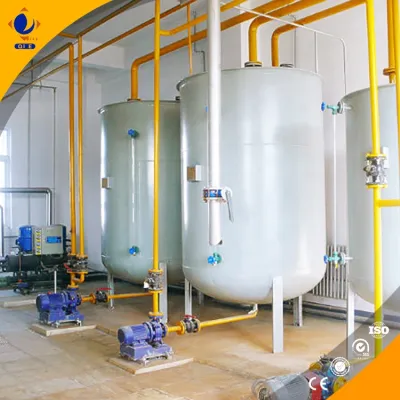
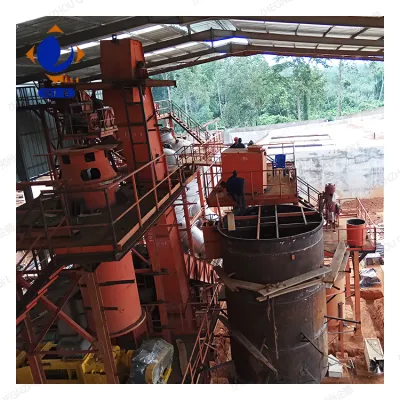
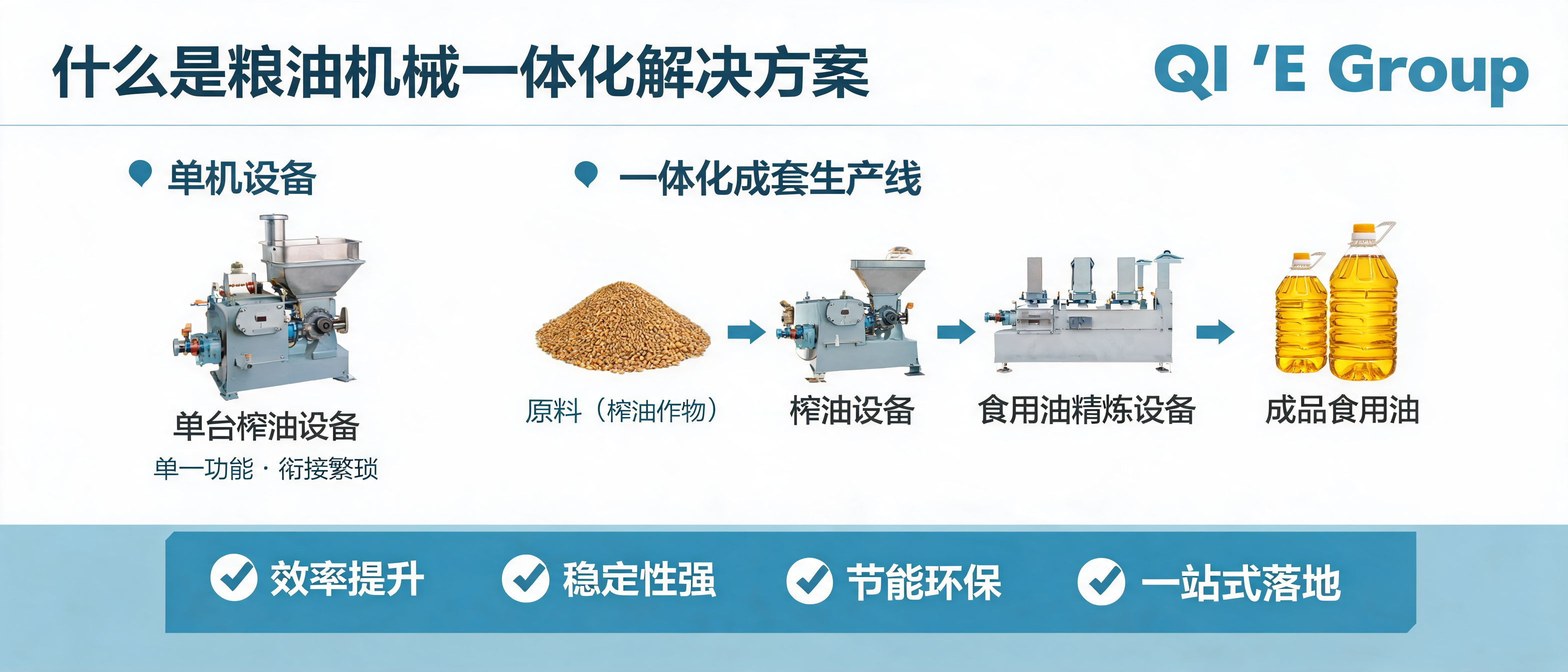
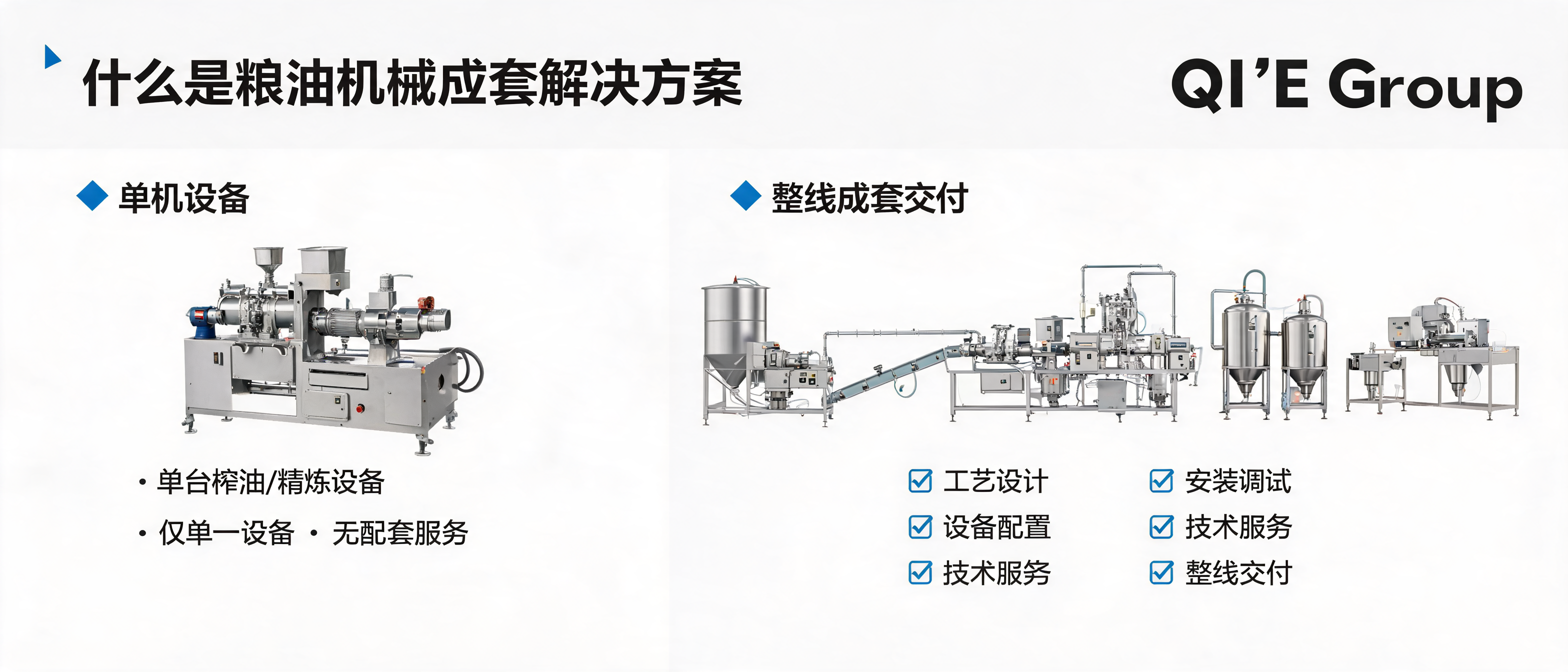
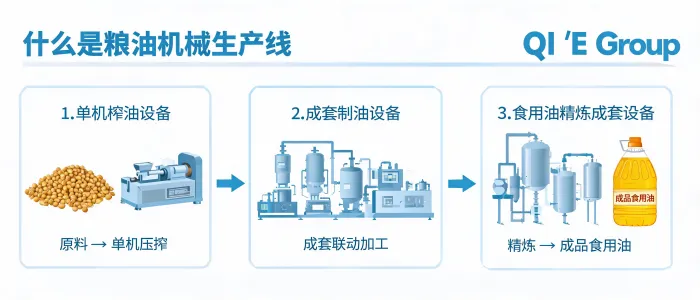
High-efficiency oil processing is not defined by a single machine alone. It depends on how preparation, pressing or extraction, oil handling, refining and auxiliary equipment work together. A well-matched production line helps operators manage material flow more consistently and supports clearer control of each processing stage.
Equipment selection should consider the connection between upstream material preparation and downstream oil processing, rather than assessing each unit in isolation.
Stable equipment interaction and sensible line configuration can support more predictable production planning and maintenance arrangements.
Oil-bearing materials differ in handling and processing requirements. Process routes should be assessed according to the feedstock, project scale and target product requirements.
Energy consumption and environmental management are important considerations throughout edible oil processing. Modern project planning increasingly examines how equipment configuration can support efficient resource use, orderly plant operation and alignment with applicable local environmental requirements.
Automation in edible oil processing is increasingly used to improve visibility and consistency in routine operations. Depending on the project scope, automated functions can support the control of material movement, equipment status and process parameters while helping operators respond more efficiently to changing production conditions.
The trend toward integrated systems reflects the need to connect equipment, process design and project services more effectively. For edible oil plants, the value of integration lies in establishing a coherent path from raw material handling to oil production and refining, with appropriate consideration for installation and future operation.
Equipment performance depends not only on delivery and installation, but also on the support available during operation. As oil processing projects become more connected and geographically distributed, remote technical communication can complement on-site service by helping teams discuss operating questions, equipment conditions and maintenance needs in a timely manner. It is most effective when combined with clear documentation, practical operator training and defined service coordination.
Oil processing enterprises can use the following sequence to evaluate equipment investments with greater clarity:
Clarify raw materials, expected process route, site conditions and operational objectives.
Review how major equipment units, utilities and plant layout work together.
Include installation, operation, maintenance and technical support in the evaluation.
Balance current production requirements with reasonable options for future upgrades.
Qi'e Grain and Oil Machinery Co., Ltd. approaches grain and oil machinery projects with attention to equipment quality, process suitability and service coordination. From oil pressing equipment and production line equipment to edible oil refining equipment, the objective is to support practical, long-term processing solutions for B2B customers.
As efficiency, environmental performance, automation and integrated service continue to influence the grain and oil machinery industry, selecting equipment should remain a project-specific decision. A clear understanding of process needs, operating conditions and support requirements provides a sound basis for sustainable plant development.

 79
|
79
|
 small palm oil refining equipment
batch refining process energy saving
high-efficiency motor and gearbox optimization
palm oil refining energy efficiency
refinery heat recovery and insulation
small palm oil refining equipment
batch refining process energy saving
high-efficiency motor and gearbox optimization
palm oil refining energy efficiency
refinery heat recovery and insulation
 46
|
plant oil fractionation equipment selection
cooling crystallization process
centrifugal separation technology
solvent recovery system
fractionation troubleshooting
46
|
plant oil fractionation equipment selection
cooling crystallization process
centrifugal separation technology
solvent recovery system
fractionation troubleshooting
 227
|
Qi'e Grain and Oil Machinery Co., Ltd.
edible oil production line
equipment selection
capacity matching
process route
227
|
Qi'e Grain and Oil Machinery Co., Ltd.
edible oil production line
equipment selection
capacity matching
process route
 302
|
Qi'e Grain and Oil Machinery Co., Ltd.
grain and oil machinery production line
turnkey equipment
oil pressing equipment
edible oil refining
125
|
Qi'e Grain and Oil Machinery
edible oil processing equipment
oil pressing equipment
oil solvent extraction equipment
edible oil refining equipment
302
|
Qi'e Grain and Oil Machinery Co., Ltd.
grain and oil machinery production line
turnkey equipment
oil pressing equipment
edible oil refining
125
|
Qi'e Grain and Oil Machinery
edible oil processing equipment
oil pressing equipment
oil solvent extraction equipment
edible oil refining equipment