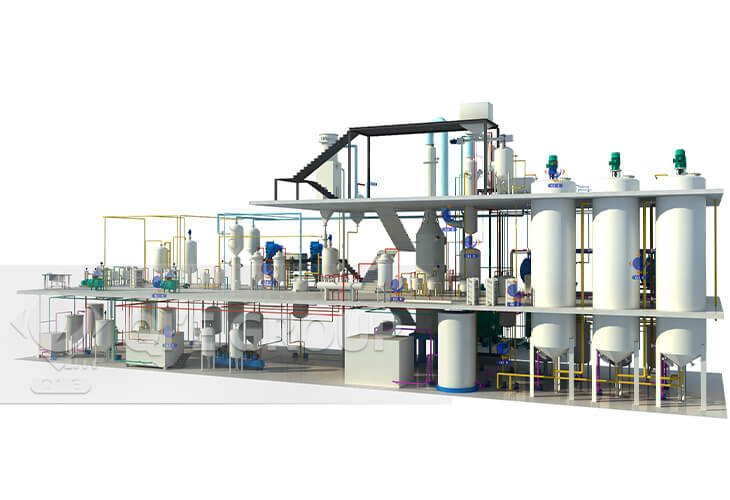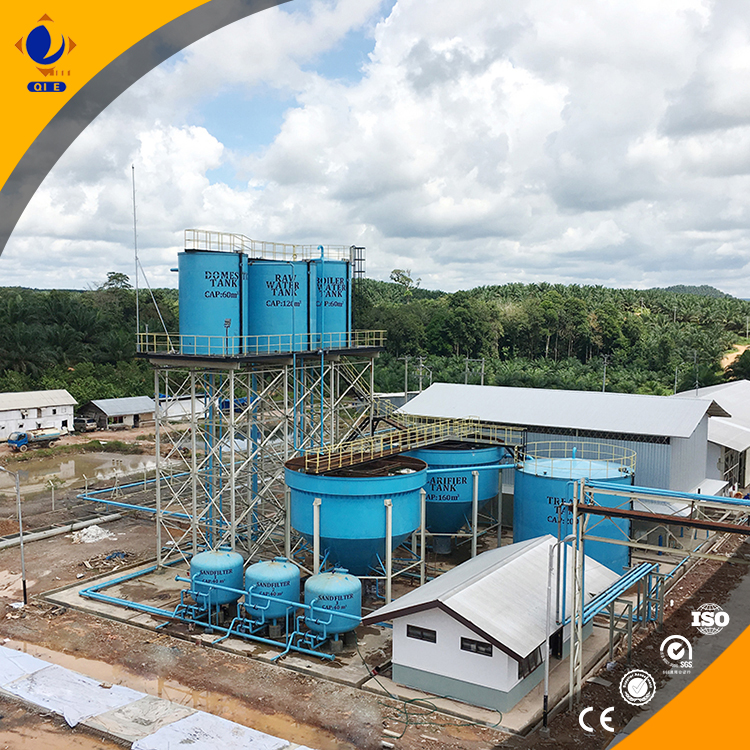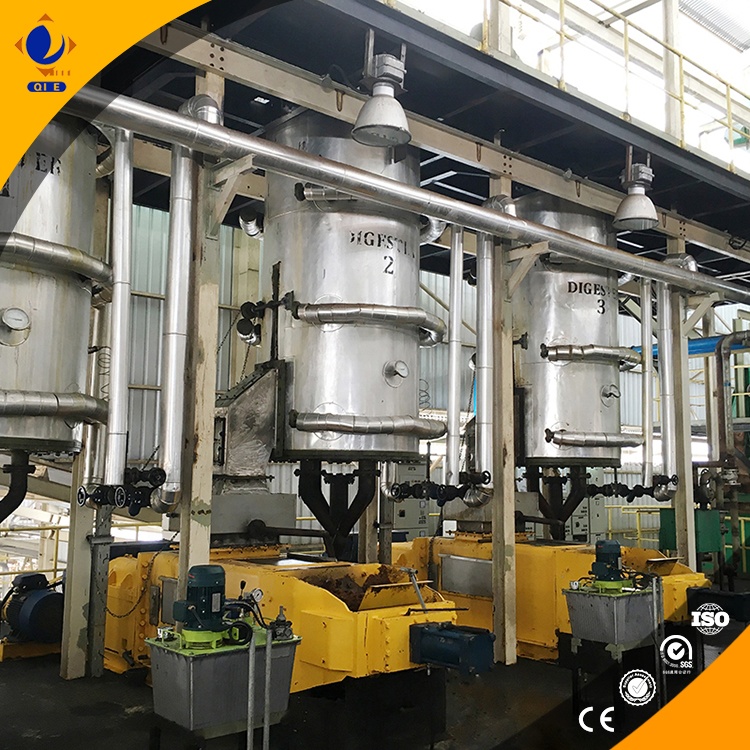
For palm kernel oil producers, achieving high yield and purity isn't just about raw material quality—it starts with precision in the degumming stage. This critical step removes phospholipids, free fatty acids, and other impurities that can compromise both extraction efficiency and final product safety. In this guide, we’ll walk through real-world techniques used by leading refineries to optimize degumming—boosting out-of-press yields by up to 4.2% while ensuring compliance with GB 2716 food safety standards.
Studies show that improper degumming can reduce crude palm kernel oil yield by 2–5%, depending on moisture content and feedstock variability. For a plant processing 10 tons/day, that’s 200–500 kg of lost oil per day—equivalent to over $15,000 annually at current market prices. The key? Controlling temperature (typically 55–65°C), pH (4.5–5.5), and water addition rate (0.5–1.5% of feedstock weight).

Modern spiral presses are engineered for consistent pressure distribution—critical when handling fibrous palm kernels. Unlike traditional hydraulic presses, which suffer from fluctuating torque, spiral systems maintain steady output flow within ±3%. This stability directly impacts oil recovery: one Malaysian processor reported a 3.8% increase in yield after switching to an automated screw press system with variable speed control.
What makes it work? Precise control over residence time, screw pitch, and discharge gap allows operators to fine-tune mechanical separation without overheating or damaging the oil phase. When combined with real-time moisture sensors, these machines deliver repeatable results across batches—even when feedstock composition varies seasonally.

Integrating PLC-based automation into your degumming line reduces human error by up to 70%, according to a 2023 study by the International Oilseed Processing Association. Automated systems monitor parameters like viscosity, conductivity, and temperature continuously—triggering alerts if deviations exceed preset thresholds. This proactive approach ensures you meet not only GB 2716 but also EU HACCP and ISO 22000 requirements.
One Indonesian client saw a 22% drop in rework costs after implementing an AI-driven control module that adjusted water dosage based on incoming feed analysis. That’s not just efficiency—it’s smarter operations.
If you're serious about boosting your palm kernel oil output and maintaining premium quality, now is the time to evaluate how your degumming process stacks up against industry best practices. Whether you're upgrading existing equipment or building a new line, smart integration of technology pays off fast.

 397
|
397
|
 palm oil pressing equipment
automated control logic
energy efficiency in oil processing
heat recovery system
oil yield optimization
palm oil pressing equipment
automated control logic
energy efficiency in oil processing
heat recovery system
oil yield optimization
 33
|
Palm oil refining automation
PLC control system
Food - grade production standards
Remote monitoring and maintenance
Intelligent grain and oil machinery
33
|
Palm oil refining automation
PLC control system
Food - grade production standards
Remote monitoring and maintenance
Intelligent grain and oil machinery
 401
|
Automated control system
PLC palm kernel oil equipment
Intelligent adjustment technology
Palm kernel oil extraction equipment
Production efficiency improvement
401
|
Automated control system
PLC palm kernel oil equipment
Intelligent adjustment technology
Palm kernel oil extraction equipment
Production efficiency improvement
 181
|
Automated palm oil pressing
PLC control system
Intelligent manufacturing
Energy conservation and emission reduction
Production efficiency improvement
181
|
Automated palm oil pressing
PLC control system
Intelligent manufacturing
Energy conservation and emission reduction
Production efficiency improvement
 230
|
palm fruit pretreatment
palm oil processing equipment
fault diagnosis
moisture content control
non - standard customized equipment
230
|
palm fruit pretreatment
palm oil processing equipment
fault diagnosis
moisture content control
non - standard customized equipment