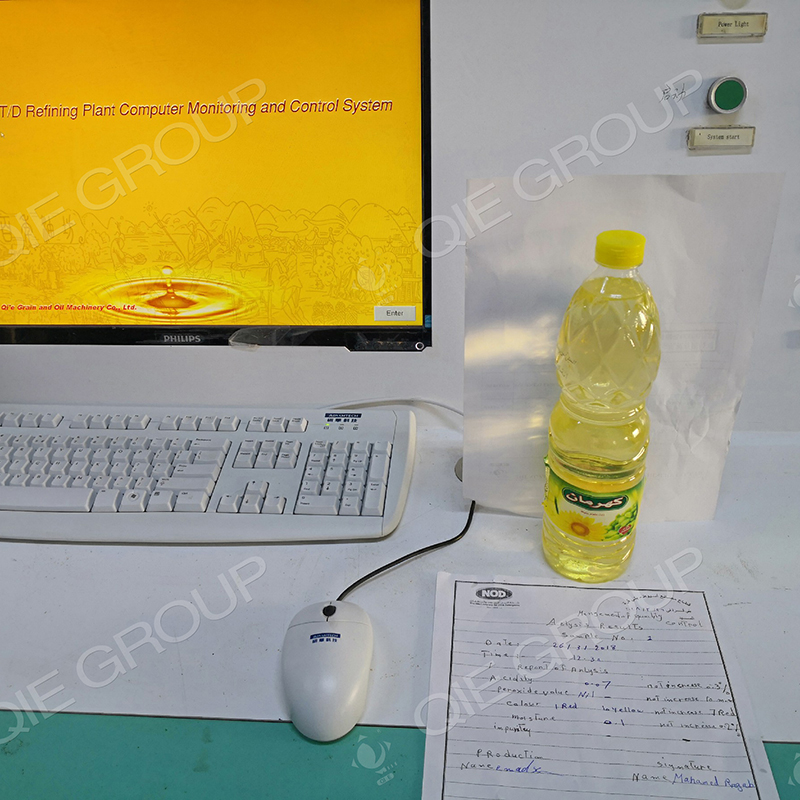
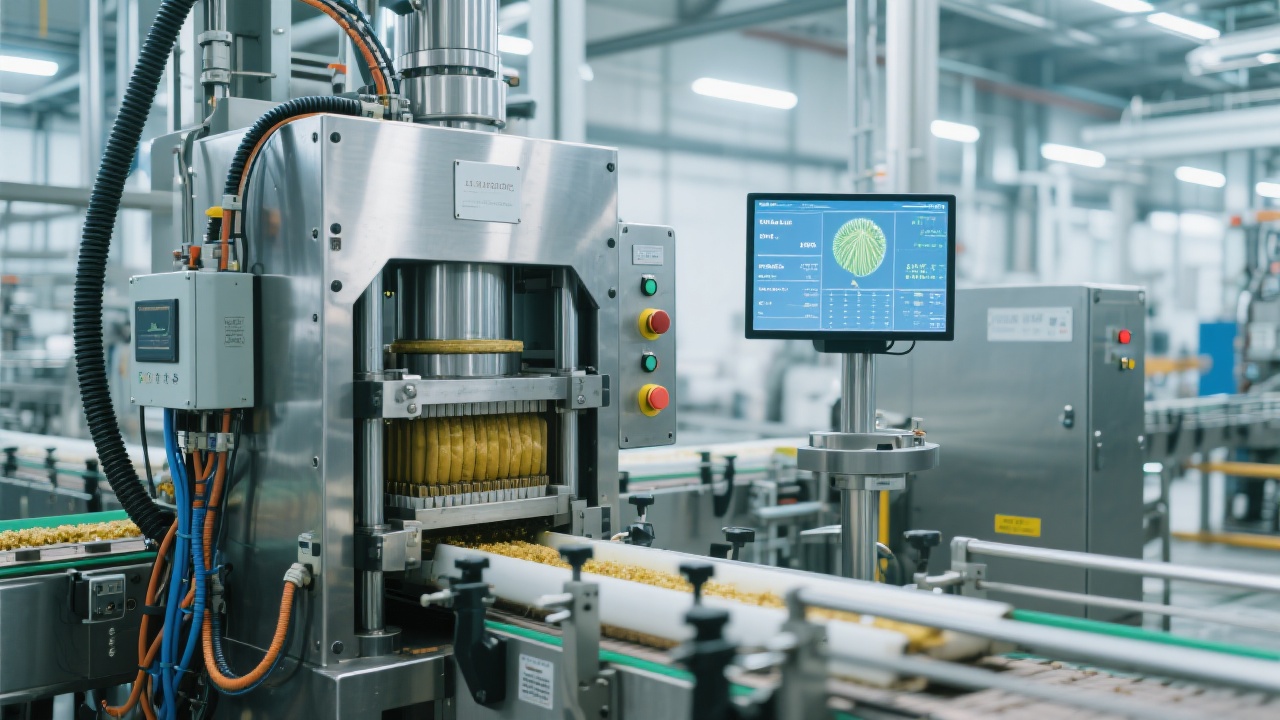
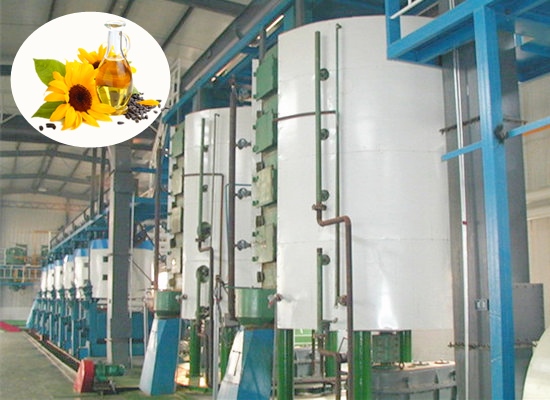
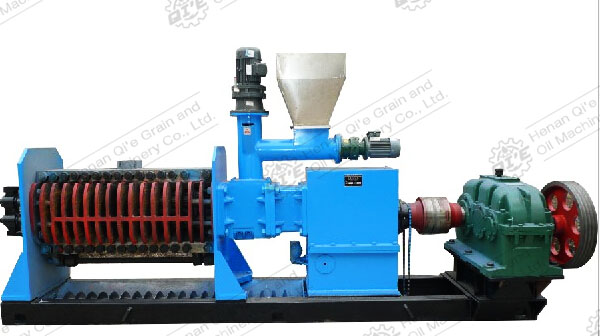
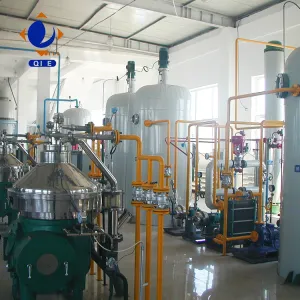
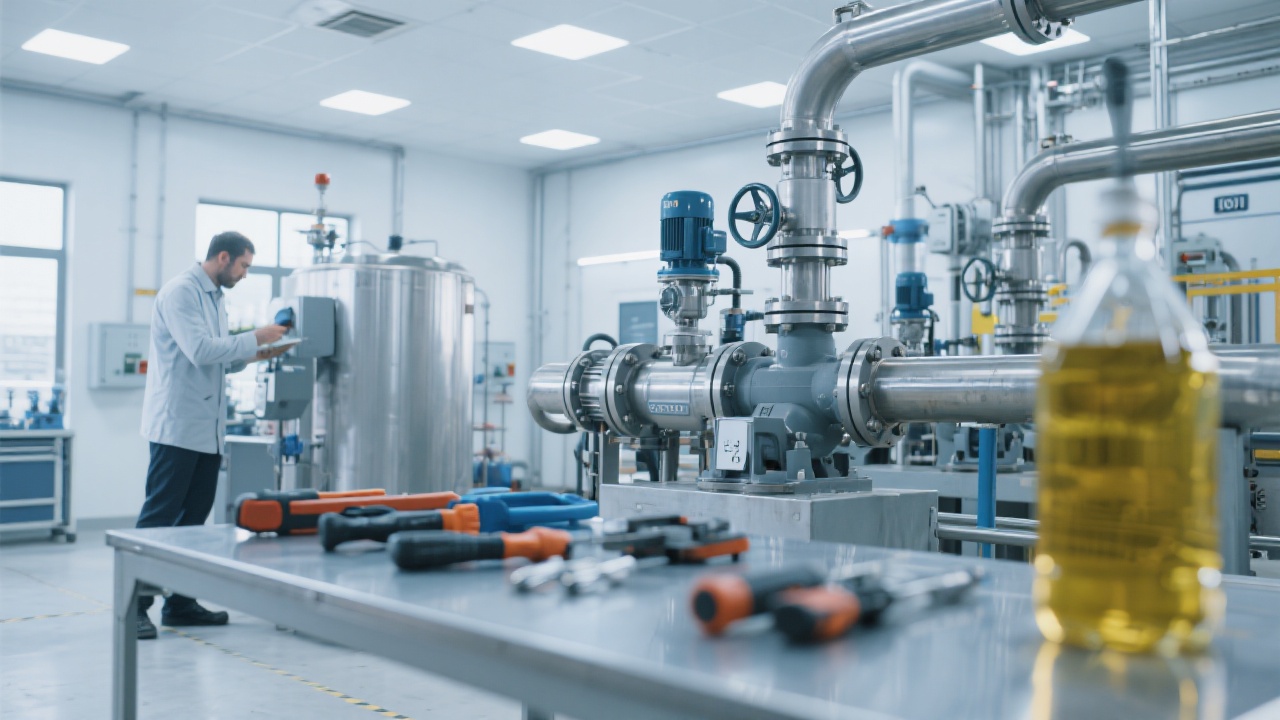
In the palm oil refining process, the PLC control system plays a crucial role. It can achieve real - time monitoring of key parameters such as temperature, pressure, and flow. For example, in a typical palm oil refining plant, the temperature needs to be maintained between 50 - 80 degrees Celsius for optimal refining. The PLC system continuously collects data on these parameters and adjusts them in real - time through a closed - loop control mechanism.
The linkage adjustment function ensures that when one parameter changes, the system can automatically adjust other related parameters to maintain the overall stability of the refining process. This not only improves the quality of palm oil but also reduces the waste of raw materials. According to industry statistics, plants using advanced PLC control systems can reduce raw material waste by about 10 - 15%.
一线工程师在实际操作中积累了丰富的经验。一位资深工程师说:“在调试过程中,我们通常会先进行手动测试,确保各个设备的基本功能正常。” When encountering alarm codes, engineers have a set of standardized handling processes. For example, if alarm code 'E101' appears, it usually indicates a temperature sensor failure.
"We first check the sensor's wiring and connections. If the problem persists, we replace the sensor. In most cases, this can solve the problem within 30 minutes," said an engineer.
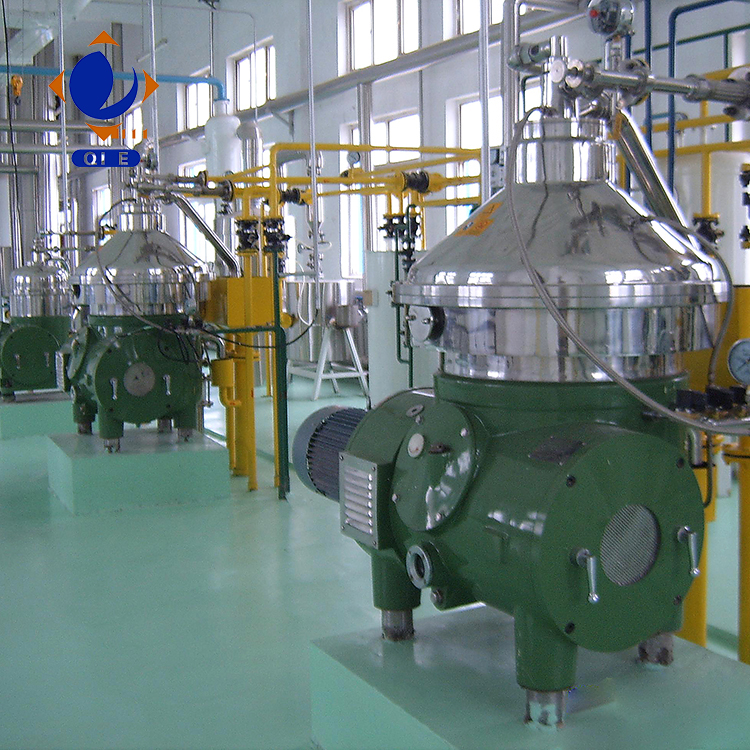
通过真实案例的分享,其他用户可以快速学习到解决问题的方法,提高设备的连续作业稳定性。据统计,掌握这些调试技巧后,设备的故障排除时间可以缩短约 20 - 30%.
The data acquisition system is the core of quality management in palm oil production. It records all production data, which is essential for batch management. Each batch of palm oil has a unique identifier, and all related data such as production time, raw material source, and key parameter values are recorded. This allows for easy traceability in case of quality issues.
In addition, the system can issue early warnings when abnormal data is detected. For example, if the temperature suddenly rises beyond the normal range, the system will immediately send an alarm to the relevant personnel. This early - warning mechanism can prevent potential quality problems and ensure compliance with ISO9001 and food - grade production standards.
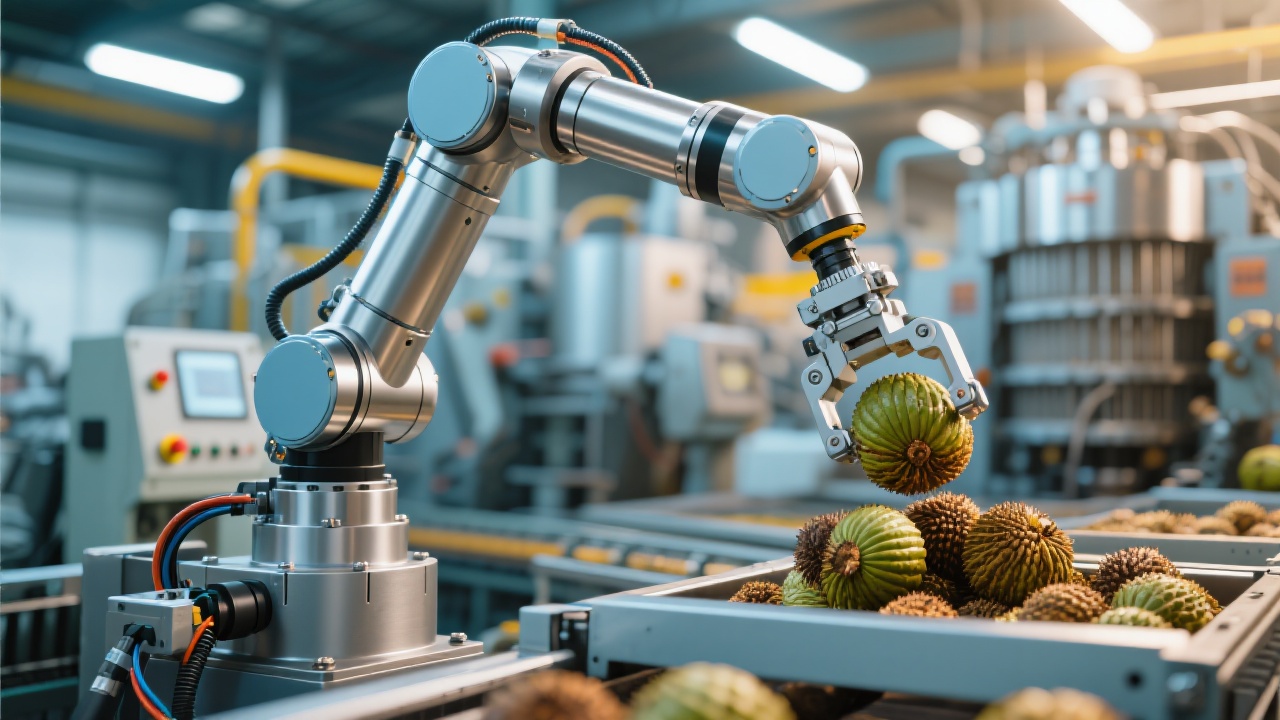
Intelligent remote maintenance can significantly reduce equipment downtime. Through the Internet of Things (IoT) technology, engineers can remotely monitor the operation status of equipment and perform maintenance tasks. For example, they can remotely adjust parameters, diagnose faults, and even perform software updates.
According to research, plants using remote maintenance can reduce equipment downtime by about 30 - 40%. This not only improves production efficiency but also reduces maintenance costs.
The future of palm oil equipment automation lies in AI - based predictive maintenance. AI algorithms can analyze large amounts of historical data to predict potential equipment failures before they occur. This allows for proactive maintenance, further reducing downtime and improving production efficiency.
In addition, the integration of blockchain technology in the quality traceability system will make the traceability process more transparent and reliable. You may wonder if your plant is ready for these technological advancements. Have you encountered similar alarms in your equipment operation?
Are you eager to enhance your palm oil production efficiency and quality? 立即获取设备技术手册与操作视频 (Get the equipment technical manual and operation videos immediately)

 203
|
203
|
 Penguin Group
palm oil
refining equipment
PLC control system
extraction process
energy-efficient
environmentally friendly
Penguin Group
palm oil
refining equipment
PLC control system
extraction process
energy-efficient
environmentally friendly
 394
|
palm oil extraction process
automated oil press machine
304 stainless steel equipment
energy-efficient palm oil processing
oil yield optimization
394
|
palm oil extraction process
automated oil press machine
304 stainless steel equipment
energy-efficient palm oil processing
oil yield optimization
 46
|
compact palm oil production line equipment
efficient eco-friendly oil press equipment
customized palm oil processing equipment
46
|
compact palm oil production line equipment
efficient eco-friendly oil press equipment
customized palm oil processing equipment
 306
|
palm kernel oil extraction technology
energy-efficient oil extraction equipment
low solvent consumption
residual oil minimization
heat recovery systems
306
|
palm kernel oil extraction technology
energy-efficient oil extraction equipment
low solvent consumption
residual oil minimization
heat recovery systems
 329
|
palm kernel oil processing equipment
equipment installation guidelines
production line efficiency optimization
debugging issues in oil extraction
preventive maintenance for oil machinery
329
|
palm kernel oil processing equipment
equipment installation guidelines
production line efficiency optimization
debugging issues in oil extraction
preventive maintenance for oil machinery