https://shmuker.oss-cn-hangzhou.aliyuncs.com/data/oss/65b068c3c2e9735675cac322/65b46cb67cfeb5177346777c/20240426173741/未标题-1_画板%201.png

Core Functions of Automation Control Systems in Palm Oil Refining and PLC Application Guide
2026-01-15
QI ' E Group
Tutorial Guide
This guide provides an in-depth analysis of how PLCs enable real-time monitoring and coordinated control of critical parameters such as temperature, pressure, and flow in palm oil refining processes. It addresses the challenges caused by manual operation errors that lead to quality fluctuations. The article also explores the value of data acquisition systems in batch traceability, anomaly alarms, and remote maintenance. Featuring frontline engineer troubleshooting tips and common alarm code interpretations, it helps users quickly identify faults, ensuring continuous, safe production that meets food-grade standards. Whether you are an operator, technical supervisor, or plant manager, this tutorial offers practical and actionable technical references.

The Role of Automation Control Systems in Enhancing Palm Oil Refining: A PLC Application Guide

In the palm oil refining industry, maintaining consistent quality while optimizing production efficiency is a persistent challenge. Traditional manual operations often lead to inaccuracies in controlling temperature, pressure, and flow rates — all critical parameters impacting product quality. Automation control systems equipped with Programmable Logic Controllers (PLCs) have revolutionized this landscape, enabling real-time monitoring and intelligent regulation that drastically reduce human error and improve process stability.

1. Elevating Stability in Palm Oil Refining Through Automation

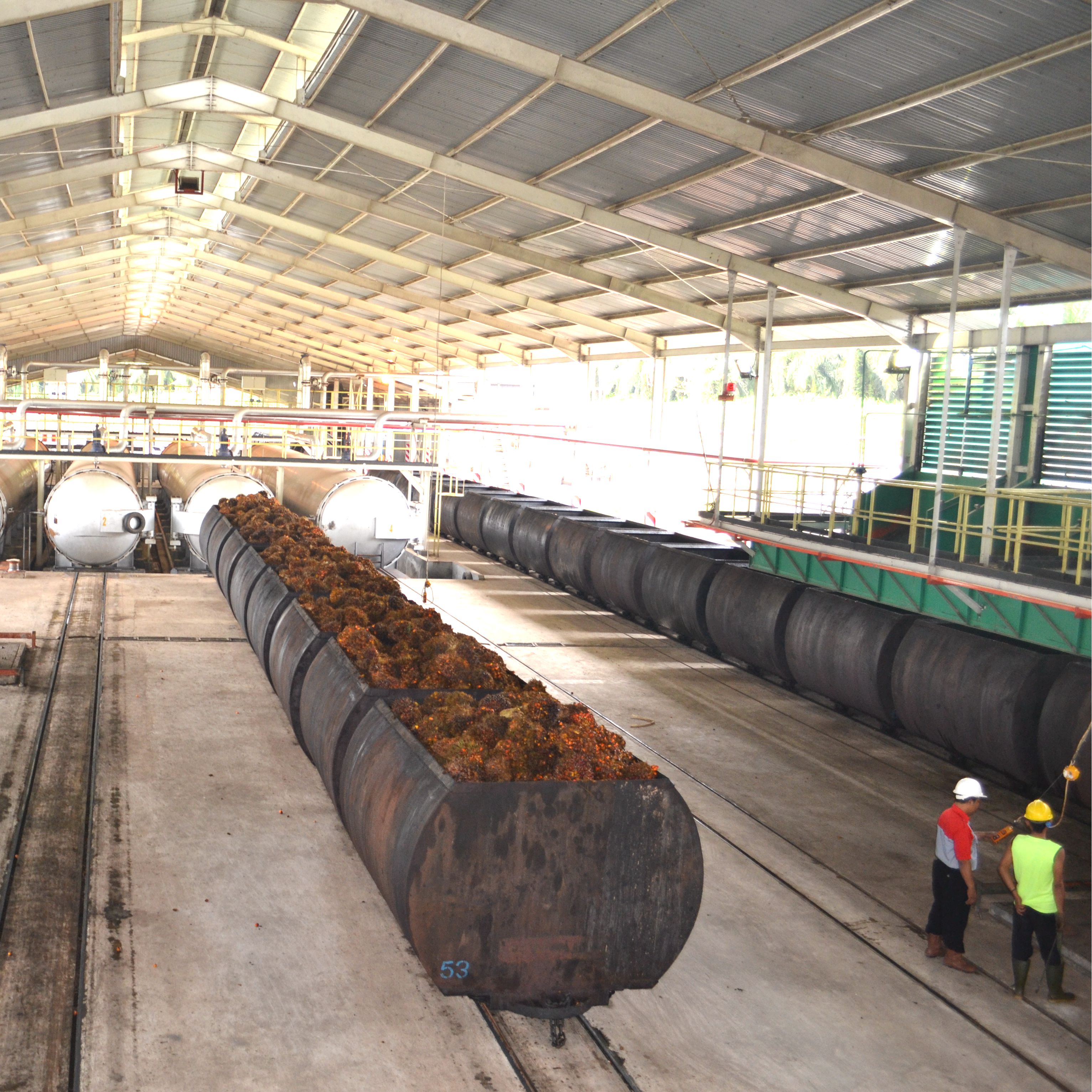
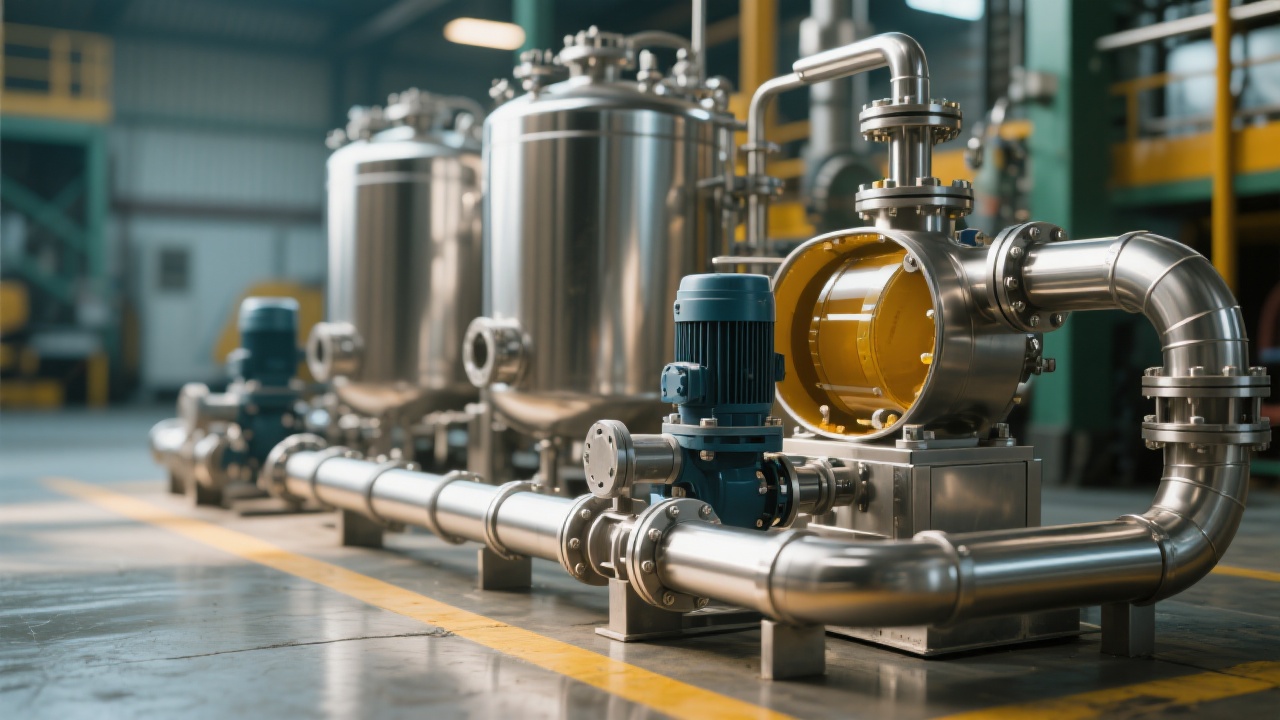
Automation transforms palm oil refining from largely manual processes to streamlined, intelligent operations. By integrating sensors and PLCs, plants achieve precise control over refining stages such as degumming, bleaching, and deodorization. For example, temperature variations are limited within ±1°C, pressure is maintained within an optimal range of ±5 kPa, and flow rates are stabilized. This precision directly reduces batch-to-batch variability, ensuring higher product consistency and compliance with food-grade standards.

2. Demystifying PLC Core Functionalities: Accurate Control of Temperature, Pressure, and Flow

At the heart of automation is the PLC, designed to operate core modules that manage critical parameters:

  • Temperature Control: Using PID algorithms, PLCs maintain heating elements at setpoints with minimal overshoot, critical for preventing oil degradation.
  • Pressure Regulation: PLCs adjust valve positions dynamically to stabilize system pressure, protecting equipment integrity and process flow.
  • Flow Management: Integration with flow meters allows PLCs to adapt pump speeds and valves, ensuring steady throughput without overloading downstream operations.
“Leveraging PLCs in palm oil refining has cut manual intervention-related errors by over 40%, translating to measurable gains in production efficiency.” – Senior Automation Engineer

3. Strategic Use of Data Acquisition Systems in Quality Management

Data acquisition modules complement PLCs by capturing detailed process metrics for each batch. This data supports:

  • Batch Traceability: Timestamped records enable full production traceability, satisfying regulatory audits and quality assurance protocols.
  • Exception Alerts: Automated alarms notify operators instantly of deviations such as temperature spikes or abnormal flow, minimizing downtime risks.
  • Remote Diagnostics: Cloud-enabled systems permit off-site monitoring and troubleshooting, reducing onsite technician dispatches and accelerating fault response by up to 50%.

4. Field Insights: Decoding Common Alarm Codes and Troubleshooting

Experience from frontline engineers highlights several recurring alarms:

  • E101: Temperature sensor failure – typically resolved by sensor replacement or recalibration.
  • E203: Pressure out of range – often caused by valve malfunctions or pump issues; recommended action includes verifying actuator function.
  • E307: Communication loss between PLC and SCADA – troubleshooting involves checking network connections and PLC CPU status.

Quick reference checklists and flowcharts guide operators in isolating causes systematically, helping maintain uninterrupted production flow.

5. The Rising Trend of Remote Operation and Maintenance

With advancements in IoT and cloud platforms, remote operation capability has become indispensable. Remote monitoring not only reduces downtime but also optimizes maintenance scheduling. Predictive alerts help anticipate component wear before failure, which can reduce unplanned stoppages by approximately 30%. For palm oil refineries, this means higher equipment availability and operational cost savings.

6. Looking Ahead: AI Integration, Predictive Maintenance, and Sustainable Growth

Future automation in palm oil processing will likely incorporate machine learning algorithms to analyze historical process data, enabling dynamic control adjustments that increase yield and reduce waste. AI-powered predictive maintenance will shift maintenance from reactive to proactive, further improving reliability. Additionally, focus on green automation technologies will align with environmental regulations by reducing energy consumption and carbon footprint.

Frequently Asked Questions

How does PLC integration help reduce product quality variations?
PLCs offer precise, real-time parameter adjustments based on sensor inputs, minimizing human error and ensuring consistent processing conditions.
What are typical downtime causes detected by the system?
Common issues include sensor faults, valve malfunctions, and communication failures between control components, all promptly flagged by the system.
Can automation systems be retrofitted into existing palm oil refineries?
Yes, modular PLC systems allow phased upgrades without disrupting ongoing operations, supporting gradual digital transformation.
Recommended Products
Related Reading
https://shmuker.oss-accelerate.aliyuncs.com/data/oss/common/20240703143830/20240703/99b42dcbc69e696d3be86d3543ed1eb4.jpg
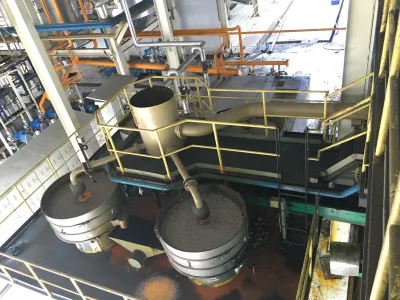
2025-11-29 | https://shmuker.oss-accelerate.aliyuncs.com/tmp/temporary/60ec5bd7f8d5a86c84ef79f2/60ec5bdcf8d5a86c84ef7a9a/20240305161110/eye.png 186 | https://shmuker.oss-accelerate.aliyuncs.com/tmp/temporary/60ec5bd7f8d5a86c84ef79f2/60ec5bdcf8d5a86c84ef7a9a/20240305160636/lable.png palm oil pressing equipment energy-saving technology efficient oil extraction unit energy consumption reduction heat recovery system
https://shmuker.oss-accelerate.aliyuncs.com/data/oss/65b068c3c2e9735675cac322/65b0a486107bc6700293c9bf/棕榈果-3.JPG
2025-05-23 | https://shmuker.oss-accelerate.aliyuncs.com/tmp/temporary/60ec5bd7f8d5a86c84ef79f2/60ec5bdcf8d5a86c84ef7a9a/20240305161110/eye.png 434 | https://shmuker.oss-accelerate.aliyuncs.com/tmp/temporary/60ec5bd7f8d5a86c84ef79f2/60ec5bdcf8d5a86c84ef7a9a/20240305160636/lable.png palm oil refining equipment automated refining systems energy-efficient palm oil processing
https://shmuker.oss-accelerate.aliyuncs.com/data/oss/common/20240703143930/20240703/dd0554611052d3d5038fc09af70e0261.jpg
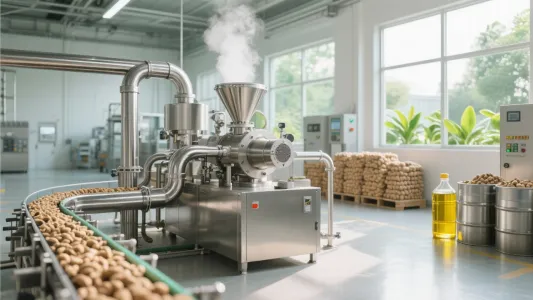
2025-12-30 | https://shmuker.oss-accelerate.aliyuncs.com/tmp/temporary/60ec5bd7f8d5a86c84ef79f2/60ec5bdcf8d5a86c84ef7a9a/20240305161110/eye.png 243 | https://shmuker.oss-accelerate.aliyuncs.com/tmp/temporary/60ec5bd7f8d5a86c84ef79f2/60ec5bdcf8d5a86c84ef7a9a/20240305160636/lable.png Palm fruit pretreatment equipment Rust - proof material selection Automatic adjustment system Extreme climate adaptability Pressing and refining equipment
https://shmuker.oss-accelerate.aliyuncs.com/data/oss/20251023/4e14dd32c42ee3d27df50c660c8484a9/ec6dfee0-0e2e-4846-b44a-25198e3fe655.jpeg
2025-10-28 | https://shmuker.oss-accelerate.aliyuncs.com/tmp/temporary/60ec5bd7f8d5a86c84ef79f2/60ec5bdcf8d5a86c84ef7a9a/20240305161110/eye.png 51 | https://shmuker.oss-accelerate.aliyuncs.com/tmp/temporary/60ec5bd7f8d5a86c84ef79f2/60ec5bdcf8d5a86c84ef7a9a/20240305160636/lable.png Palm oil pressing equipment automation PLC control system application Efficiency improvement of oil press Palm oil production energy - saving solutions Automated monitoring system
https://shmuker.oss-accelerate.aliyuncs.com/data/oss/common/20240703144204/20240703/9902daf265fe411597e851f2736fc4b4.jpg
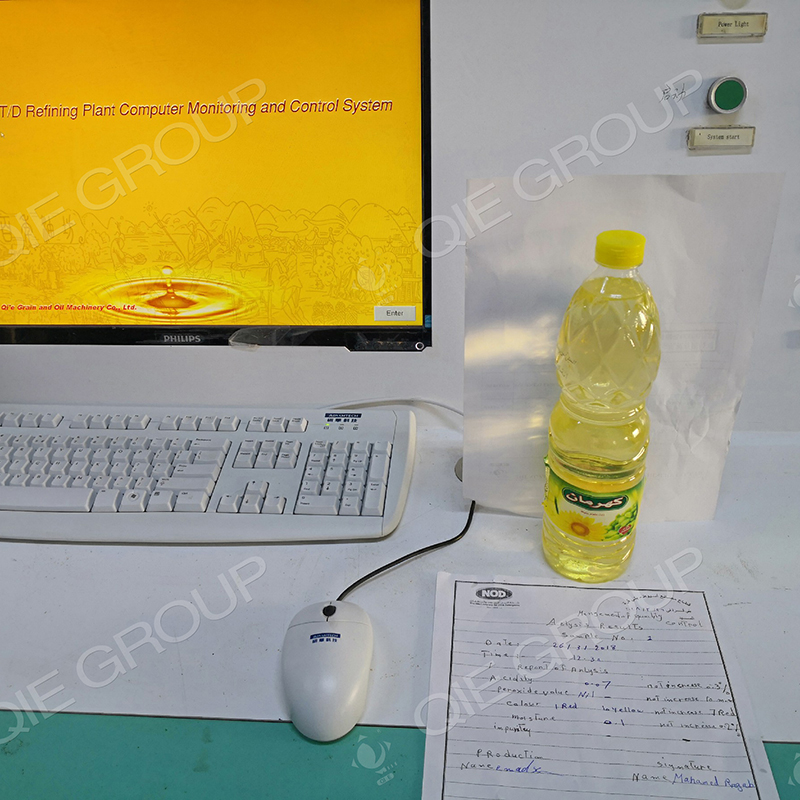
2025-06-19 | https://shmuker.oss-accelerate.aliyuncs.com/tmp/temporary/60ec5bd7f8d5a86c84ef79f2/60ec5bdcf8d5a86c84ef7a9a/20240305161110/eye.png 371 | https://shmuker.oss-accelerate.aliyuncs.com/tmp/temporary/60ec5bd7f8d5a86c84ef79f2/60ec5bdcf8d5a86c84ef7a9a/20240305160636/lable.png palm oil refining equipment efficient palm oil processing equipment fully automated PLC control system energy-efficient refining equipment enhancing palm oil processing efficiency
Hot Products
Popular articles
Recommended Reading
Contact us
Contact us
https://shmuker.oss-cn-hangzhou.aliyuncs.com/tmp/temporary/60ec5bd7f8d5a86c84ef79f2/60ec5bdcf8d5a86c84ef7a9a/thumb-prev.png