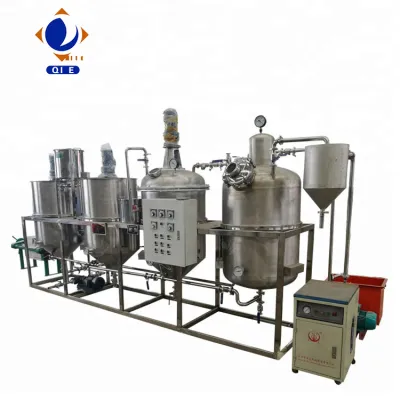
Purchasing an automatic oil press is not only a machine selection decision. For a small oil mill or an oil processing expansion project, the right technical solution depends on the relationship between raw material characteristics, production targets, site conditions, utility availability, and the required scope of service.
This checklist helps buyers prepare clear project information before requesting a proposal. Qi'e Grain and Oil Machinery Co., Ltd. supports B2B customers in evaluating oil pressing equipment, oil production line equipment, and edible oil refining equipment according to their practical processing requirements.
A technical inquiry becomes more accurate when the intended production model is defined first. Buyers should clarify whether the project is focused on pressing a single oilseed, handling multiple materials, producing crude oil for further refining, or establishing a more complete small oil mill operation.
Identify the oil-bearing material or materials to be processed, such as soybean, sunflower seed, palm kernel, or other suitable oilseeds. Different materials may require different preparation and pressing considerations.
Specify whether the output is intended for local sales, further processing, refining, or integration into an existing food or agricultural processing business.
Confirm whether the requirement is for an individual automatic oil press, a pressing section, or a coordinated small oil mill with auxiliary equipment and downstream processes.
The following information provides the basis for preliminary equipment selection and technical communication. Where exact figures are not yet available, buyers can provide an estimated operating range and explain expected future expansion needs.
| Parameter to Confirm | Why It Matters | Information to Prepare |
|---|---|---|
| Raw material condition | Material condition affects preparation requirements and the suitability of the pressing process. | Material type, moisture condition, cleanliness, storage condition, and expected supply consistency. |
| Required capacity | Capacity determines the production scale and influences the configuration of supporting equipment. | Target throughput by hour, shift, or day, together with planned operating hours. |
| Automation level | Automation needs influence operating procedures, staffing expectations, control requirements, and process coordination. | Preferred level of manual operation, automated control, feeding coordination, and monitoring requirements. |
| Finished oil requirement | The intended finished oil condition helps define whether pressing alone is sufficient or whether further handling is needed. | Expected use of the oil, filtration expectations, and whether a refining stage is planned. |
| Oil cake handling | Press cake is a process output that should be considered in material flow and site planning. | Expected use, collection method, storage arrangement, and handling route for oil cake. |
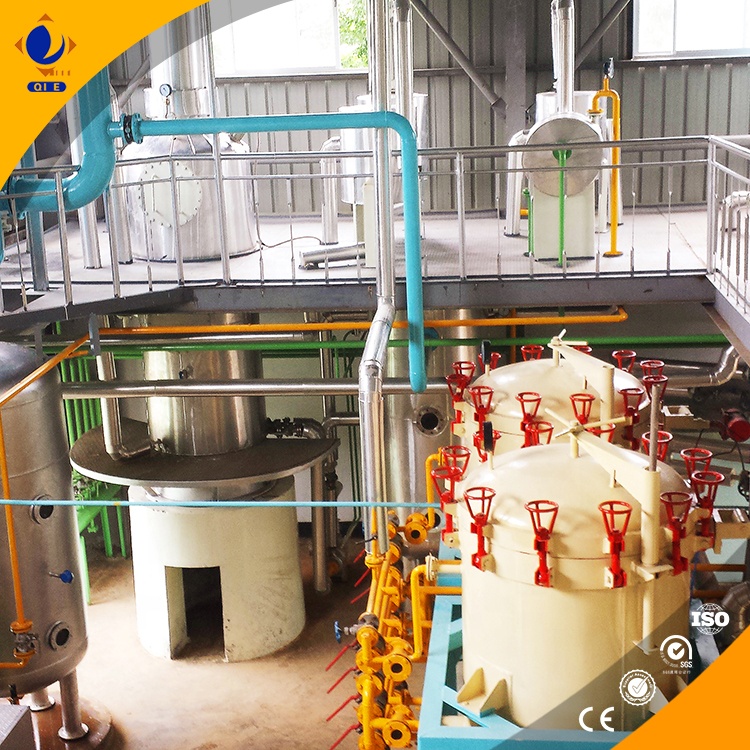
An automatic oil press works within a broader production flow. Depending on the material and project scope, the oil processing solution may include raw material receiving, cleaning, conditioning or preparation, pressing, oil collection, filtration, cake handling, and optional refining-related stages.
For this reason, it is useful to discuss the full process path during procurement. A buyer planning a small oil mill may need a more coordinated equipment arrangement than a buyer replacing one existing press. Similarly, projects involving edible oil refining equipment should define the connection between crude oil output and subsequent processing requirements.
Site information allows equipment suppliers and project teams to evaluate installation practicality before equipment is selected. Early confirmation can help reduce avoidable changes during layout planning and commissioning preparation.
A clear scope helps distinguish equipment supply from broader project support. Before requesting a technical solution, buyers should state which stages require supplier participation and which tasks will be managed locally.
Clarify the requested equipment boundary, configuration expectations, layout-related information, operating documentation, and the preferred communication language for the project.
Identify whether installation guidance, commissioning support, operator familiarization, or technical coordination is required as part of the planned implementation scope.
Discuss expected service communication, spare parts planning, maintenance support needs, and the operating team's technical experience with oil processing machinery.
For an efficient discussion about an automatic oil press or small oil mill project, prepare the following points:
Qi'e Grain and Oil Machinery Co., Ltd. approaches oil press procurement as a technical planning process rather than a one-size-fits-all equipment choice. By sharing complete information on materials, capacity, automation, site conditions, utilities, finished oil requirements, and service expectations, buyers can establish a clearer basis for evaluating an automatic oil press, a multifunction oil press, or a broader oil production line configuration.

 254
|
254
|
 Palm Oil Refining Technology
Steam Heating Deodorization
Refining Process Optimization
Automation Refining Equipment
Palm Oil Processing Efficiency
Palm Oil Refining Technology
Steam Heating Deodorization
Refining Process Optimization
Automation Refining Equipment
Palm Oil Processing Efficiency
 46
|
plant oil fractionation equipment selection
cooling crystallization process
centrifugal separation technology
solvent recovery system
fractionation troubleshooting
46
|
plant oil fractionation equipment selection
cooling crystallization process
centrifugal separation technology
solvent recovery system
fractionation troubleshooting
 57
|
Qieji Group
grain and oil processing complete equipment
whole-line delivery
oil pressing equipment
B2B procurement
57
|
Qieji Group
grain and oil processing complete equipment
whole-line delivery
oil pressing equipment
B2B procurement
 361
|
Qi'e Grain and Oil Machinery
equipment selection
oil pressing equipment
oil extraction equipment
oil refining equipment
grain and oil processing plant
361
|
Qi'e Grain and Oil Machinery
equipment selection
oil pressing equipment
oil extraction equipment
oil refining equipment
grain and oil processing plant
 79
|
small palm oil refining equipment
batch refining process energy saving
high-efficiency motor and gearbox optimization
palm oil refining energy efficiency
refinery heat recovery and insulation
79
|
small palm oil refining equipment
batch refining process energy saving
high-efficiency motor and gearbox optimization
palm oil refining energy efficiency
refinery heat recovery and insulation