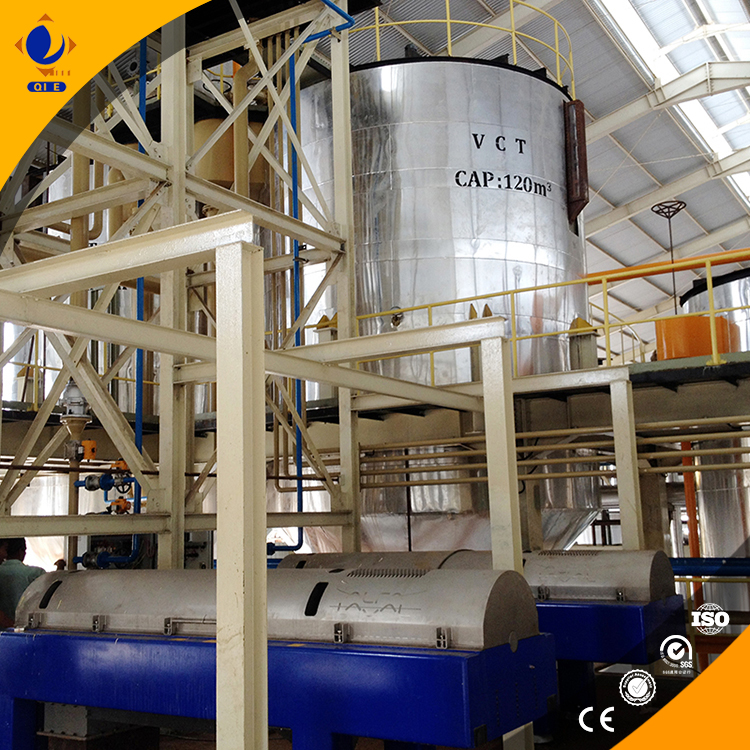
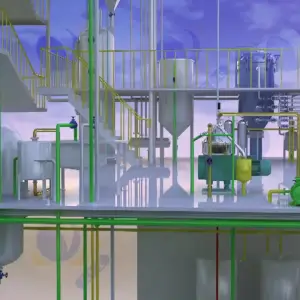
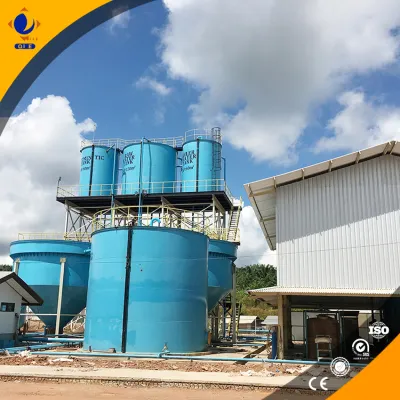
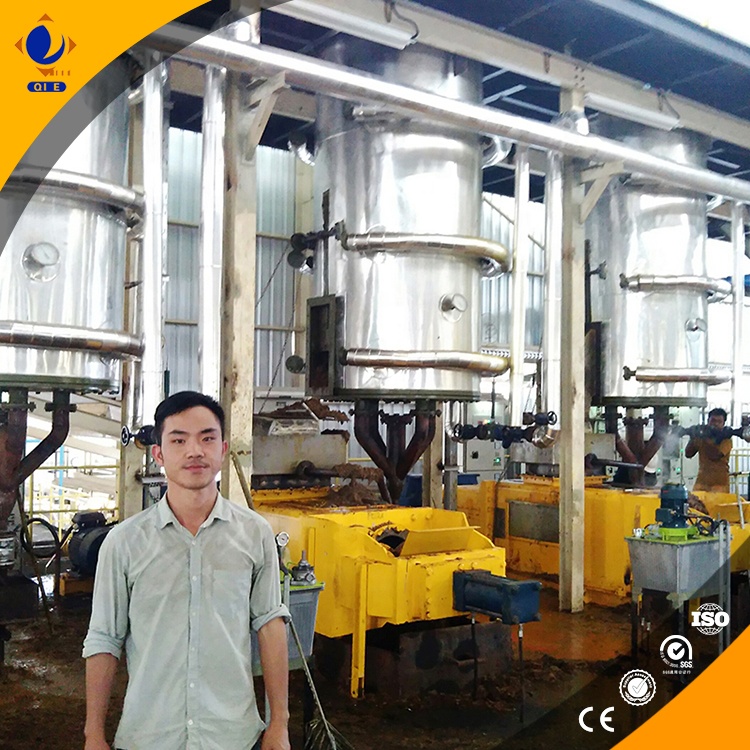
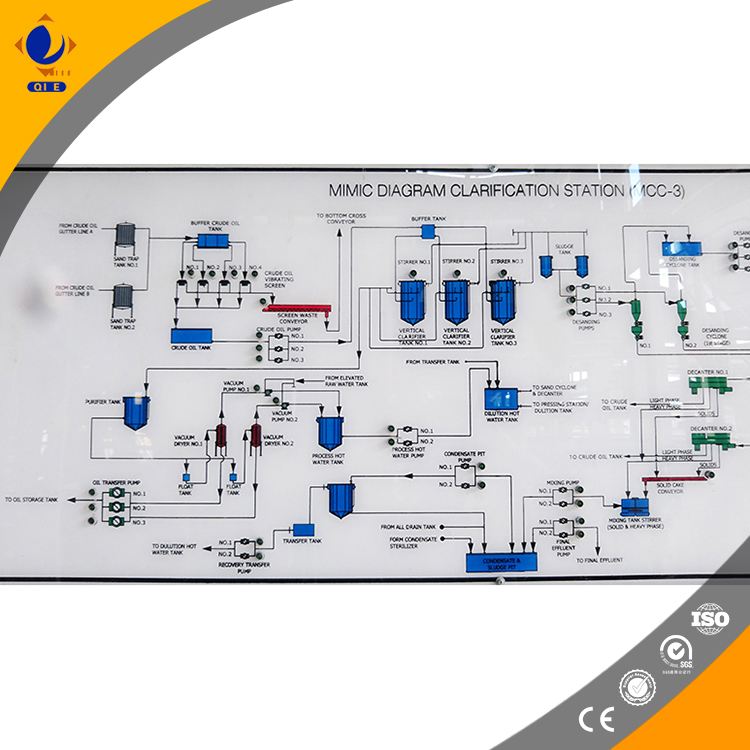
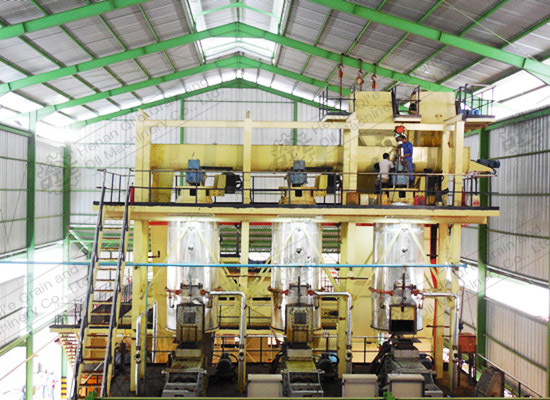
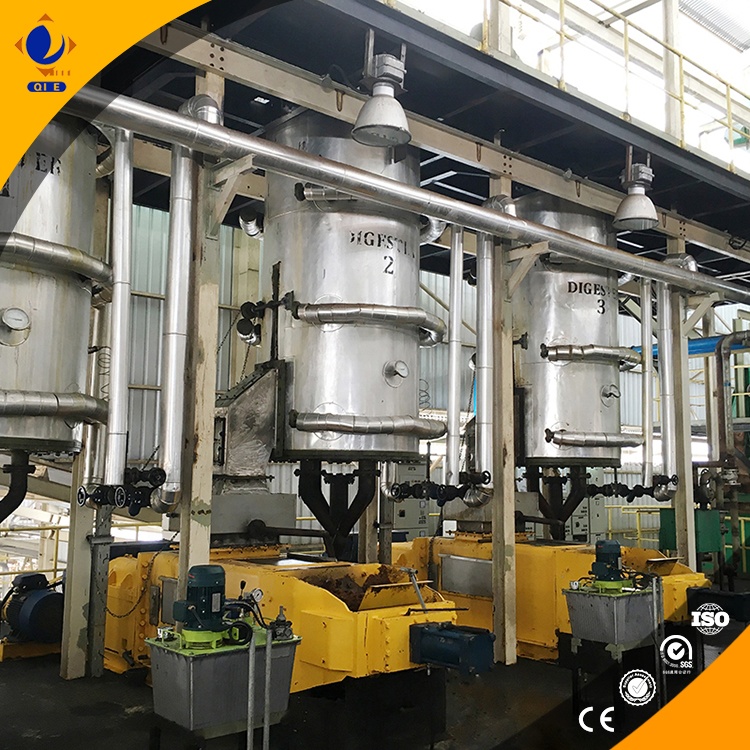
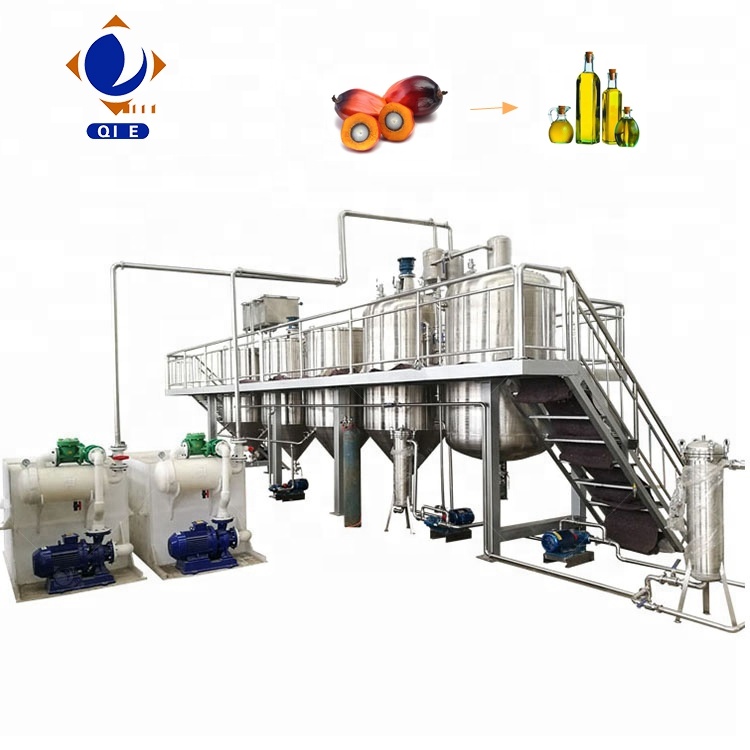
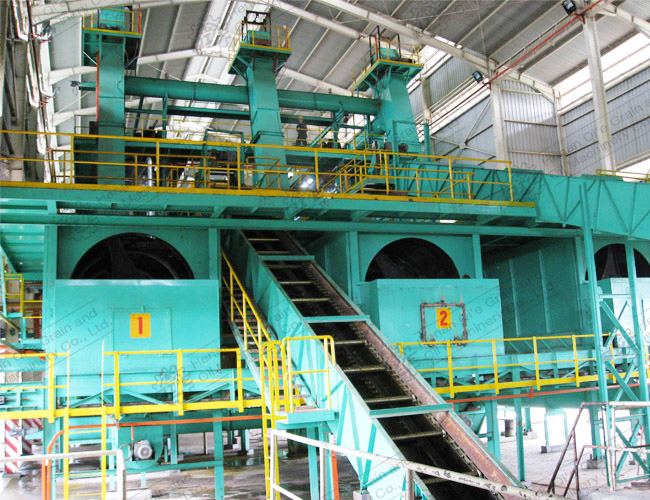
For decades, palm oil production has relied heavily on manual oversight—leading to inconsistent output, high energy use, and frequent downtime. But with the release of QP Group’s 2024 automated palm oil extraction system (10–500 tons/day), manufacturers are now seeing real-time control over critical parameters like pressure, temperature, and motor speed—all via a centralized PLC-based control system.
In one case study from a Malaysian exporter using the new system, production efficiency increased by 27% within the first month after full automation implementation. The key? Real-time feedback loops that adjust pressing force dynamically based on raw material consistency—a feature impossible to replicate manually.
| Parameter | Manual Process Avg. | Automated System (QP-2024) |
|---|---|---|
| Oil Yield (%) | 68.2% | 72.9% |
| Downtime per Shift (min) | 45 min | 12 min |
| Energy Consumption (kWh/ton) | 215 kWh | 178 kWh |
These improvements aren’t just theoretical—they’re backed by live monitoring dashboards that alert operators to anomalies before they become failures. In another facility in Indonesia, this predictive capability reduced maintenance costs by 33% over six months.
Human operators can't match the speed or accuracy of modern PLC systems when it comes to regulating torque, temperature gradients, or conveyor speeds across multiple stages. A single misjudgment in pressing temperature can cause oil degradation or clogged filters—costing up to $2,000 in wasted materials per incident.
The QP-2024 system uses AI-assisted calibration to learn optimal settings for each batch type, reducing operator error by up to 90%. This means fewer rework cycles, less waste, and faster throughput—especially important for export-focused facilities handling tight delivery windows.
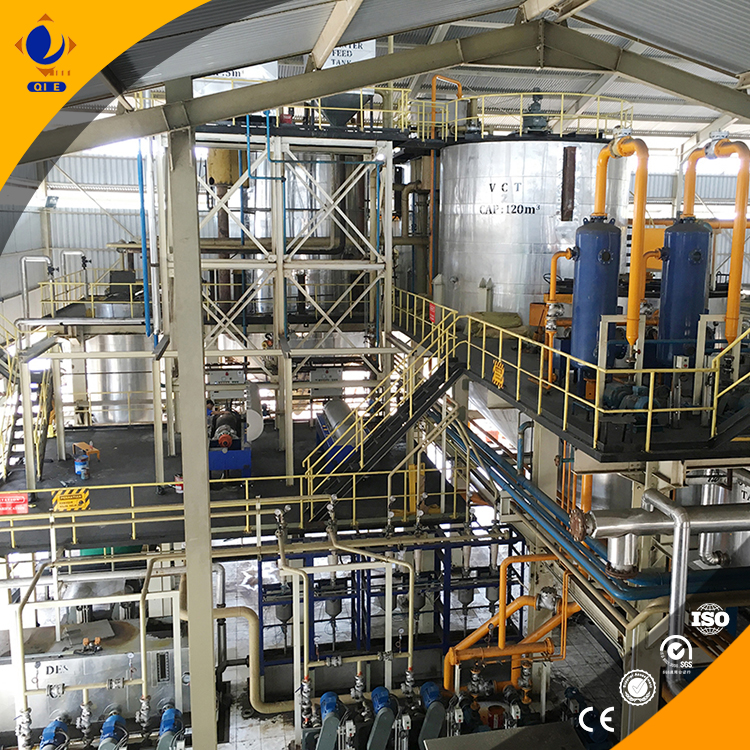
What makes this solution truly future-proof is its modular design—it scales seamlessly from small mills (10 tpd) to large industrial plants (500 tpd). And because all components are standardized, spare parts availability remains high even in remote regions where traditional equipment struggles.
With global ESG compliance becoming non-negotiable for buyers, automated systems offer measurable benefits beyond productivity. One Colombian processor reported a 18% reduction in CO₂ emissions simply by optimizing steam usage through smart controls—an outcome directly tied to lower utility bills and better brand positioning.
If you're managing a palm oil operation aiming to meet international standards while boosting margins, the shift to intelligent automation isn't optional—it's strategic. Whether you're preparing for EU sustainability audits or expanding into Middle Eastern markets, having precise, transparent process data gives you an edge no competitor can ignore.
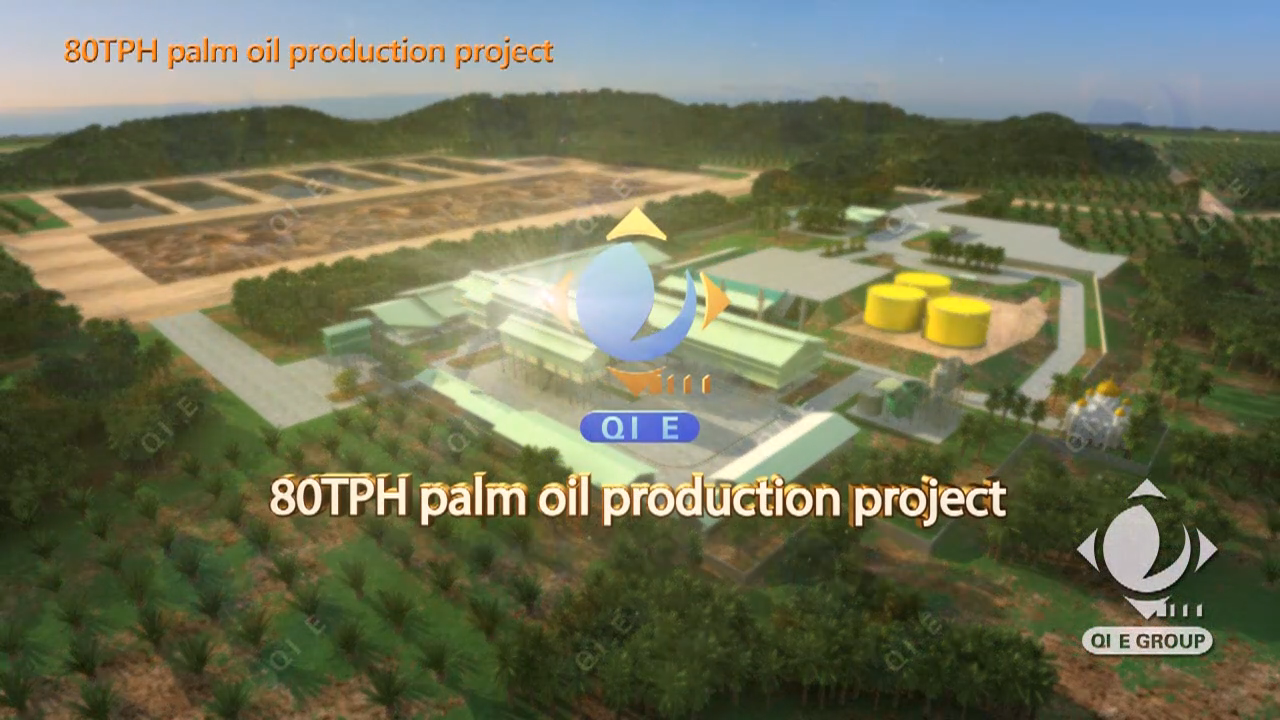
Ready to transform your palm oil production? Let us help you integrate a system designed not just for today—but for the next decade of global trade.
Explore the QP-2024 Automated Palm Oil Extraction Solution
 423
|
423
|
 palm oil refining equipment
energy - saving and environmental - friendly design
palm oil processing
fully - automatic PLC control
palm oil refining technology
palm oil refining equipment
energy - saving and environmental - friendly design
palm oil processing
fully - automatic PLC control
palm oil refining technology
 394
|
palm oil extraction process
automated oil press machine
304 stainless steel equipment
energy-efficient palm oil processing
oil yield optimization
394
|
palm oil extraction process
automated oil press machine
304 stainless steel equipment
energy-efficient palm oil processing
oil yield optimization
 338
|
PLC automation control system for palm kernel oil processing
intelligent regulation technology in oil extraction
palm kernel oil refining equipment optimization
automated oil processing plant solutions
industrial control system for edible oil production
338
|
PLC automation control system for palm kernel oil processing
intelligent regulation technology in oil extraction
palm kernel oil refining equipment optimization
automated oil processing plant solutions
industrial control system for edible oil production
 478
|
Palm Oil Refining Equipment
Energy-Efficient Palm Oil Processing
Sustainable Oil Refining Technology
99
|
PLC automation control system
palm kernel oil extraction process
closed-loop control in oil processing
industrial automation for edible oils
smart sensor network in food processing
478
|
Palm Oil Refining Equipment
Energy-Efficient Palm Oil Processing
Sustainable Oil Refining Technology
99
|
PLC automation control system
palm kernel oil extraction process
closed-loop control in oil processing
industrial automation for edible oils
smart sensor network in food processing