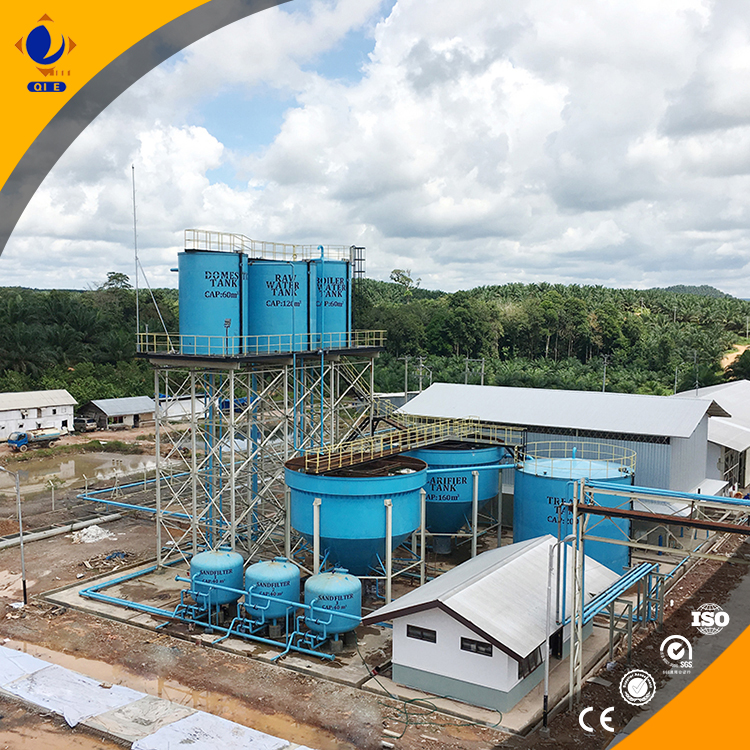
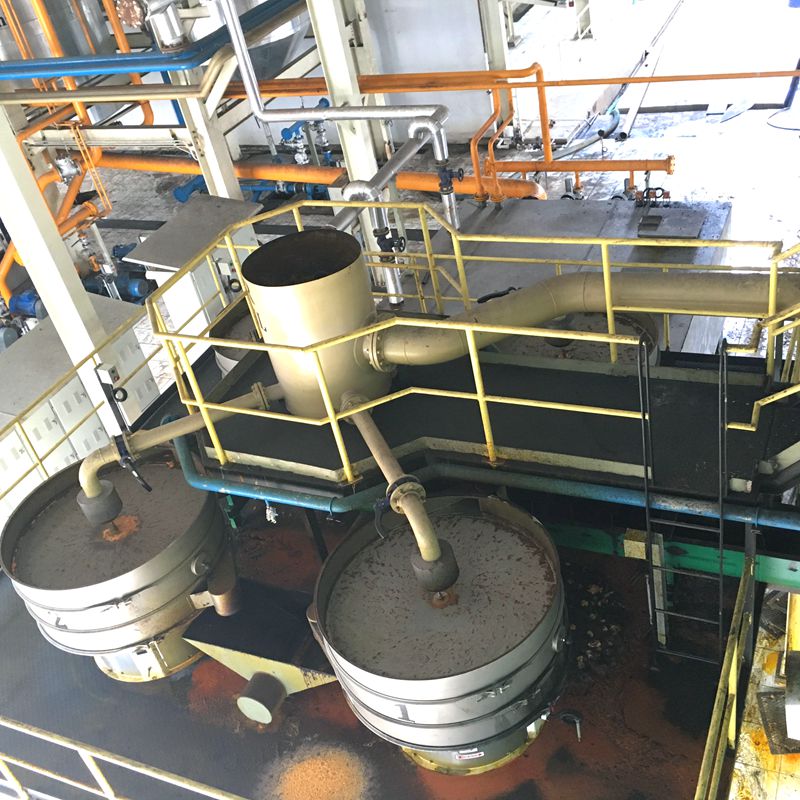
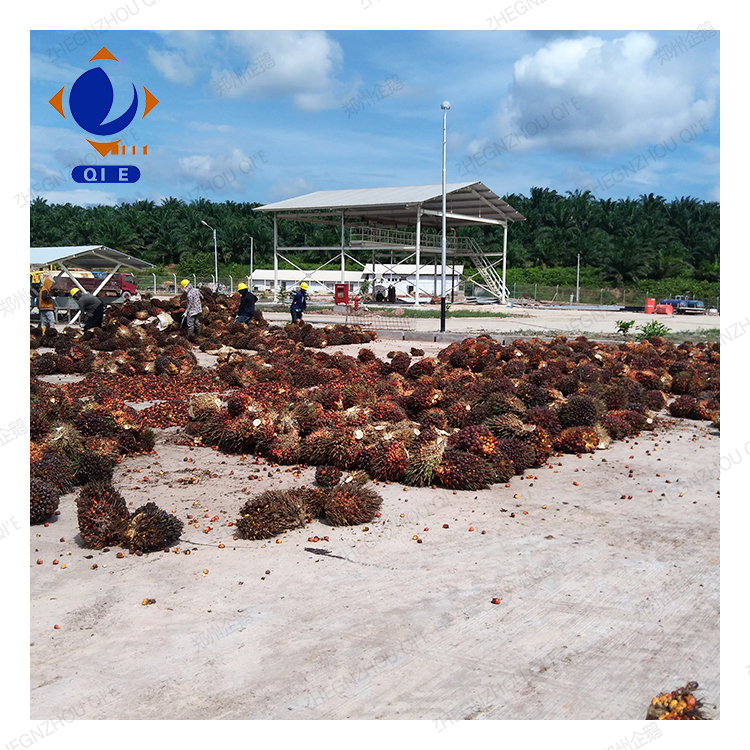
Palm oil is a crucial vegetable oil globally, and Asian palm fruits, due to the high - humidity environment, often encounter pre - treatment challenges such as incomplete cleaning, clogging during crushing, and low cooking efficiency. In this article, we will delve into how the characteristics of palm fruit raw materials under different climate conditions affect the pre - treatment process and share effective solutions.
Let's first look at the specific impacts of moisture content and impurities in different regions. In Southeast Asia, with its high - temperature and high - humidity climate, palm fruits have an average moisture content of about 30%. The high moisture makes it difficult to clean the fruits thoroughly, and impurities are easily attached to the surface. In Africa, due to seasonal variations, there are more impurities, and the average moisture content can reach 25%. In South America, during the rainy season, the concentrated rainfall leads to a high moisture content of up to 32% in palm fruits.

In the cleaning process, the high moisture and impurities can cause the cleaning equipment to become less effective. For example, in a factory in Indonesia, the original cleaning process could only remove about 60% of the impurities. After analyzing the high moisture problem, by increasing the cleaning pressure from 2 MPa to 3 MPa, the impurity removal rate was increased to over 80%.
During the crushing process, high moisture can lead to the fruits being crushed into a paste, which easily clogs the equipment. In Nigeria, a factory faced frequent equipment blockages. By adjusting the crushing gap from 5 mm to 3 mm, the problem of blockage was effectively solved, and the crushing efficiency was improved.
In the cooking process, high moisture can reduce the cooking efficiency. The table below shows the average moisture content and recommended cooking temperatures in the three regions:
| Region | Average Moisture Content | Recommended Cooking Temperature |
|---|---|---|
| Southeast Asia | 30% | 100 - 110°C |
| Africa | 25% | 95 - 105°C |
| South America | 32% | 105 - 115°C |
For the cleaning process, the selection of anti - rust materials is crucial. Stainless steel with a high chromium content can effectively resist the corrosion caused by high - humidity and impurities. In addition, an automatic pressure adjustment system can be installed to adjust the cleaning pressure according to the moisture content and impurity level of the palm fruits.
In the crushing process, the crushing equipment should have an automatic gap adjustment function. When the equipment detects blockage, it can automatically adjust the gap to ensure normal operation.
Regarding the cooking process, an automated cooking system with a customized temperature control curve is essential. This system can adjust the cooking temperature and time according to the moisture content of the palm fruits, thereby improving the cooking efficiency and oil yield.
"After using the customized pre - treatment solution provided by [Company Name], our oil yield has increased by 10%, and the equipment stability has also been significantly improved." - A factory in Indonesia
We have developed a fault diagnosis logic tree based on practical experience. For example, if the cleaning equipment has low efficiency, we can first check the cleaning pressure, then the water quality, and finally the condition of the cleaning nozzles. This logical diagnosis method can quickly locate and solve problems.
Our solutions have been successfully implemented in many places, such as Indonesia and Nigeria. These successful cases prove that our methods are replicable and can effectively help users deal with local challenges, reduce losses, and improve product quality.
If you are interested in learning more about palm fruit pre - treatment in high - humidity environments, you can click the button below to download our whitepaper or make an appointment for technical consultation.

 293
|
293
|
 palm oil pressing equipment
heat recovery system
energy efficiency in oil extraction
automated control in food processing
yield optimization in palm oil mills
palm oil pressing equipment
heat recovery system
energy efficiency in oil extraction
automated control in food processing
yield optimization in palm oil mills
 444
|
palm oil press efficiency
304 stainless steel榨油机优势
efficient palm oil processing equipment
palm oil extraction technology
oilseed processing solutions
444
|
palm oil press efficiency
304 stainless steel榨油机优势
efficient palm oil processing equipment
palm oil extraction technology
oilseed processing solutions
 416
|
High - efficiency palm oil processing equipment
Advantages of 304 stainless steel oil presses
PLC - controlled palm oil units
Palm fruit bunch processing equipment
Internationally certified palm oil machinery
416
|
High - efficiency palm oil processing equipment
Advantages of 304 stainless steel oil presses
PLC - controlled palm oil units
Palm fruit bunch processing equipment
Internationally certified palm oil machinery
 99
|
PLC automation control system
palm kernel oil extraction process
closed-loop control in oil processing
industrial automation for edible oils
smart sensor network in food processing
99
|
PLC automation control system
palm kernel oil extraction process
closed-loop control in oil processing
industrial automation for edible oils
smart sensor network in food processing
 53
|
PLC control palm oil pressing
automated oil extraction systems
palm oil production optimization
temperature and pressure regulation in oil pressing
smart palm oil processing technology
53
|
PLC control palm oil pressing
automated oil extraction systems
palm oil production optimization
temperature and pressure regulation in oil pressing
smart palm oil processing technology