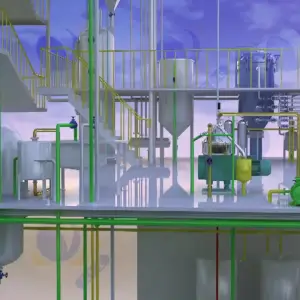
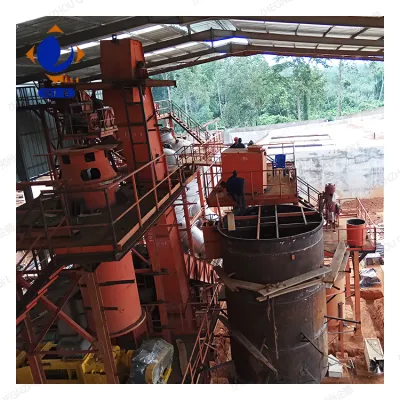
In the palm oil refining process, automated control systems play a pivotal role. These systems are the backbone of modern palm oil production, ensuring efficiency, quality, and safety. The use of advanced technologies such as PLC (Programmable Logic Controller) systems and data acquisition systems has revolutionized the way palm oil is processed.
The automated control system in palm oil refining is designed to handle a wide range of tasks. For example, it can manage the complex process of oil extraction, purification, and quality control. By integrating various sub - systems, it creates a seamless production environment.
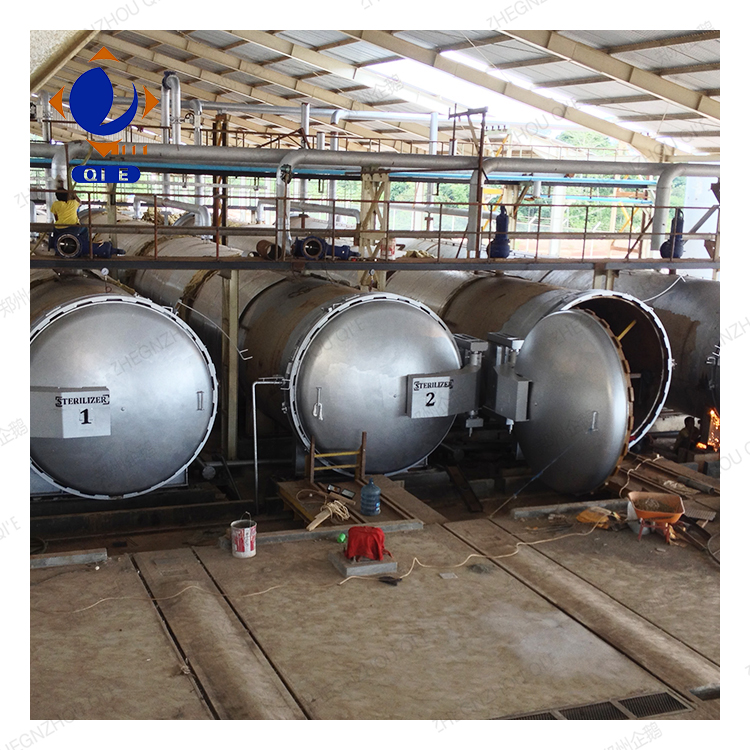
The PLC system is at the heart of the automated control system in palm oil refining. It is responsible for the real - time monitoring and regulation of key parameters such as temperature, pressure, and flow rate. The design concept of its functional modules is centered around ensuring the stability and accuracy of the production process.
For instance, in a typical palm oil refinery, the PLC system continuously monitors the temperature of the oil during the refining process. If the temperature deviates from the set value, the system will automatically adjust the heating or cooling equipment to bring the temperature back to the optimal range. This real - time adjustment not only ensures the quality of the palm oil but also reduces energy consumption.
The functional module design of the PLC system is based on a combination of hardware and software. The hardware part includes sensors, actuators, and the PLC controller itself. The software part consists of programs that are specifically designed to handle different parameters. These programs are written in a way that allows for easy modification and expansion, adapting to different production requirements.
The data acquisition system is another crucial component of the automated control system in palm oil refining. It has significant applications in product quality management, batch tracking, and anomaly alarm.
In terms of product quality management, the data acquisition system collects data from various sensors throughout the production process. This data includes information about the chemical composition, physical properties, and processing conditions of the palm oil. By analyzing this data, producers can ensure that the palm oil meets the required quality standards.
Batch tracking is also an important function of the data acquisition system. Each batch of palm oil can be assigned a unique identifier, and all relevant production data is recorded against this identifier. This allows for easy traceability in case of quality issues or regulatory requirements. For example, if a batch of palm oil fails to meet the quality standards, producers can quickly trace back to the specific production stage and identify the root cause.
The anomaly alarm function of the data acquisition system is designed to detect any abnormal situations during the production process. For example, if the pressure in a certain pipeline exceeds the normal range, the system will immediately send an alarm to the operators. This early warning mechanism helps to prevent potential production accidents and ensure the safety of the production process.
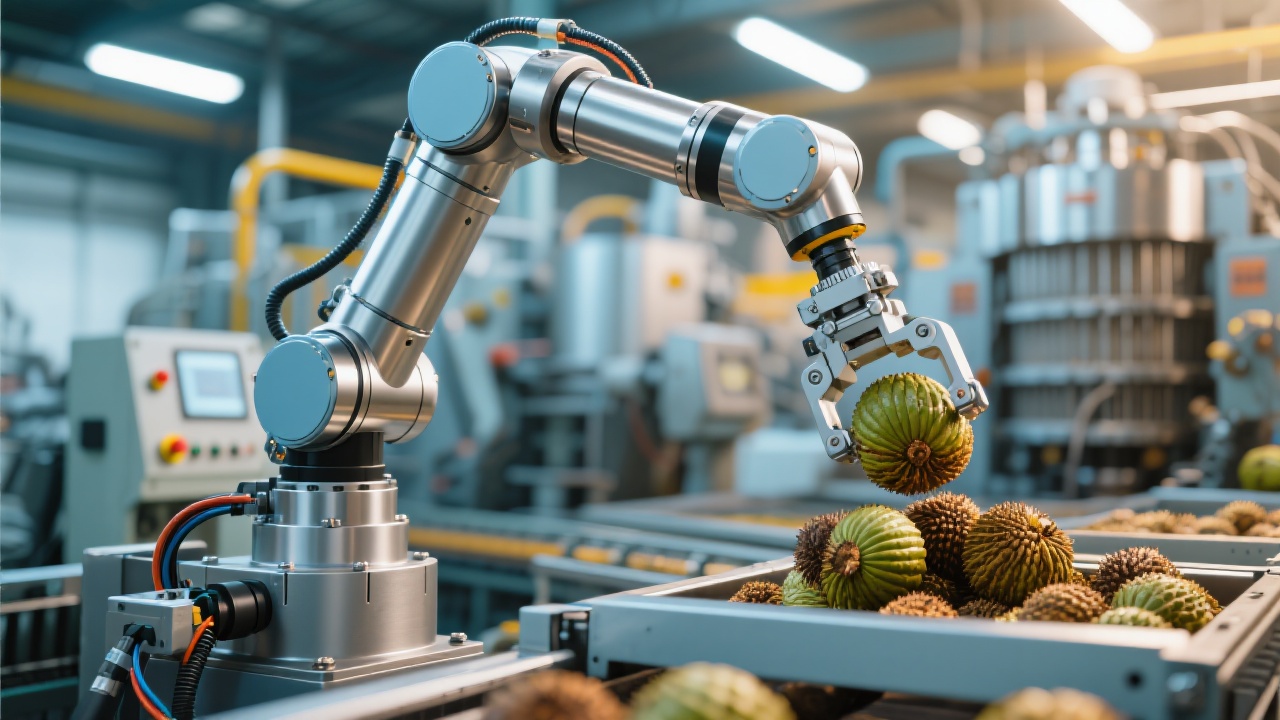
Based on the experience of front - line engineers, sharing debugging skills and typical alarm code cases can greatly enhance the practical ability of readers. For example, when the PLC system shows a certain alarm code, engineers have developed a set of standard troubleshooting procedures.
One common alarm code might indicate a sensor failure. In this case, engineers first check the physical connection of the sensor. If the connection is normal, they then use diagnostic tools to test the sensor's functionality. By sharing such cases, readers can learn how to quickly identify and solve problems in real - world scenarios.
Remote maintenance technology has become an increasingly important part of palm oil production. In today's era of智能制造, it offers significant value in ensuring the continuous and stable operation of equipment.
With remote maintenance technology, engineers can monitor the operation status of equipment in real - time from a remote location. They can access the control system of the palm oil refinery through the Internet, check the data collected by sensors, and even perform some simple maintenance tasks. This not only reduces the time and cost of on - site maintenance but also allows for quick response to any potential problems.
For example, if a sensor in a palm oil refinery reports an abnormal reading, the remote maintenance team can immediately analyze the data and determine the cause. They can then guide the on - site staff to take appropriate measures or even perform some adjustments remotely. This helps to minimize the downtime of the equipment and ensure the continuous production of palm oil.
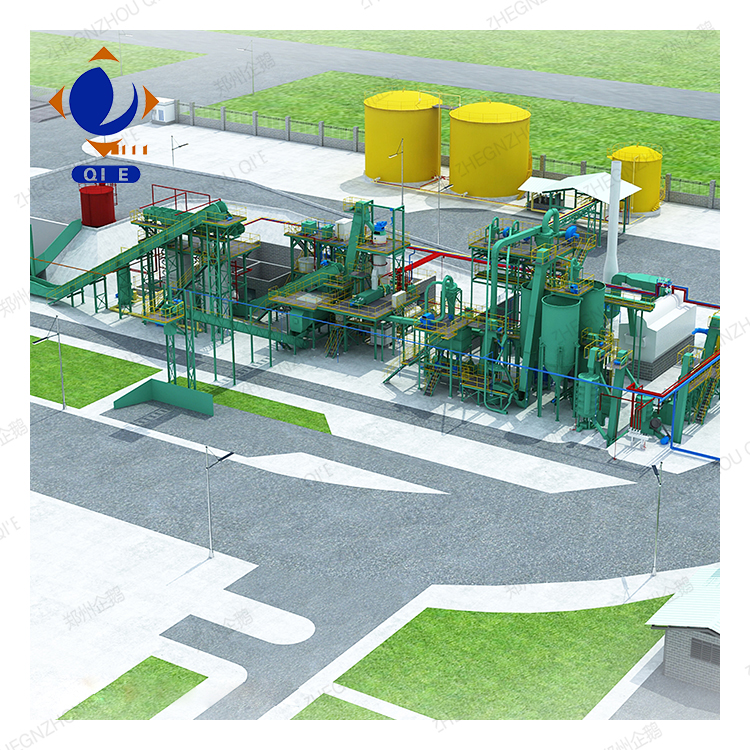
As the industry evolves, the future of automation in the palm oil industry is promising. With the development of technologies such as artificial intelligence, the Internet of Things, and big data, the automated control system in palm oil refining will become more intelligent and efficient.
For example, artificial intelligence algorithms can be used to analyze large amounts of production data, predict potential problems, and optimize the production process. The Internet of Things can connect all the equipment in the refinery, enabling seamless communication and coordination. Big data analytics can provide in - depth insights into production trends and customer preferences.
To stay ahead in this competitive market, palm oil production enterprises need to keep up with these technological trends and continuously upgrade their automated control systems.
If you are interested in learning more about our palm oil processing equipment and the latest automation technologies, please visit our website for detailed equipment information and professional technical support.