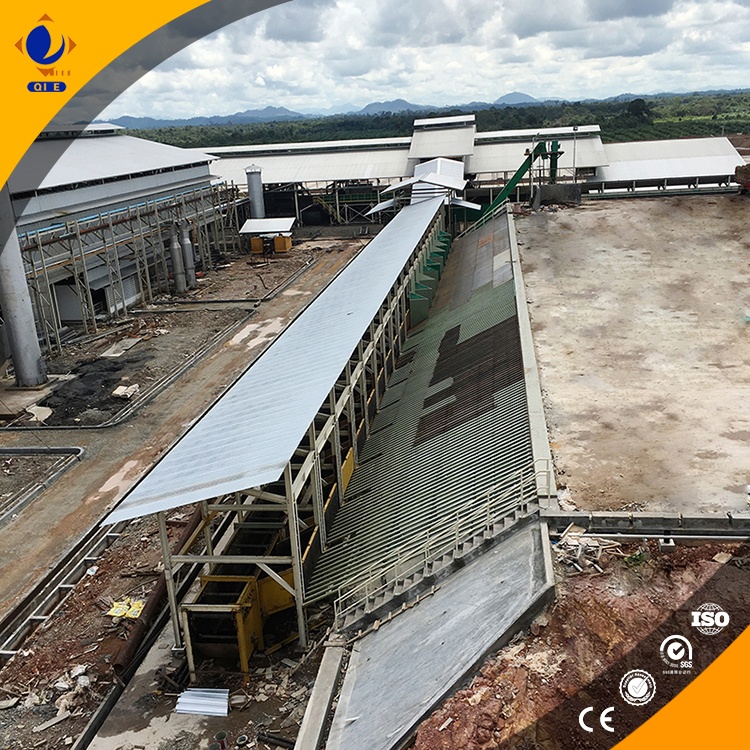
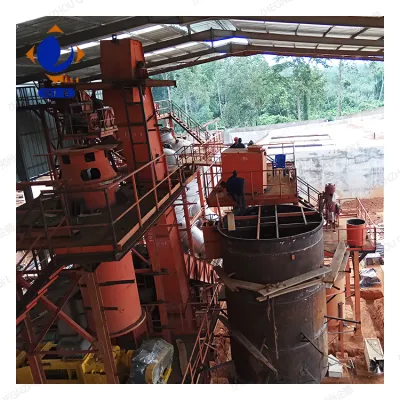
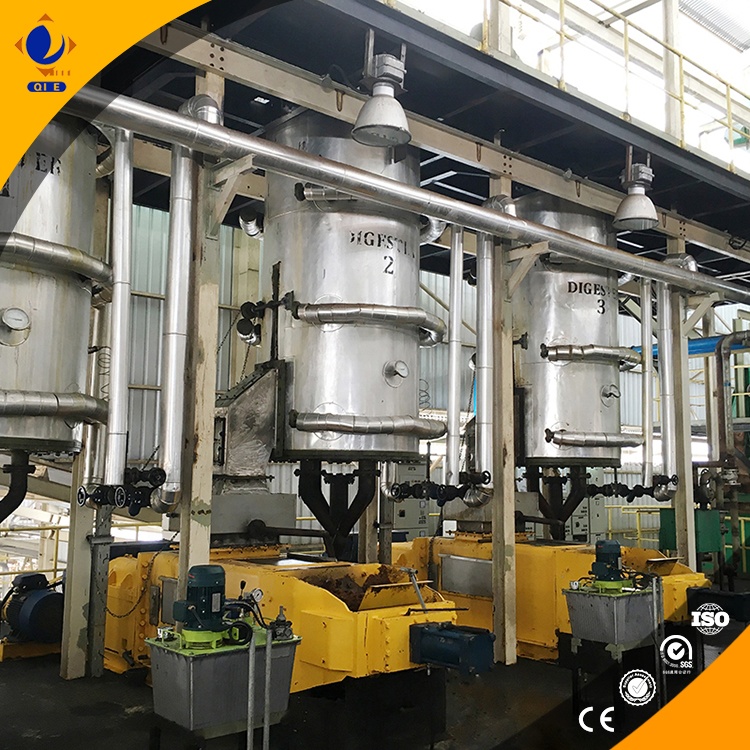
Are you facing the frustrating issue of your palm fruit crusher getting clogged due to the high impurity content in African palm fruits? This guide is tailored to help you overcome this challenge and significantly boost your palm oil extraction rate by fine - tuning the crusher parameters. With the unique high - humidity environment in Africa in mind, we'll also optimize the pre - treatment process.
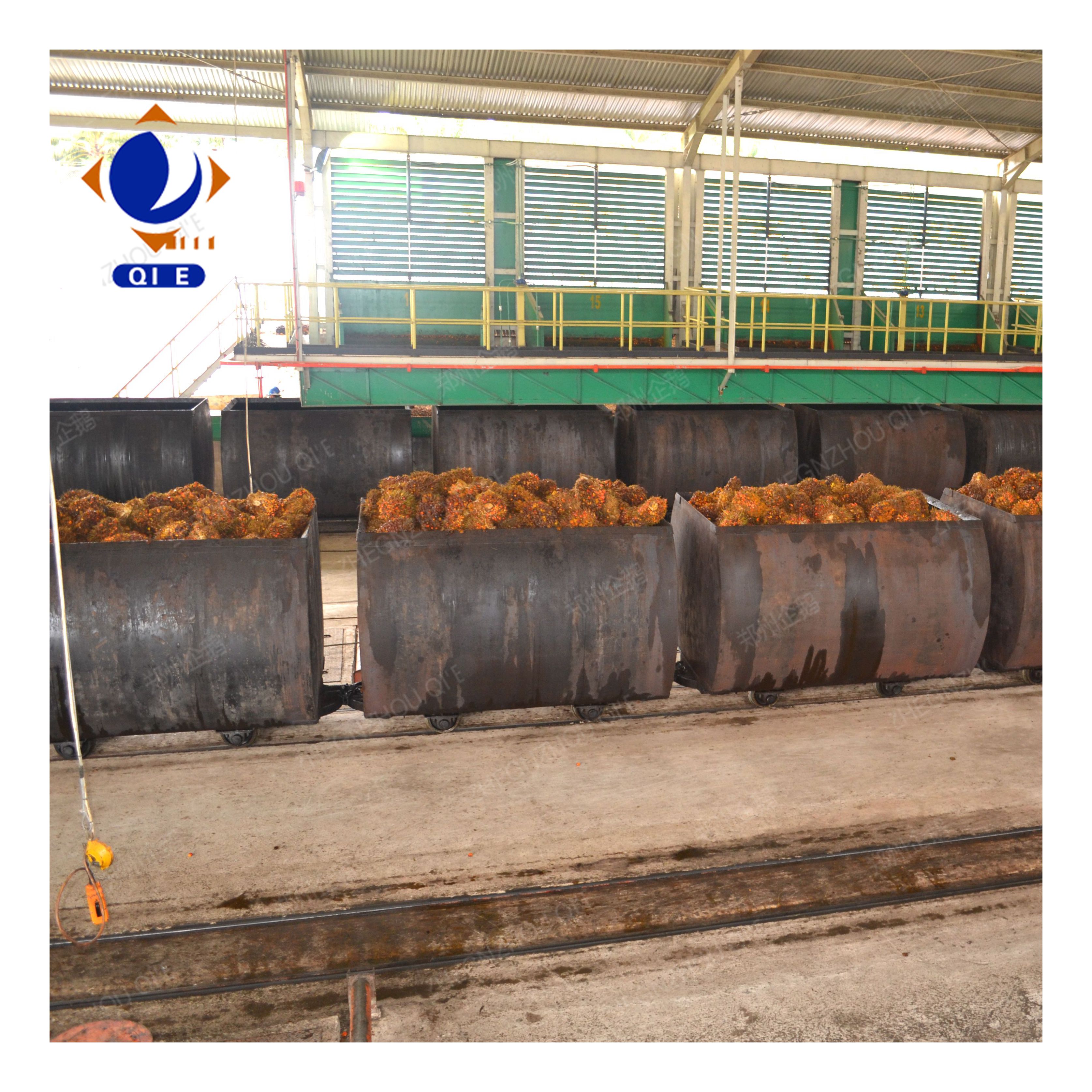
Let's start by understanding the real - world pain points. Picture this: your palm oil processing plant in Africa is constantly struggling with low oil yields and frequent equipment breakdowns. The high impurity levels in African palm fruits are a major culprit, causing blockages in the crusher and reducing overall efficiency. This is a problem that many palm oil processors in Africa can relate to, and it's time to find a solution.
The moisture content and impurities in palm fruits vary significantly across different regions, which have a profound impact on the cleaning, crushing, and cooking processes. Here's a breakdown:
| Region | Moisture Content | Impurities | Recommended Cooking Temperature |
|---|---|---|---|
| Asia | High (due to high - temperature and high - humidity climate) | Relatively low | 105 - 110°C |
| Africa | Moderate, but high impurity content | High | 100 - 105°C (to prevent coking) |
| South America | High during the rainy season | Moderate | 103 - 108°C |
In the cleaning process, adjusting the spray pressure is crucial. For African palm fruits with high impurity levels, a higher spray pressure (around 3 - 5 bar) can effectively remove impurities. This ensures that the fruits are clean before entering the next stage.
Selecting the right knives and setting the appropriate knife gap are key to efficient crushing. For African palm fruits, a knife gap of 2 - 3 mm is recommended to prevent blockages. Additionally, choosing knives with sharp edges can improve the crushing efficiency.
Designing the right cooking temperature curve is essential, especially in Africa where there is a high risk of coking. A slow - rising temperature curve, starting from 80°C and gradually reaching 100 - 105°C, can prevent coking and ensure uniform cooking.
Non - standard customization is highly valuable in palm oil processing, especially in extreme climates. Using rust - resistant materials like 304 stainless steel can extend the lifespan of the equipment. An automatic adjustment system can also ensure the equipment's adaptability in extreme climates, such as high humidity in Africa.
We've prepared a common fault diagnosis guide, including a troubleshooting logic tree and a simple checklist for blockages and uneven oil output. This guide can help you quickly identify and solve problems, minimizing downtime and losses.
'This method has been verified to be effective in a factory in Nigeria!'
Don't let the challenges of African palm oil processing hold you back. By following the technical solutions and fault - diagnosis methods in this guide, you can significantly improve your oil extraction rate, reduce losses, and stabilize your production.
Ready to optimize your palm oil pre - treatment process? Download our localized pre - treatment solution whitepaper now!
 296
|
296
|
 Palm kernel oil extraction energy - saving technology
Environment - friendly palm kernel oil equipment
Low - solvent consumption equipment
Palm kernel oil refining process
Energy - saving oil extraction equipment
Palm kernel oil extraction energy - saving technology
Environment - friendly palm kernel oil equipment
Low - solvent consumption equipment
Palm kernel oil refining process
Energy - saving oil extraction equipment
 475
|
Palm oil automation equipment
PLC control system
Food-grade palm oil production
Quality traceability system
Intelligent pressing and refining
475
|
Palm oil automation equipment
PLC control system
Food-grade palm oil production
Quality traceability system
Intelligent pressing and refining
 431
|
palm kernel oil extraction equipment
PLC control system for oil processing
automated oil refining technology
solvent recovery optimization
industrial automation in food processing
431
|
palm kernel oil extraction equipment
PLC control system for oil processing
automated oil refining technology
solvent recovery optimization
industrial automation in food processing
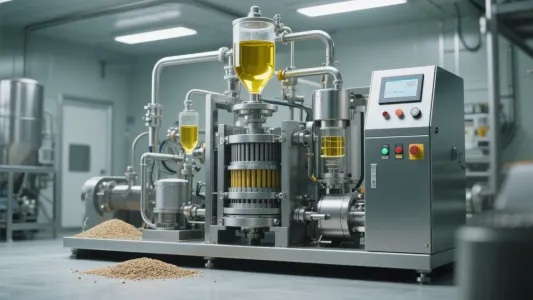 71
|
crude palm oil refining equipment
fully automated PLC control system
palm oil processing machinery
energy-efficient palm oil equipment
high-efficiency palm oil refining technology
71
|
crude palm oil refining equipment
fully automated PLC control system
palm oil processing machinery
energy-efficient palm oil equipment
high-efficiency palm oil refining technology
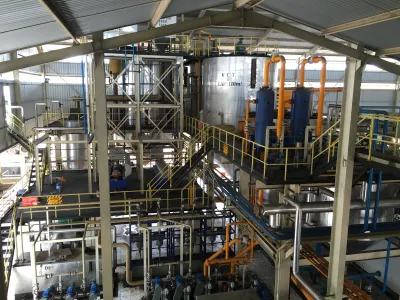 296
|
small-scale palm oil production line
high-efficiency palm oil pressing equipment
palm oil processing technology
environmentally friendly oil extraction machines
food and beverage processing equipment
296
|
small-scale palm oil production line
high-efficiency palm oil pressing equipment
palm oil processing technology
environmentally friendly oil extraction machines
food and beverage processing equipment