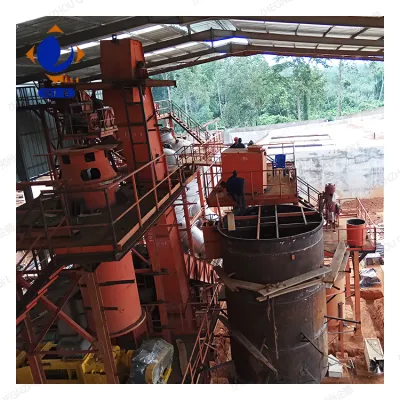
Palm oil production is a significant industry in Africa, Asia, and South America. However, palm fruit processing in these regions faces unique challenges due to differences in climate and raw material characteristics. In Africa, the high impurity content in palm fruits often leads to equipment blockages, affecting production efficiency and oil yield. This article provides a comprehensive guide on cutter selection and screen adjustment during the crushing stage, along with other key pre - treatment technologies to address these issues.
The raw palm fruits in Africa have distinct features compared to those in Asia and South America. The moisture content and impurity characteristics vary widely. For example, African palm fruits typically have a higher percentage of impurities such as sand, stones, and leaves. The moisture content can also be affected by the local climate, which is often hot and humid in many African palm - growing areas.
These impurities can cause serious problems during the pre - treatment process, especially in the crushing and screening stages. Blockages in the equipment can lead to downtime, increased maintenance costs, and reduced oil yield. According to industry statistics, up to 30% of production disruptions in African palm oil mills are caused by equipment blockages due to high - impurity palm fruits.
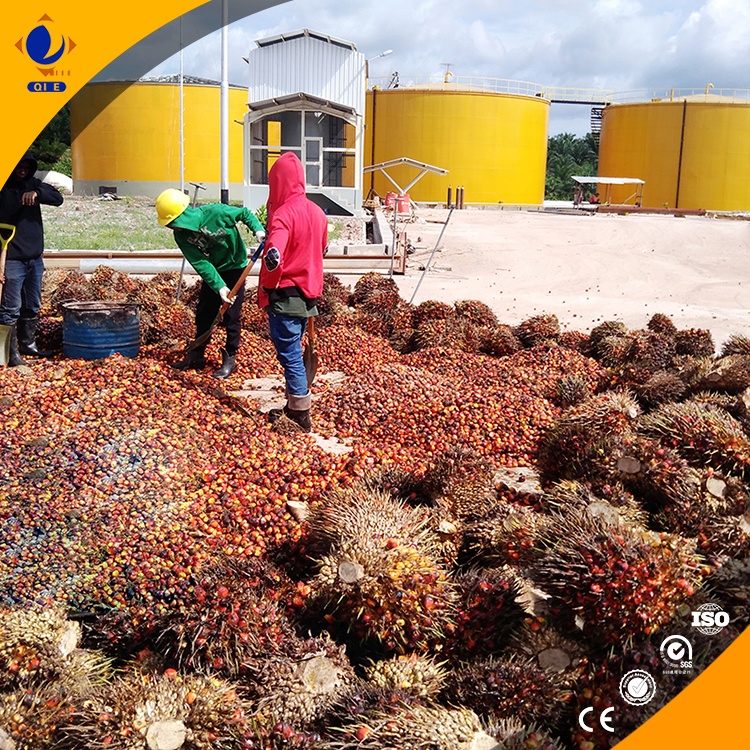
Proper cleaning is the first step in palm fruit pre - treatment. A well - designed cleaning system can remove a large portion of the impurities before the fruits enter the crushing stage. For African palm fruits, a multi - stage cleaning process is recommended. This may include a preliminary screening to remove large debris, followed by a water - based cleaning to wash away sand and dust. Studies show that a good cleaning process can reduce the impurity level by up to 70%.
The crushing stage is crucial for breaking the palm fruits and releasing the oil - containing mesocarp. Selecting the right cutter and adjusting the cutter gap are essential for efficient crushing. Different types of cutters, such as blade cutters and hammer cutters, have different performance characteristics. Blade cutters are more suitable for cutting through tough palm fruit stalks, while hammer cutters are better at breaking the fruits into smaller pieces.
For African palm fruits with high impurity content, a cutter with a larger gap can prevent blockages. The recommended cutter gap is between 5 - 10 mm, depending on the size and hardness of the palm fruits. Adjusting the cutter gap can also improve the crushing efficiency and reduce the energy consumption. In some cases, adjusting the cutter gap can increase the crushing capacity by up to 20%.
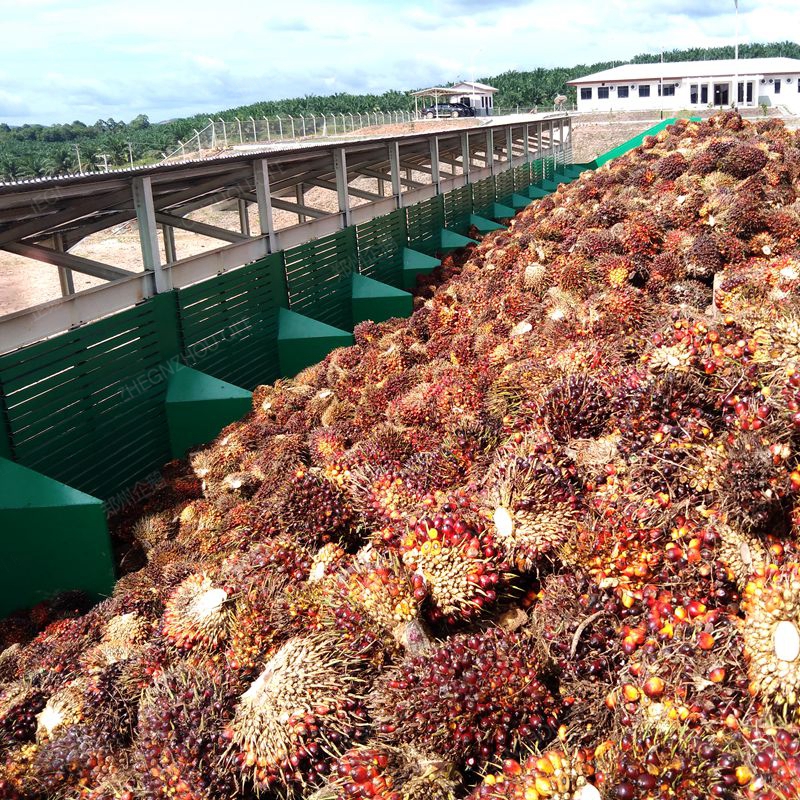
Screen adjustment is another important aspect of reducing equipment blockages. The screen size and mesh density should be adjusted according to the characteristics of the palm fruits and the impurities. For African palm fruits, a screen with a larger mesh size (e.g., 10 - 15 mm) is recommended to allow the passage of larger impurities without causing blockages. At the same time, the screen should be made of high - strength materials to withstand the impact of the fruits and impurities.
Steaming is the final step in palm fruit pre - treatment. It helps to further break down the cell walls of the palm fruits and release the oil. The steaming time and temperature should be optimized according to the moisture content and maturity of the palm fruits. In African palm oil mills, the recommended steaming temperature is between 100 - 120°C, and the steaming time is about 30 - 60 minutes. Proper steaming can increase the oil yield by up to 5%.
Non - standard customized equipment offers significant advantages in palm oil pre - treatment, especially in African regions with extreme environmental conditions. These equipment are designed with anti - rust stainless steel materials, which can resist corrosion in the hot and humid African climate. The intelligent automatic adjustment system in the equipment can adapt to different raw material characteristics and working conditions, improving the equipment's stability and efficiency.
For example, an intelligent screen adjustment system can automatically adjust the screen size and mesh density according to the impurity level of the palm fruits. This can reduce the need for manual intervention and improve the production efficiency. In addition, the use of intelligent sensors and diagnostic systems can help operators quickly identify and solve equipment problems, such as blockages and uneven oil output.
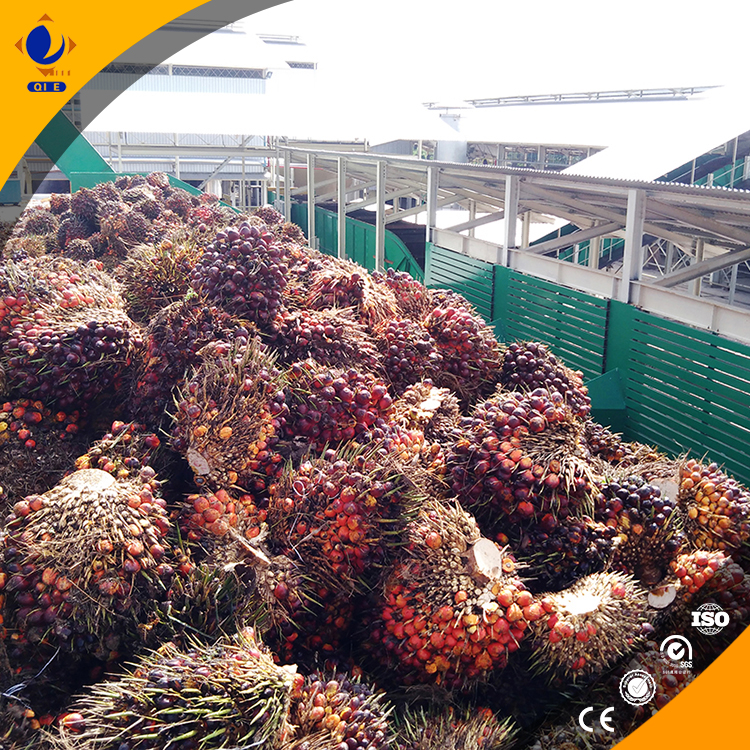
A scientific fault diagnosis process is essential for ensuring the normal operation of palm oil pre - treatment equipment. A simple checklist can be used by operators to quickly identify common problems. For example, if the equipment is blocked, the operator can first check the screen for clogging, then check the cutter gap and the feeding rate. By following a systematic fault diagnosis process, most equipment problems can be solved within a short time, reducing the production downtime.
In conclusion, by implementing the right pre - treatment technologies, such as proper cutter selection, screen adjustment, and using non - standard customized equipment, palm oil mills in Africa can effectively address the challenges of high - impurity palm fruits. These measures can improve the oil yield, increase the equipment stability, and ensure the efficient and safe production of palm oil. If you want to learn more about localized pre - treatment strategies and technical support, click here to find out more.